
Africa Safari Itinerary: 7-Day vs 14-Day — Which Is Right for You?
One of the most common questions we get from first-time safari travellers is: how long should my safari be? It is a genuinely important question, and the honest answer is that it depends — on your budget, your available leave, your travel style, and what you most want to see. But there are some clear patterns that emerge after years of planning African safaris, and we are going to lay them out plainly so you can make the right call for your trip.
The two most popular safari lengths are 7 days and 14 days. Both can deliver extraordinary experiences. But they are fundamentally different trips, and choosing the wrong one can leave you feeling either rushed or stretched. Here is everything you need to know.
The Case for a 7-Day Africa Safari
A 7-day safari is the sweet spot for many travellers — long enough to feel genuinely immersed in the bush, short enough to fit into a standard annual leave allocation. Done well, a week in Africa can be transformative. Done poorly, it can feel like a blur of airports and game drives with no time to breathe.
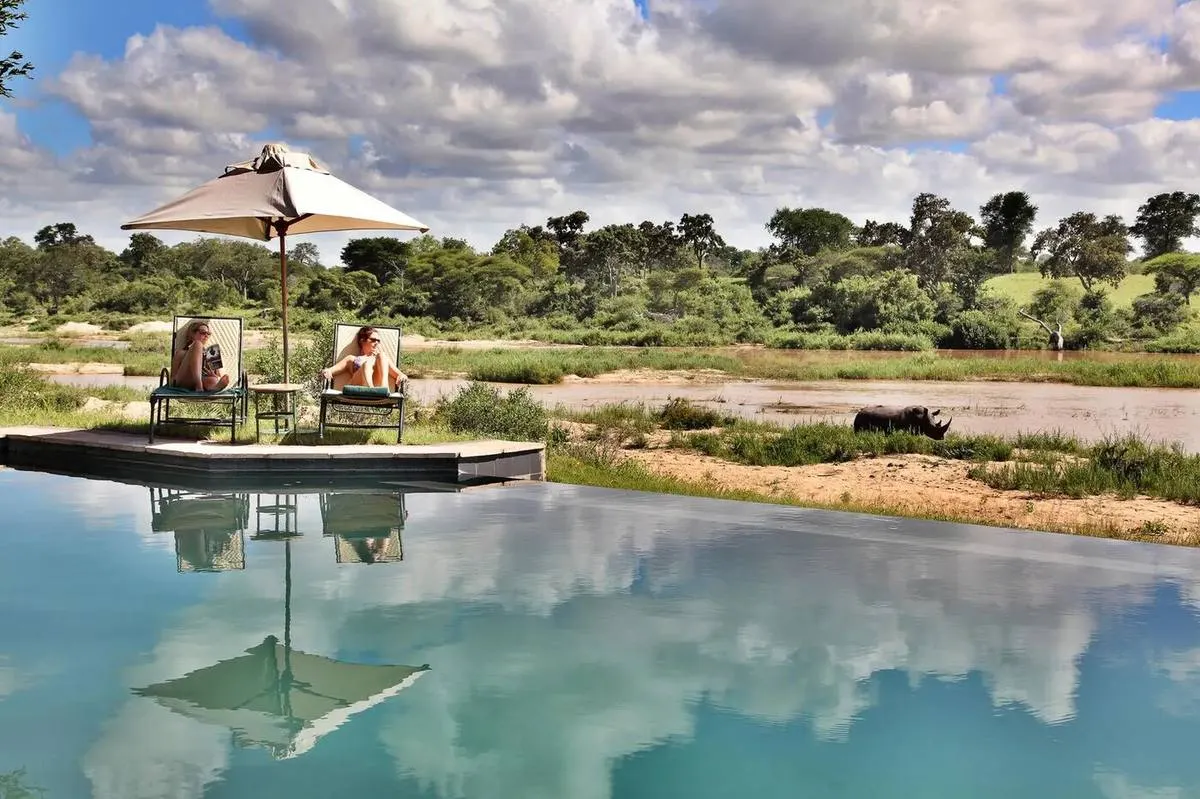
The key to a successful 7-day safari is focus. Rather than trying to cover multiple countries or regions, choose one destination and go deep. South Africa's Kruger National Park and the adjacent private reserves are ideal for a week-long trip — the wildlife density is exceptional, the infrastructure is excellent, and the variety of accommodation options means you can tailor the experience to your budget.
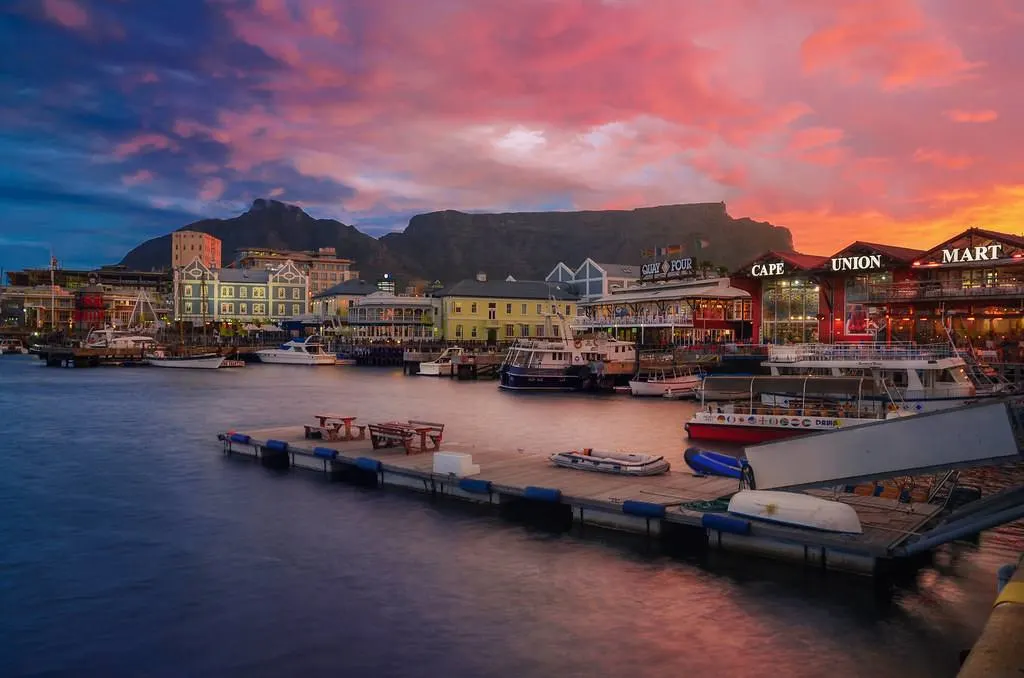
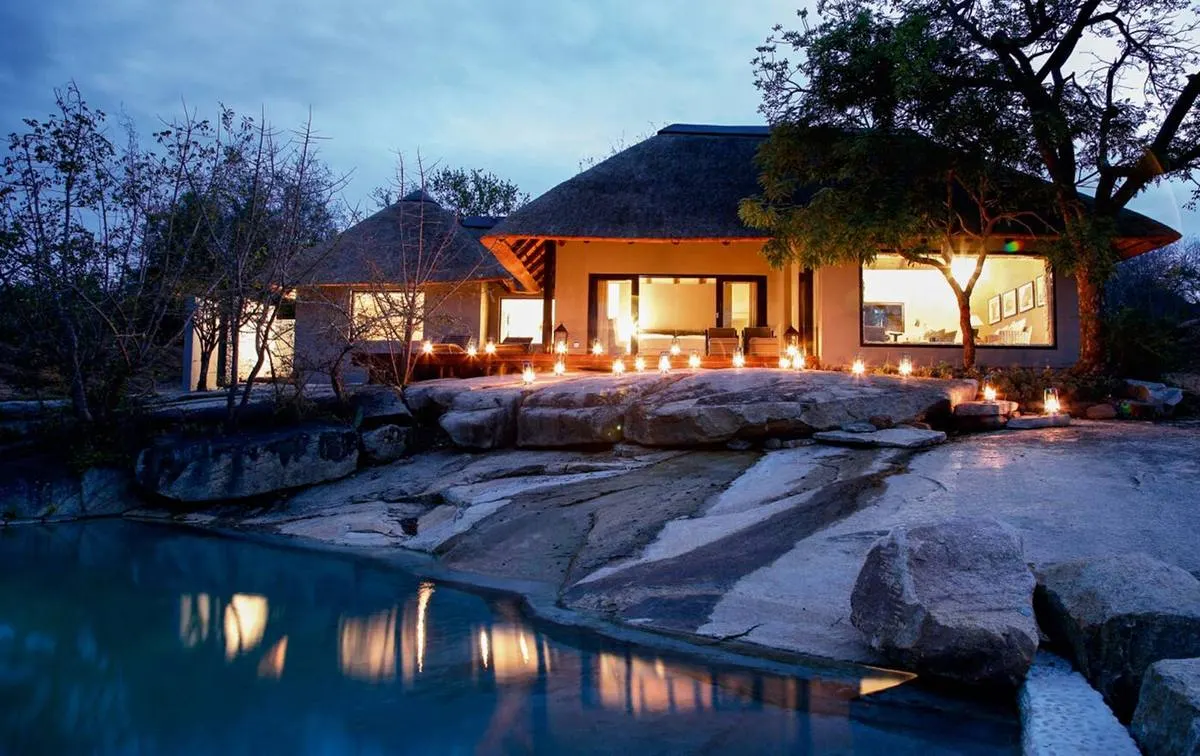
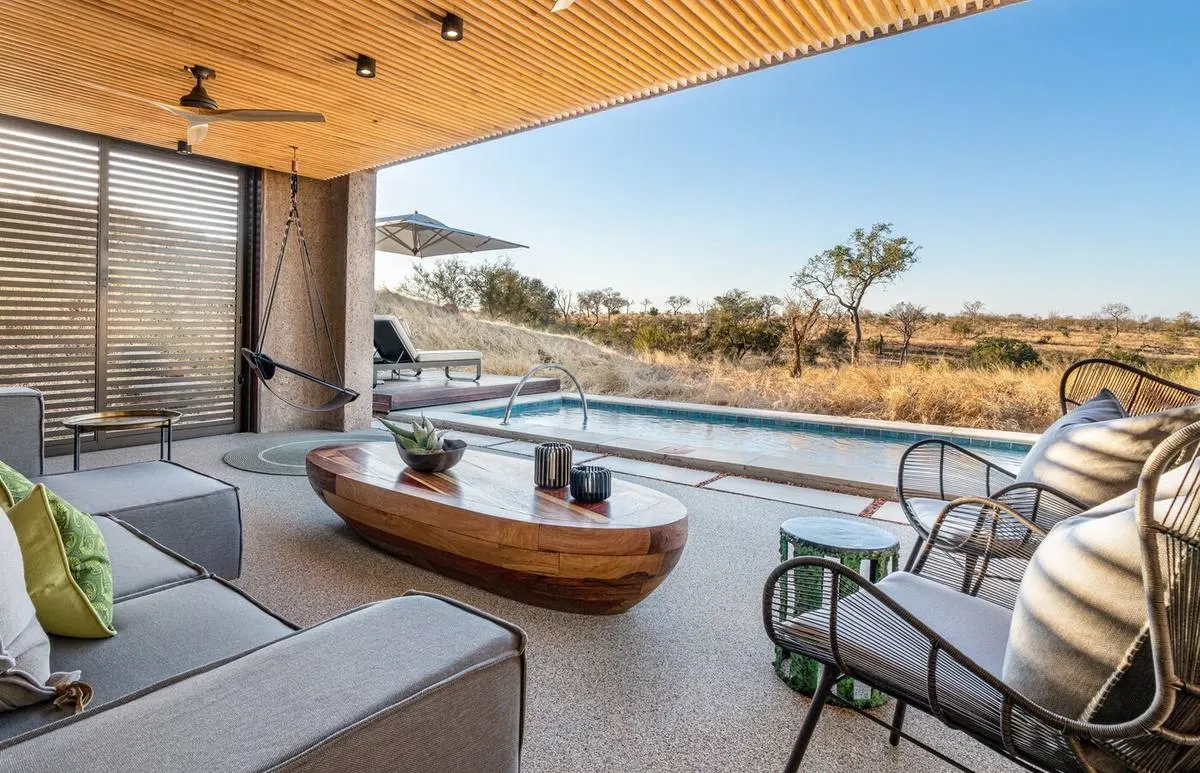
A well-structured 7-day South Africa safari might look like this: two nights in Cape Town to acclimatise and explore, then five nights in the Kruger/Sabi Sands area for game drives. This gives you enough time to settle into the rhythm of the bush, see the Big Five, and still have a day or two of buffer for weather or wildlife surprises. Browse our Kruger Private Luxury Safari or explore the full range on our safaris page.
What a 7-Day Safari Costs
Budget varies enormously depending on your accommodation choices. A 7-day mid-range safari in South Africa — including flights from Europe, accommodation, game drives, and most meals — typically runs $3,500–$6,000 per person. Luxury options in the private reserves start at $8,000–$15,000 per person. Budget-conscious travellers staying in Kruger's public rest camps can do a self-drive safari for as little as $1,500–$2,500 per person including flights.
Use our safari cost calculator to get a personalised estimate based on your travel dates, group size, and preferred accommodation style.
The Limitations of 7 Days
The honest truth is that 7 days is tight if you want to cover multiple destinations. Jet lag is a real factor — most travellers need 2–3 days to fully adjust, which means you may spend the first part of your trip feeling slightly foggy. Long-haul flights to Africa (typically 10–14 hours from Europe, 15–18 hours from North America) eat into your time at both ends.
A 7-day trip also limits your ability to combine safari with beach or cultural experiences. If you want to add Zanzibar, the Seychelles, or a Cape Town extension, you will feel rushed. And if wildlife sightings are slow in the first few days — which happens — you may not have enough time to recover.
One of the most common questions we get from first-time safari travellers is: how long should my safari be?
The Case for a 14-Day Africa Safari
Two weeks is where Africa really opens up. With 14 days, you have the time to combine multiple destinations, absorb the pace of the bush properly, and build in the flexibility that makes a safari truly memorable. The jet lag wears off, the wildlife sightings accumulate, and you start to develop a genuine feel for the rhythms of the African wilderness.
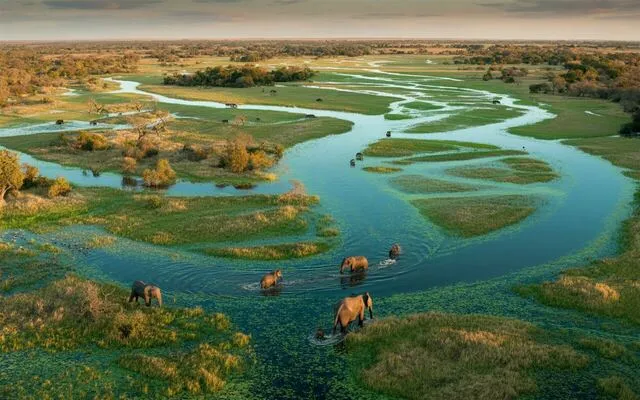
A 14-day safari also allows you to combine different ecosystems and wildlife experiences. The classic East Africa combination — Kenya's Masai Mara and Tanzania's Serengeti — is best done over two weeks, giving you time in both countries without feeling rushed. Alternatively, a South Africa–Botswana combination (Kruger plus the Okavango Delta) is one of the finest safari itineraries in the world and works beautifully over 14 days.
Our plan my safari tool can help you map out the perfect 14-day itinerary based on your interests, travel dates, and budget. Our team has planned hundreds of two-week African adventures and knows exactly how to structure the time for maximum impact.
Sample 14-Day South Africa Itinerary
Here is a tried-and-tested 14-day South Africa itinerary that we recommend regularly. Days 1–3: Cape Town — Table Mountain, the Cape Peninsula, and the Winelands. Days 4–5: Garden Route — Knysna, Tsitsikamma, and the Storms River. Days 6–7: Addo Elephant National Park — malaria-free Big Five safari in the Eastern Cape. Days 8–14: Kruger National Park and Sabi Sands — the full Big Five experience with morning and evening game drives.
This itinerary covers three distinct ecosystems, delivers the Big Five twice (in different settings), and includes both cultural and natural highlights. It is a genuinely comprehensive South Africa experience. Explore our Garden Route tour and Kruger game drives as building blocks for your own itinerary.
Sample 14-Day East Africa Itinerary
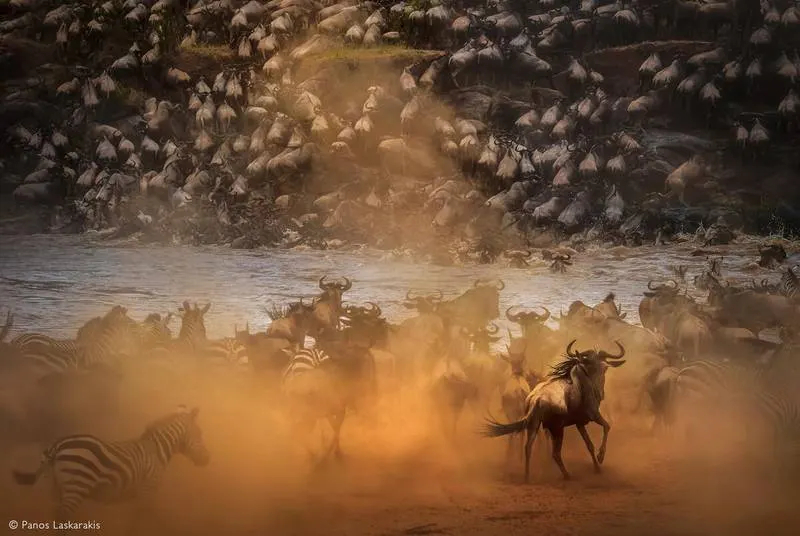
For East Africa, a 14-day Kenya–Tanzania combination is hard to beat. Days 1–2: Nairobi — city orientation and the David Sheldrick Elephant Orphanage. Days 3–6: Masai Mara — the world's greatest wildlife spectacle, especially during the Great Migration (July–October). Days 7–8: Amboseli National Park — elephants against the backdrop of Kilimanjaro. Days 9–11: Serengeti National Park — vast plains teeming with wildlife. Days 12–13: Ngorongoro Crater — the world's largest intact volcanic caldera, home to the densest concentration of wildlife in Africa. Day 14: Zanzibar or Nairobi for departure.
Check our best time to visit Kenya and best time to visit Tanzania guides to align your trip with the Great Migration or other seasonal highlights.
What a 14-Day Safari Costs
A 14-day mid-range safari in South Africa runs approximately $6,000–$10,000 per person including international flights. East Africa (Kenya–Tanzania) at a similar standard costs $8,000–$14,000 per person. Luxury options — private camps, fly-in transfers, exclusive-use vehicles — can reach $20,000–$40,000 per person for two weeks.
The per-day cost of a 14-day safari is often lower than a 7-day trip, because fixed costs (international flights, visas, travel insurance) are spread over more days. If you are going to make the journey to Africa, two weeks is almost always better value than one.
Key Factors to Help You Decide
Beyond budget and time, there are several other factors worth considering when choosing between a 7-day and 14-day safari.
Your Wildlife Priorities
If your primary goal is to see the Big Five and you are happy to focus on one destination, 7 days is sufficient — especially in South Africa's private reserves, where sightings are reliably excellent. If you want to witness the Great Migration, see mountain gorillas in Rwanda or Uganda, or combine multiple ecosystems, you need at least 14 days.
Mountain gorilla trekking in Rwanda or Uganda is a full-day activity that requires a dedicated permit ($1,500 per person in Rwanda, $700 in Uganda). Building this into a 7-day trip leaves very little room for anything else. Our Rwanda Gorilla Trekking tour works best as part of a longer East Africa itinerary.
Your Travel Style
Some travellers thrive on intensity — they want to pack in as much as possible and are energised by constant movement. Others need time to decompress, to sit quietly at a waterhole and watch the world go by, to read a book in a hammock between game drives. Be honest with yourself about which type you are. A 7-day trip suits the former; a 14-day trip suits the latter.
Also consider your travel companions. Families with young children often do better with shorter, more focused trips — children's attention spans and energy levels are different from adults', and a 14-day safari can be exhausting for little ones. Our Kruger Family Big Five Safari is designed specifically for families and works well as a 7–10 day trip.
The Jet Lag Factor
This is underestimated by almost every first-time safari traveller. Flying from North America to Africa involves crossing 7–10 time zones, and the adjustment takes time. On a 7-day trip, you may spend days 1–3 feeling groggy and disoriented, which means you are only fully present for the last half of your trip. On a 14-day trip, you have time to adjust properly and enjoy the full experience.
Our advice: if you are flying from North America or Asia, budget for at least 10 days in Africa. If you are coming from Europe, 7 days is workable but 10–14 is better.
The Hybrid Option: 10 Days
If 7 days feels too short and 14 days is beyond your budget or leave allocation, consider 10 days. A 10-day safari hits a sweet spot — enough time to combine two destinations, absorb the pace of the bush, and recover from jet lag, without the full commitment of two weeks.
A popular 10-day South Africa itinerary: 3 nights Cape Town, 2 nights Garden Route, 5 nights Kruger/Sabi Sands. This covers the country's highlights without feeling rushed. Use our plan my safari tool to explore 10-day options, or contact our team for a personalised recommendation.
Practical Planning Tips
Regardless of whether you choose 7 or 14 days, a few planning principles apply universally. Book early — the best camps and lodges fill up 6–12 months in advance, especially for peak season (July–October in East Africa, June–September in Southern Africa). Travel insurance is non-negotiable; medical evacuation from remote safari areas can cost $50,000 or more without cover.
Pack light. Most light aircraft used for safari transfers have strict baggage limits — typically 15kg in a soft bag. Overpacking is one of the most common mistakes first-time safari travellers make. Our South Africa travel guide includes a detailed packing list and other practical tips.
Finally, be flexible. Wildlife does not follow a schedule, and the best safari moments are often the unplanned ones — a leopard crossing the road at dusk, a herd of elephants at a waterhole at dawn, a lion kill discovered by chance. Build buffer time into your itinerary and resist the urge to over-programme every day.
Our Verdict
If you can only do 7 days, do 7 days — a focused, well-planned week in Africa is infinitely better than no Africa at all. But if you have the time and budget, 14 days is where the magic really happens. You settle in, you slow down, and Africa starts to reveal itself in ways that a shorter trip simply cannot deliver.
As safari operators who have been planning African adventures from our Cape Town base for over a decade, we have seen both work beautifully and both go wrong. The difference is almost always in the planning. Get the structure right, choose the right destinations for your interests, and the length almost takes care of itself.
Not sure which itinerary is right for you? Talk to our safari planning team — we will ask the right questions, listen carefully, and design an Africa itinerary that fits your time, budget, and travel dreams perfectly. No pressure, just honest advice from people who live and breathe African safari.
Tours & Safaris You'll Love
Handpicked by our team based on what you're reading. Book direct for the best price — guaranteed.
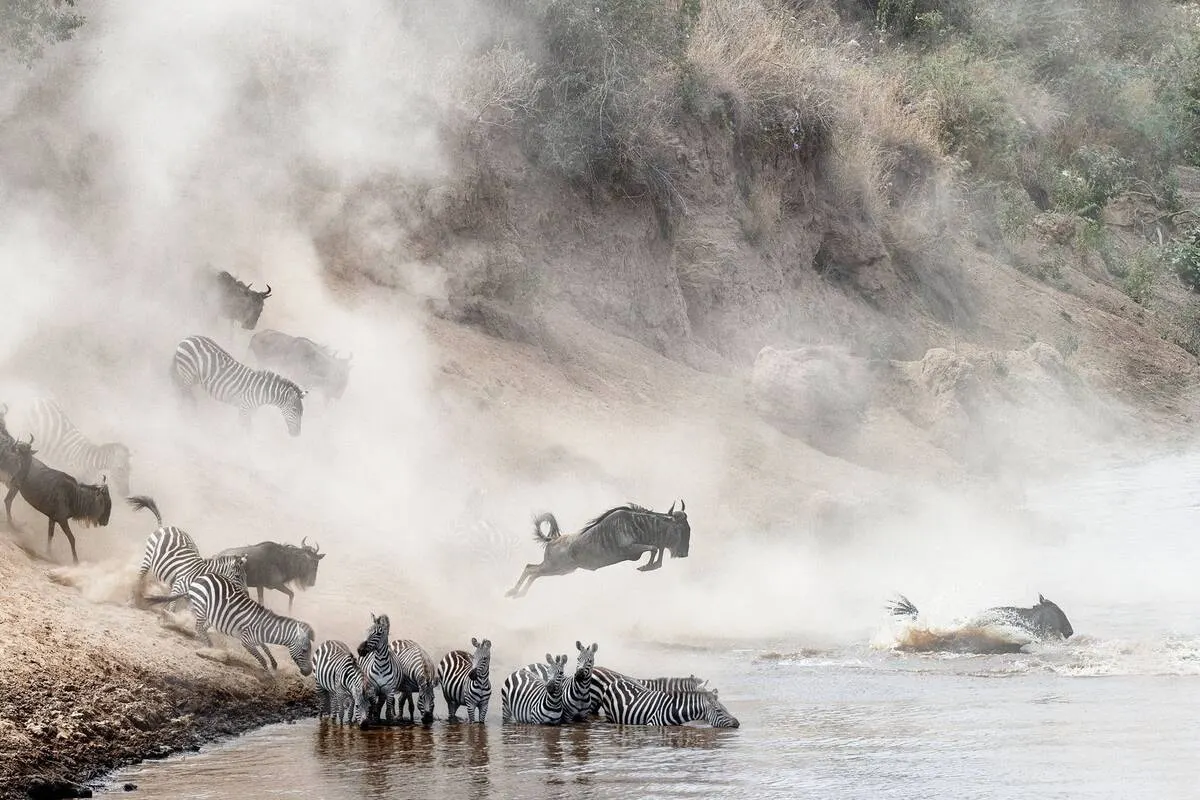
Serengeti Great Migration River Crossing — Mara River Safari
Witness the world's greatest wildlife spectacle — wildebeest crossing the Mara
per person • Best price direct
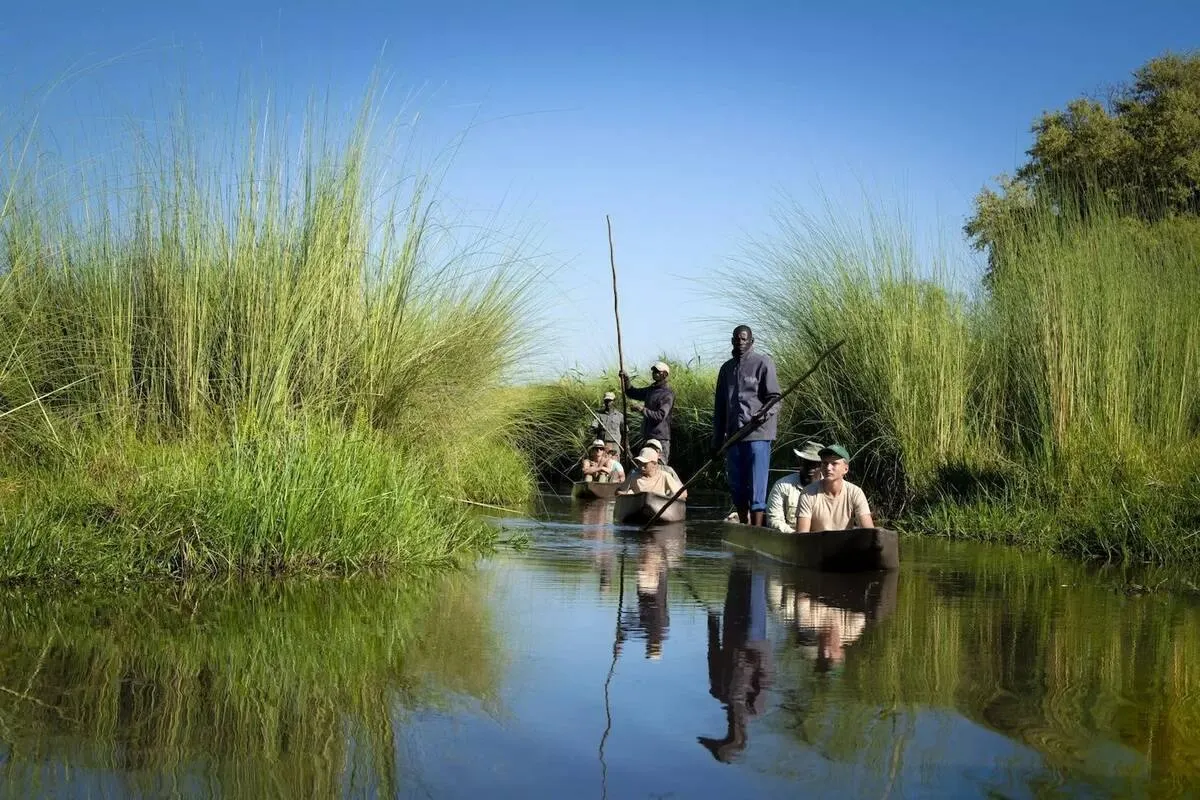
Okavango Luxury Fly-In Wilderness Camp — 5-Star Under Canvas
The world's most exclusive tented camp — deep in the delta
per person • Best price direct
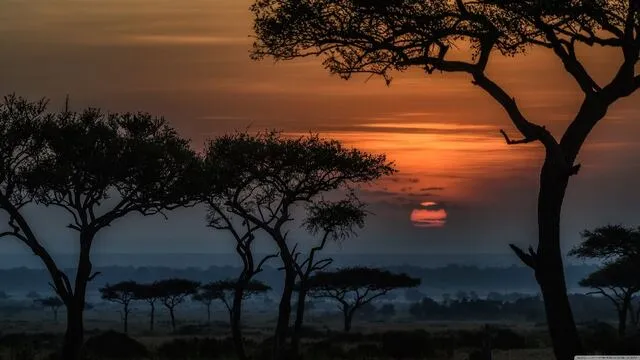
Masai Mara Great Migration Safari — River Crossing Season
Witness nature's greatest spectacle — millions of wildebeest crossing the Mara River
per person • Best price direct
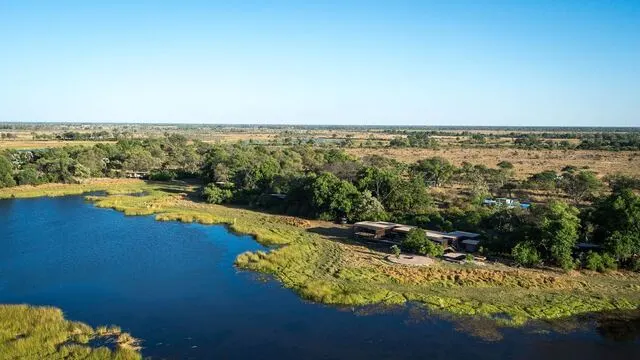
Okavango Delta Fly-In Safari — Luxury Bush Camp
The world's most exclusive safari destination from above and within
per person • Best price direct
Why book with middlemen? Same tours, lower prices, direct support from our team.
Get a Free Custom Quote