Mountain Gorilla Trekking — A Life-Changing Encounter
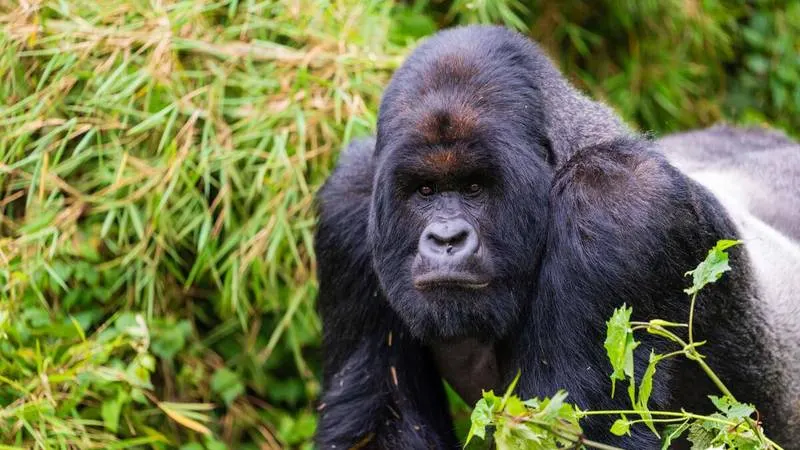
Gorilla trekking is widely regarded as the greatest wildlife experience on Earth. Only around 1,000 mountain gorillas remain in the wild, living in the misty volcanic forests of Rwanda, Uganda, and the Democratic Republic of Congo. Sitting just metres from a silverback — a 200kg gentle giant who shares 98.3% of human DNA — is an encounter that transcends ordinary travel.
Rwanda vs Uganda — Which Is Better?
| Factor | Rwanda | Uganda |
|---|---|---|
| Permit price | $1,500 | $800 |
| Trek difficulty | Moderate (shorter treks) | Moderate-Challenging (longer) |
| Travel time from capital | 2.5 hours to Volcanoes NP | 8-10 hours to Bwindi (or fly) |
| Infrastructure | Excellent roads, luxury lodges | Rougher roads, authentic feel |
| Gorilla families | 12 habituated groups | 20+ habituated groups |
| Best for | Luxury travellers, limited time | Budget travellers, adventure |
How Much Does Gorilla Trekking Cost?
Rwanda permit: $1,500/person (non-negotiable, set by government)
Uganda permit: $800/person ($600 in low season April-May)
Total trip cost: Budget $3,000-$5,000 for a 3-4 day gorilla trip | Luxury $6,000-$12,000 for 5-7 days with extensions
Only around 1,000 mountain gorillas remain in the wild, living in the misty volcanic forests of Rwanda, Uganda, and the Democratic Republic of Congo.
How Fit Do You Need to Be?
Treks range from 1-6 hours each way through dense bamboo forest at 2,300-3,000m altitude. You don't need to be an athlete, but you should be able to hike uphill for 2+ hours on uneven terrain. Rangers assign groups based on fitness — request an "easy group" if you're concerned.
Best Time to Go
Dry seasons: June-September and December-February — easier trekking conditions, drier trails
Green season: March-May and October-November — lower permit availability pressure, lush forests, possible discounts in Uganda
Our Gorilla Trekking Packages
Our Gorilla Trekking Uganda & Rwanda package includes permits, luxury accommodation, expert guides, and all logistics. Start planning your gorilla trek →
Frequently Asked Questions
Where can I see the Big Five in Africa?
The best Big Five destinations include: Kruger National Park and Sabi Sands (South Africa), Masai Mara (Kenya), Serengeti and Ngorongoro Crater (Tanzania), Okavango Delta (Botswana), and Hwange (Zimbabwe). South Africa's Eastern Cape reserves (Shamwari, Amakhala) offer malaria-free Big Five viewing. See our wildlife guide for species-specific locations.
What are the Big Five animals?
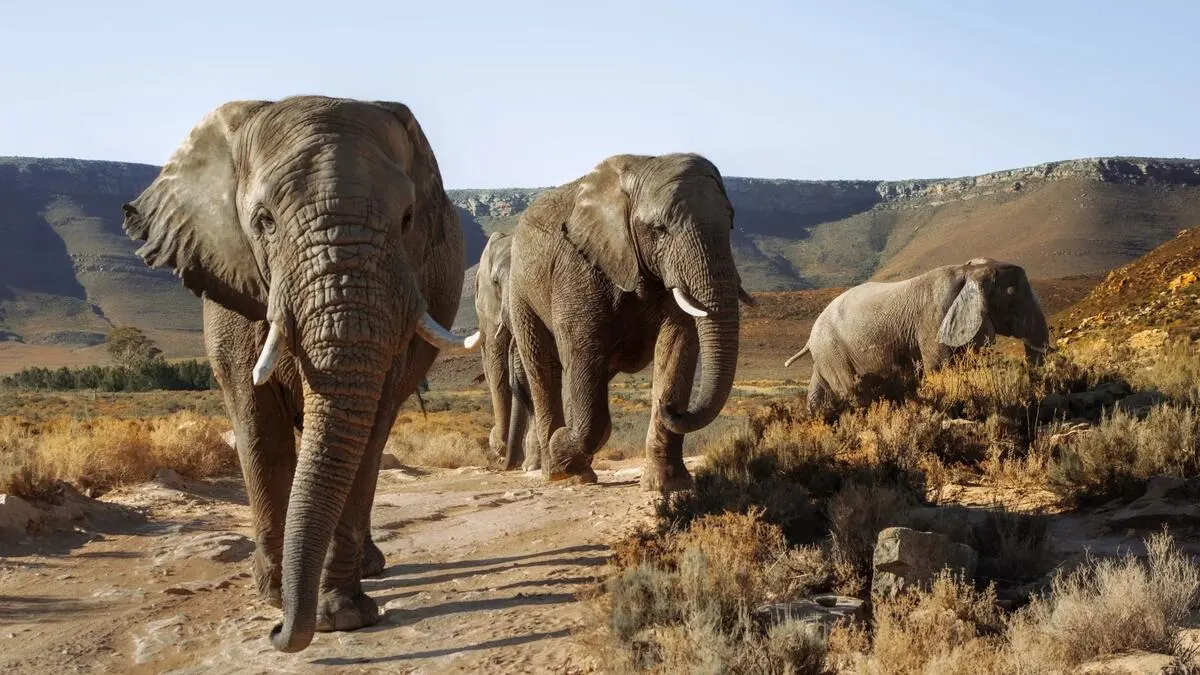
The Big Five are: Lion (king of the African bush), Leopard (elusive and beautiful), African Elephant (the largest land animal), Cape Buffalo (unpredictable and powerful), and White/Black Rhinoceros (critically endangered). The term originated from hunters describing the five most dangerous animals to hunt on foot — today, they're the five most sought-after animals to photograph.
When is the Great Migration in the Serengeti?
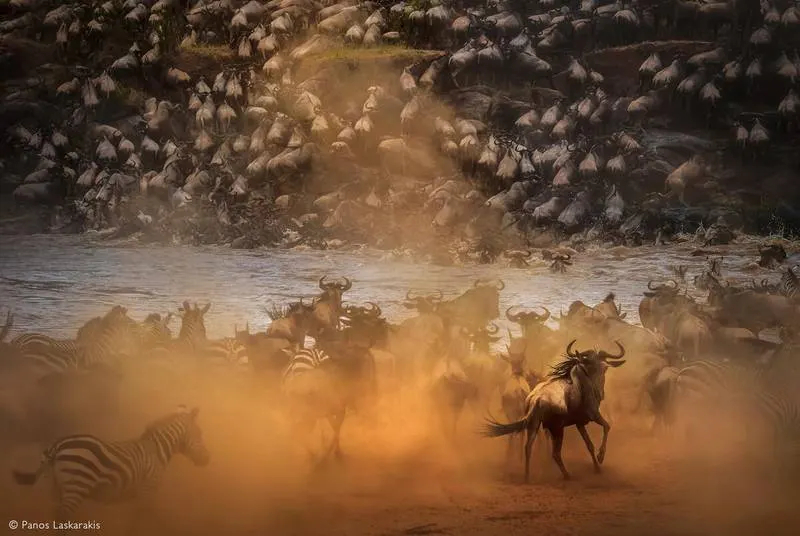
The Great Migration is a year-round movement of 1.5 million wildebeest, 400,000 zebra, and 200,000 gazelle. Key highlights: calving in Ndutu (January–March), crossing the Grumeti River (June–July), the dramatic Mara River crossings (July–October), and the return south (November–December). See our Tanzania guide for timing details.
Can I see gorillas on safari?
Yes! Mountain gorilla trekking is available in Rwanda (Volcanoes National Park) and Uganda (Bwindi Impenetrable Forest). Permits cost $1,500 in Rwanda and $700 in Uganda. You'll spend one hour with a habituated gorilla family — it's one of the most profound wildlife encounters on Earth. See our Rwanda guide for booking details.
What wildlife can I see on safari?
Africa is home to the Big Five, plus cheetah, wild dog, giraffe, zebra, hippo, crocodile, hyena, 1,000+ bird species, and many more. Marine wildlife includes great white sharks, whales (June–November), dolphins, penguins, and seals. Each destination has its speciality species — explore our wildlife guide for details.
How far in advance should I book a safari?
We recommend booking 6–12 months in advance for peak season (June–October), especially for popular lodges. Off-season travel can often be booked 2–3 months ahead. Last-minute deals are sometimes available for shoulder seasons. The earlier you book, the better your chances of securing your preferred dates and lodges.
Do I need travel insurance for safari?
Yes — comprehensive travel insurance is essential and often required by safari lodges. Ensure your policy covers medical evacuation (important in remote bush areas), trip cancellation, luggage loss, and adventure activities. We can recommend reputable safari-specific insurance providers.
Ready to start planning? Our safari experts have personally visited every destination mentioned in this guide. Get a free, no-obligation quote tailored to your travel style and budget. Use code INGWE10 for 10% off selected packages.
Tours & Safaris You'll Love
Handpicked by our team based on what you're reading. Book direct for the best price — guaranteed.
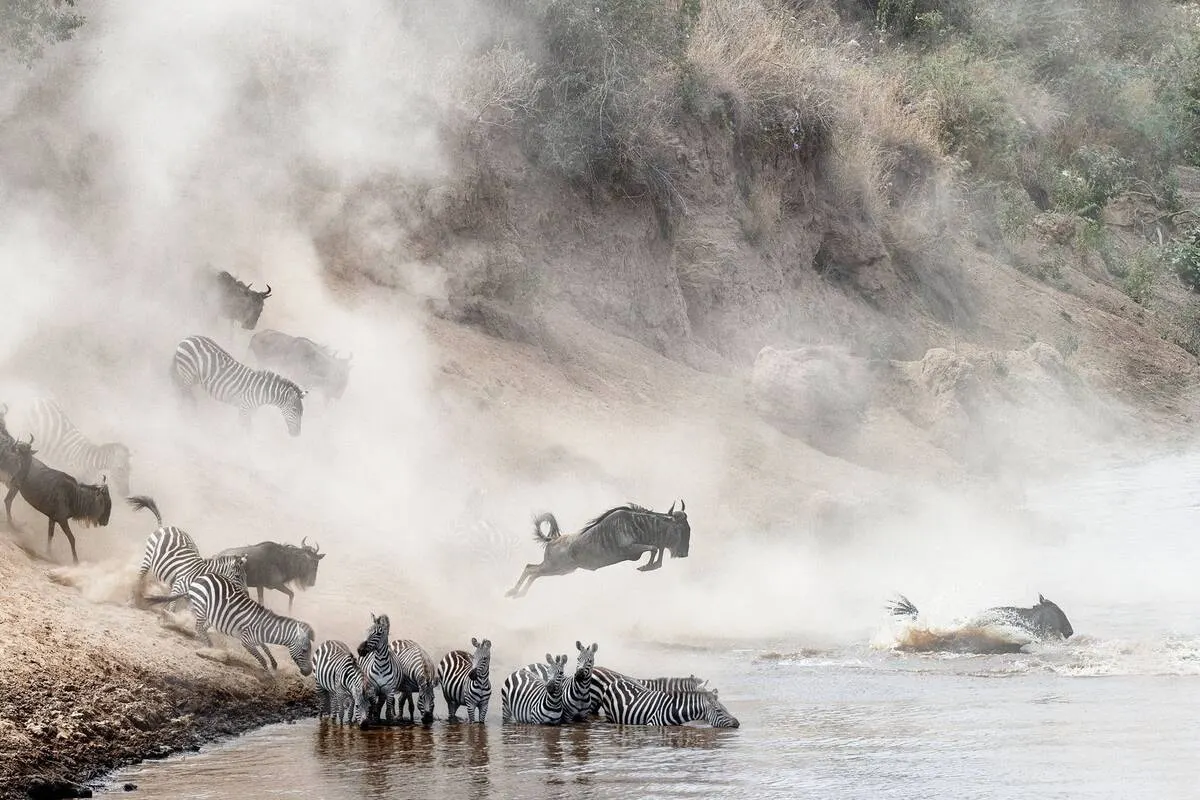
Serengeti Great Migration River Crossing — Mara River Safari
Witness the world's greatest wildlife spectacle — wildebeest crossing the Mara
per person • Best price direct
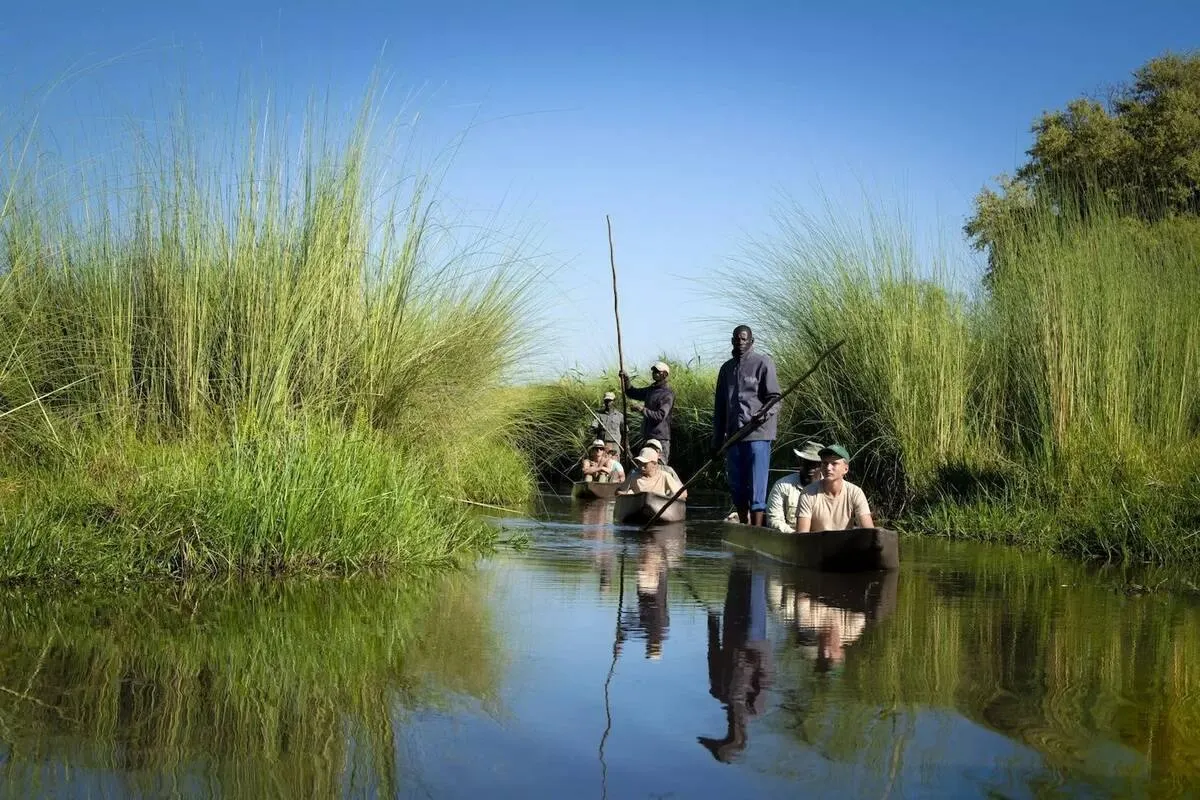
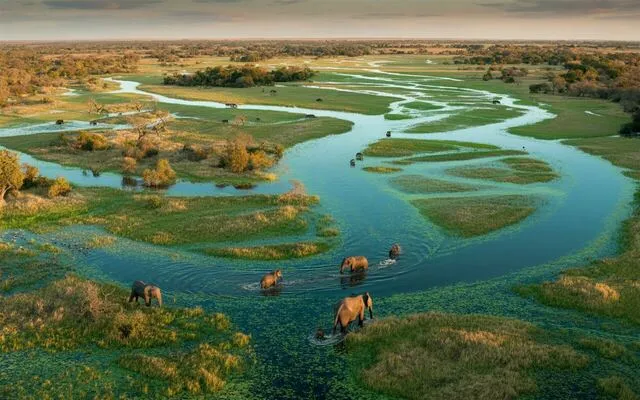
Okavango Luxury Fly-In Wilderness Camp — 5-Star Under Canvas
The world's most exclusive tented camp — deep in the delta
per person • Best price direct
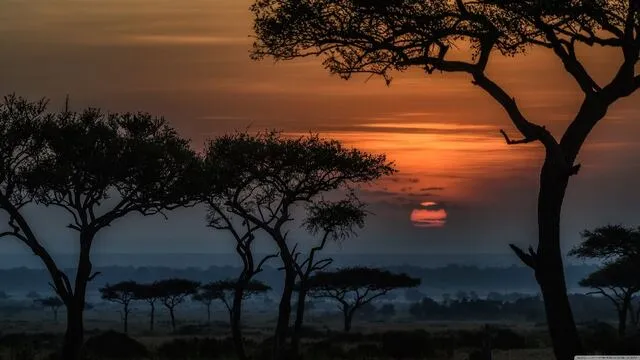
Masai Mara Great Migration Safari — River Crossing Season
Witness nature's greatest spectacle — millions of wildebeest crossing the Mara River
per person • Best price direct
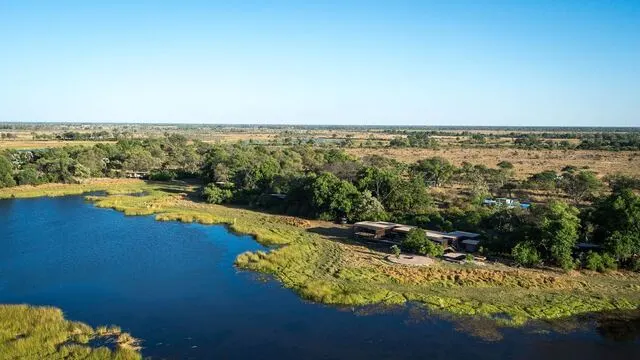
Okavango Delta Fly-In Safari — Luxury Bush Camp
The world's most exclusive safari destination from above and within
per person • Best price direct
Why book with middlemen? Same tours, lower prices, direct support from our team.
Get a Free Custom Quote