Loxodonta africana
The Gentle Giants of the African Bush
Habitat
Savanna, woodland, and forest edges across sub-Saharan Africa
Diet
Herbivore
Lifespan
60–70 years
Weight
4,000–6,000 kg
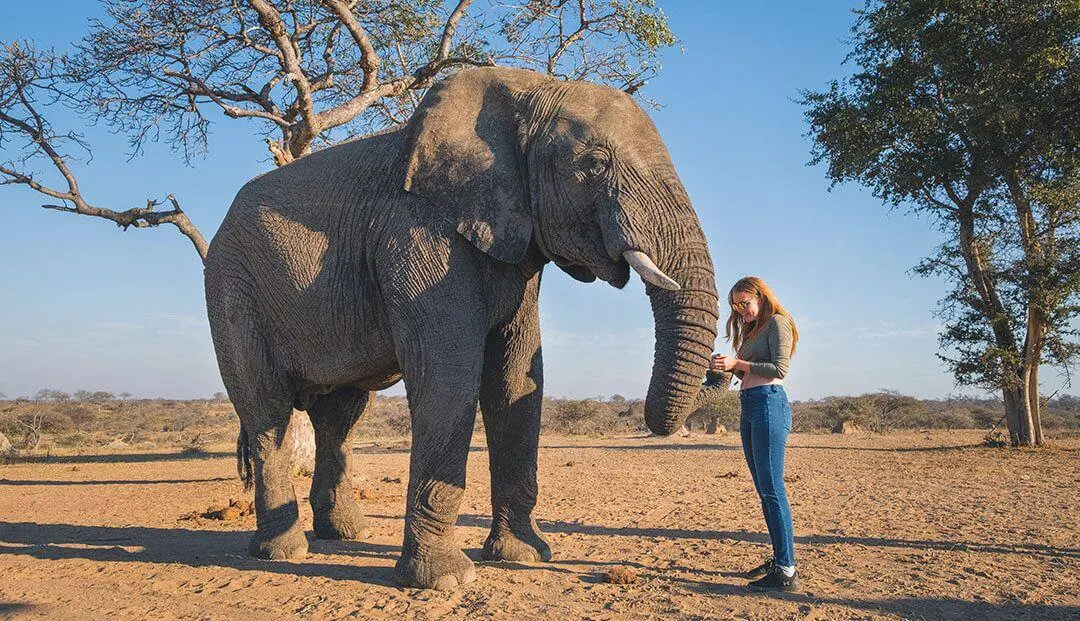
The African elephant is the largest land animal on Earth, with bulls standing up to 4 metres tall and weighing 6,000 kg. These highly intelligent, deeply emotional creatures live in matriarchal family groups led by the oldest female. Elephants communicate through low-frequency rumbles that can travel several kilometres through the ground, and their memory is legendary — they can remember water sources, migration routes, and individual elephants across decades.
In South Africa, elephant populations have recovered dramatically from near-extinction in the early 1900s. Kruger National Park alone is home to over 17,000 elephants, while Addo Elephant National Park in the Eastern Cape protects over 600 in a malaria-free setting. The Sabi Sands reserves see elephants crossing freely from Kruger, often walking through lodge grounds.
Habitat
Savanna, woodland, and forest edges across sub-Saharan Africa
Diet
Herbivore — grasses, bark, roots, leaves, and fruit (up to 150 kg/day)
Lifespan
60–70 years
Weight
4,000–6,000 kg (bulls), 2,700–3,600 kg (cows)
African elephants live in tight-knit matriarchal family groups led by the oldest female. Herds typically consist of 6–20 related females and their offspring. Males leave the herd at puberty (12–15 years) and either roam solo or form loose bachelor groups. Elephants display complex social behaviours including mourning rituals, cooperative calf-rearing, and greeting ceremonies where family members entwine trunks upon reunion.
Population
Approximately 415,000 across Africa; over 17,000 in Kruger National Park alone
Kruger National Park
Addo Elephant National Park
Sabi Sands
Pilanesberg
May to September (South African winter dry season) when elephants congregate around water sources, making them easier to spot. In Kruger, the Olifants and Letaba river areas offer outstanding elephant viewing year-round.
Elephants mourn their dead and have been observed returning to the bones of deceased family members
A single elephant can drink 200 litres of water per day
Baby elephants suck their trunks for comfort, similar to human babies with thumbs
Their skin is up to 2.5 cm thick but is so sensitive they can feel a fly landing on it
Use a wide-angle lens (24–70mm) to capture elephants against sweeping African landscapes
Shoot during golden hour for dramatic side-lighting that emphasises the texture of elephant skin
Focus on intimate behaviours — trunk touches, dust-bathing, and calves playing between adults' legs
Position yourself at water holes during late afternoon for spectacular drinking and bathing scenes
Include environmental context — elephants framed by acacia trees or reflected in waterholes create iconic images
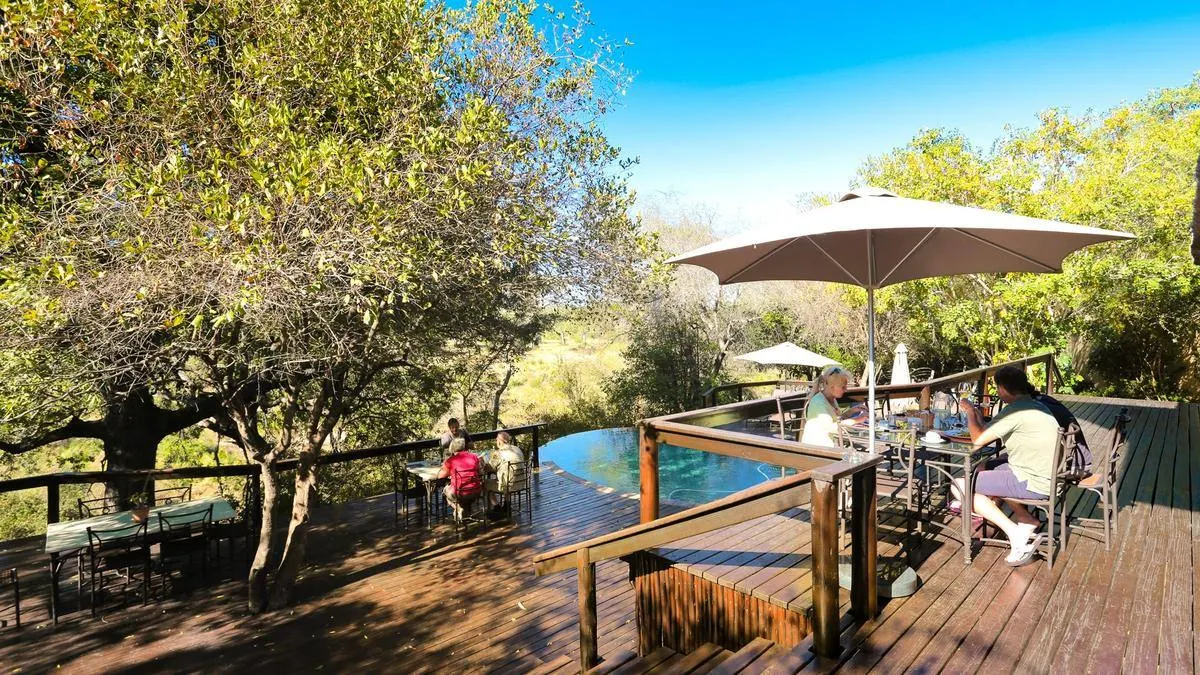
Located in the heart of Sabi Sands with unfenced borders to Kruger, offering daily Big Five sightings and exceptional elephant encounters at nearby waterholes.
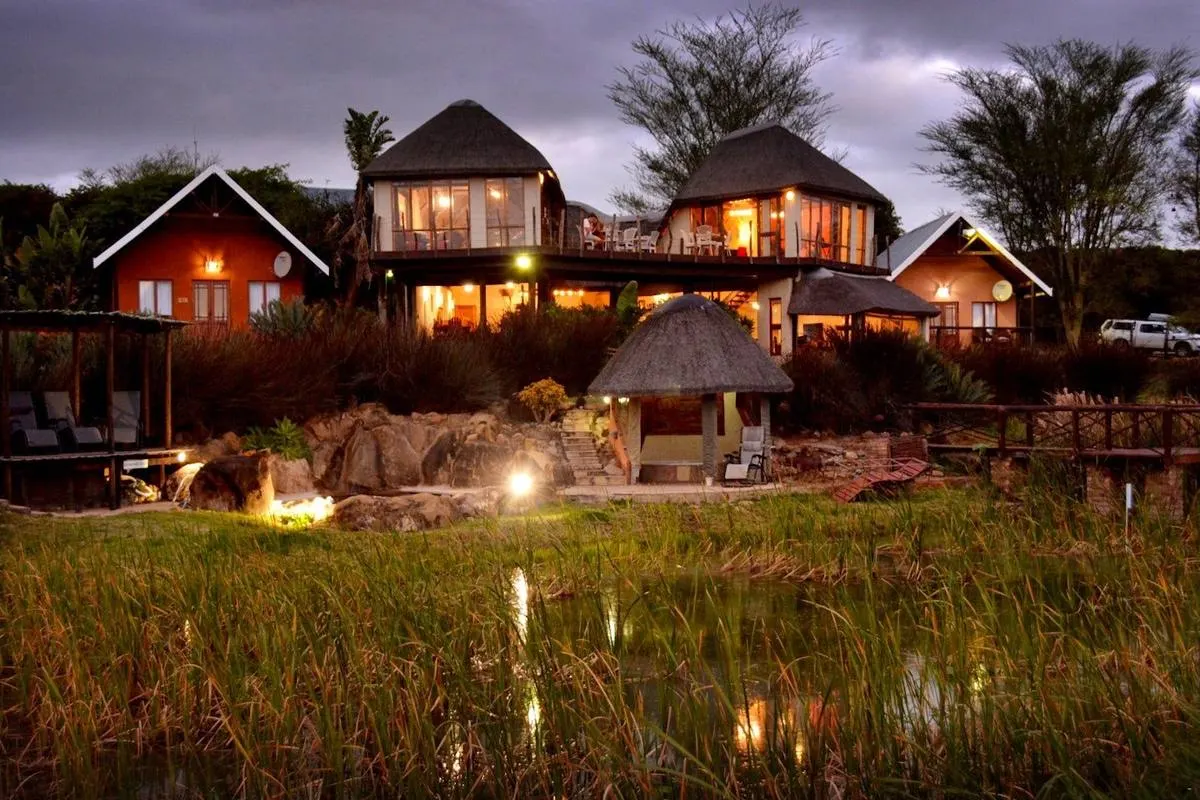
A charming, affordable gateway to Addo Elephant National Park — South Africa's densest elephant population in a malaria-free Eastern Cape setting.
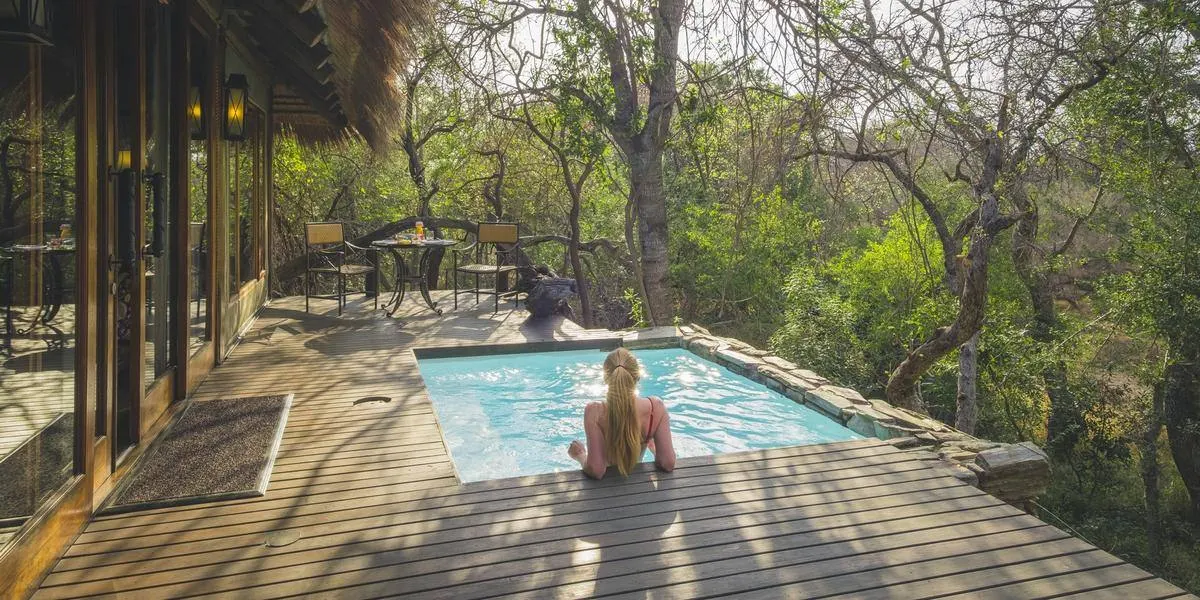
An ultra-luxury Relais & Châteaux lodge renowned for its herd of rescued elephants and exclusive elephant-back experiences in the Kapama Private Game Reserve.
Ivory poaching remains the single greatest threat, driven by illegal demand in Asia
Habitat loss and fragmentation due to expanding agriculture and infrastructure
Human-wildlife conflict as elephants raid crops in communities bordering reserves
Climate change reducing water availability and altering vegetation patterns
South Africa has been a leader in elephant conservation. Kruger National Park's population has grown from under 1,000 in the 1960s to over 17,000 today through strict anti-poaching enforcement, habitat management, and the expansion of transfrontier conservation areas. Organisations like the SANParks Honorary Rangers, Elephants Alive, and the Space for Elephants Foundation work to secure migration corridors and reduce human-elephant conflict through community education and chilli-fence programs.
Kruger National Park and Addo Elephant National Park offer the most reliable elephant sightings in South Africa. Kruger's population exceeds 17,000 elephants, with the Olifants and Letaba river areas being particularly productive. Addo in the malaria-free Eastern Cape has over 600 elephants in a compact area. The private Sabi Sands and Timbavati reserves bordering Kruger also provide exceptional, close-range encounters.
Multi-day, all-inclusive safari packages that include the best african elephant viewing destinations.
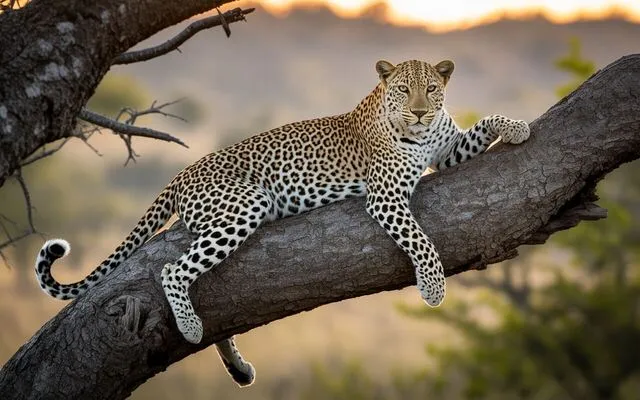
Johannesburg, Sabi Sands Game Reserve
From $3,490
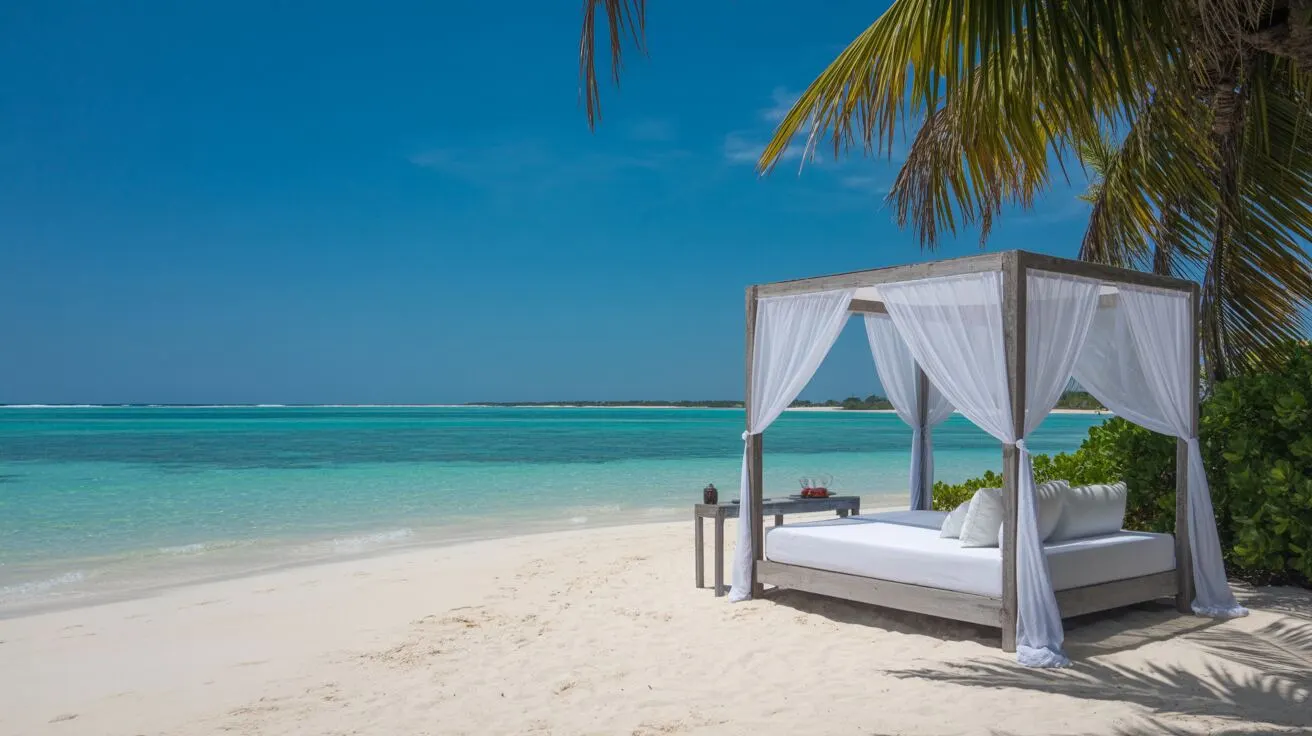
Greater Kruger, Sabi Sands
From $5,997
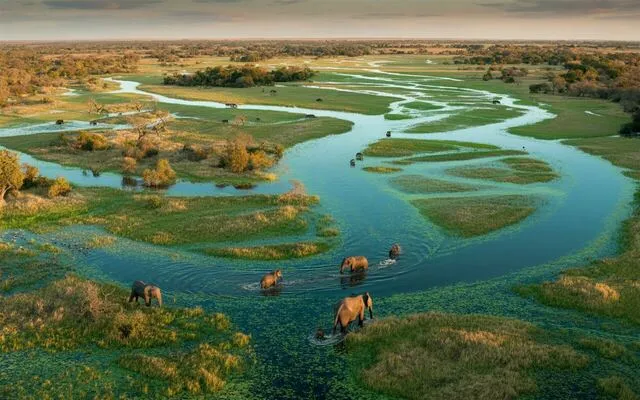
Cape Town, Sabi Sands
From $8,990
Cape Town, Stellenbosch
From $6,490
Our expert safari consultants will craft your perfect african elephant encounter — from choosing the ideal reserve to selecting the best season and lodge.
Big Five game drives, walking safaris & more
Luxury accommodation in prime wildlife areas
Kruger, Sabi Sands, Masai Mara & beyond
Plan your trip around peak wildlife seasons
Honest pricing guide for every budget
How your safari protects African wildlife
African Lion
The King of the African Savanna
African Leopard
The Elusive Ghost of the Bush
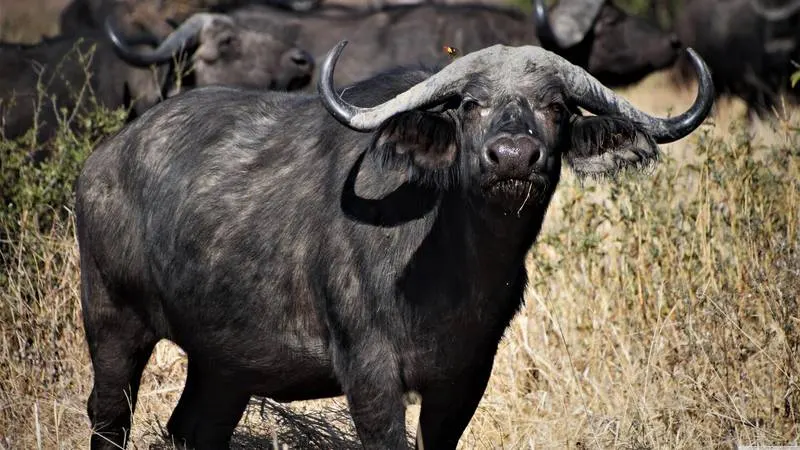
Cape Buffalo
Africa's Most Dangerous Bovine
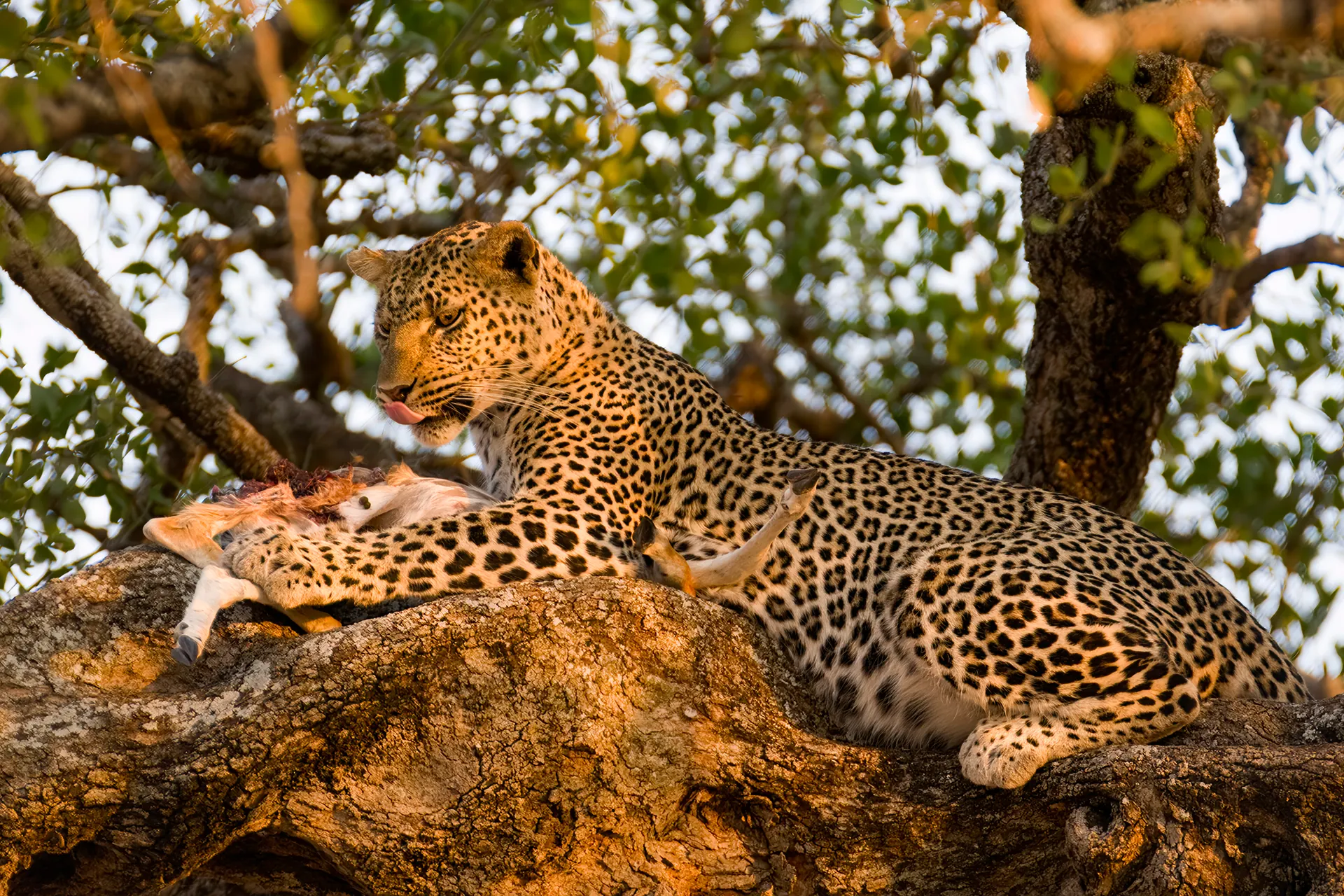
White Rhinoceros
Guardians of the Grassland
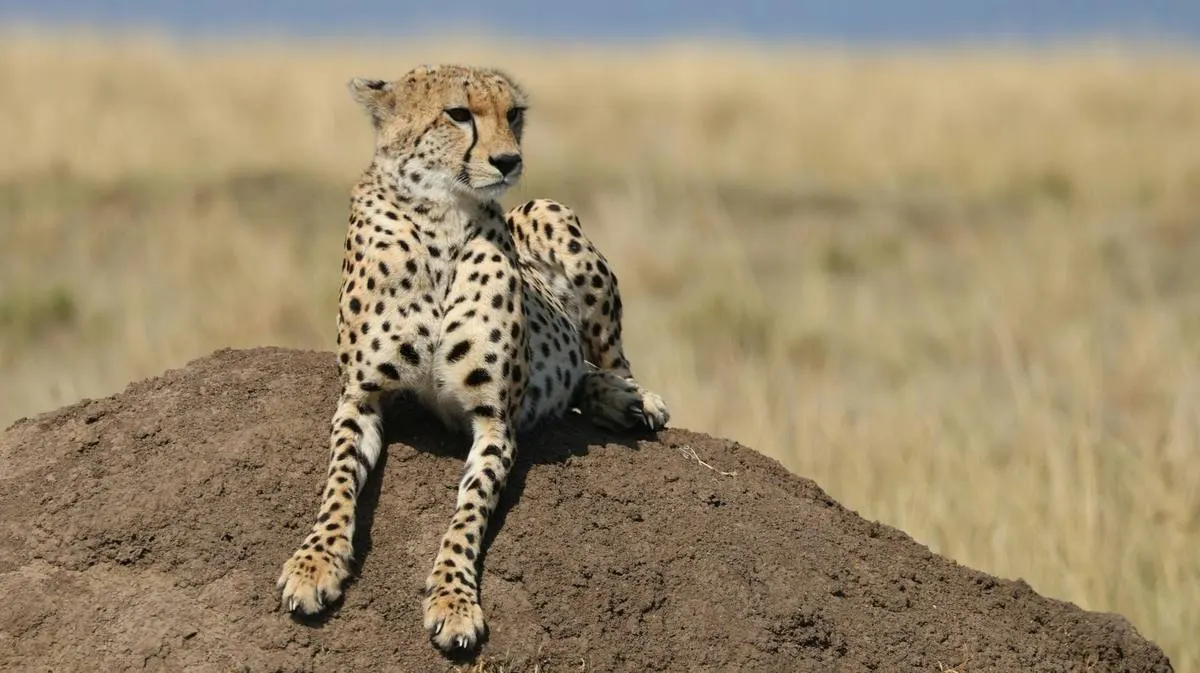
Cheetah
The Fastest Animal on Land
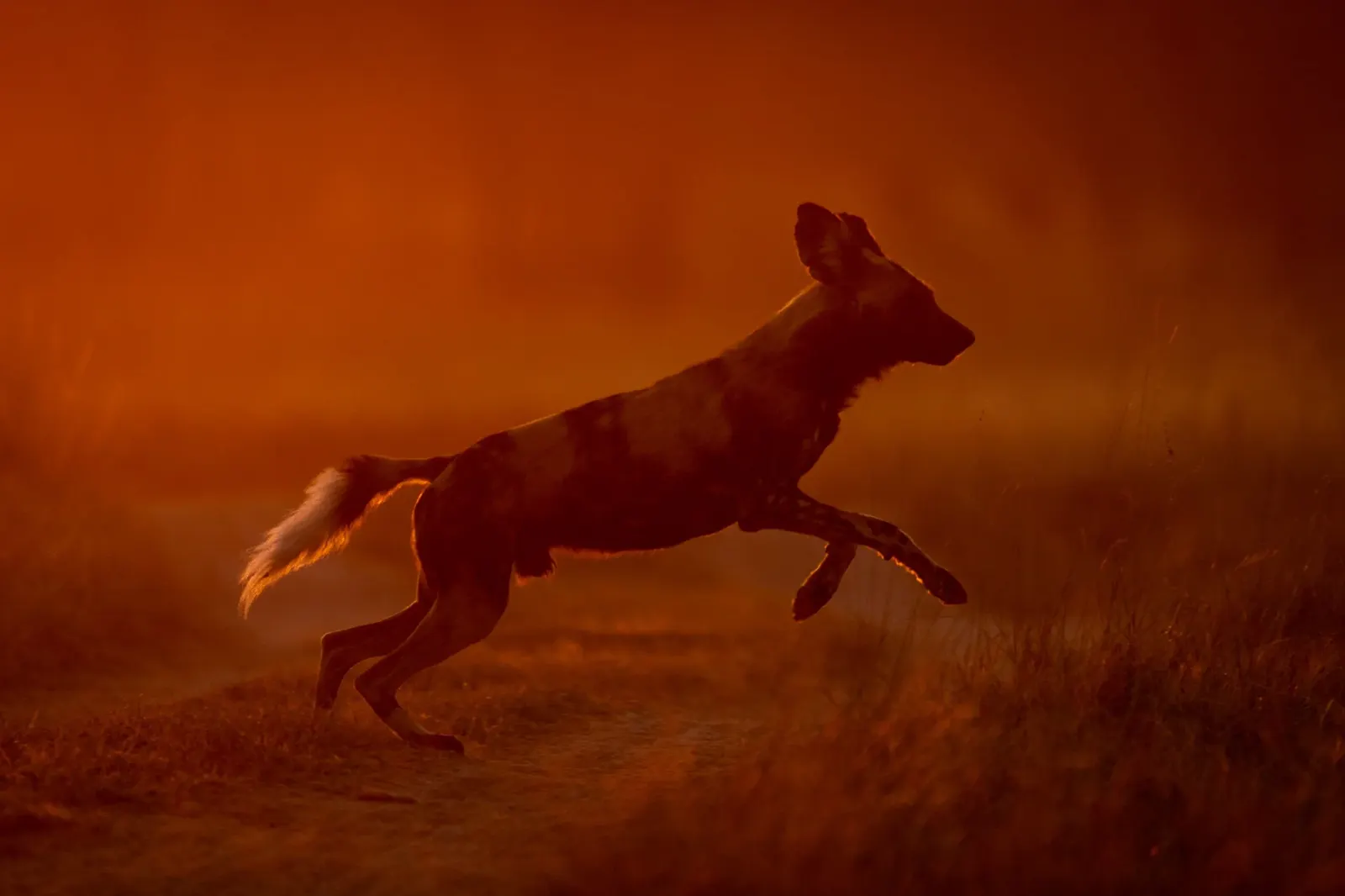
African Wild Dog
Africa's Most Efficient Predator
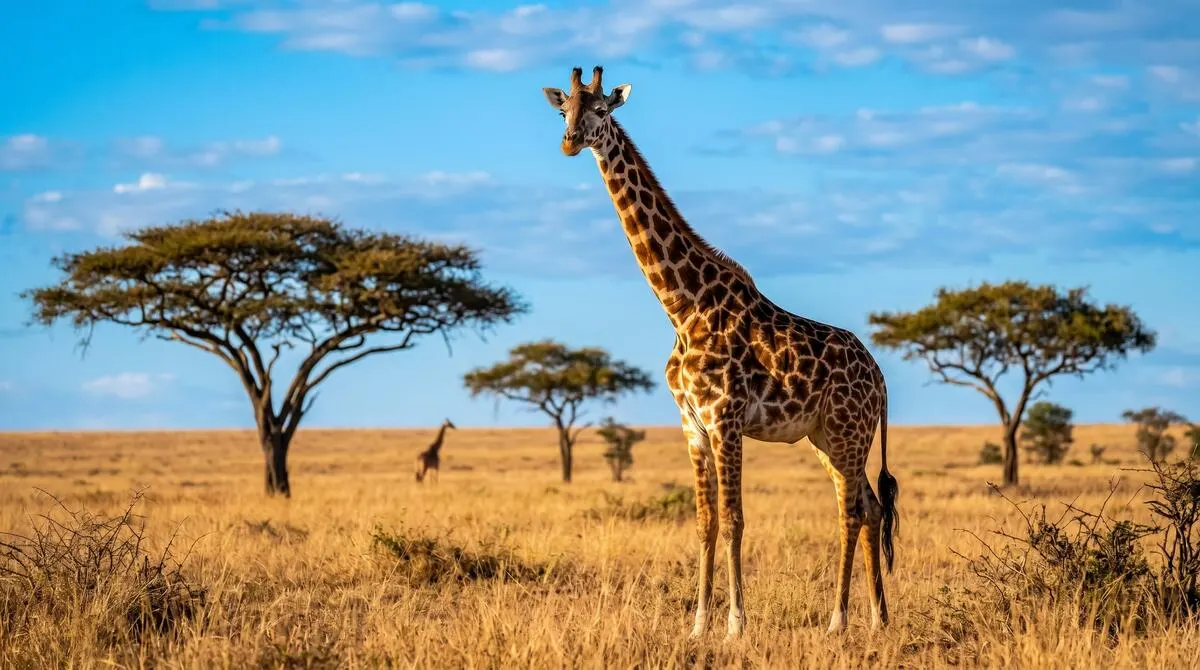
South African Giraffe
The Tallest Animal on Earth
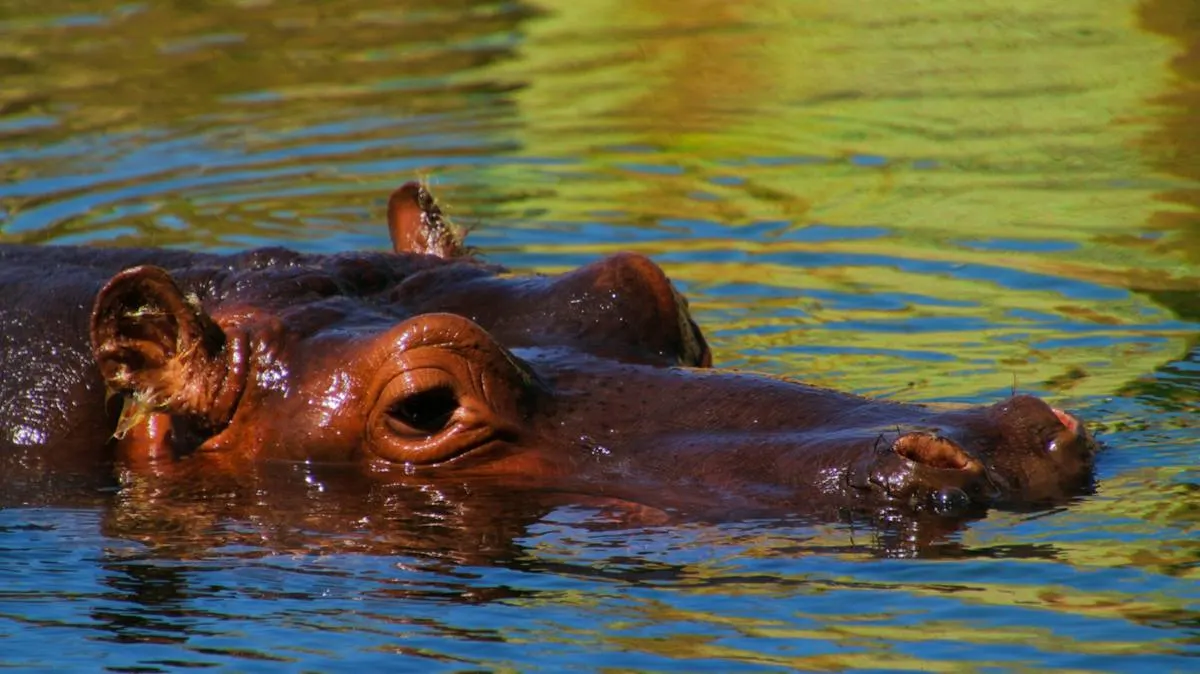
Hippopotamus
River Horse of Africa