
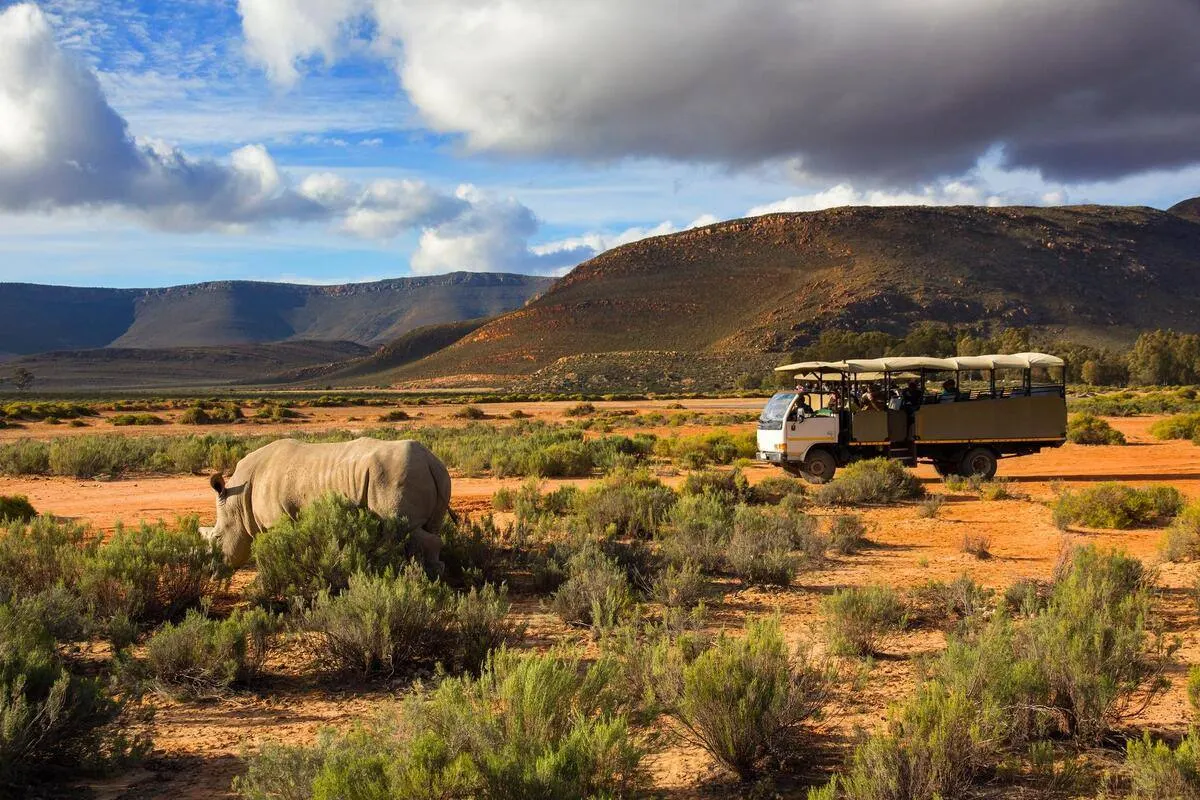
White Rhinoceros
Ceratotherium simum
Guardians of the Grassland
Habitat
Open grasslands and savanna with water access
Diet
Herbivore
Lifespan
40–50 years
Weight
1,800–2,500 kg
About the White Rhinoceros
The white rhino is the larger of Africa's two rhino species, weighing up to 2,300 kg. Despite their name, "white" is a mistranslation of the Dutch "wijd" (wide), referring to their broad, square-lipped mouth designed for grazing. They are more social than black rhinos, often seen in small groups called "crashes."
South Africa is the global stronghold for white rhinos, hosting approximately 80% of the world's population. The country's anti-poaching efforts are intense — rhino horn is more valuable than gold on the black market, driving a poaching crisis that kills over 400 rhinos annually. Reserves like Sabi Sands, Kruger, and Pilanesberg invest heavily in armed rangers, aerial surveillance, and K9 units.
Habitat & Diet
Habitat
Open grasslands and savanna with water access
Diet
Herbivore — short grasses (grazer)
Lifespan
40–50 years
Weight
1,800–2,500 kg
Social Behaviour
White rhinos are the most social of all rhinoceros species. Females and their calves often form small groups called "crashes," and sub-adult females may stay together for companionship. Dominant bulls are territorial, marking boundaries with dung middens and urine spraying, and will confront intruders with dramatic horn displays. Despite their fearsome appearance, white rhinos are generally placid grazers.
Population
Approximately 15,942 Southern white rhinos globally; South Africa holds roughly 80% of the world's population
Where to See White Rhinoceros on Safari
Kruger National Park
Pilanesberg
Hluhluwe-iMfolozi
Waterberg
Best Time to Visit
Year-round — rhinos are resident and do not migrate. Early morning and late afternoon drives offer the best light for photography. The dry season (May–September) slightly improves visibility in bushy areas.
Fascinating Facts About White Rhinoceros
Rhino horn is made of keratin — the same protein as human fingernails
Despite poor eyesight, rhinos have excellent hearing and sense of smell
A group of rhinos is called a "crash"
White rhinos can run at speeds up to 40 km/h despite their massive size
Photography Tips: Capturing the White Rhinoceros
Get low if possible — ground-level shots of rhinos are incredibly powerful and convey their massive presence
Capture the texture of rhino skin in raking side-light during golden hour
Look for mother-and-calf interactions — the tender side of these armoured giants makes compelling imagery
Use a wide-angle lens when rhinos approach closely to show scale against the landscape
Black-and-white conversions suit rhino portraits beautifully, emphasising texture and form
Where to Stay to See White Rhinoceros
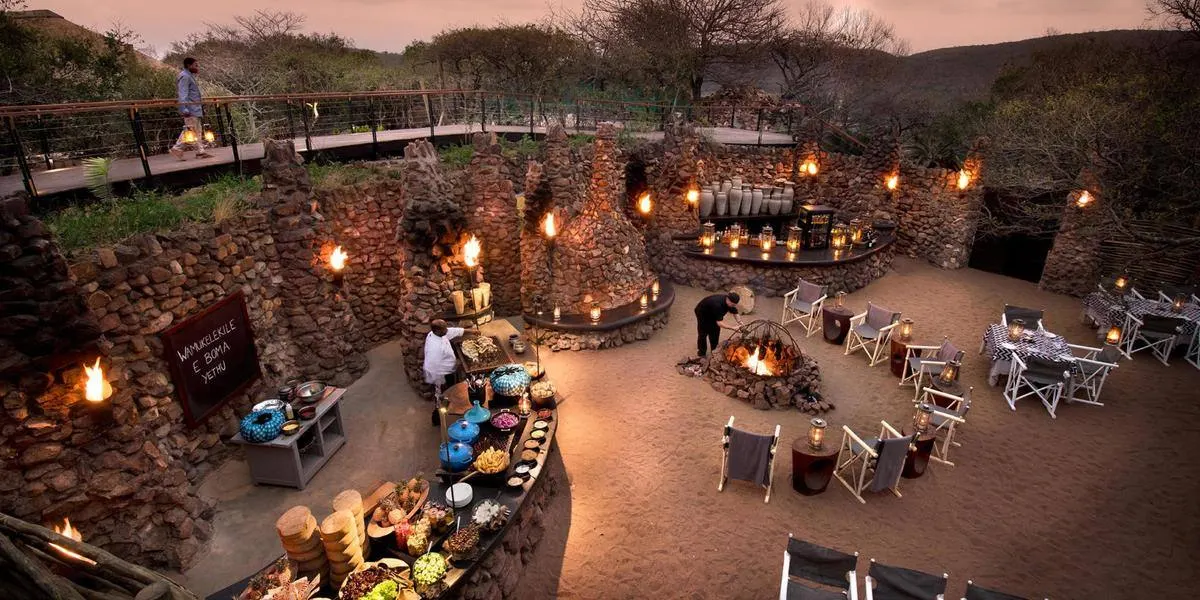
Phinda Private Game Reserve
One of the world's leading rhino conservation reserves with exceptional sighting rates and a focus on anti-poaching innovation.
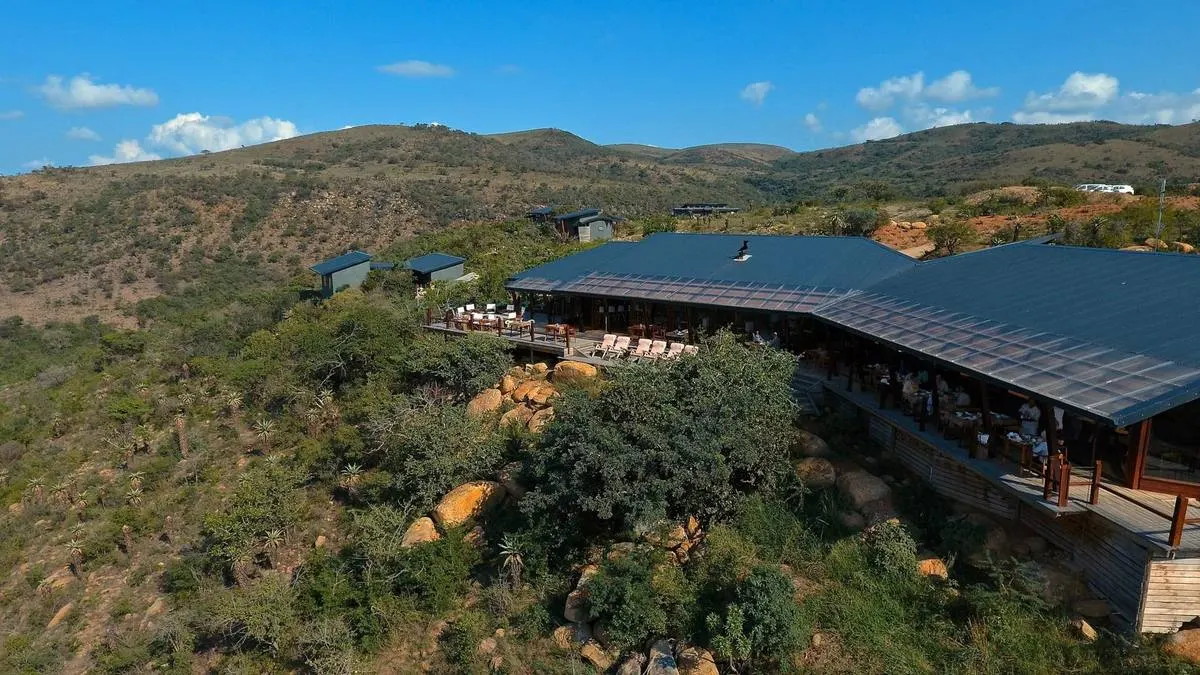
Hluhluwe-iMfolozi
The birthplace of rhino conservation — Operation Rhino saved the species from extinction here in the 1960s. Still one of the best places on Earth to see both black and white rhino.
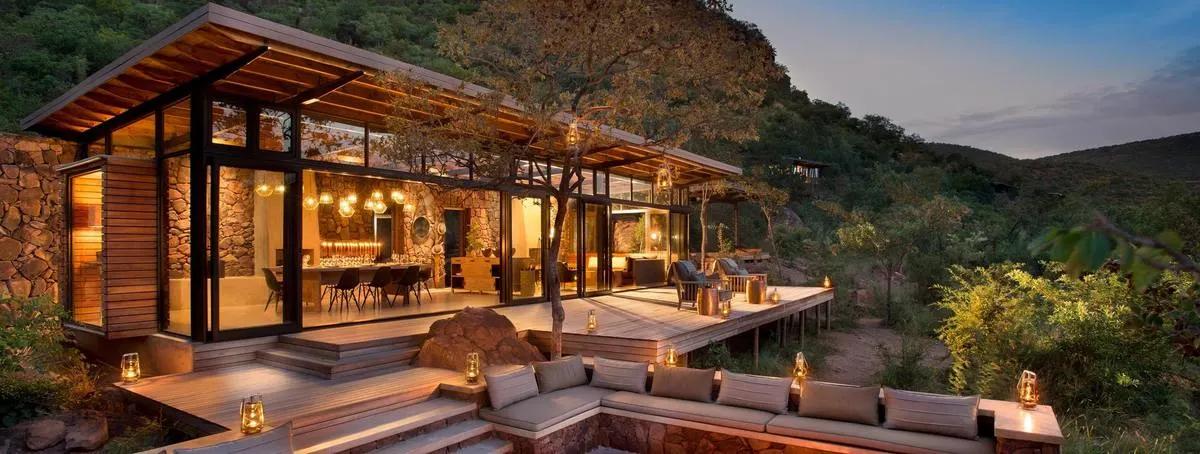
Marataba Safari Lodge
A stunning luxury lodge in the Marakele National Park with excellent rhino viewing in a dramatic Waterberg mountain setting.
White Rhinoceros Conservation
Threats
Poaching for rhino horn driven by demand from Asian markets
Habitat loss and fragmentation
Inbreeding depression in small, isolated populations
Climate change affecting grassland habitats
Conservation Efforts
South Africa's rhino conservation story is both inspiring and heartbreaking. Operation Rhino at Hluhluwe-iMfolozi in the 1960s saved the white rhino from extinction (fewer than 50 individuals). Today, intensive anti-poaching operations include helicopter patrols, K9 tracking units, drone surveillance, and de-horning programs. Organizations like the Rhino Protection Programme, WWF-SA, and SANParks deploy military-grade technology and ranger teams to protect remaining populations.
Frequently Asked Questions About White Rhinoceros
The names have nothing to do with colour — both are grey. "White" is likely a mistranslation of the Dutch word "wijd" (wide), referring to the white rhino's broad, flat lip adapted for grazing grass. Black rhinos have a pointed, hook-shaped lip for browsing shrubs and trees. White rhinos are larger (up to 2,300 kg vs 1,400 kg), more social, and graze in open grasslands, while black rhinos are solitary browsers in dense bush.
Safari Packages to See White Rhinoceros
Multi-day, all-inclusive safari packages that include the best white rhinoceros viewing destinations.
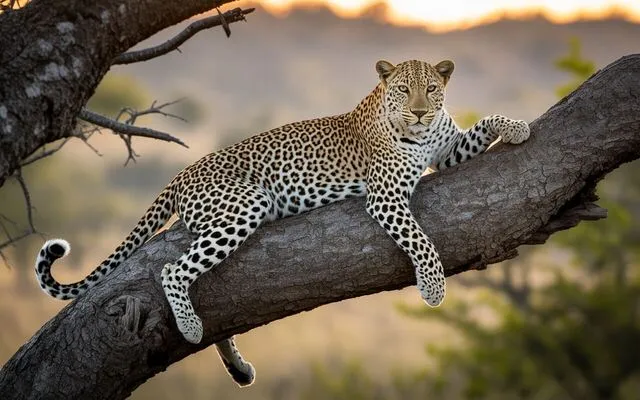
Classic Kruger & Sabi Sands Fly-In Safari — Big Five Guaranteed
Johannesburg, Sabi Sands Game Reserve
From $3,490
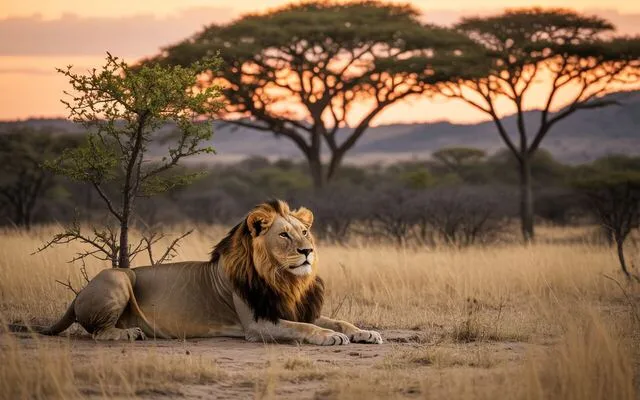
Family Kruger & Victoria Falls — Kid-Friendly Big Five Adventure
Johannesburg, Greater Kruger
From $4,490
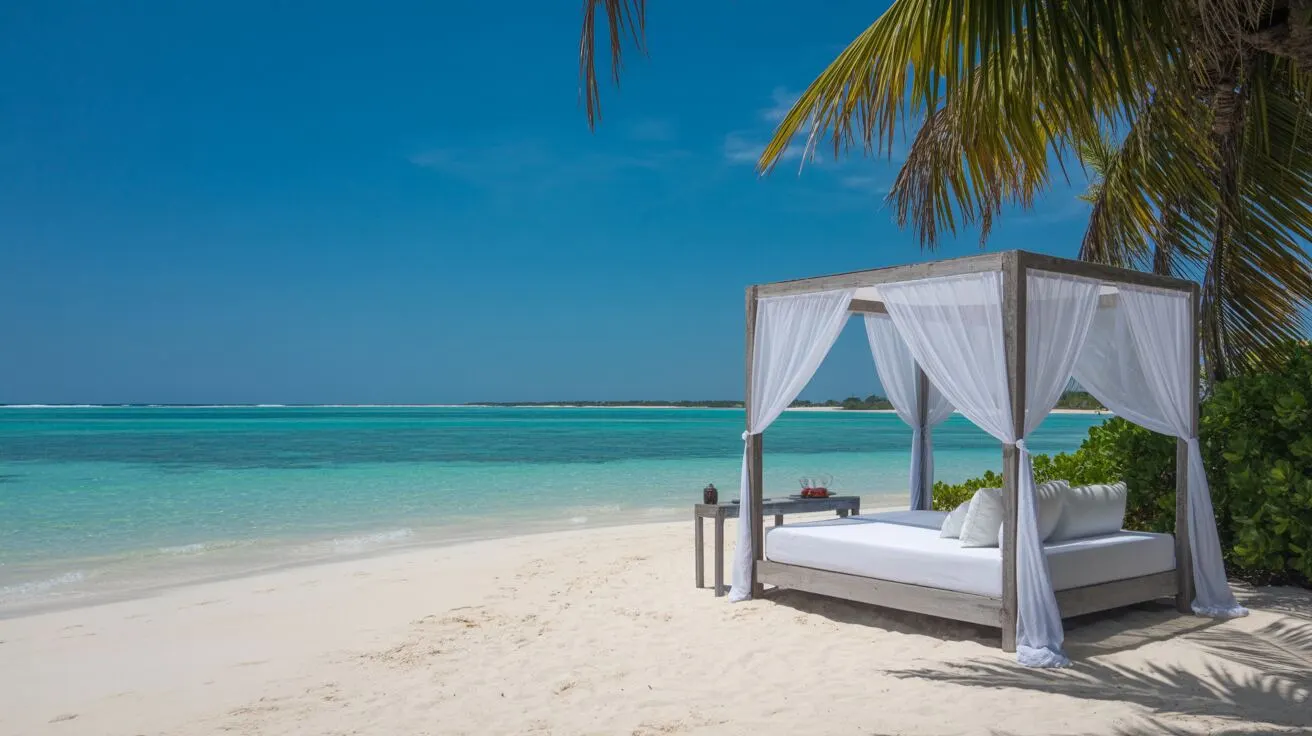
Kruger & Mozambique Beach Honeymoon — Big Five Meets Indian Ocean
Greater Kruger, Sabi Sands
From $5,997
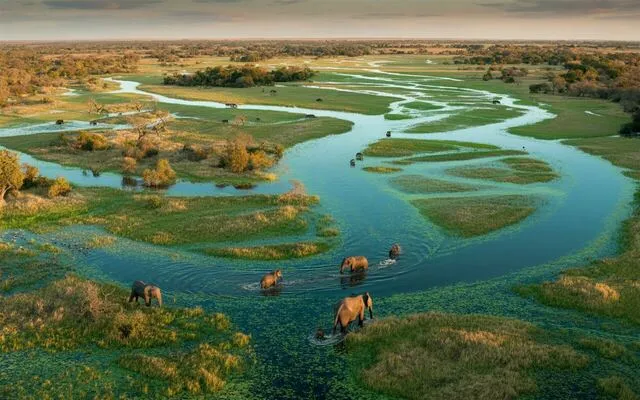
Coast to Delta — Cape Town, Kruger, Vic Falls & Okavango Expedition
Cape Town, Sabi Sands
From $8,990
Ready to See White Rhinoceros in the Wild?
Our expert safari consultants will craft your perfect white rhinoceros encounter — from choosing the ideal reserve to selecting the best season and lodge.
Plan Your White Rhinoceros Safari
Safari Experiences
Big Five game drives, walking safaris & more
Safari Lodges
Luxury accommodation in prime wildlife areas
Destinations
Kruger, Sabi Sands, Masai Mara & beyond
Best Time to Visit
Plan your trip around peak wildlife seasons
Safari Costs
Honest pricing guide for every budget
Conservation
How your safari protects African wildlife
Explore More African Wildlife
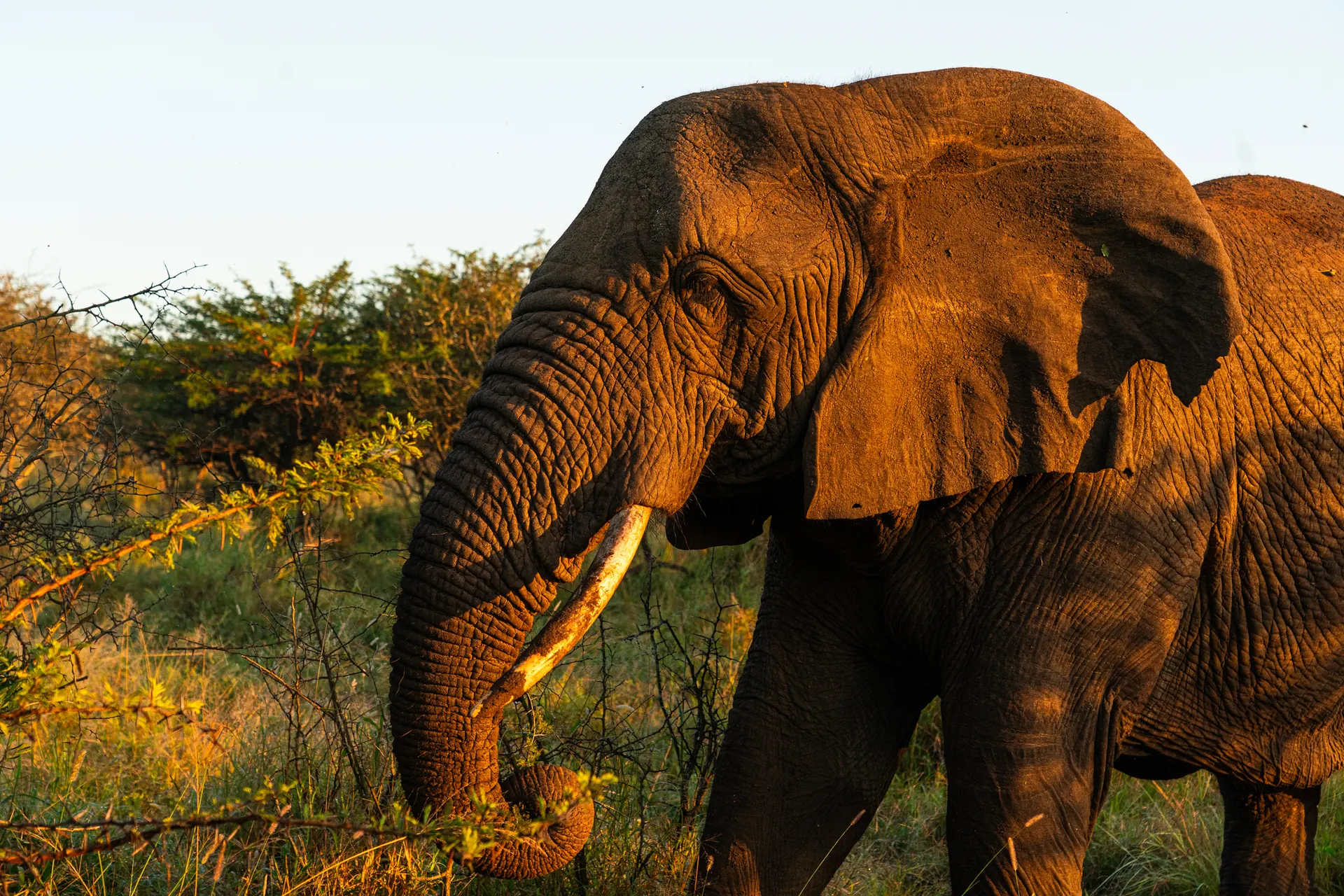
African Elephant
The Gentle Giants of the African Bush
African Lion
The King of the African Savanna
African Leopard
The Elusive Ghost of the Bush
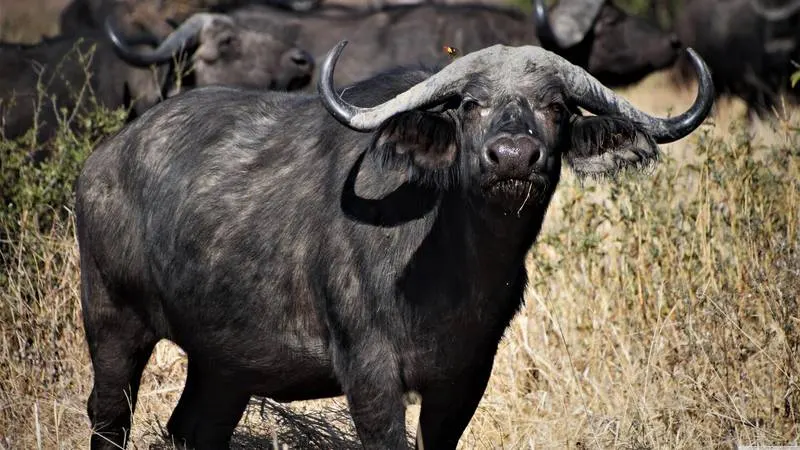
Cape Buffalo
Africa's Most Dangerous Bovine
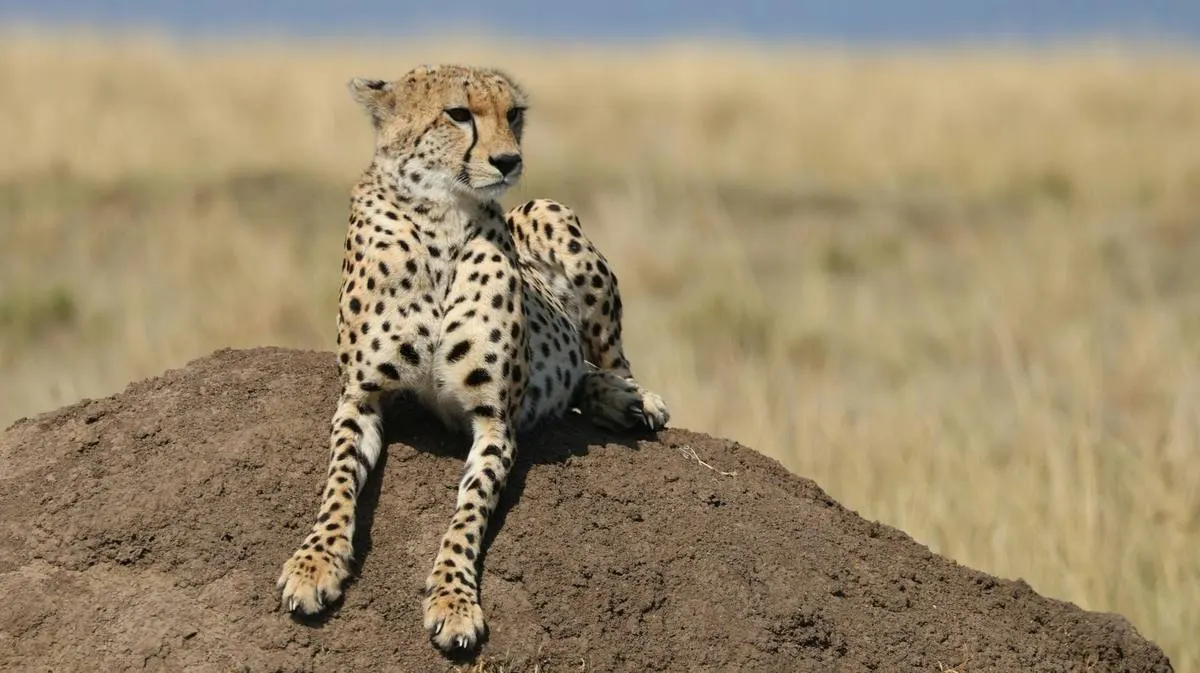
Cheetah
The Fastest Animal on Land
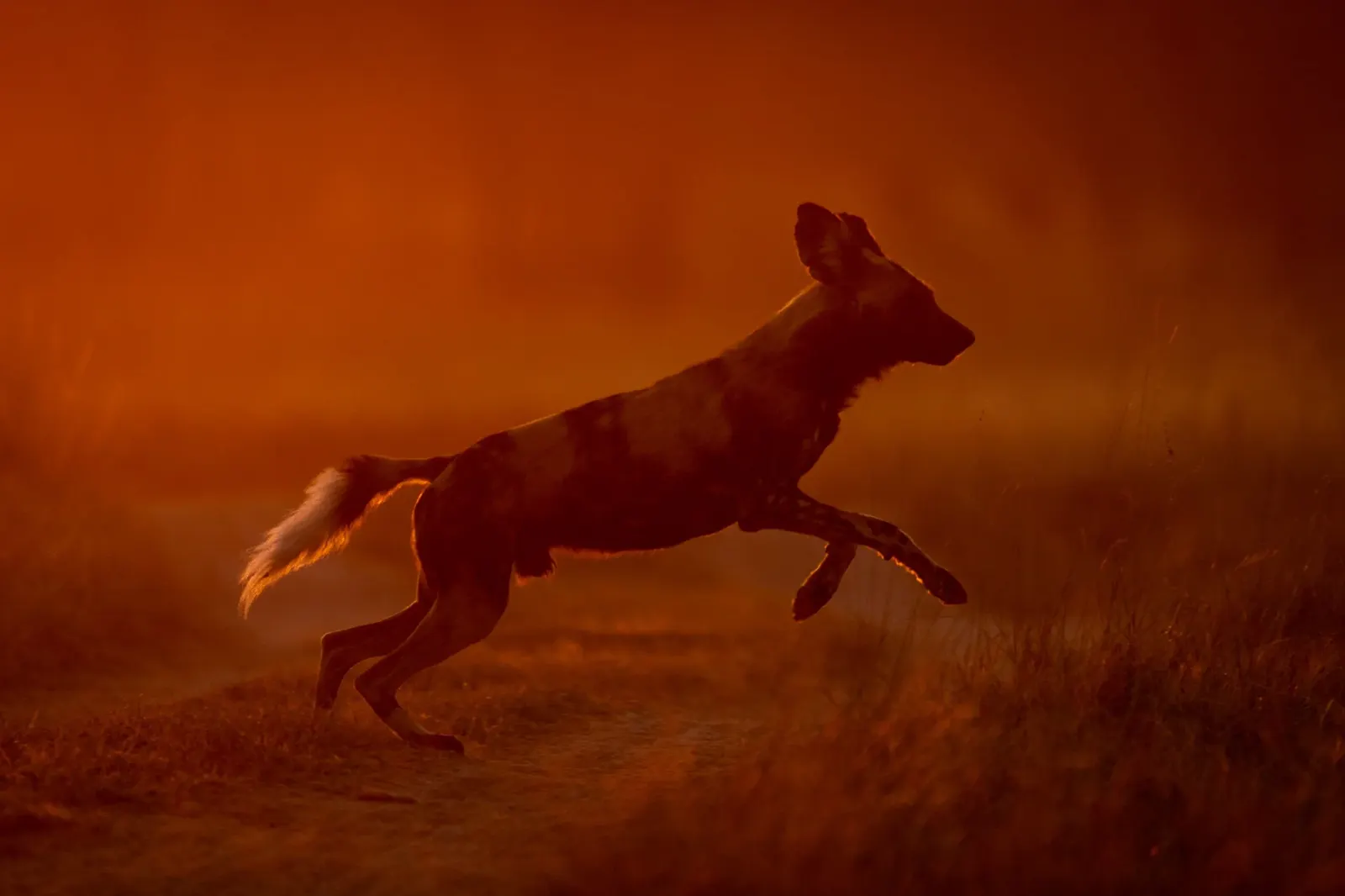
African Wild Dog
Africa's Most Efficient Predator
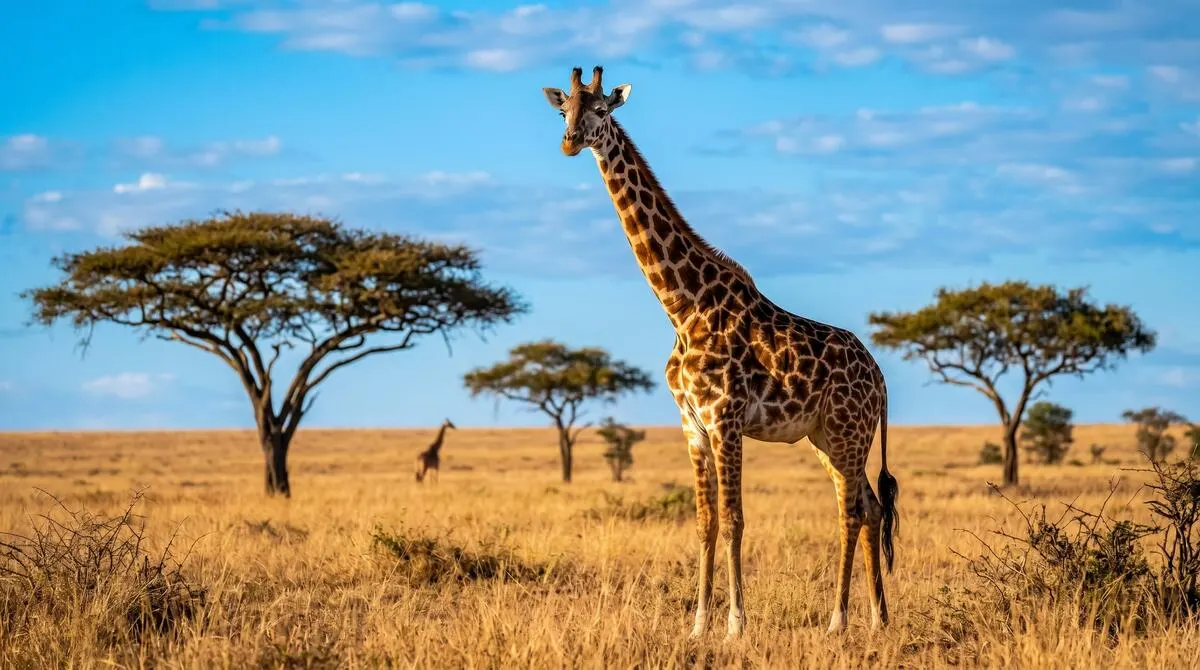
South African Giraffe
The Tallest Animal on Earth
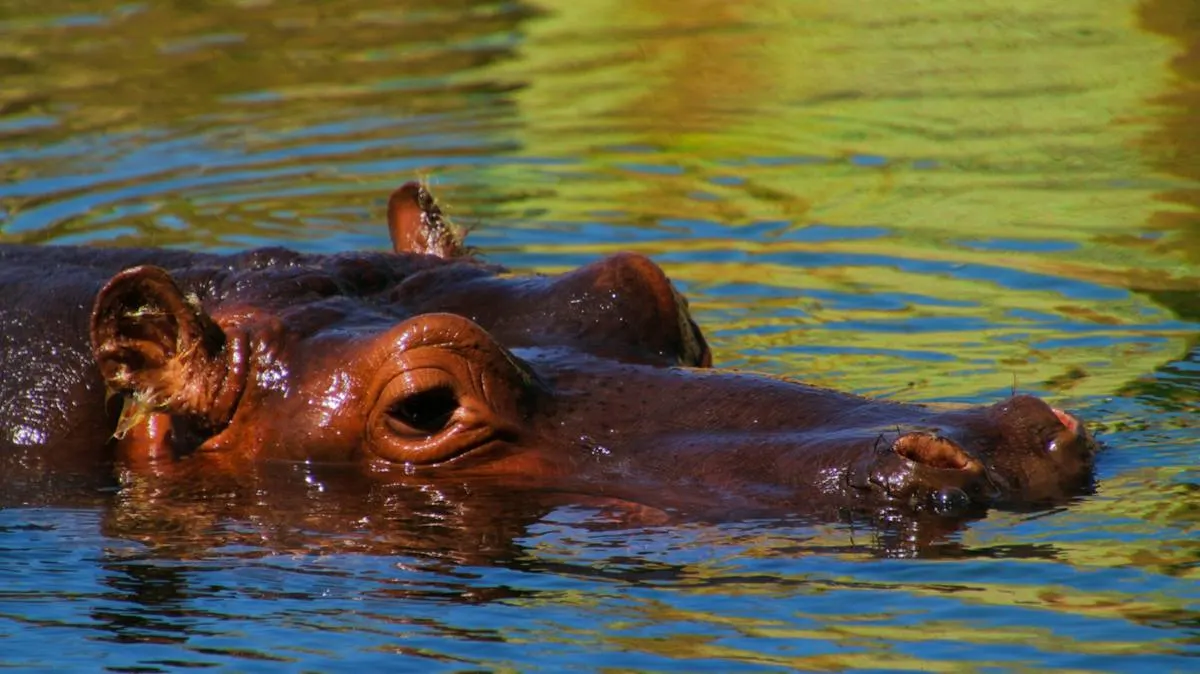
Hippopotamus
River Horse of Africa