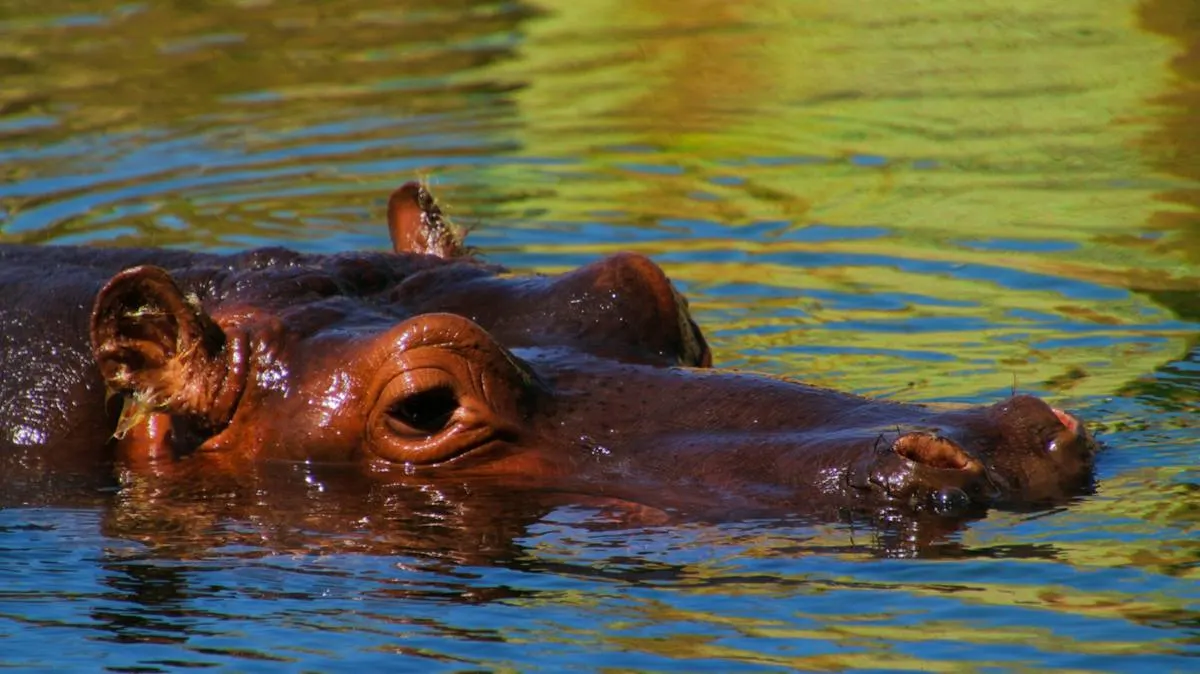
Hippopotamus amphibius
River Horse of Africa
Habitat
Rivers, lakes, and swamps near grasslands
Diet
Herbivore
Lifespan
40–50 years
Weight
1,500 1,800 kg
The hippopotamus is one of Africa's most dangerous animals, responsible for more human deaths than any other large animal on the continent. Despite their rotund, docile appearance, hippos are highly aggressive and territorial, capable of running at 30 km/h on land and opening their jaws to a terrifying 150 degrees.
Hippos spend up to 16 hours daily submerged in rivers and dams, emerging at night to graze on up to 35 kg of grass. In Kruger, the Sabie and Olifants Rivers are prime hippo territory, while Pilanesberg's Mankwe Dam supports a resident pod.
Habitat
Rivers, lakes, and swamps near grasslands
Diet
Herbivore — short grasses (grazes at night)
Lifespan
40–50 years
Weight
1,500 1,800 kg (males), 1,300 1,500 kg (females)
Hippos are semi-social, living in groups of 10–30 called "bloats" dominated by a single territorial bull. Despite their rotund appearance, hippos are fiercely territorial and aggressive — they are responsible for more human deaths in Africa than any other large animal. Territorial bulls display dominance by opening their enormous jaws in a threat display, scattering dung with their tails, and engaging in vicious fights with 50 cm canine teeth.
Population
Approximately 115,000–130,000 across sub-Saharan Africa; 3,000–5,000 in Kruger National Park
Kruger National Park
Pilanesberg
iSimangaliso
St Lucia
Year-round — hippos are resident in rivers and lakes. Dry season (May–September) concentrates them in shrinking water sources. Early morning is best to see them emerging from water to graze. Night drives may catch them on land feeding.
Hippos secrete a red oily substance that acts as sunscreen and antibiotic
They cannot actually swim — they walk or bounce along the bottom of rivers
A hippo can hold its breath for up to 5 minutes underwater
Their closest living relatives are whales and dolphins
Capture the dramatic yawning threat display — those massive jaws with tusk-like canines are extraordinary
Shoot at water level when hippos surface to breathe — just eyes, ears, and nostrils above the waterline creates mysterious portraits
Sunset shots with hippo silhouettes in golden water are quintessential African imagery
Photograph hippos emerging from water at dusk — the transition from aquatic to terrestrial reveals their surprising bulk
Baby hippos learning to swim alongside their mothers provide tender contrast to the species' aggressive reputation
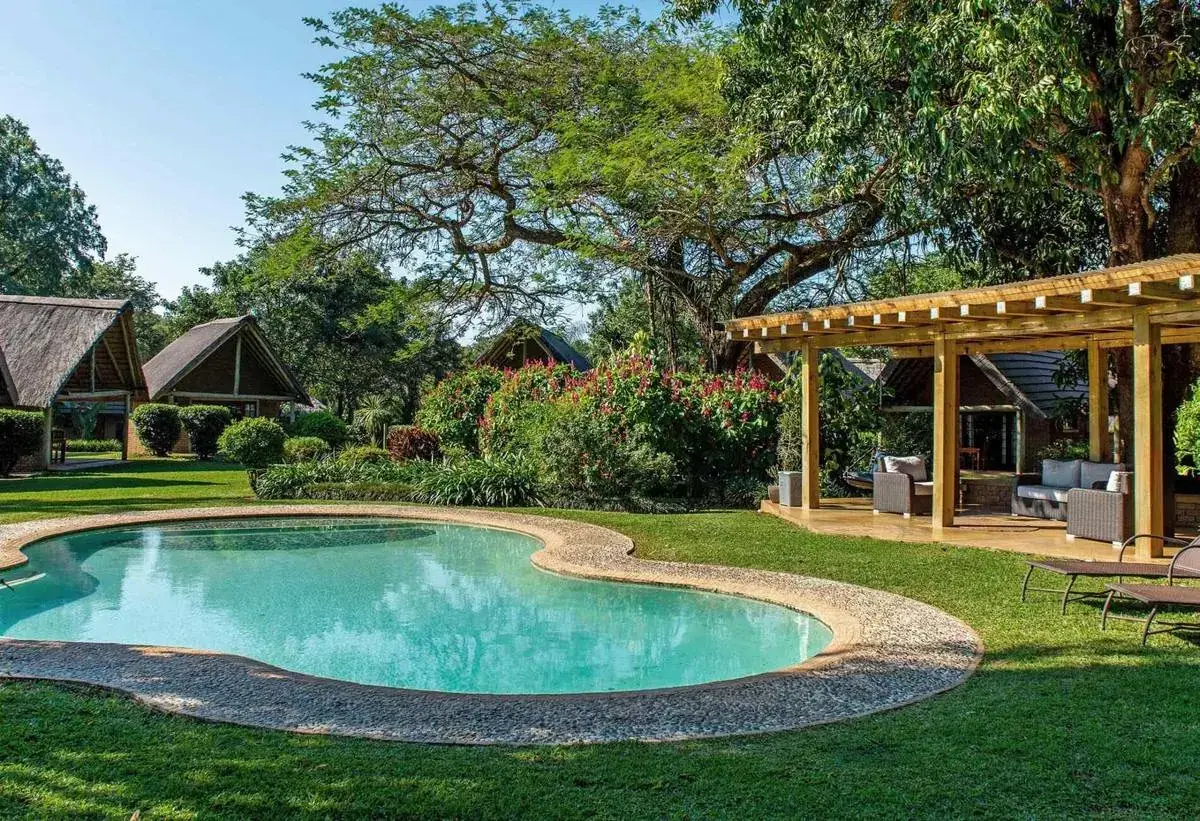
Gateway lodge to Kruger's Phabeni Gate with resident hippos in the Sabie River flowing through the property grounds.
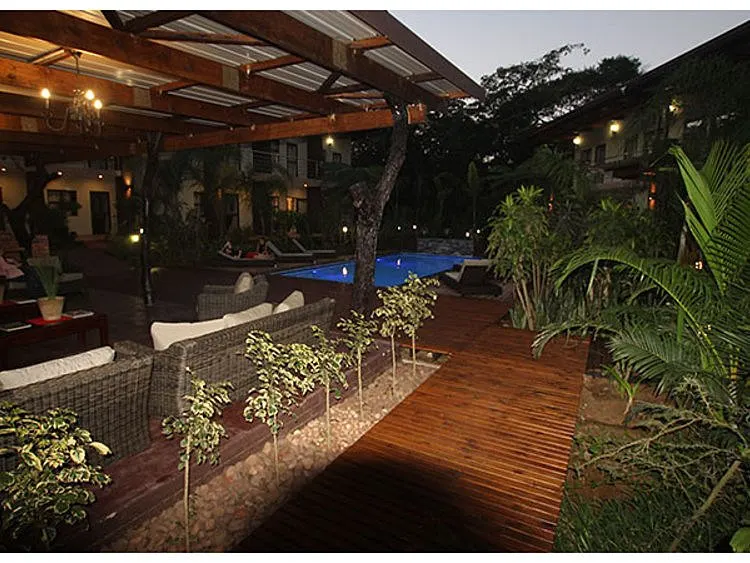
A UNESCO World Heritage Site with the densest hippo population in South Africa — St Lucia estuary is legendary for hippo sightings.
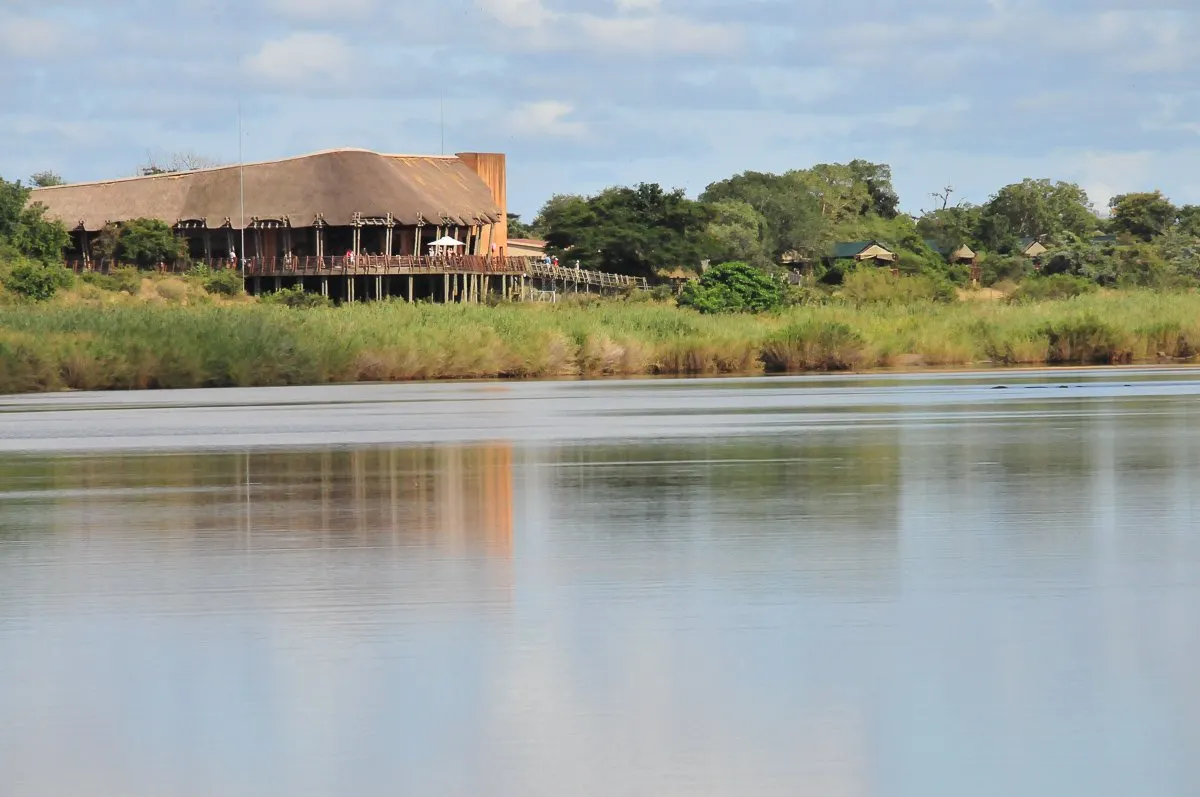
Positioned on the Sabie River in Kruger — large pods of hippos are visible directly from the camp deck and restaurant.
Habitat loss as wetlands are drained for agriculture
Unregulated hunting for meat and ivory-like teeth
Water pollution and diversion affecting river habitats
Climate change intensifying droughts and reducing water availability
Hippo conservation in South Africa is centred on protecting wetland habitats. The iSimangaliso Wetland Park, a UNESCO World Heritage Site, safeguards one of the country's most important hippo populations. Kruger National Park's river management programmes maintain water flow and quality to support hippo populations. Research programmes using GPS tracking and acoustic monitoring help scientists understand hippo movements and population dynamics.
Yes, hippos are widely considered the most dangerous large land animal in Africa, responsible for an estimated 500 human deaths per year — more than lions, elephants, or crocodiles. Their aggression stems from extreme territoriality in water and an unpredictable temperament on land. Despite their bulk (up to 2,000 kg), they can run at 30 km/h and have been known to capsize boats.
Multi-day, all-inclusive safari packages that include the best hippopotamus viewing destinations.
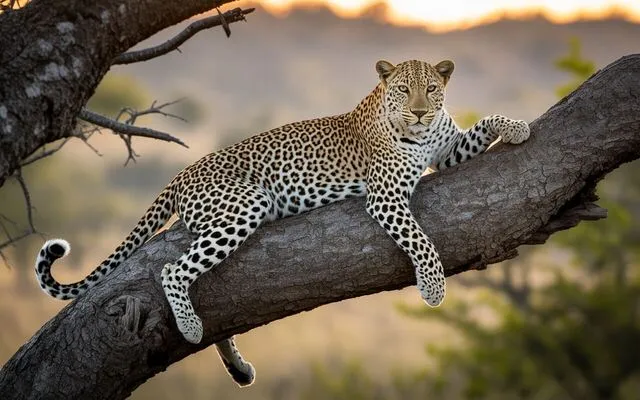
Johannesburg, Sabi Sands Game Reserve
From $3,490
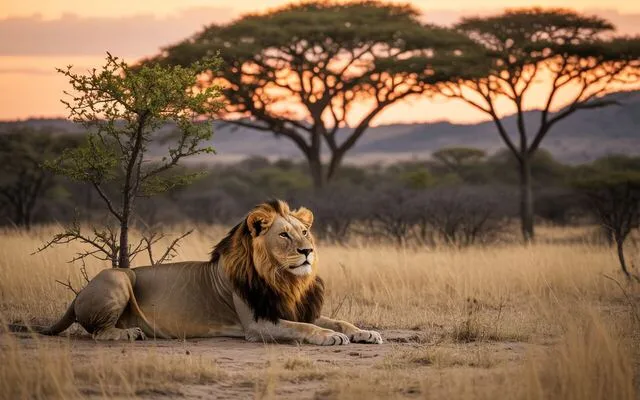
Johannesburg, Greater Kruger
From $4,490
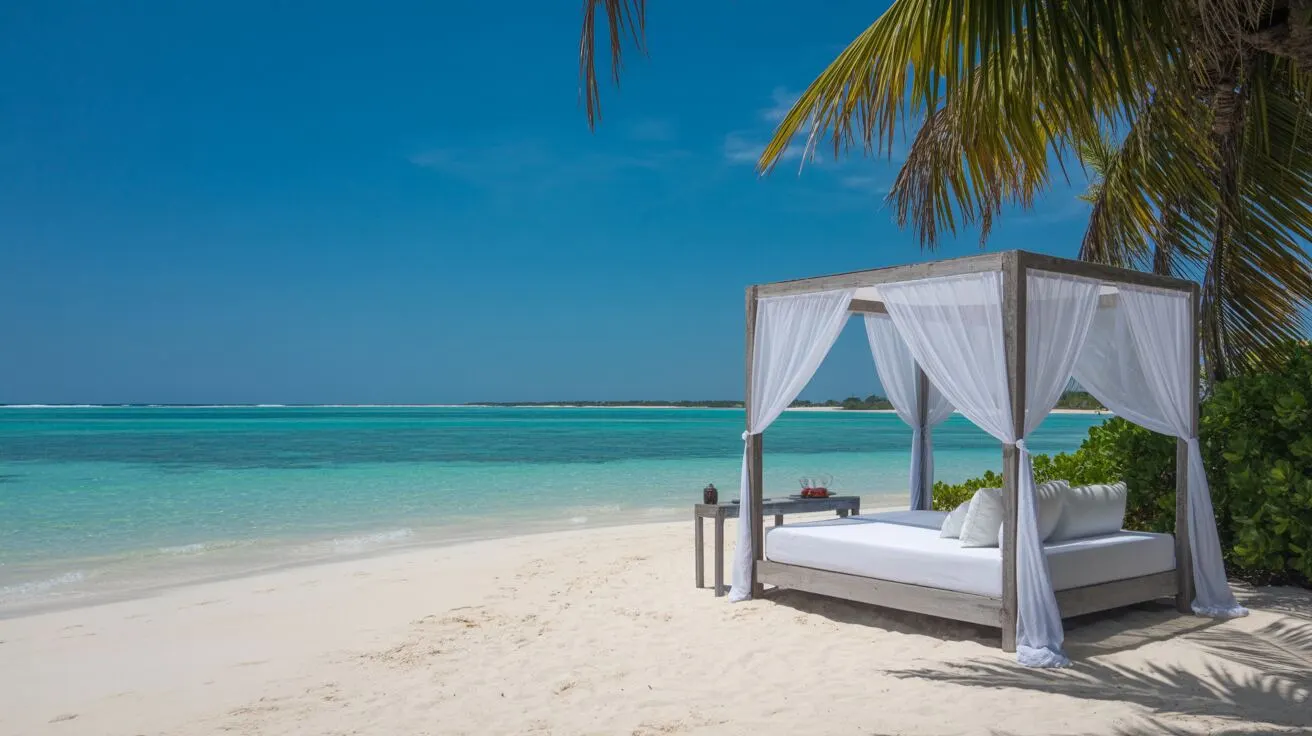
Greater Kruger, Sabi Sands
From $5,997
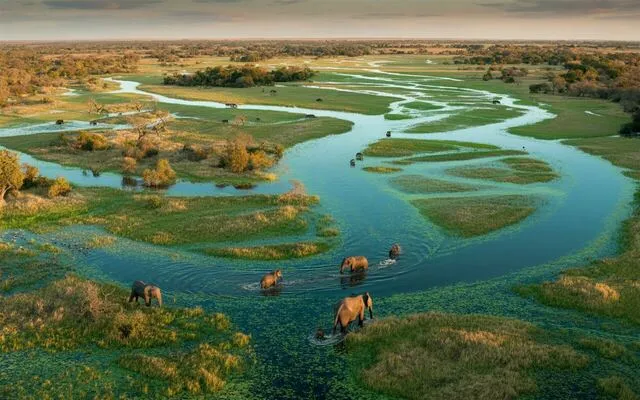
Cape Town, Sabi Sands
From $8,990
Our expert safari consultants will craft your perfect hippopotamus encounter — from choosing the ideal reserve to selecting the best season and lodge.
Big Five game drives, walking safaris & more
Luxury accommodation in prime wildlife areas
Kruger, Sabi Sands, Masai Mara & beyond
Plan your trip around peak wildlife seasons
Honest pricing guide for every budget
How your safari protects African wildlife
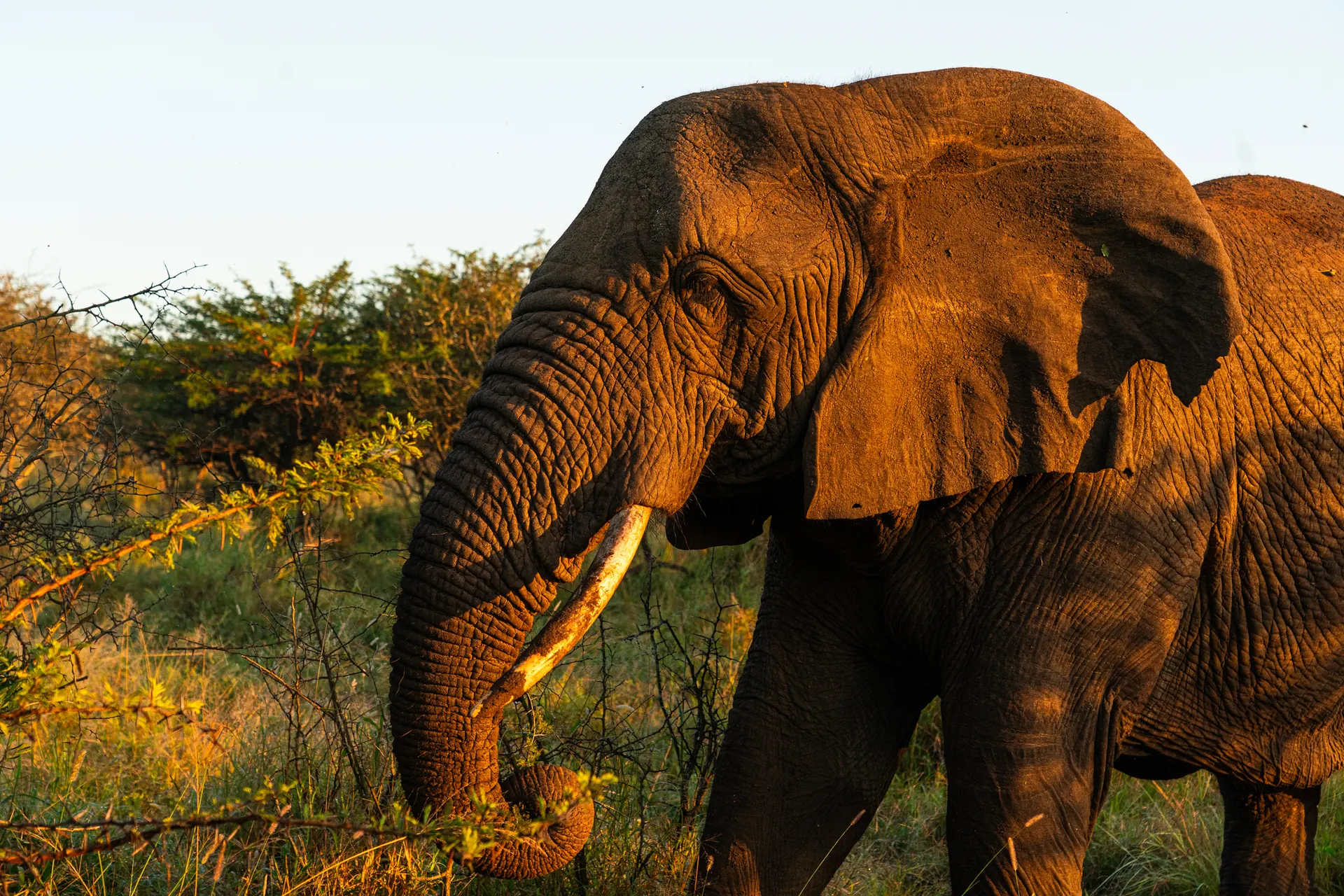
African Elephant
The Gentle Giants of the African Bush
African Lion
The King of the African Savanna
African Leopard
The Elusive Ghost of the Bush
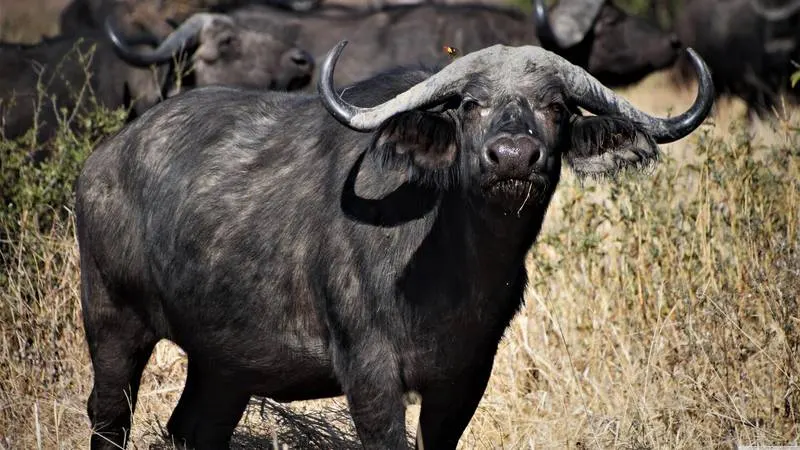
Cape Buffalo
Africa's Most Dangerous Bovine
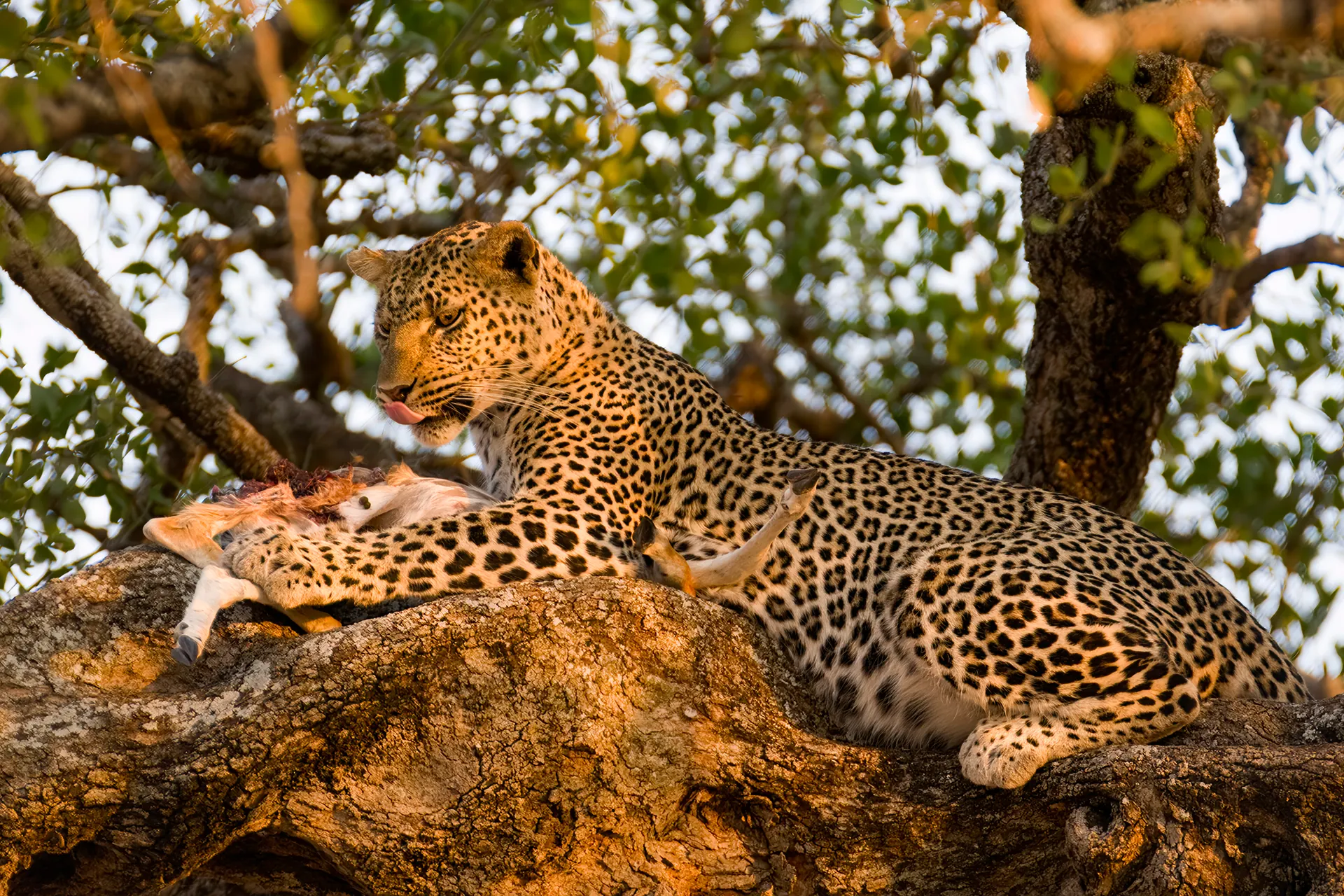
White Rhinoceros
Guardians of the Grassland
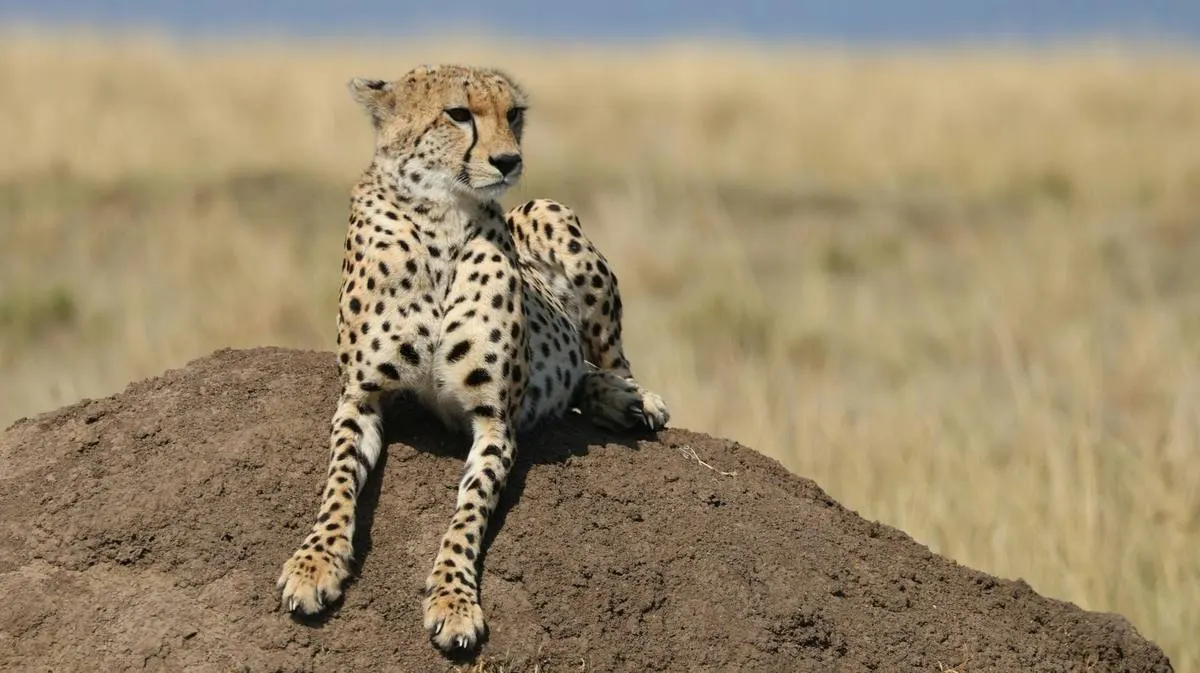
Cheetah
The Fastest Animal on Land
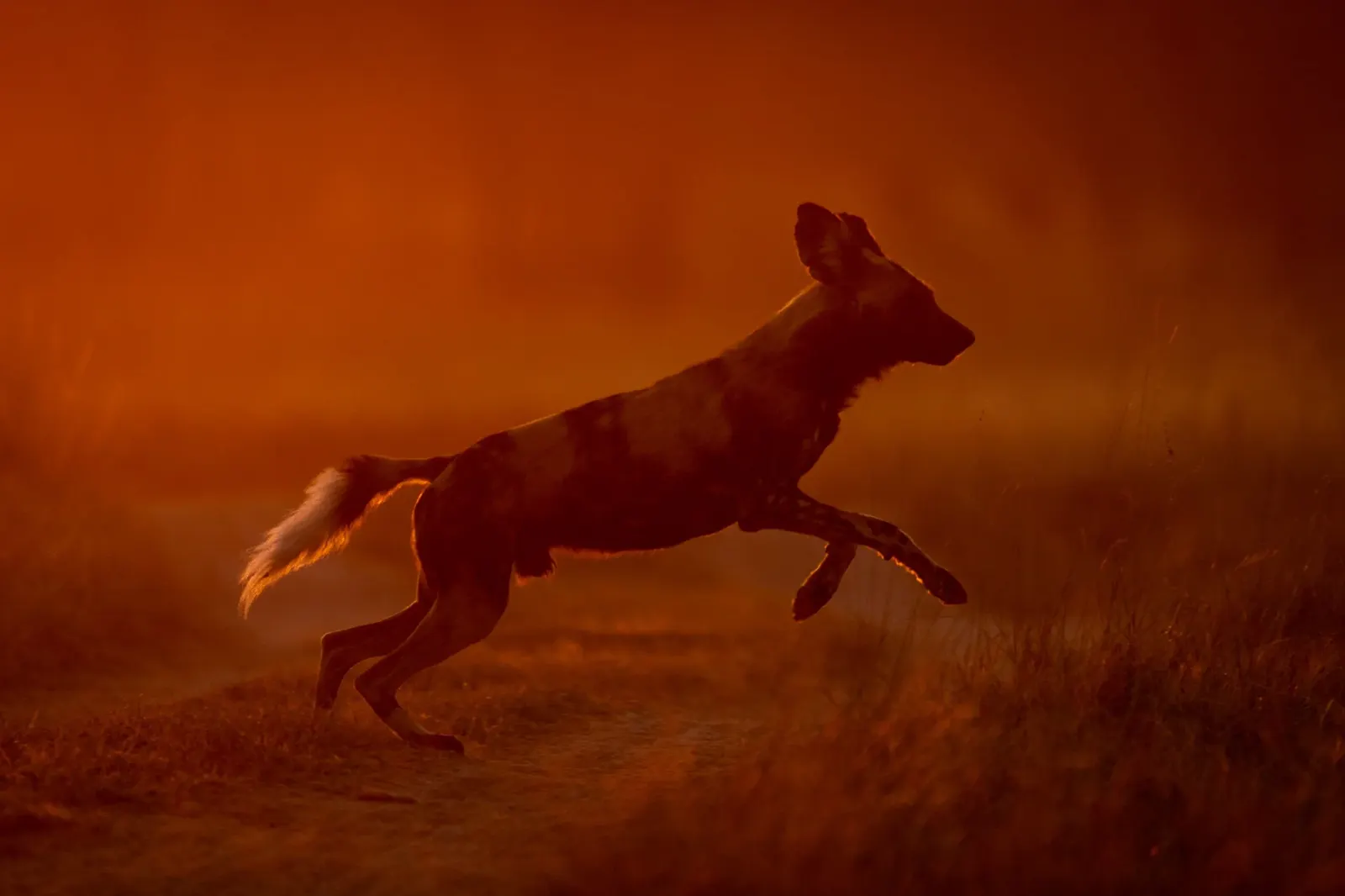
African Wild Dog
Africa's Most Efficient Predator
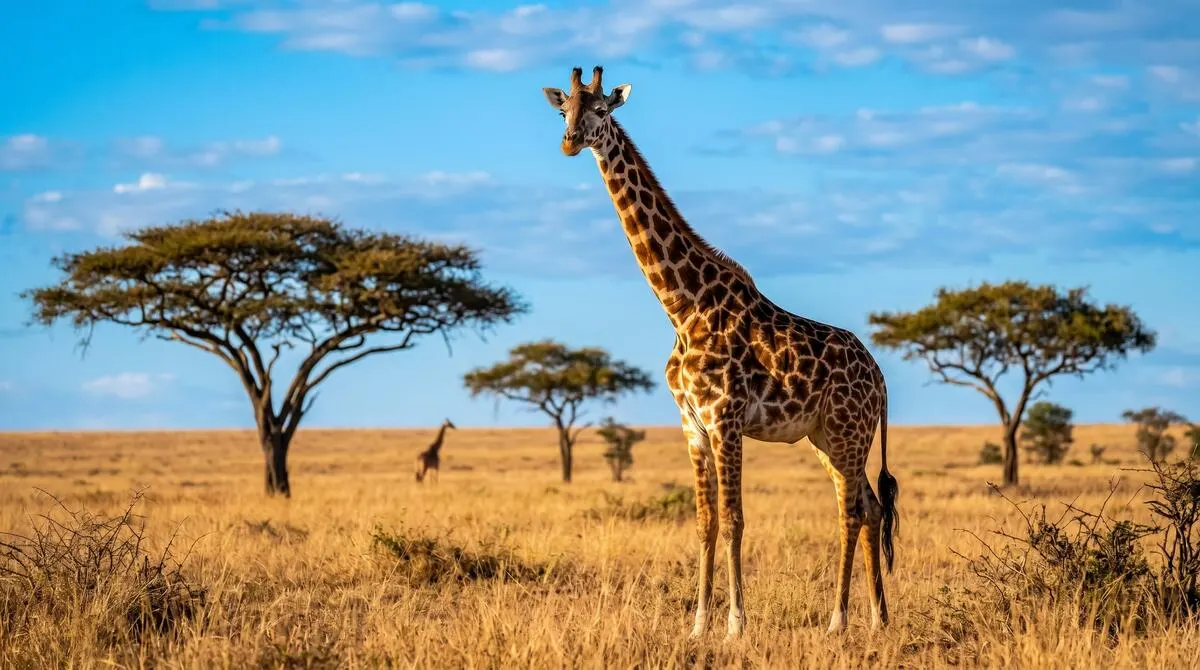
South African Giraffe
The Tallest Animal on Earth