Panthera pardus pardus
The Elusive Ghost of the Bush
Habitat
Extremely adaptable
Diet
Carnivore
Lifespan
12–15 years (wild)
Weight
60–90 kg
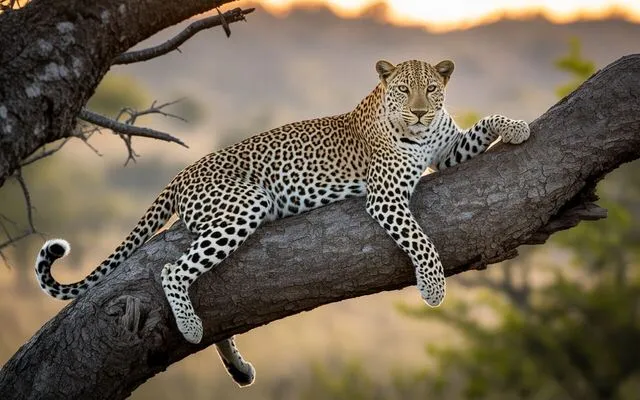
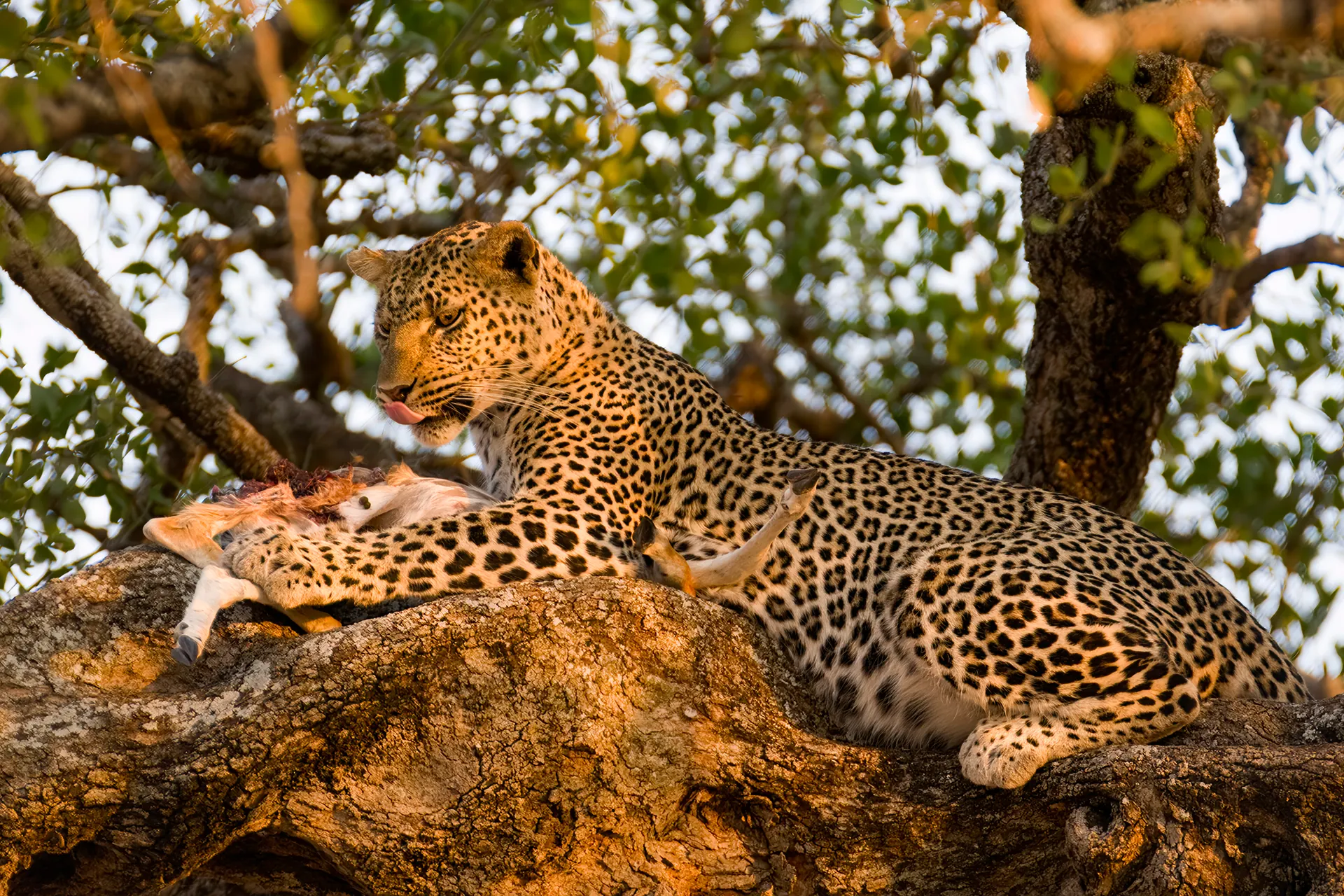
The African leopard is arguably the most beautiful and elusive of the Big Five. Solitary and supremely adaptable, leopards are masters of stealth — their rosette-patterned coats provide perfect camouflage in dappled woodland light. They are powerful enough to hoist prey weighing more than their own body weight into trees, keeping kills safe from lions and hyenas.
Sabi Sands is the undisputed leopard capital of the world, where decades of careful habituation have produced leopards so comfortable around vehicles that guests routinely see them at distances of 5–10 metres. The Londolozi mother-daughter leopard lineage has been documented for over 40 years.
Habitat
Extremely adaptable — forests, mountains, savanna, semi-desert
Diet
Carnivore — impala, bushbuck, monkeys, rodents, and birds
Lifespan
12–15 years (wild)
Weight
60–90 kg (males), 30–60 kg (females)
Leopards are solitary and secretive, meeting others only to mate. Males maintain territories of 30–78 km² that overlap with several smaller female territories. They communicate through distinctive rasping calls, scrape marks, and scent spraying. Leopards are the ultimate adaptable predator, thriving in habitats from dense forest to semi-desert, and even in proximity to human settlements.
Population
Unknown precisely; estimated 4,500+ in Kruger and surrounding reserves. Global population estimated at 250,000–700,000
Sabi Sands
Londolozi
MalaMala
Kruger National Park
May to September (dry season) for optimal visibility. Night drives in the Sabi Sands are legendary for leopard sightings, as these cats are primarily nocturnal hunters.
Leopards can run at speeds up to 58 km/h and leap 6 metres horizontally
They are the most widespread big cat, found across Africa and Asia
Black panthers are actually melanistic leopards — their spots are visible in certain light
Each leopard's spot pattern is unique, like a human fingerprint
Sabi Sands offers the best leopard photography in the world — habituated cats allow incredibly close approach
Use fast glass (f/2.8) and high ISO for the low-light conditions in which leopards are most active
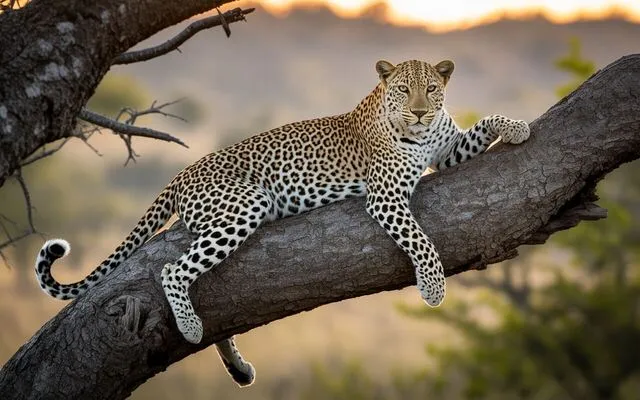
Watch for leopards draped along tree branches — a telephoto shot of a leopard in a marula tree is an iconic image
Be patient at leopard kills hoisted into trees — the cat will return and the scene makes for dramatic photos
Capture the piercing intensity of a leopard's eyes — spot-focus on the nearest eye for tack-sharp portraits
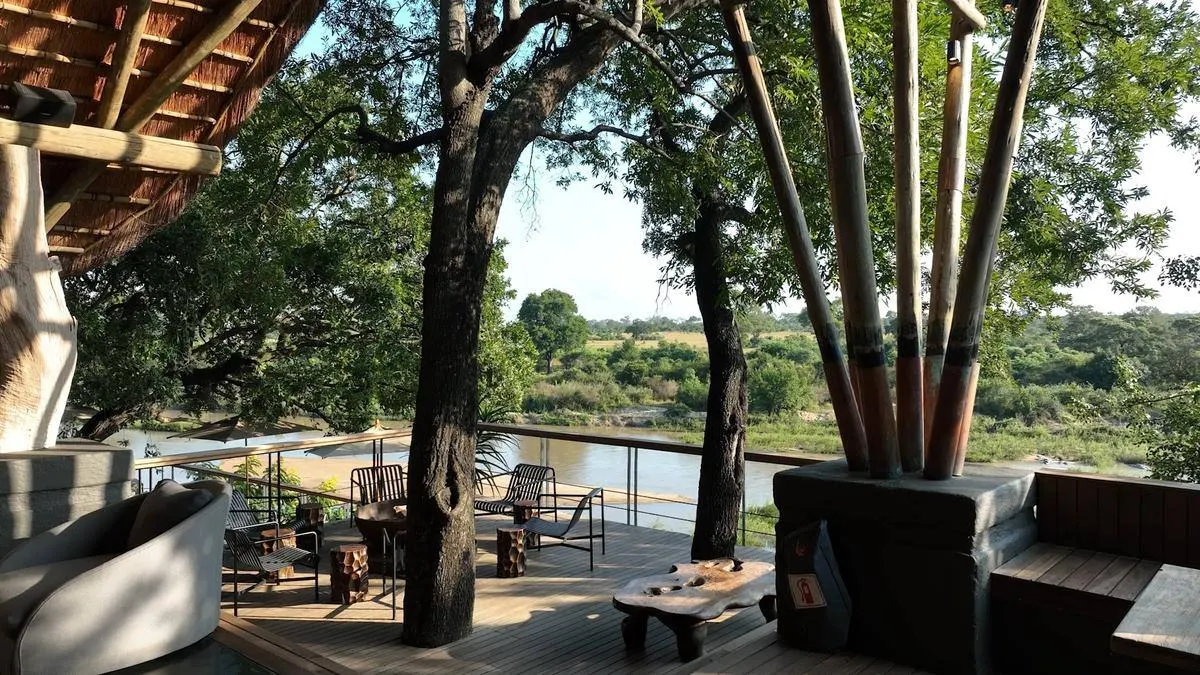
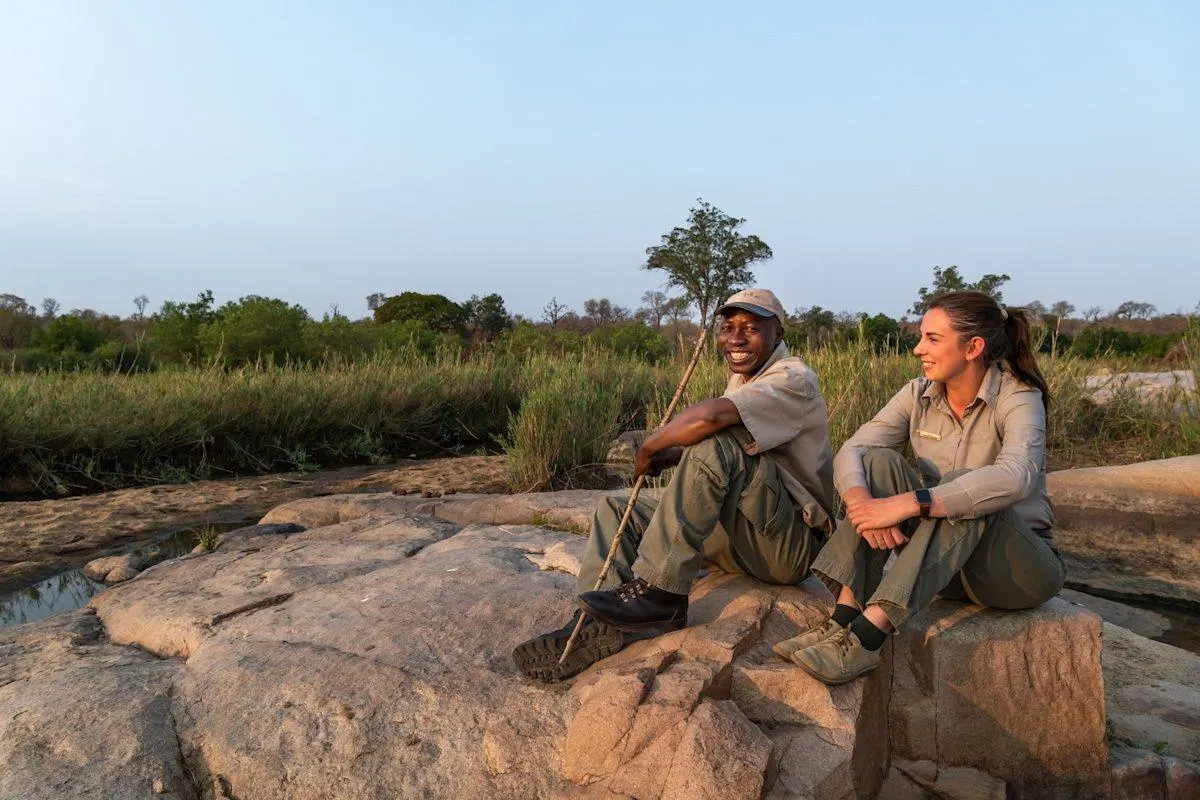
Ultra-luxury lodges in one of Africa's most leopard-dense reserves, where expert trackers deliver extraordinary sightings of these elusive cats.
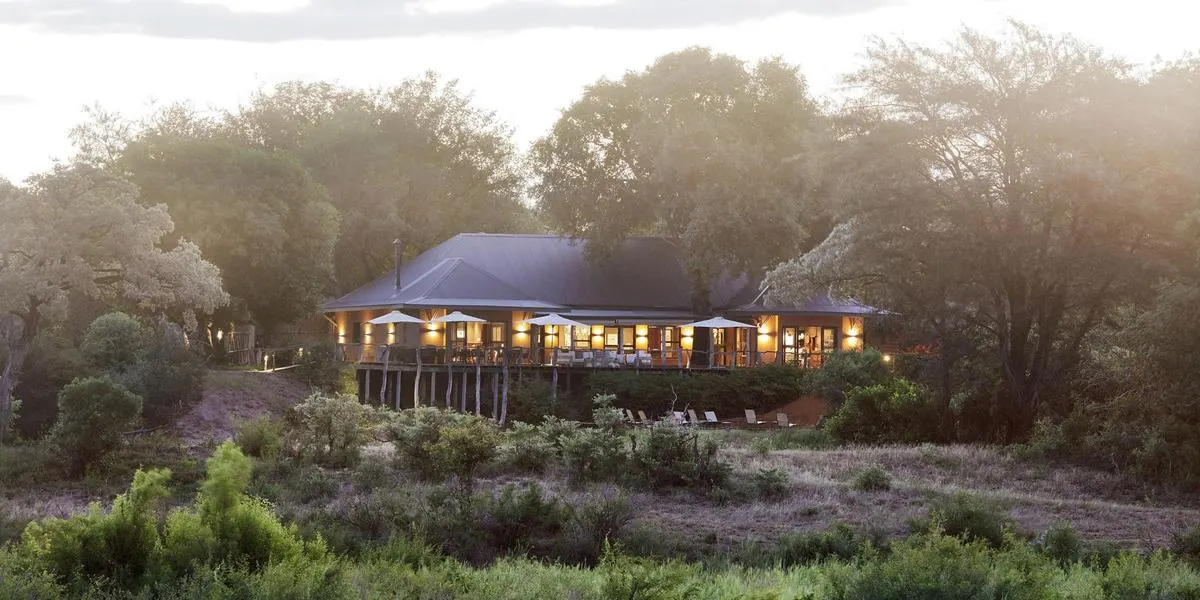
The oldest private game reserve in South Africa, bordering Kruger with 13,300 hectares of prime leopard territory and some of the highest sighting densities anywhere.
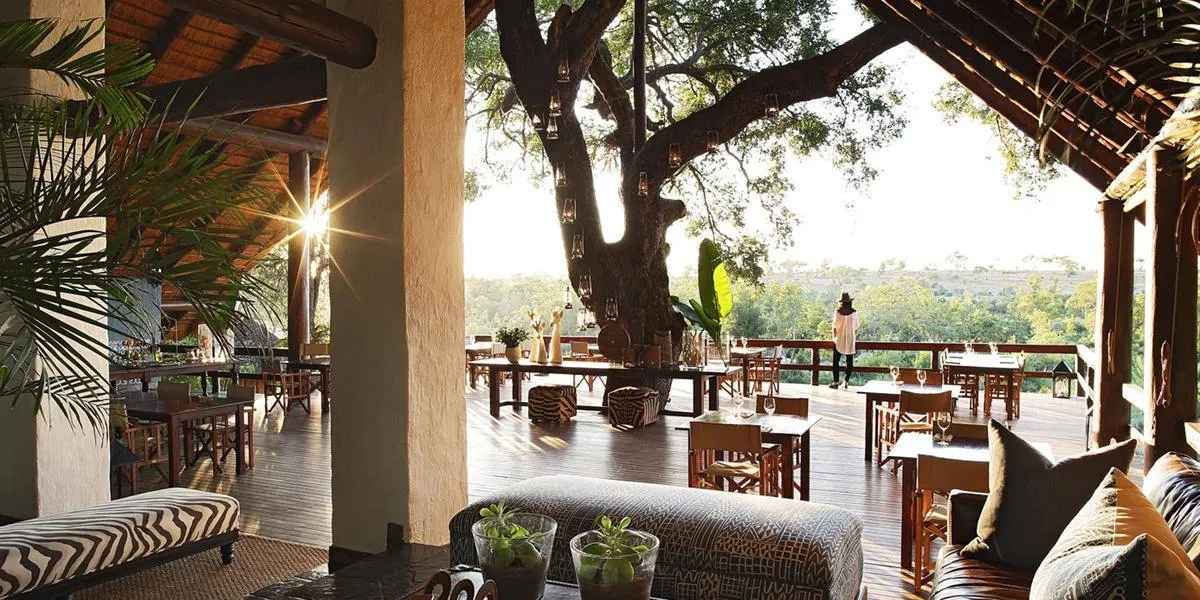
Pioneer of leopard habituation — Londolozi's relationship with specific leopard lineages has been documented for over 40 years.
Habitat fragmentation as farmland expands into wilderness areas
Retaliatory killings by livestock farmers who lose animals to leopard predation
Snaring — wire snares set for bushmeat often trap and injure leopards
Illegal wildlife trade in leopard skins and bones
The Cape Leopard Trust and Landmark Foundation lead leopard conservation in South Africa, working with farmers to implement non-lethal predator management techniques. The Kruger-to-Canyons corridor initiative maintains habitat connectivity, while community conservancies around Sabi Sands provide economic incentives for local communities to protect wildlife rather than persecute it.
The Sabi Sands Private Game Reserve in South Africa is universally regarded as the best place in the world to see leopards. Decades of careful habituation mean leopards here are relaxed around vehicles, allowing breathtaking close encounters. MalaMala, Londolozi, and Singita are particularly legendary for leopard sightings. Outside South Africa, the Luangwa Valley in Zambia and Sri Lanka's Yala National Park are also excellent.
Multi-day, all-inclusive safari packages that include the best african leopard viewing destinations.
Johannesburg, Sabi Sands Game Reserve
From $3,490
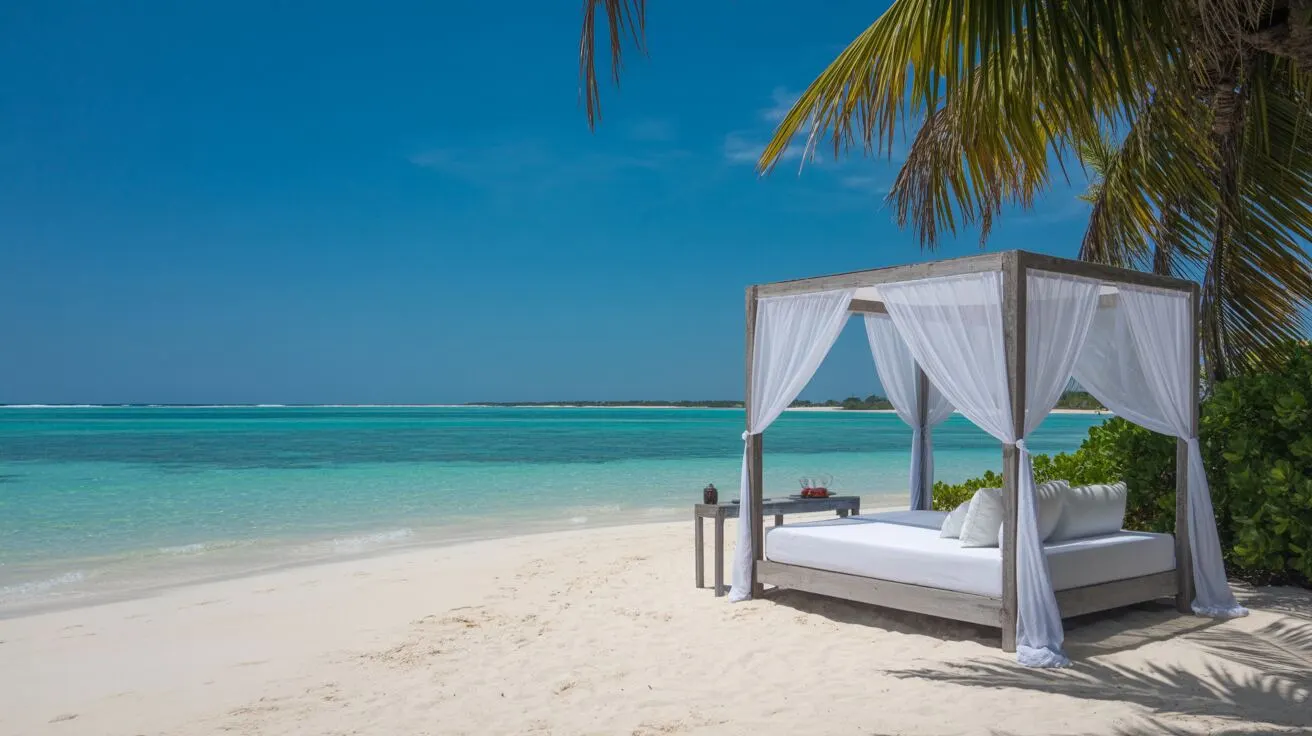
Greater Kruger, Sabi Sands
From $5,997
Cape Town, Sabi Sands
From $8,990
Cape Town, Stellenbosch
From $6,490
Our expert safari consultants will craft your perfect african leopard encounter — from choosing the ideal reserve to selecting the best season and lodge.
Big Five game drives, walking safaris & more
Luxury accommodation in prime wildlife areas
Kruger, Sabi Sands, Masai Mara & beyond
Plan your trip around peak wildlife seasons
Honest pricing guide for every budget
How your safari protects African wildlife
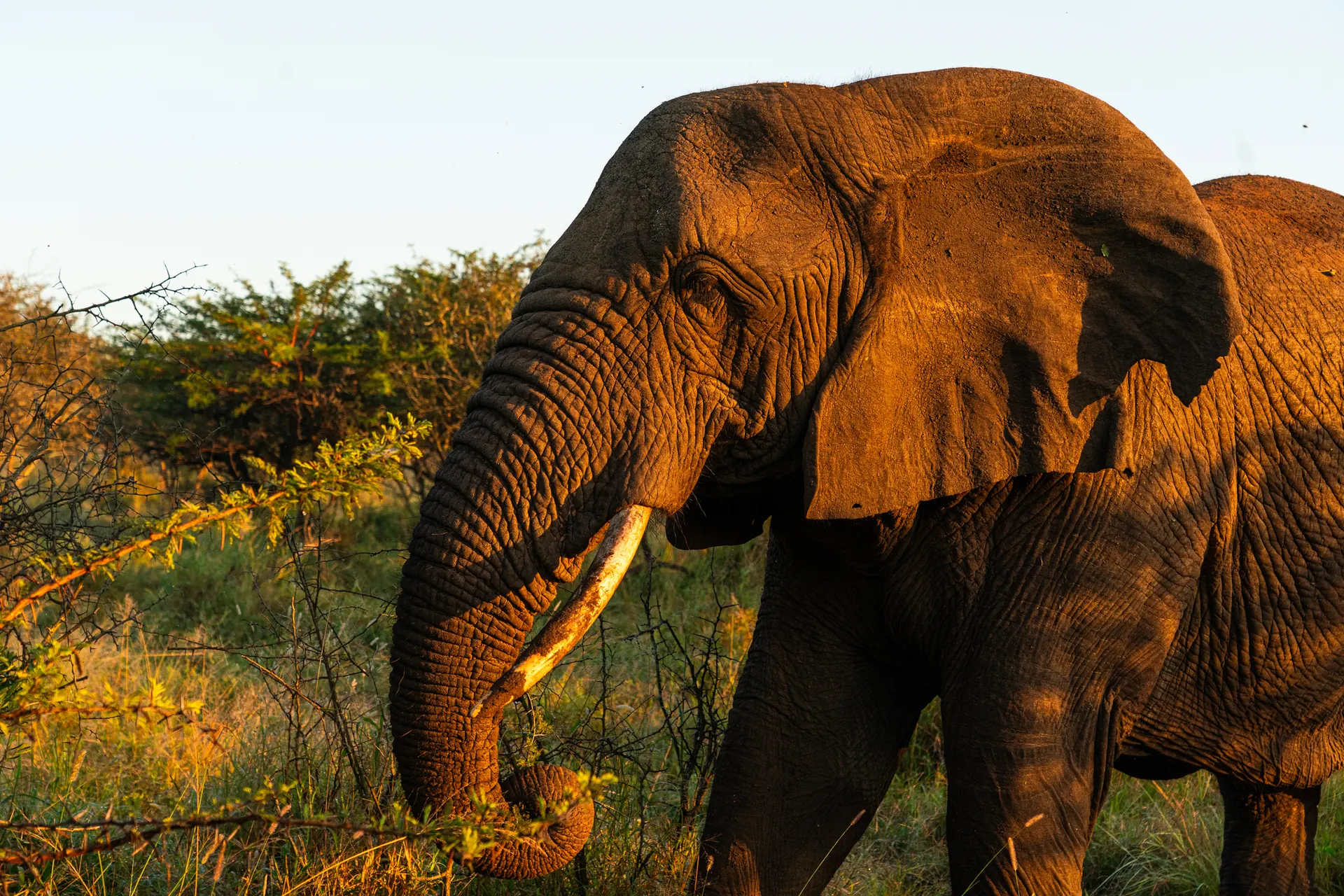
African Elephant
The Gentle Giants of the African Bush
African Lion
The King of the African Savanna
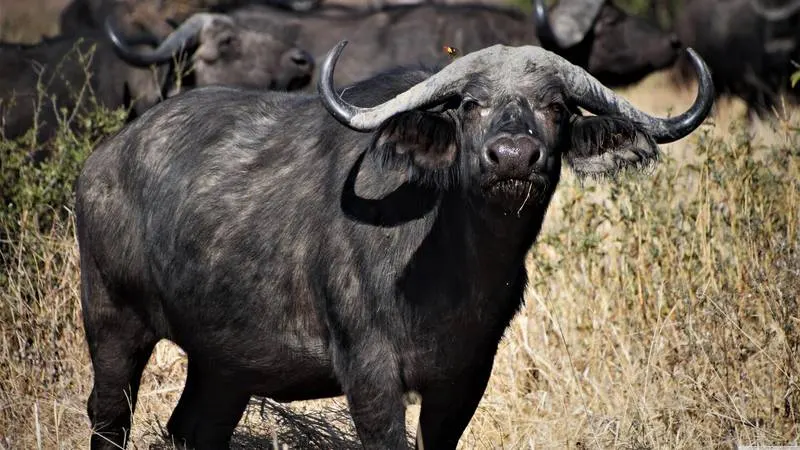
Cape Buffalo
Africa's Most Dangerous Bovine
White Rhinoceros
Guardians of the Grassland
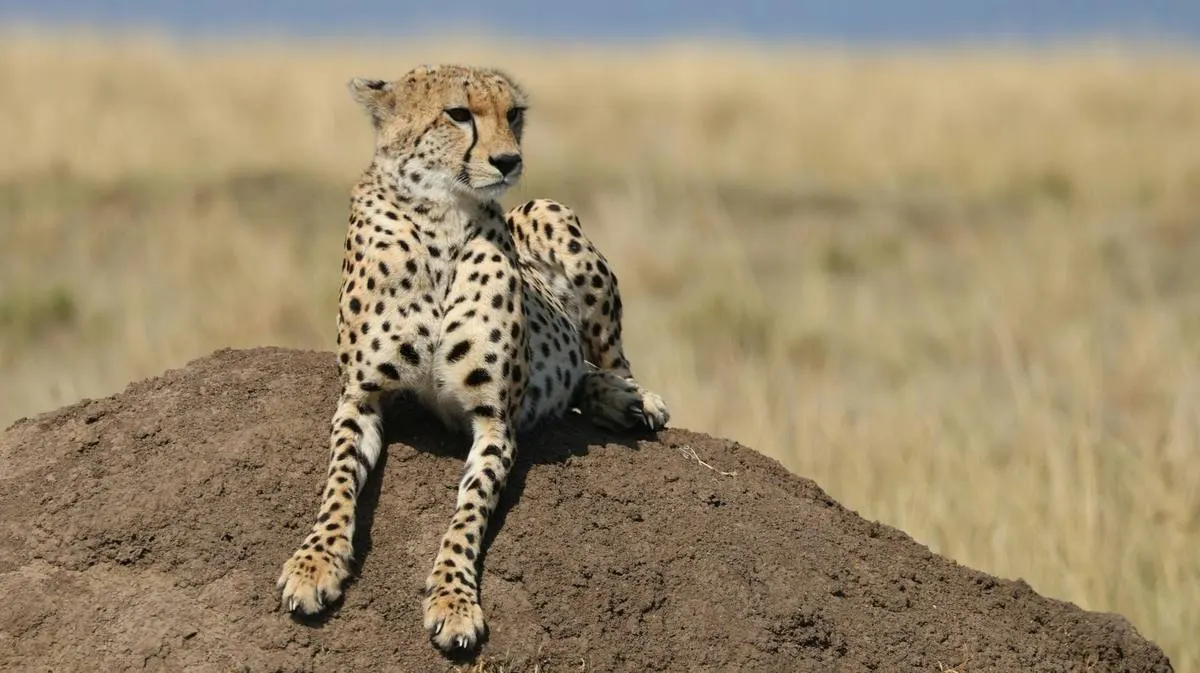
Cheetah
The Fastest Animal on Land
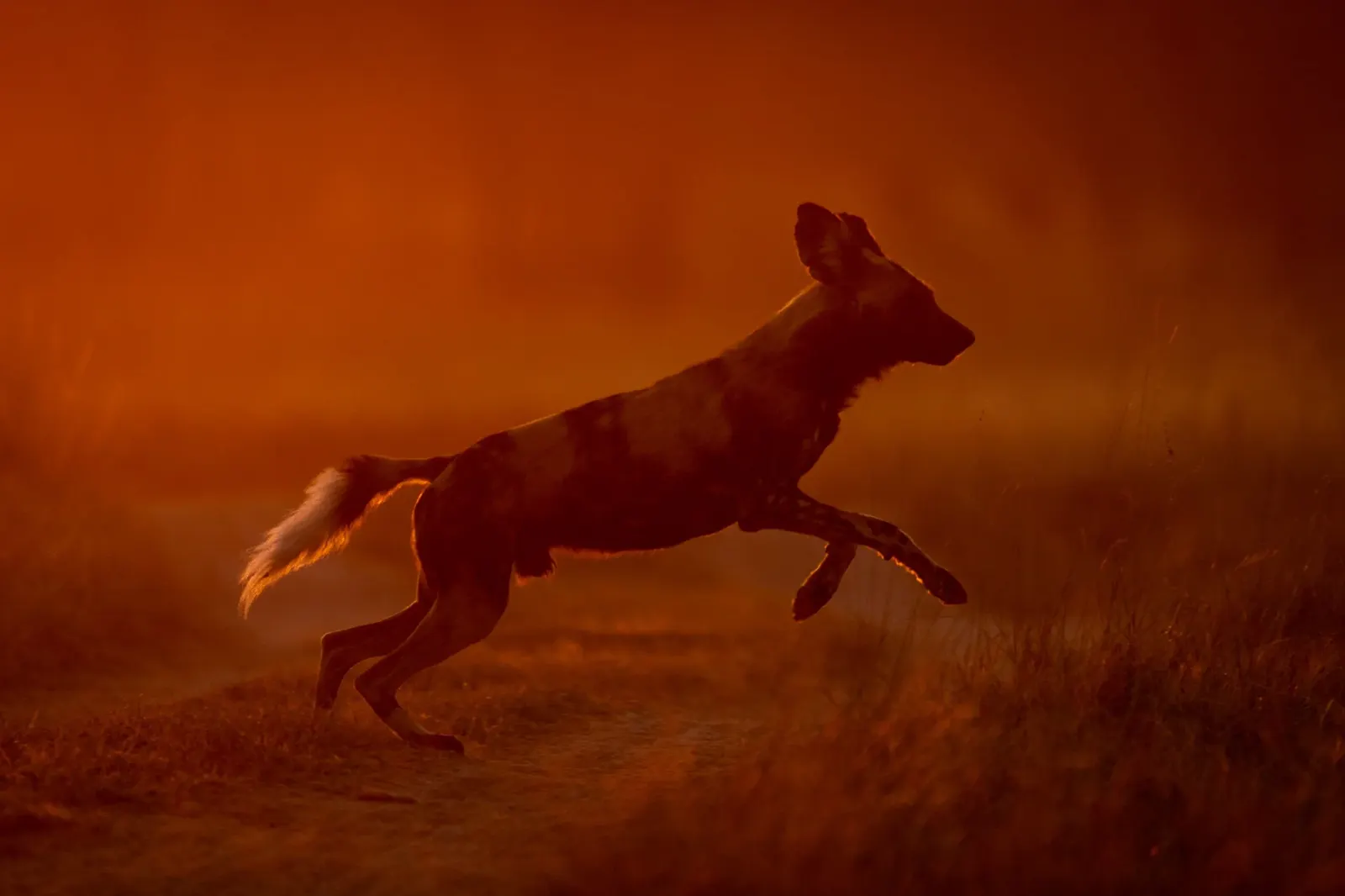
African Wild Dog
Africa's Most Efficient Predator
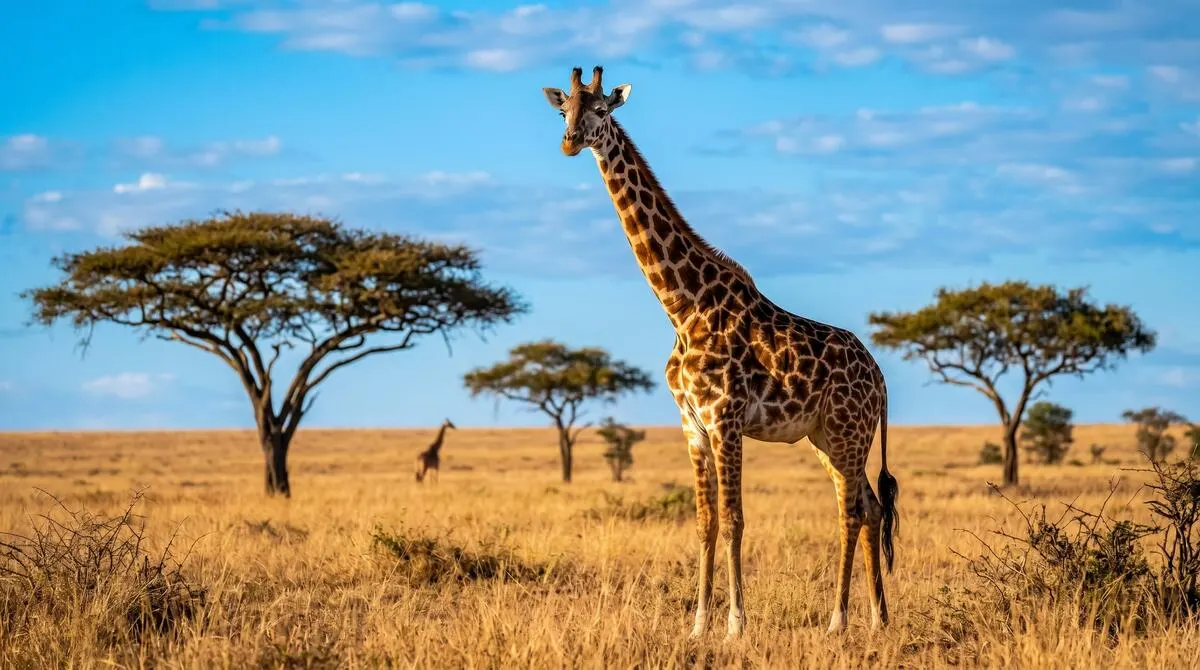
South African Giraffe
The Tallest Animal on Earth
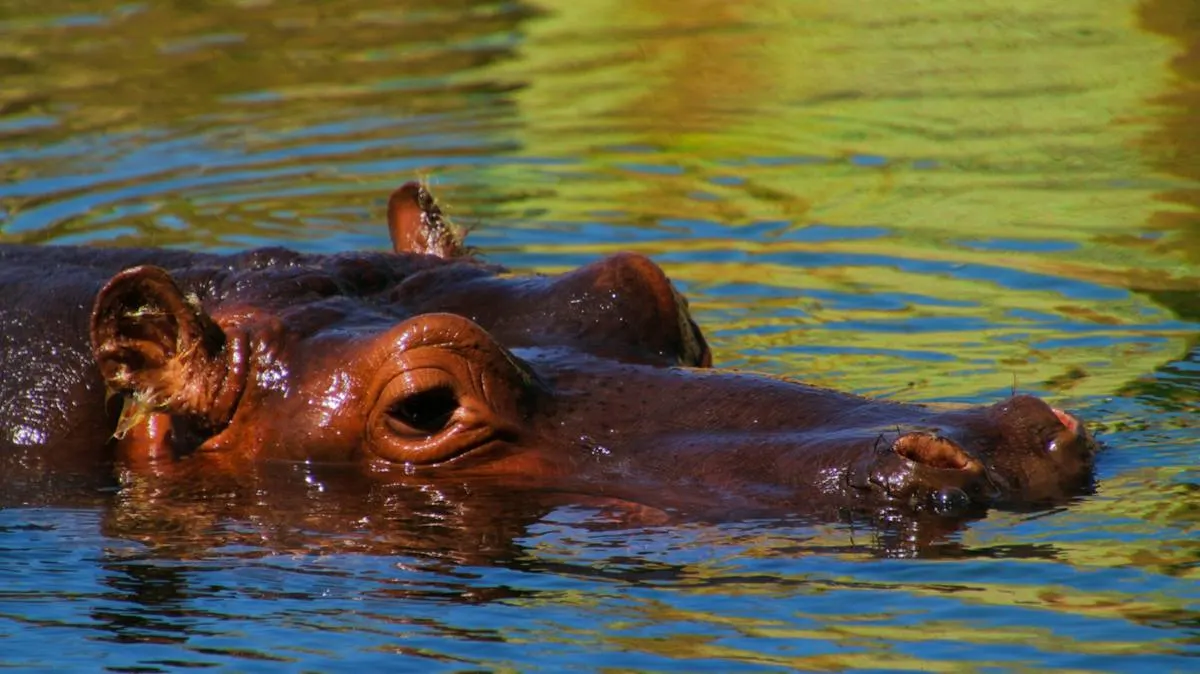
Hippopotamus
River Horse of Africa