Syncerus caffer
Africa's Most Dangerous Bovine
Habitat
Savanna, floodplains, and mixed woodland near water
Diet
Herbivore
Lifespan
15–25 years
Weight
500–900 kg
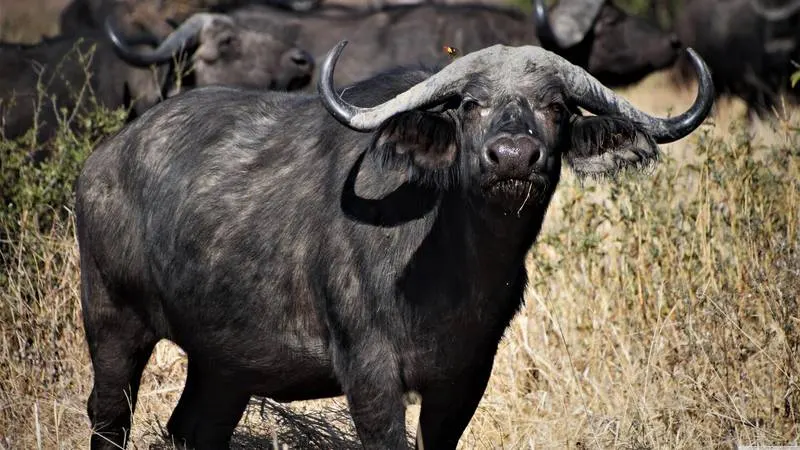
The Cape buffalo is considered the most dangerous of the Big Five by professional hunters and rangers. Nicknamed "Black Death" and "The Widow Maker," these massive bovines are unpredictable, fiercely protective of their herd, and capable of charging at 55 km/h. Old solitary bulls, known as "dagga boys" (named for the mud that cakes their bodies), are particularly aggressive.
Despite their fearsome reputation, buffalo are fascinating herd animals. They make collective decisions about where to graze and when to move by a "voting" system — adult females stand and face the direction they want to travel, and the herd moves in the direction most cows face.
Habitat
Savanna, floodplains, and mixed woodland near water
Diet
Herbivore — tall coarse grasses, requiring water daily
Lifespan
15–25 years
Weight
500–900 kg
Cape buffalo are highly gregarious, forming herds of 50–500 individuals, with some super-herds exceeding 1,000 during the dry season. They display a remarkable democratic decision-making process — adult females "vote" on the direction of travel by standing and facing their preferred direction. Old bulls that can no longer keep up with the herd form small "dagga boy" bachelor groups and are considered among the most dangerous animals in Africa.
Population
Approximately 900,000 across Africa; 40,000–45,000 in Kruger National Park
Kruger National Park
Sabi Sands
Pilanesberg
Addo
Year-round in Kruger and private reserves. Dry season (May–September) sees larger herds congregating at water sources, creating impressive spectacles.
Buffalo have killed more hunters in Africa than any other animal
Their horns form a thick shield called a "boss" that can stop a rifle bullet
Herds can number over 1,000 individuals during the dry season
Oxpeckers that ride on buffalo actually drink their blood as well as eating ticks
Capture the intensity of a buffalo's stare — those massive curved horns framing a weathered face make for powerful portraits
Photograph large herds at waterholes during golden hour for sweeping landscape shots
Look for oxpeckers riding on buffalo — they add scale and visual interest to portraits
Dagga boys (old bulls) caked in mud provide the most characterful, dramatic images
Use a moderate telephoto (100–200mm) for environmental portraits showing buffalo in their habitat
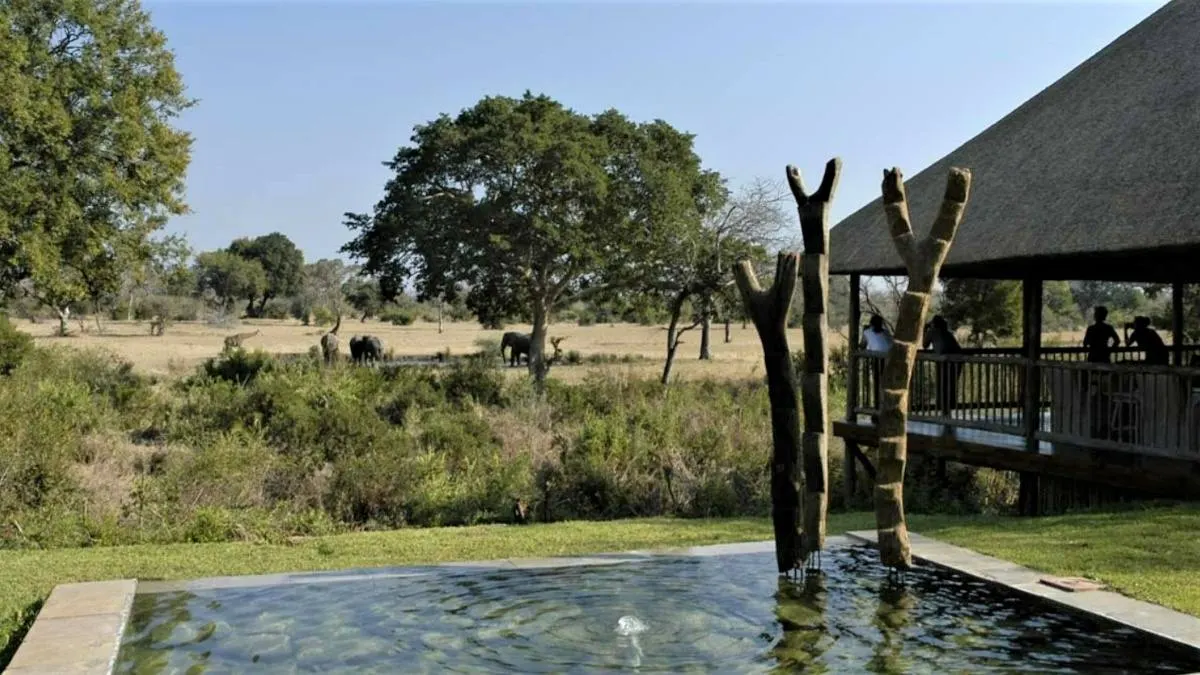
Award-winning lodge in the heart of buffalo country, with herds often grazing within sight of the lodge deck.
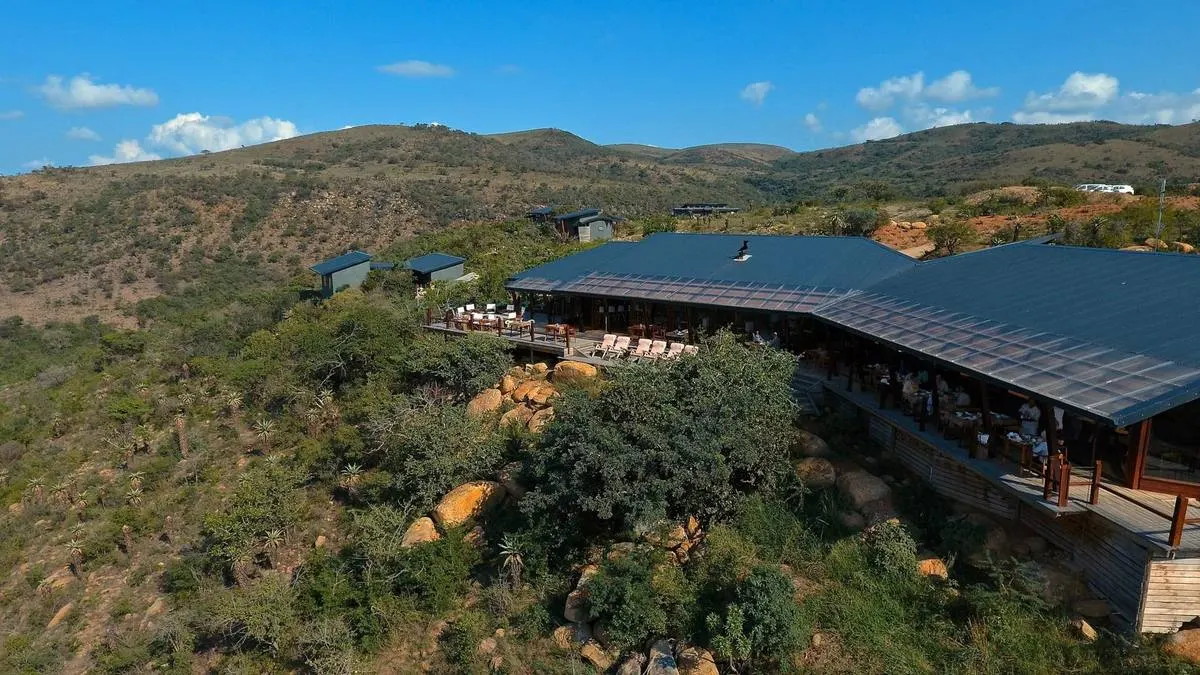
KwaZulu-Natal's premier Big Five reserve with dense buffalo populations in rolling green hills.
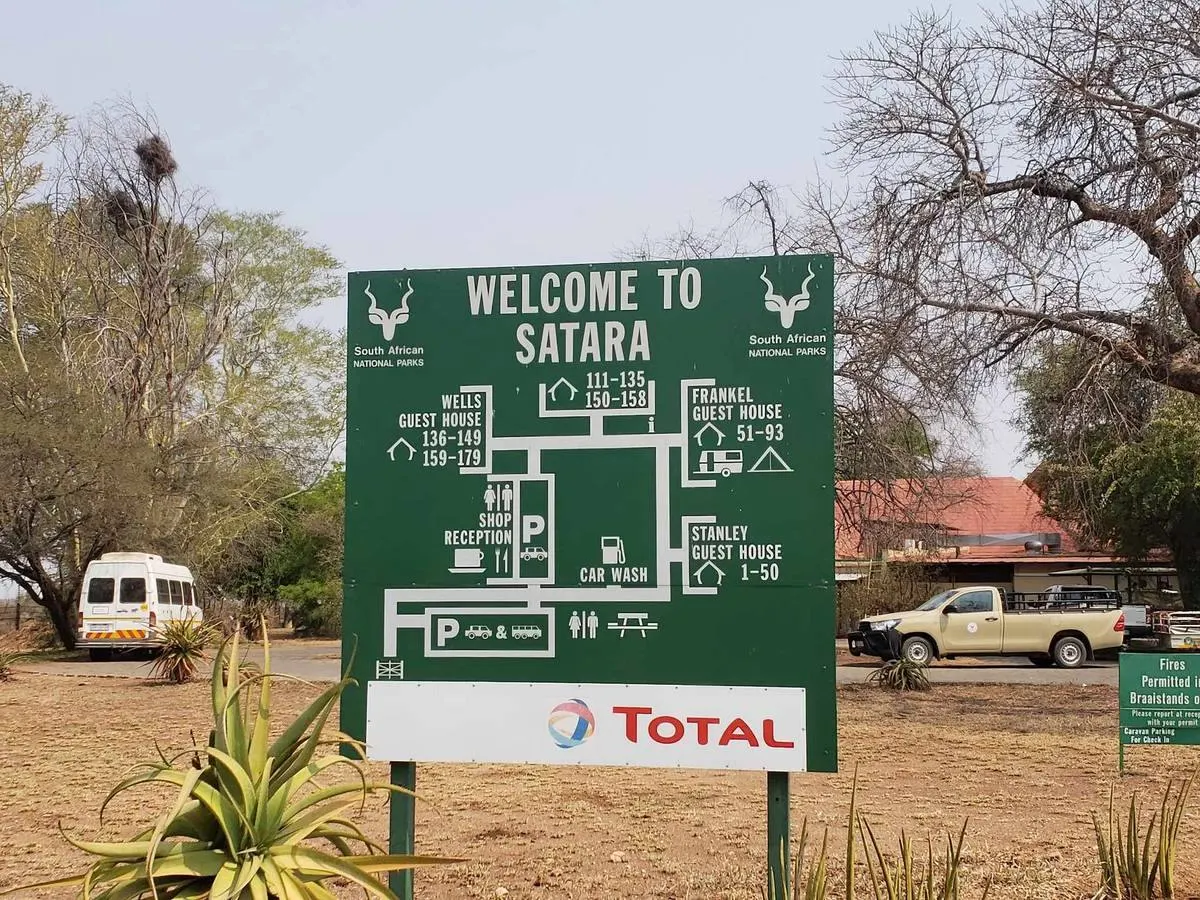
Positioned in Kruger's prime grassland zone — the open plains around Satara are legendary for massive buffalo herds and predator action.
Bovine tuberculosis spreading from domestic cattle threatens buffalo populations in Kruger
Habitat loss due to expanding human settlements
Drought and climate change affecting grazing conditions
Foot-and-mouth disease outbreaks restricting movement corridors
South Africa's buffalo populations are well-managed within national parks and private reserves. Disease-free buffalo breeding programs have been established to maintain genetic diversity, with "disease-free" herds commanding significant conservation value. The expansion of transfrontier conservation areas and wildlife corridors helps maintain population connectivity.
Cape buffalo are responsible for more hunter fatalities in Africa than any other large animal, earning them the nickname "Black Death." Old solitary bulls (dagga boys) are notoriously unpredictable and aggressive when surprised. Buffalo also fiercely defend herd members — they have been documented charging lions and even killing them to protect calves. Their massive boss (the fused horn shield on top of the skull) can withstand a rifle bullet.
Multi-day, all-inclusive safari packages that include the best cape buffalo viewing destinations.
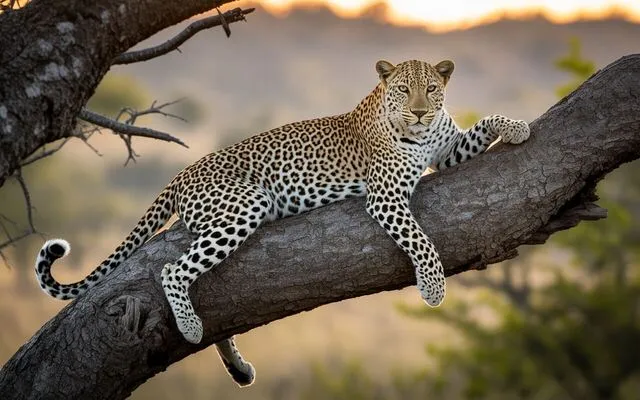
Johannesburg, Sabi Sands Game Reserve
From $3,490
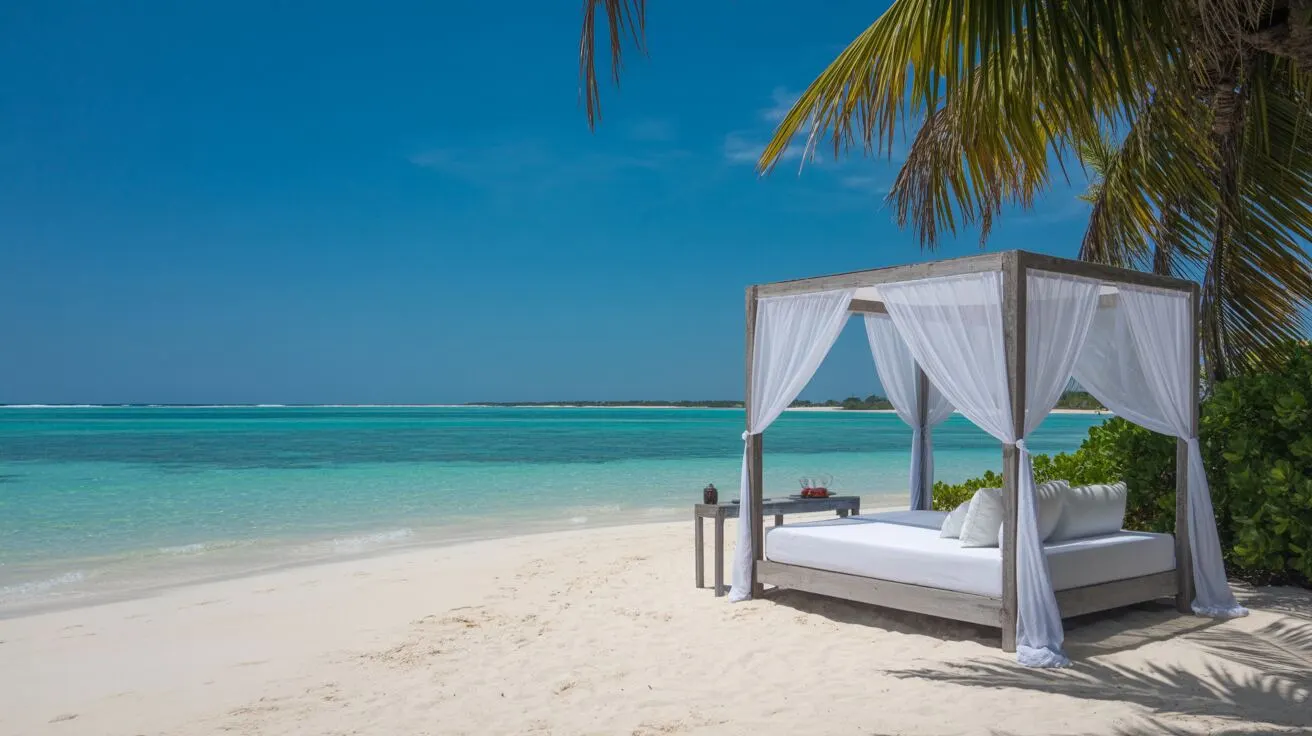
Greater Kruger, Sabi Sands
From $5,997
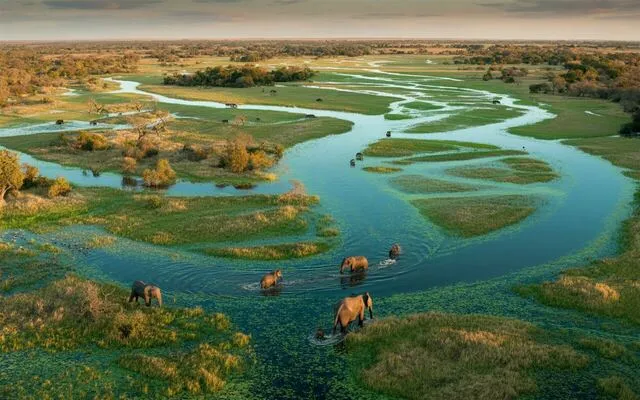
Cape Town, Sabi Sands
From $8,990
Cape Town, Stellenbosch
From $6,490
Our expert safari consultants will craft your perfect cape buffalo encounter — from choosing the ideal reserve to selecting the best season and lodge.
Big Five game drives, walking safaris & more
Luxury accommodation in prime wildlife areas
Kruger, Sabi Sands, Masai Mara & beyond
Plan your trip around peak wildlife seasons
Honest pricing guide for every budget
How your safari protects African wildlife
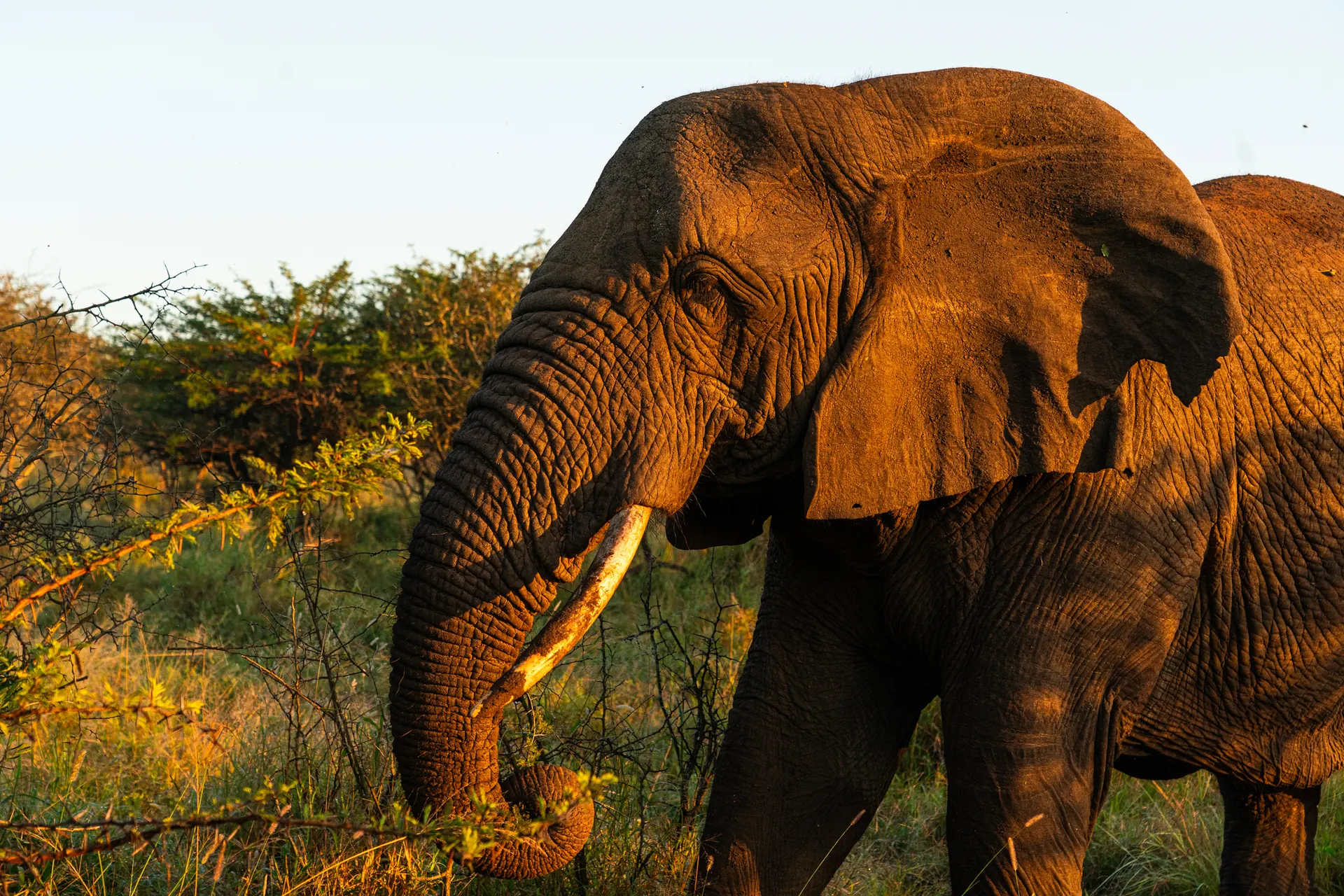
African Elephant
The Gentle Giants of the African Bush
African Lion
The King of the African Savanna
African Leopard
The Elusive Ghost of the Bush
White Rhinoceros
Guardians of the Grassland
Cheetah
The Fastest Animal on Land
African Wild Dog
Africa's Most Efficient Predator
South African Giraffe
The Tallest Animal on Earth
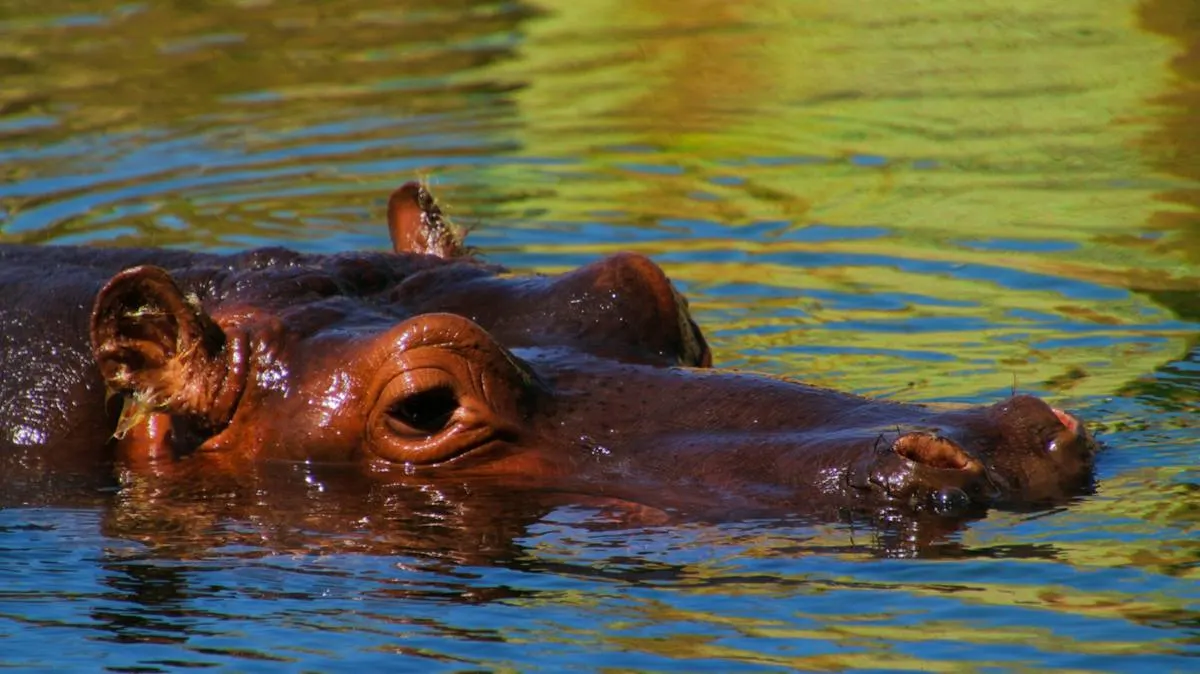
Hippopotamus
River Horse of Africa