
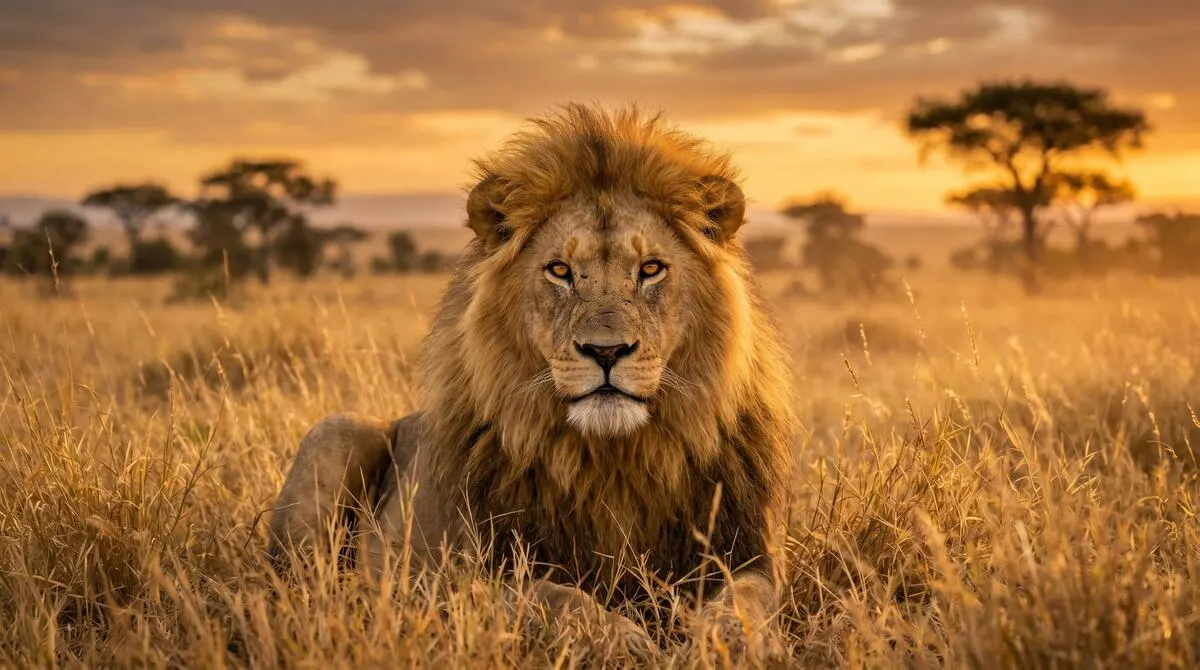
African Lion
Panthera leo
The King of the African Savanna
Habitat
Grasslands, savanna, and open woodland
Diet
Carnivore
Lifespan
12–16 years (wild)
Weight
150–250 kg
About the African Lion
The African lion is the only truly social cat, living in prides of 5–30 individuals. Males are distinguished by their magnificent manes, which darken with age and signal genetic fitness to females. Lions are apex predators, capable of bringing down prey as large as buffalo and young elephants through coordinated group hunting — usually led by the lionesses.
South Africa's lion populations are found primarily in Kruger National Park (estimated 1,600 2,000 lions), Sabi Sands, Pilanesberg, and the Eastern Cape reserves like Shamwari and Amakhala. Night drives in private reserves offer the electrifying experience of watching lions hunt under spotlight.
Habitat & Diet
Habitat
Grasslands, savanna, and open woodland
Diet
Carnivore — zebra, wildebeest, buffalo, impala, and other large prey
Lifespan
12–16 years (wild)
Weight
150–250 kg (males), 110–180 kg (females)
Social Behaviour
Lions are the only truly social cats, living in prides typically consisting of 2–4 adult males, 5–15 related females, and their cubs. Females are the primary hunters, working cooperatively to bring down large prey. Males defend the pride territory, which can span 20–400 km², with powerful roars audible up to 8 km away. When new males take over a pride, they often commit infanticide to bring females back into oestrus.
Population
Approximately 23,000–39,000 in the wild across Africa; 1,600–2,000 in Kruger National Park
Where to See African Lion on Safari
Sabi Sands
Kruger National Park
Pilanesberg
Shamwari
Best Time to Visit
June to September (dry season) when thinner vegetation and concentrated prey around water sources make lion sightings more frequent. Dawn and dusk game drives offer the best chances as lions are most active during cooler hours.
Fascinating Facts About African Lion
A lion's roar can be heard from 8 kilometres away
Lions sleep up to 20 hours per day, conserving energy for hunting
Male lions eat first after a kill, even though females do most of the hunting
Cubs are born with rosette spots that fade by age 3 months
Photography Tips: Capturing the African Lion
Use a telephoto lens (200–400mm) for tight portraits that capture the intensity of a lion's gaze
Shoot at eye level from the vehicle for intimate, engaging compositions
Early morning light creates warm tones that complement a lion's tawny coat beautifully
Capture interaction moments — grooming, play-fighting cubs, or the dramatic tension before a hunt
For mane portraits, position yourself so light falls across the face for depth and texture
Where to Stay to See African Lion
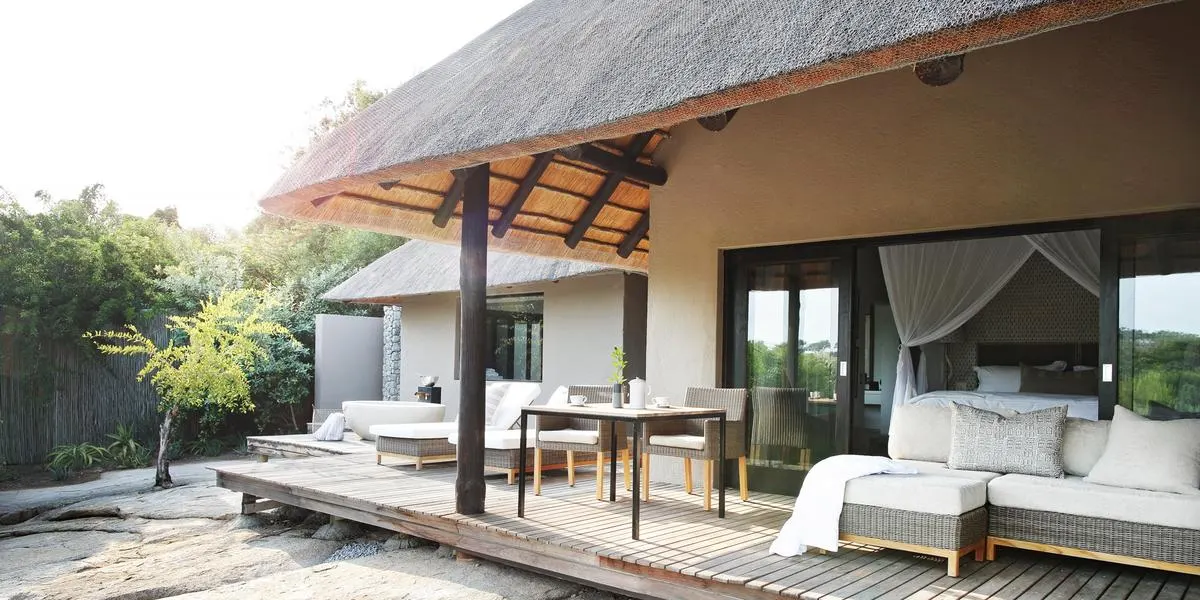
Londolozi Private Game Reserve
A legendary Sabi Sands lodge with over 90 years of lion tracking heritage and some of Africa's most photographed prides.
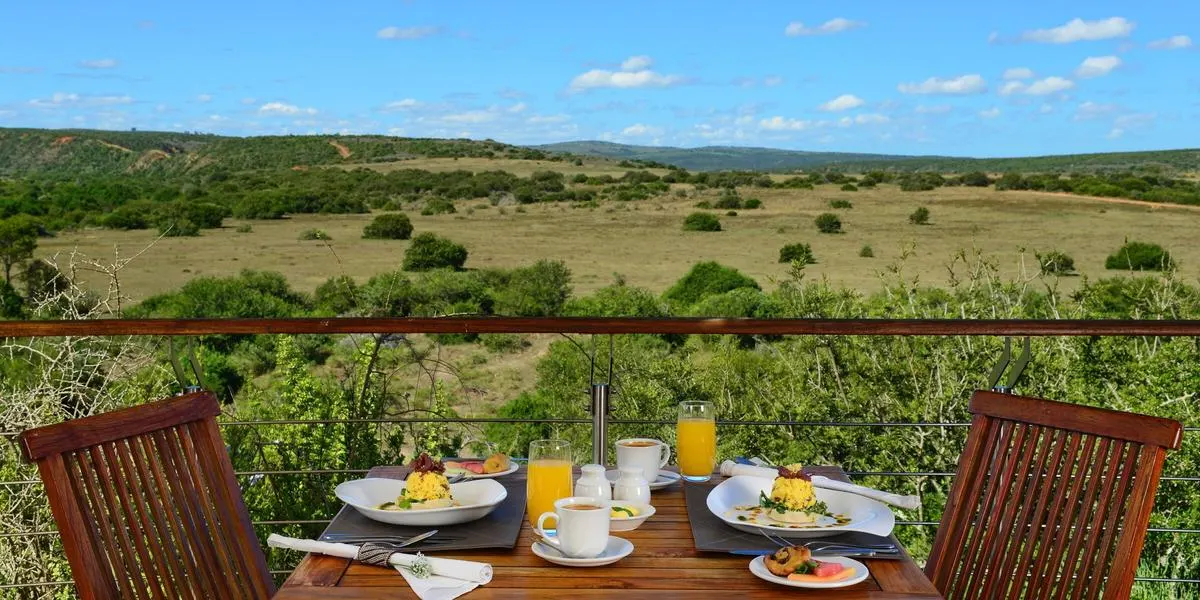
Shamwari Private Game Reserve
Award-winning Big Five reserve in the malaria-free Eastern Cape with excellent lion sightings and a dedicated born-free rescue centre.
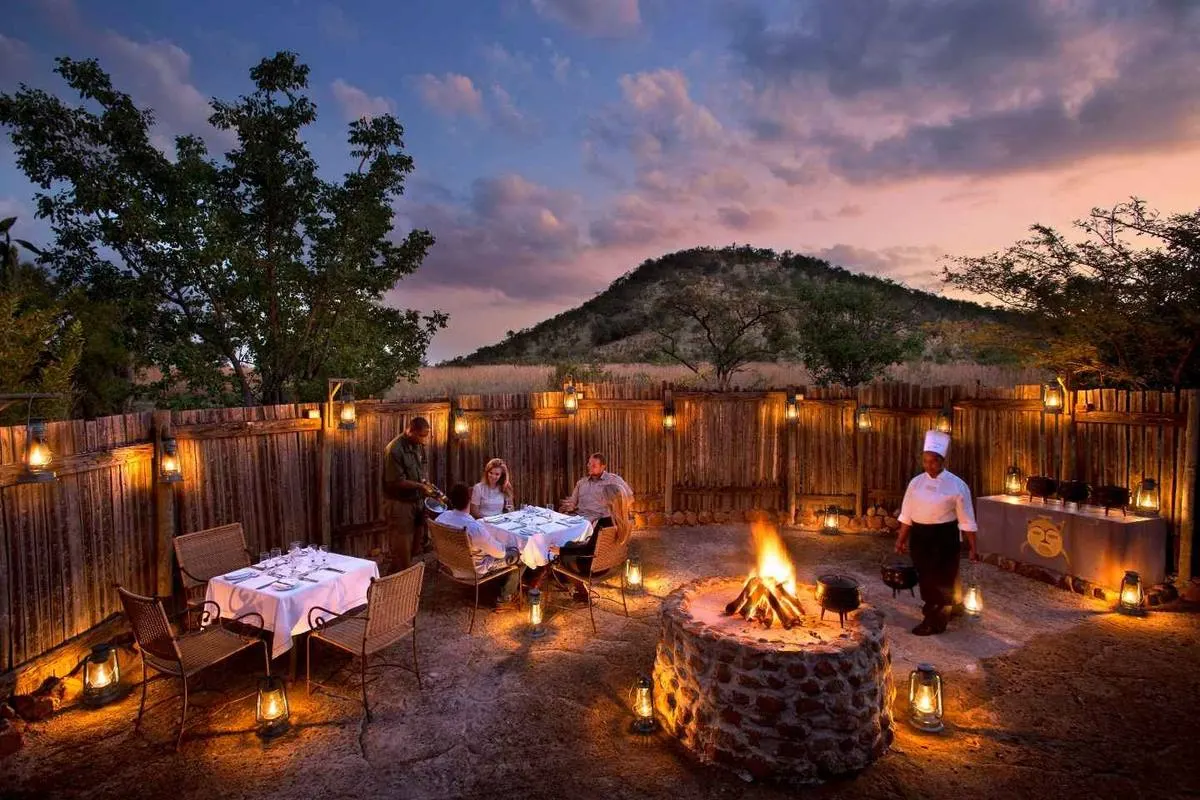
Pilanesberg Game Reserve Lodges
Just 2 hours from Johannesburg, Pilanesberg offers reliable lion sightings in a scenic volcanic crater setting at accessible price points.
African Lion Conservation
Threats
Habitat loss due to expanding human settlements and agriculture
Retaliatory killings by livestock farmers
Prey depletion from bushmeat poaching
Trophy hunting controversies and captive breeding concerns
Conservation Efforts
South Africa plays a crucial role in lion conservation through extensive protected area networks and the Biodiversity Management Plan for African Lions. The Kruger to Canyons Biosphere Reserve and transfrontier parks with Mozambique and Zimbabwe maintain vital lion corridors. Organisations like Panthera, the Endangered Wildlife Trust, and local community conservancies work to reduce human-lion conflict through predator-proof livestock enclosures and compensation schemes.
Frequently Asked Questions About African Lion
The Sabi Sands Private Game Reserve bordering Kruger National Park is widely regarded as the best place in Africa for close-range lion sightings. The Serengeti and Masai Mara also offer exceptional viewing, particularly during the Great Migration when prey is abundant. In South Africa, Kruger, Pilanesberg, and Shamwari all provide reliable lion encounters.
Tours Where You Can See African Lion
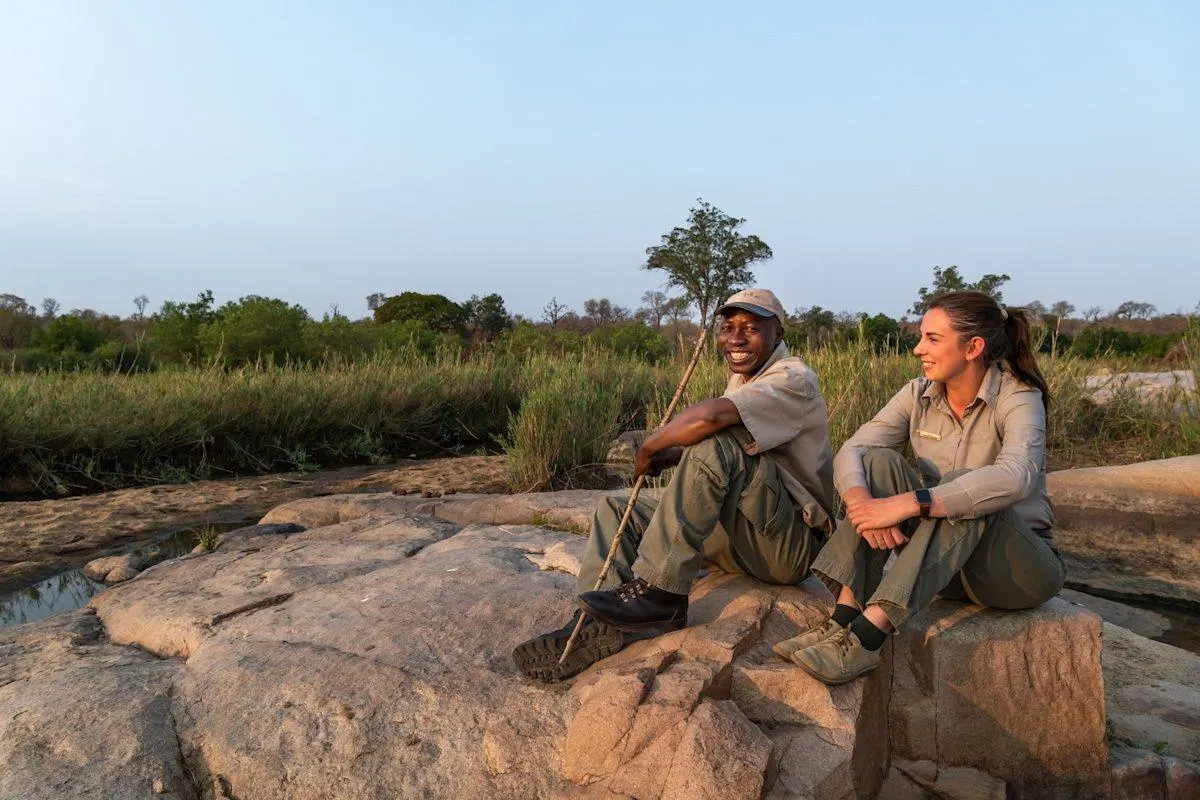
Safari Packages to See African Lion
Multi-day, all-inclusive safari packages that include the best african lion viewing destinations.
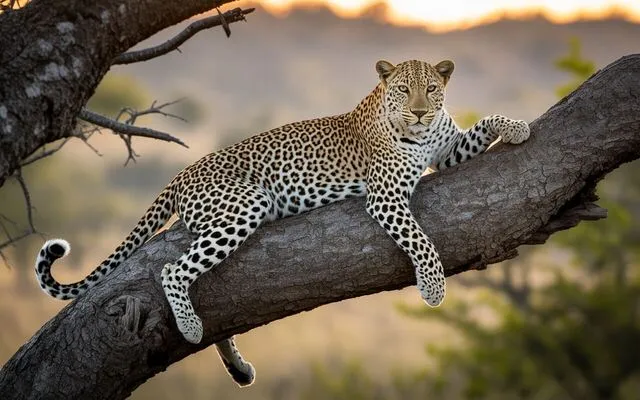
Classic Kruger & Sabi Sands Fly-In Safari — Big Five Guaranteed
Johannesburg, Sabi Sands Game Reserve
From $3,490
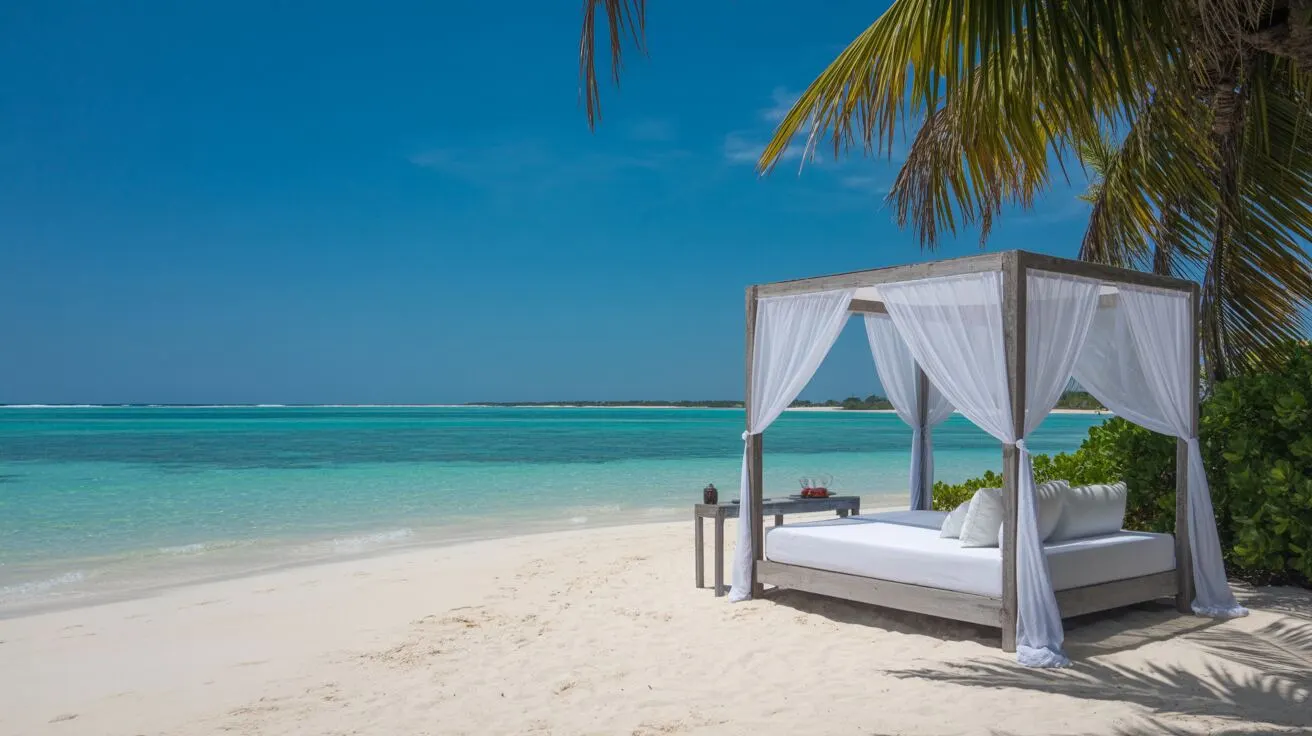
Kruger & Mozambique Beach Honeymoon — Big Five Meets Indian Ocean
Greater Kruger, Sabi Sands
From $5,997
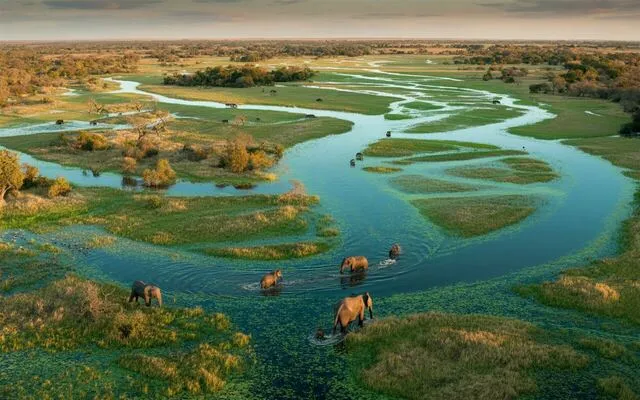
Coast to Delta — Cape Town, Kruger, Vic Falls & Okavango Expedition
Cape Town, Sabi Sands
From $8,990
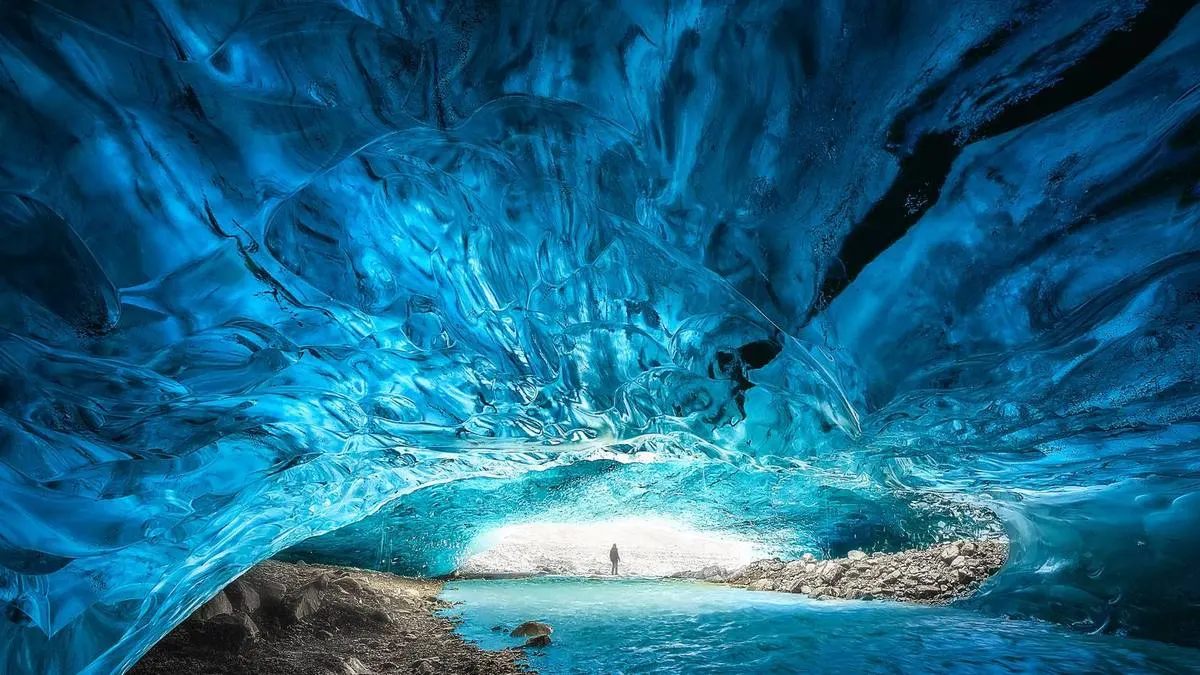
Grand Southern Africa — Cape Town, Kruger & Victoria Falls
Cape Town, Stellenbosch
From $6,490
Ready to See African Lion in the Wild?
Our expert safari consultants will craft your perfect african lion encounter — from choosing the ideal reserve to selecting the best season and lodge.
Plan Your African Lion Safari
Safari Experiences
Big Five game drives, walking safaris & more
Safari Lodges
Luxury accommodation in prime wildlife areas
Destinations
Kruger, Sabi Sands, Masai Mara & beyond
Best Time to Visit
Plan your trip around peak wildlife seasons
Safari Costs
Honest pricing guide for every budget
Conservation
How your safari protects African wildlife
Explore More African Wildlife
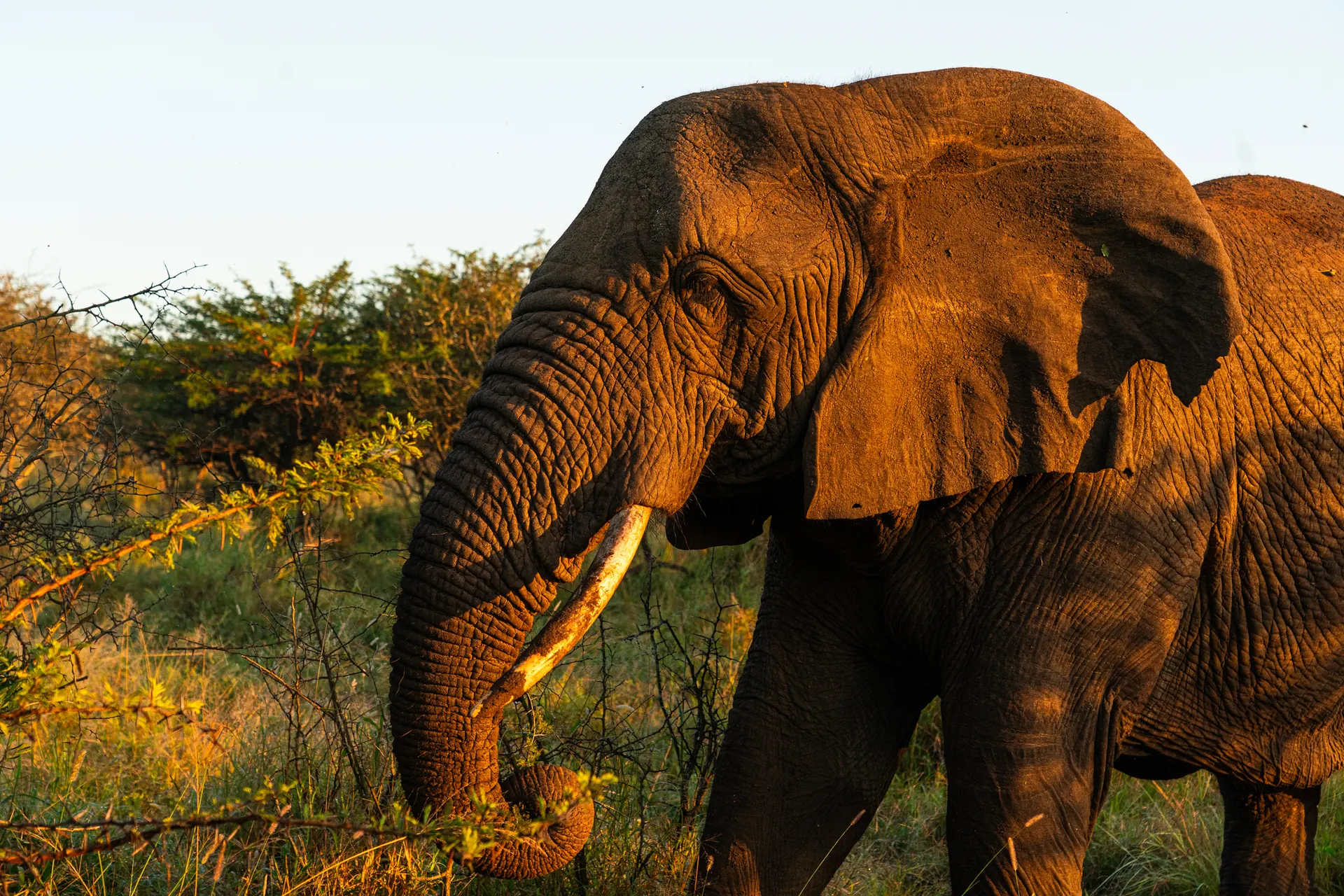
African Elephant
The Gentle Giants of the African Bush
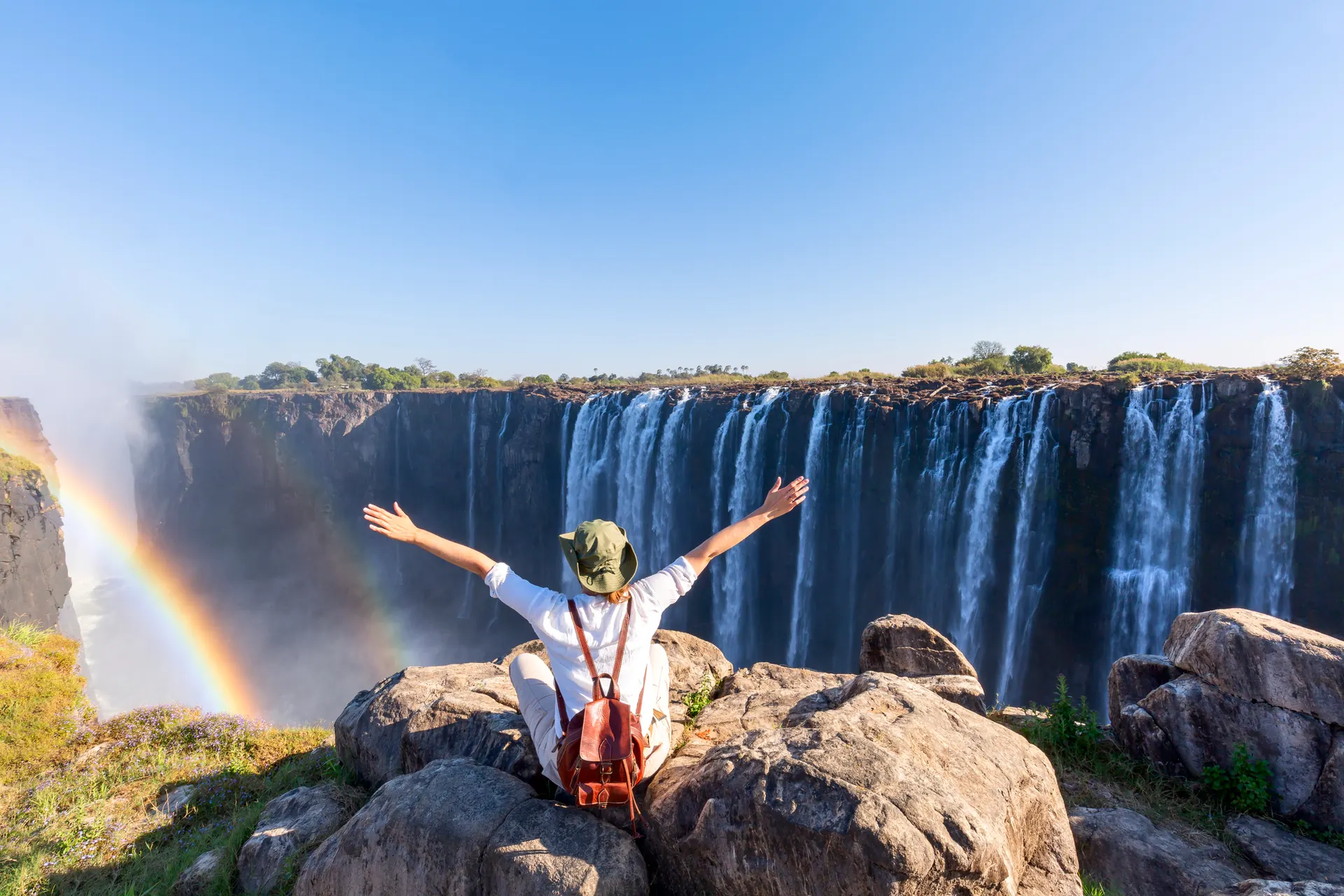
African Leopard
The Elusive Ghost of the Bush
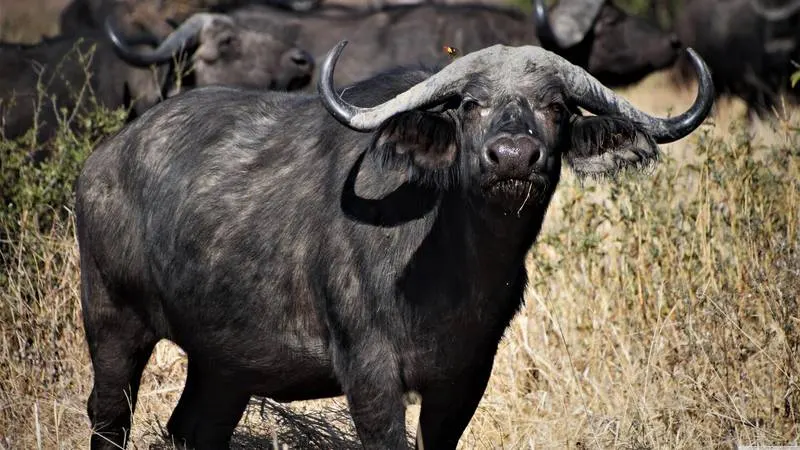
Cape Buffalo
Africa's Most Dangerous Bovine
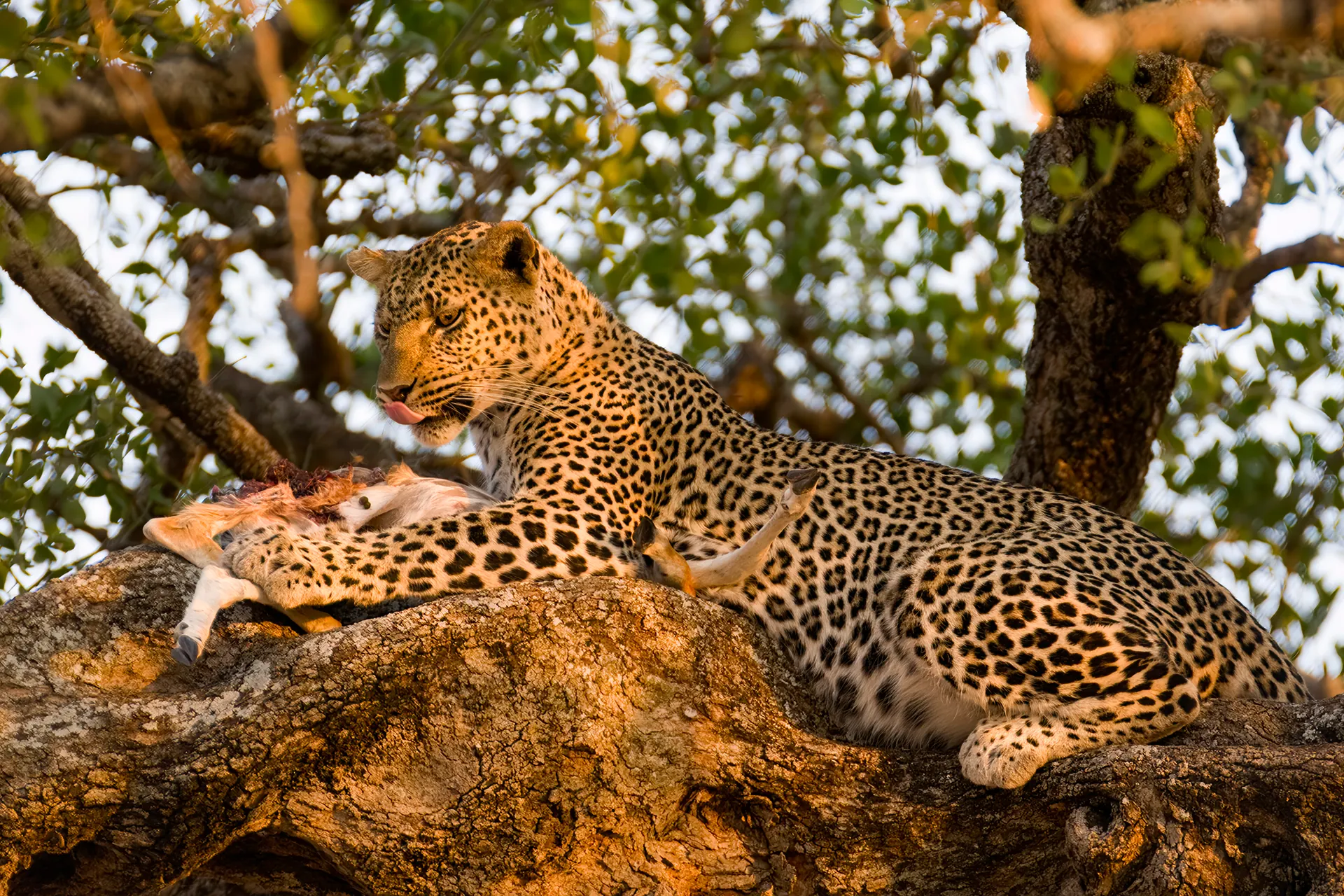
White Rhinoceros
Guardians of the Grassland
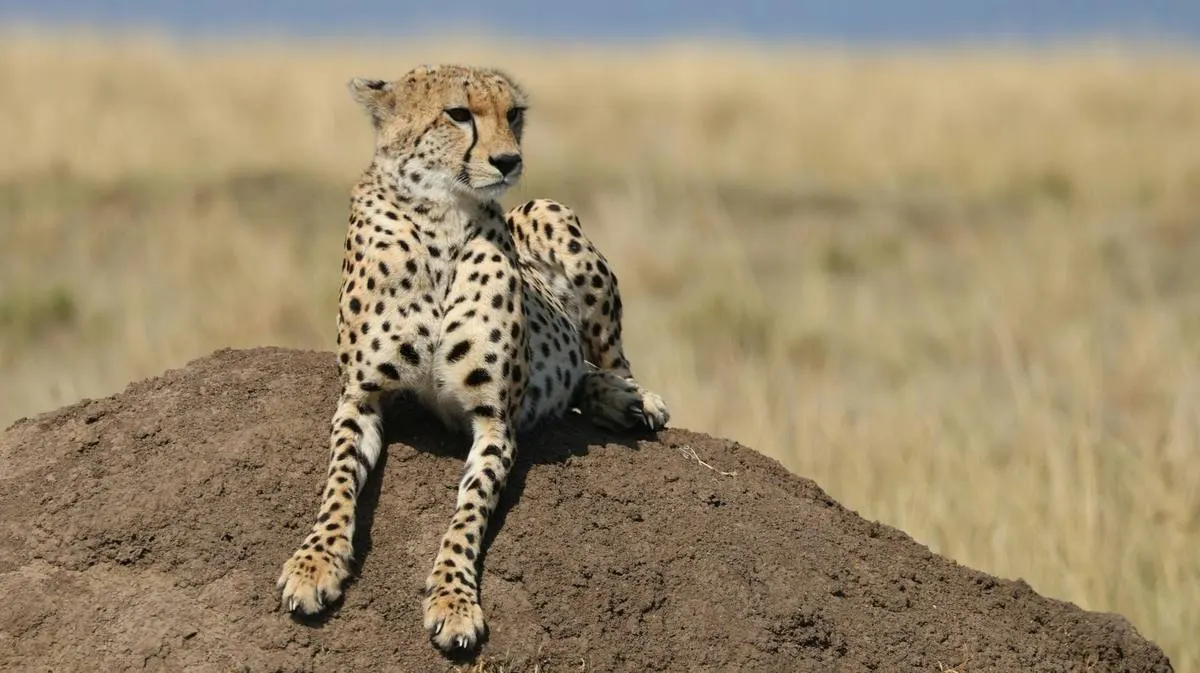
Cheetah
The Fastest Animal on Land
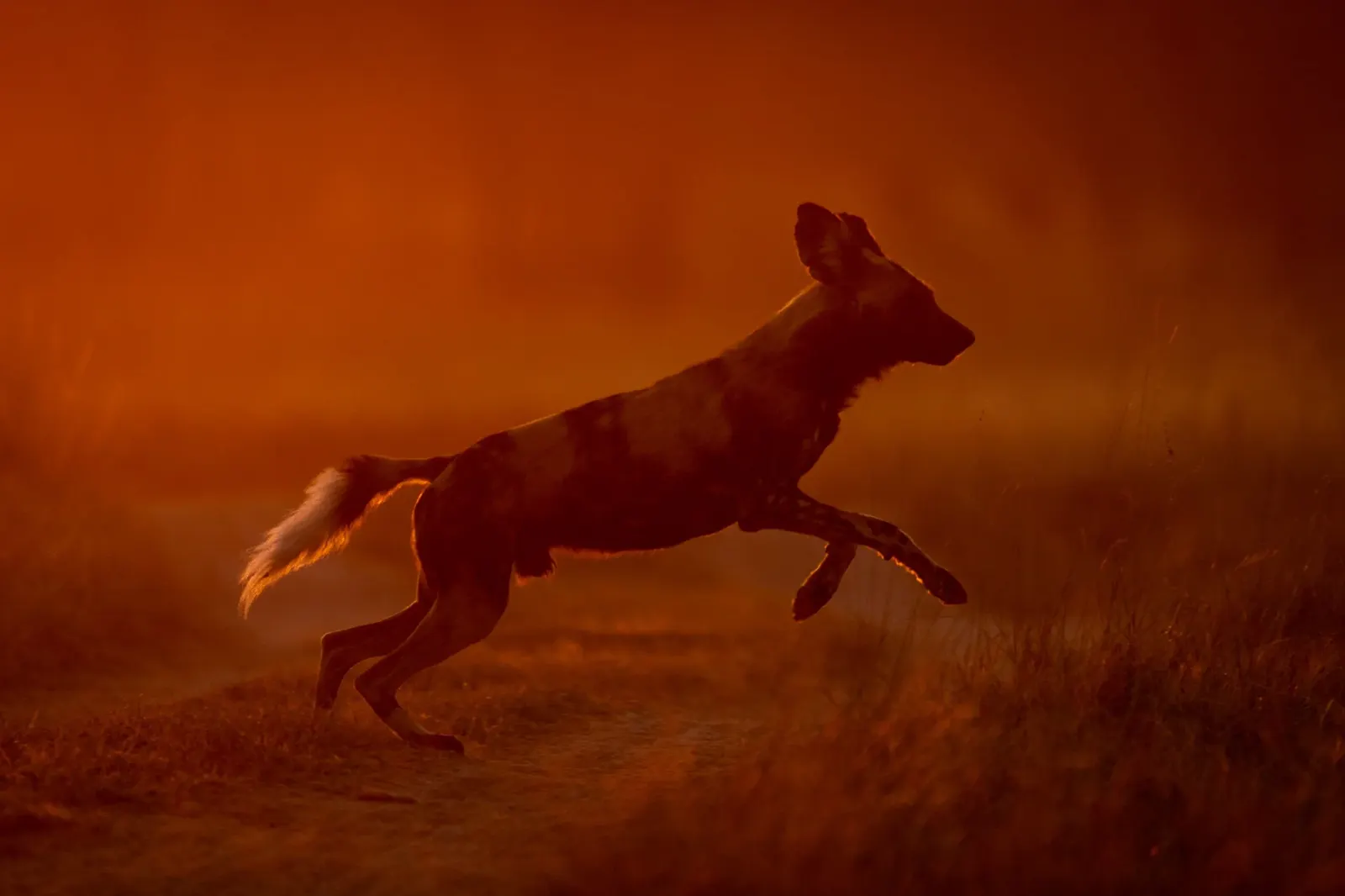
African Wild Dog
Africa's Most Efficient Predator
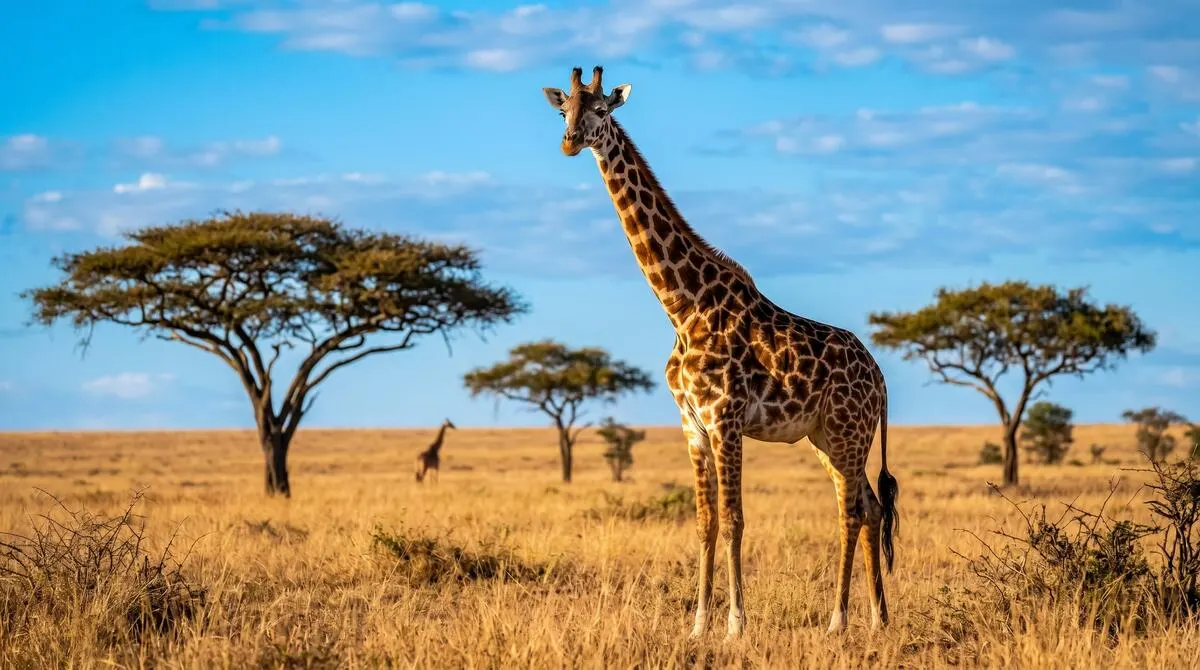
South African Giraffe
The Tallest Animal on Earth
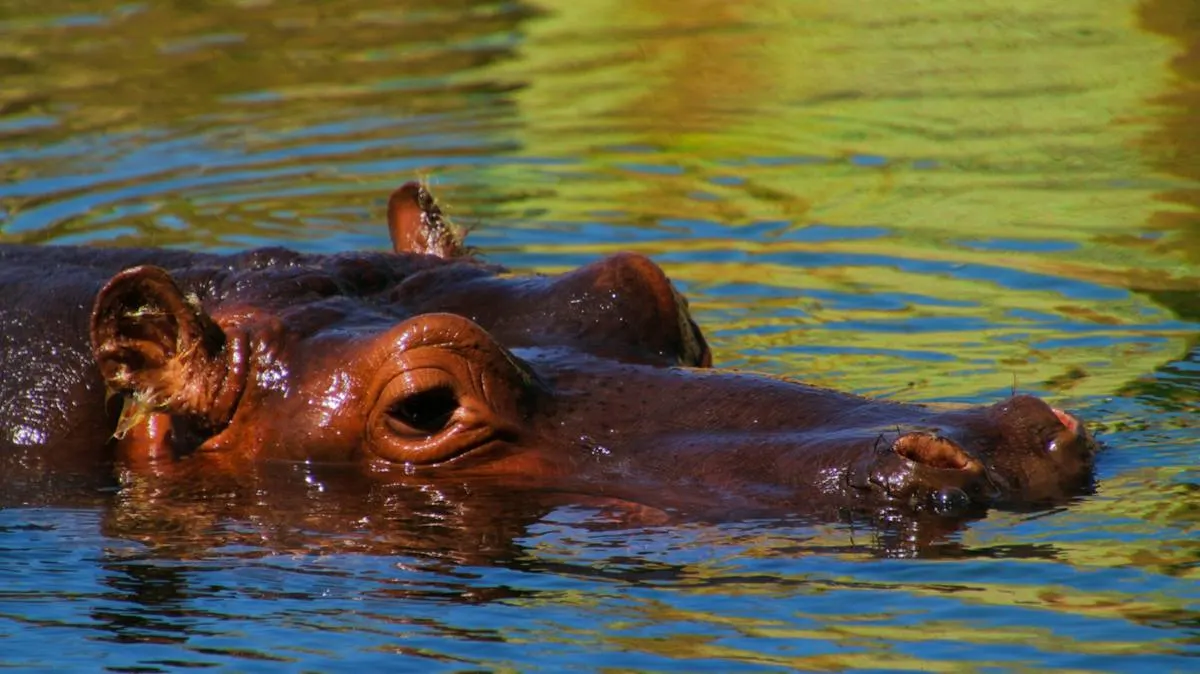
Hippopotamus
River Horse of Africa