Springbok
Antidorcas marsupialis
South Africa's National Animal
Habitat
Dry savanna, semi-desert, grassland, and open shrubland in southern Africa
Diet
Mixed feeder
Lifespan
7–10 years (wild)
Weight
27–48 kg
About the Springbok
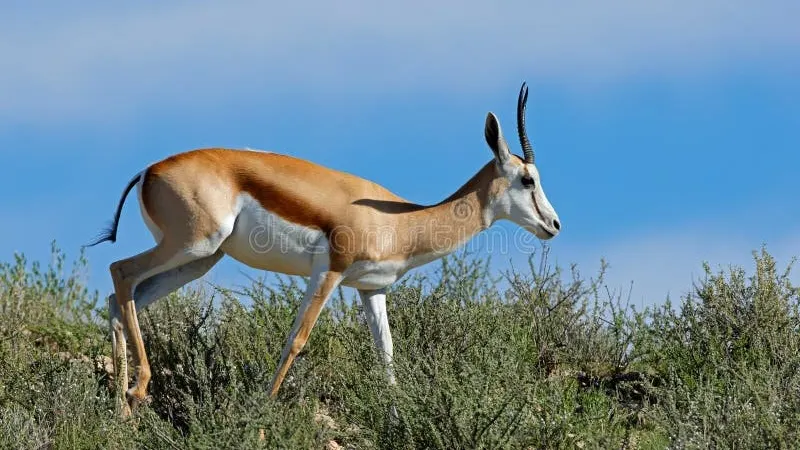
The springbok is South Africa's national animal and an enduring symbol of the nation, lending its name to the country's beloved rugby team, the Springboks. This graceful antelope is famed for its extraordinary "pronking" behaviour — a spectacular display in which it leaps up to 3.5 metres into the air with an arched back and lowered head, flashing the white fur along its dorsal ridge. Scientists debate whether pronking serves to alert predators that the springbok is fit and not worth chasing, or simply as a display of exuberance.
Historically, springbok formed "trekbokken" — migrating herds of millions that moved across the South African landscape in columns stretching as far as the eye could see. While these mega-herds are now a thing of the past, springbok remain abundant across the arid and semi-arid regions of southern Africa. The Kgalagadi Transfrontier Park on the South Africa–Botswana border is the premier destination for seeing springbok in their natural semi-desert habitat, often alongside cheetah, lion, and other Kalahari predators.
Habitat & Diet
Habitat
Dry savanna, semi-desert, grassland, and open shrubland in southern Africa
Diet
Mixed feeder — grasses in wet season, browsing shrubs and succulents in dry season
Lifespan
7–10 years (wild)
Weight
27–48 kg
Social Behaviour
Springbok form mixed herds of up to several hundred individuals during the wet season, separating into smaller bachelor and nursery herds in dry months. Males establish territories during the rut, marking with dung middens and preorbital gland secretions. Their famous "pronking" display — leaping repeatedly with stiff legs and arched back — may signal fitness to predators or express excitement.
Population
Approximately 2–2.5 million across southern Africa; abundant in South Africa, Namibia, and Botswana
Where to See Springbok on Safari
Kgalagadi Transfrontier Park
Etosha National Park
Central Karoo
Mountain Zebra National Park
Best Time to Visit
Year-round in the Kgalagadi and Karoo. The cooler months (May–August) see more active pronking behaviour. Lambing season (October–November) offers adorable photo opportunities.
Fascinating Facts About Springbok
Springbok can "pronk" up to 3.5 metres into the air — higher than an average doorway
They can reach speeds of 88 km/h, making them one of the fastest land animals
Historical "trekbokken" herds numbered in the millions and took days to pass a single point
The white dorsal crest that flares during pronking releases a sweet, honey-like scent from skin glands
South Africa's national rugby team is named after this iconic antelope
Photography Tips: Capturing the Springbok
Pronking shots are the holy grail — use burst mode and a fast shutter speed (1/2000s+) to freeze the leap at its apex
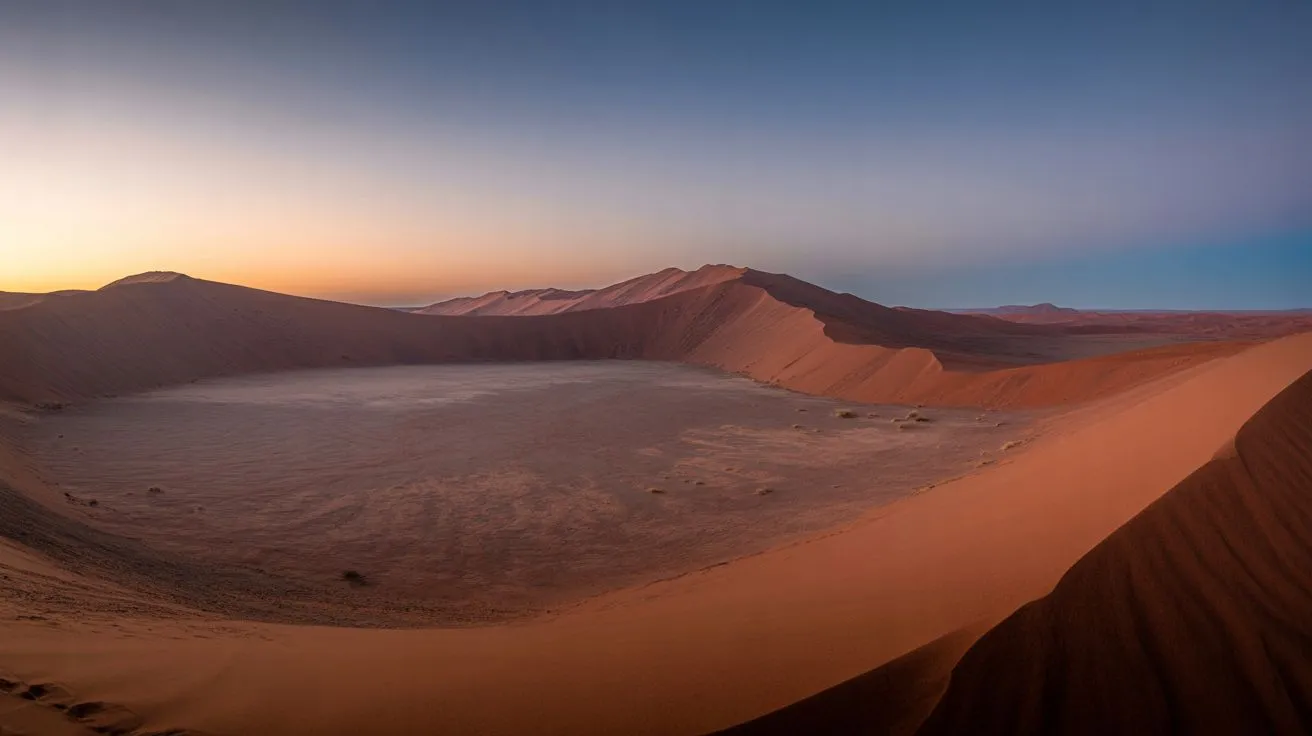
The red Kalahari dunes of the Kgalagadi create stunning backdrops for springbok silhouettes
Capture herds against vast, minimalist Karoo landscapes for a sense of the wide-open South African interior
Close-up portraits showing the delicate facial markings and curved lyre-shaped horns are beautiful
Sunset and sunrise shots with pronking or running springbok create dynamic, warm-toned action images
Where to Stay to See Springbok
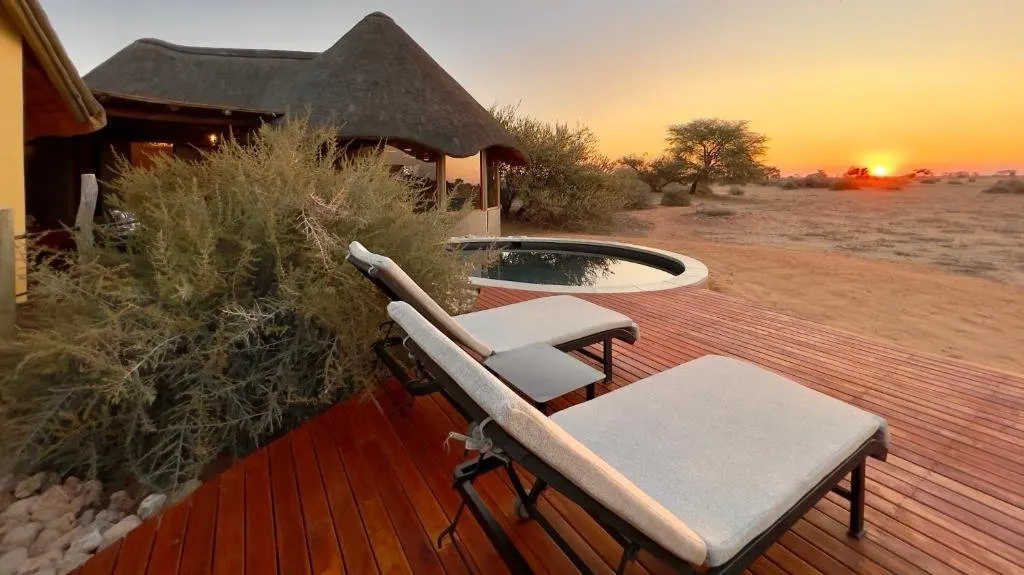
Kgalagadi Transfrontier Park — Nossob Camp
Remote Kalahari wilderness where springbok herds share the red dunes with predators like cheetah, lion, and martial eagle.
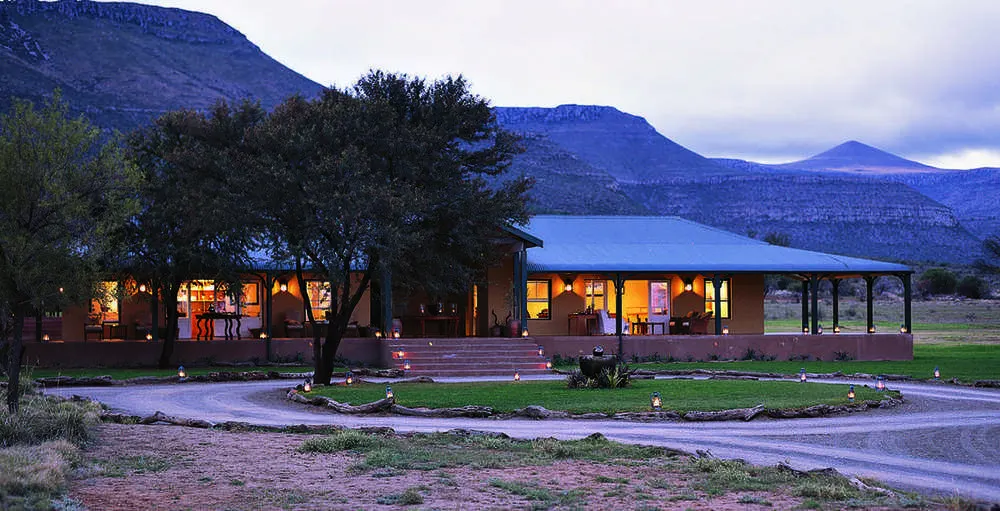
Samara Private Game Reserve
Karoo heartland reserve where springbok roam the plains alongside cheetah — the only Big Five malaria-free reserve in the Eastern Cape.
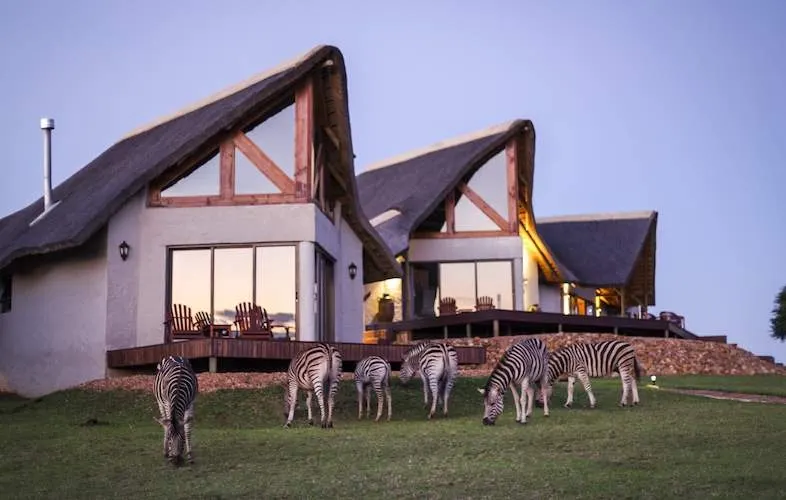
Mountain Zebra National Park
A tranquil Karoo park with springbok, Cape mountain zebra, and breath-taking Valley of Desolation views.
Springbok Conservation
Threats
Habitat conversion for agriculture, particularly in the Karoo
Fencing restricting natural movement patterns
Overgrazing by livestock reducing available habitat
Hybridisation with blesbok in some areas where ranges overlap artificially
Conservation Efforts
Springbok are one of southern Africa's conservation success stories, with populations stable and abundant in protected areas. The expansion of the Kgalagadi Transfrontier Park and Karoo national parks has secured critical habitat. Game farming has also contributed to springbok numbers, with private landowners maintaining herds for ecotourism and sustainable use.
Frequently Asked Questions About Springbok
The springbok was chosen as South Africa's national animal because it is endemic to southern Africa, symbolises grace, speed, and agility, and has deep cultural significance. The Springbok rugby team adopted the name in 1906, and the animal became a powerful symbol of national identity. After the 1995 Rugby World Cup, Nelson Mandela famously wore a Springbok jersey, transforming it into a symbol of national unity.
Safari Packages to See Springbok
Multi-day, all-inclusive safari packages that include the best springbok viewing destinations.
Ready to See Springbok in the Wild?
Our expert safari consultants will craft your perfect springbok encounter — from choosing the ideal reserve to selecting the best season and lodge.
Plan Your Springbok Safari
Safari Experiences
Big Five game drives, walking safaris & more
Safari Lodges
Luxury accommodation in prime wildlife areas
Destinations
Kruger, Sabi Sands, Masai Mara & beyond
Best Time to Visit
Plan your trip around peak wildlife seasons
Safari Costs
Honest pricing guide for every budget
Conservation
How your safari protects African wildlife
Explore More African Wildlife
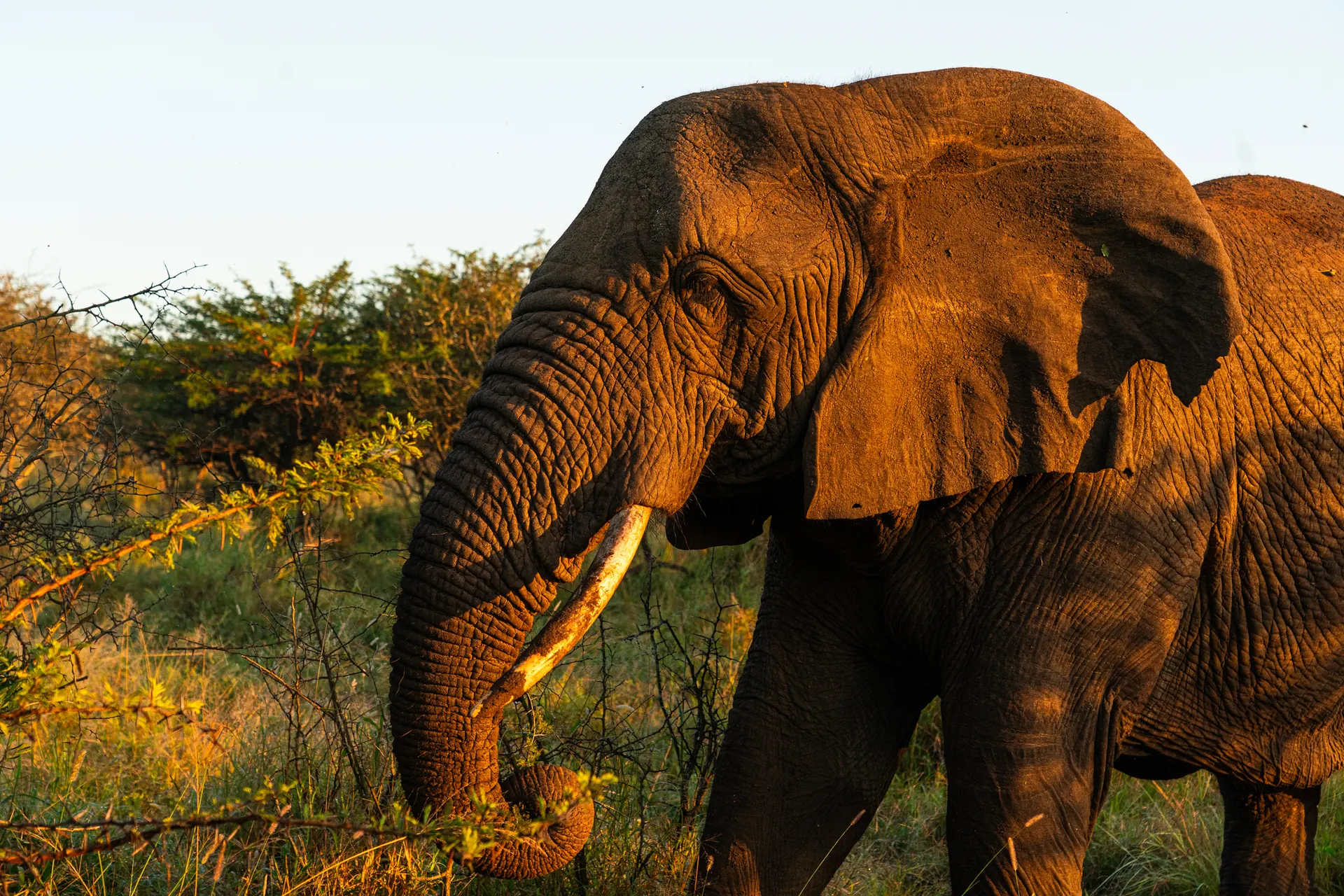
African Elephant
The Gentle Giants of the African Bush
African Lion
The King of the African Savanna
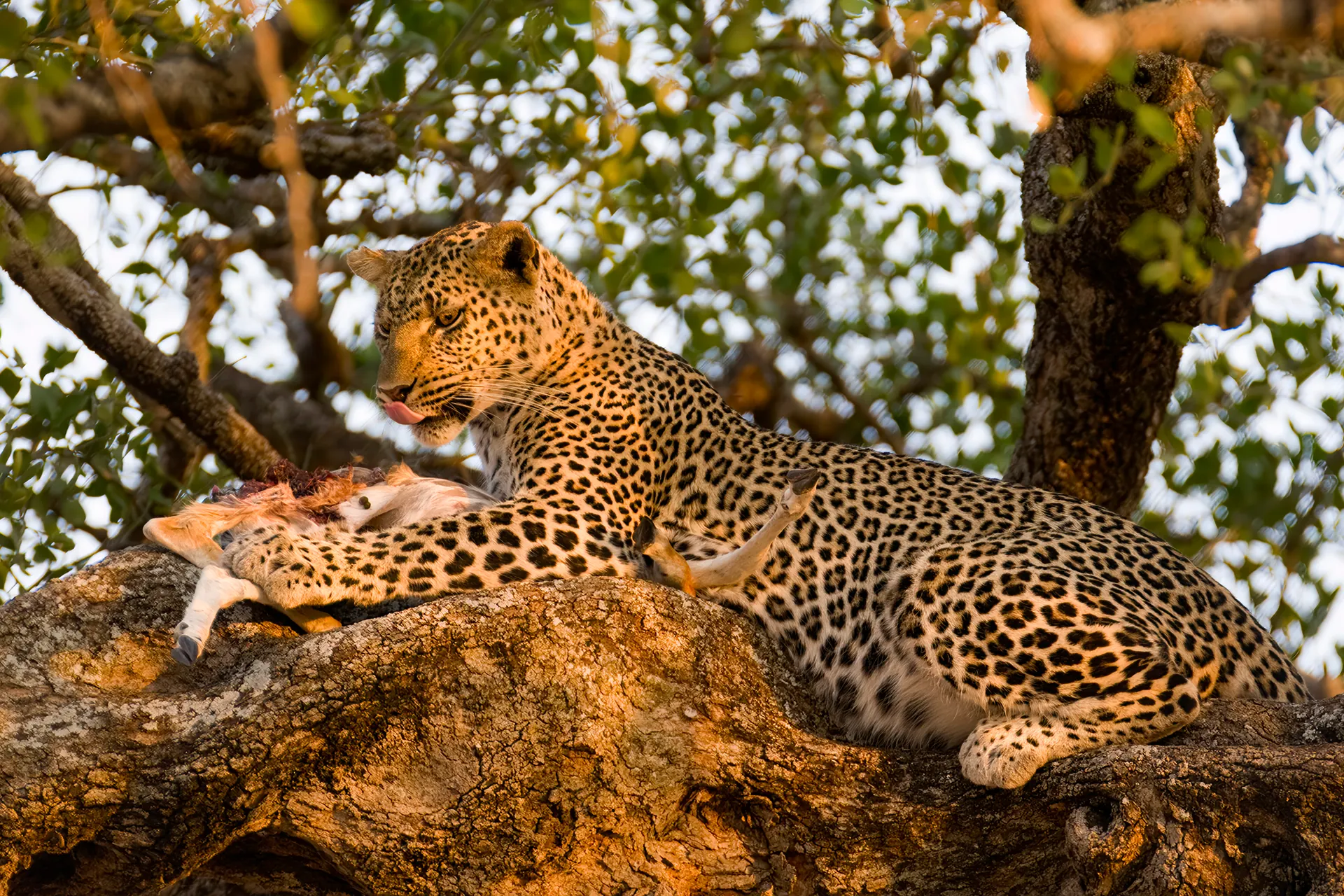
African Leopard
The Elusive Ghost of the Bush
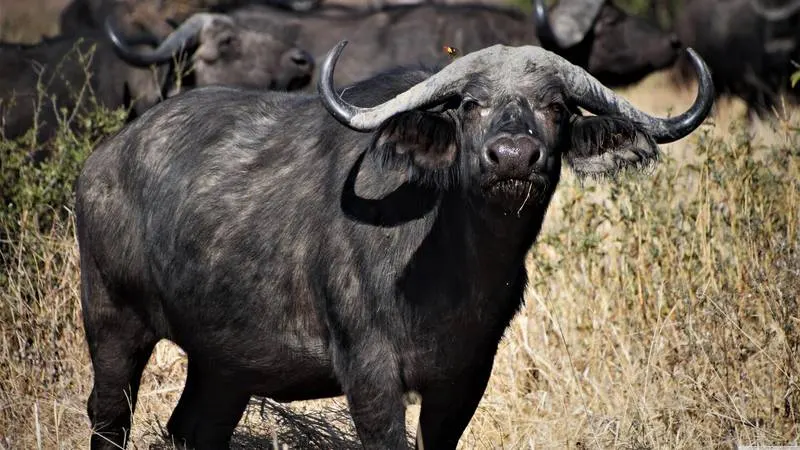
Cape Buffalo
Africa's Most Dangerous Bovine
White Rhinoceros
Guardians of the Grassland
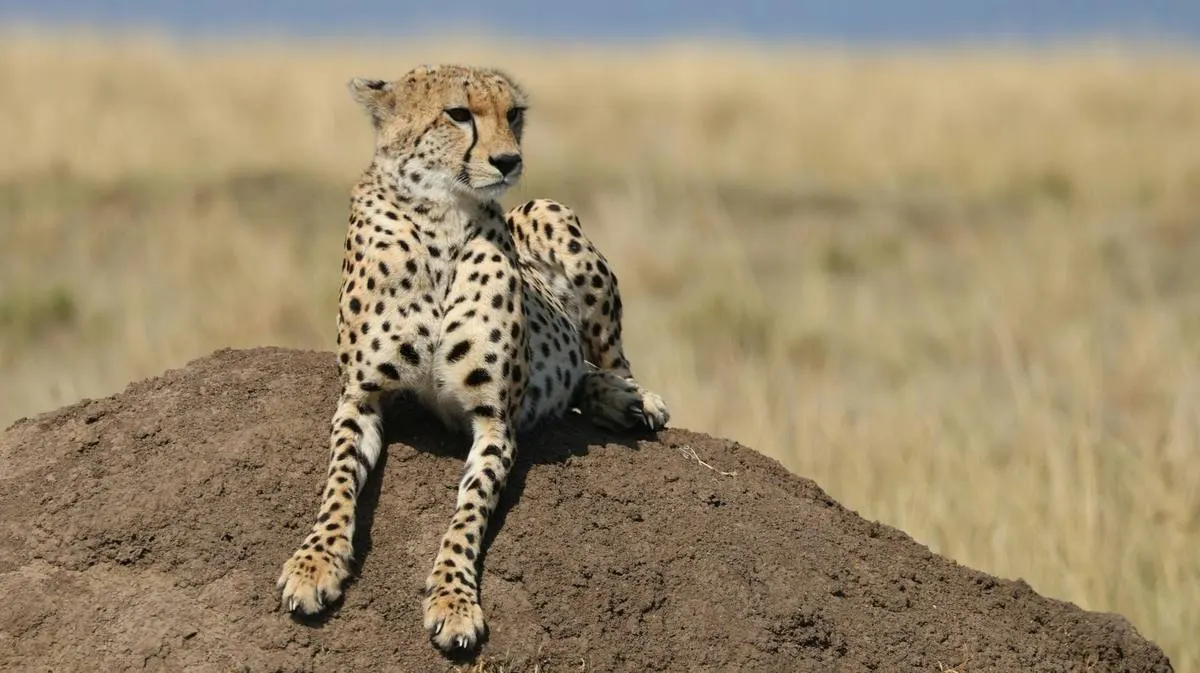
Cheetah
The Fastest Animal on Land
African Wild Dog
Africa's Most Efficient Predator
South African Giraffe
The Tallest Animal on Earth