Capturing Africa's Magic Through Your Lens
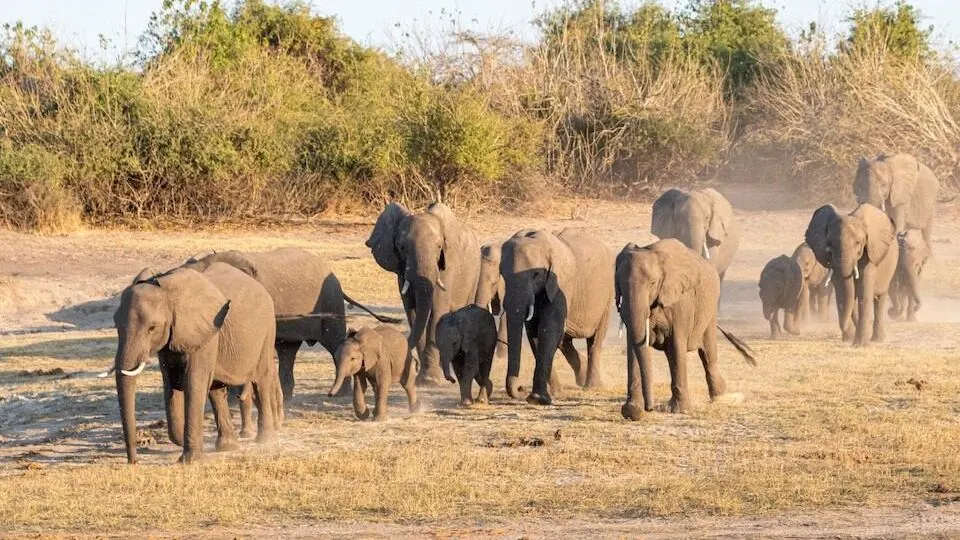
An African safari offers some of the most extraordinary wildlife photography opportunities on Earth. From a charging elephant to a leopard's amber eyes at sunset, the subjects are unparalleled. But safari photography has unique challenges: unpredictable subjects, dust, vibration from vehicles, and rapidly changing light.
This guide covers everything from camera gear to field techniques, helping you return home with images that do justice to what you witnessed.
Essential Camera Gear
Camera Body
A camera with fast autofocus, good high-ISO performance, and decent burst speed is ideal. Both DSLR and mirrorless work beautifully. Budget options like the Canon R10 or Nikon Z50 are excellent for safari.
Lenses — The Most Important Investment
- Must-have: 100–400mm telephoto zoom (covers 90% of safari photography)
- Ideal addition: 24–105mm or 24–70mm for landscapes, camps, and wider scenes
- Dream lens: 200–600mm or 100–500mm for ultimate reach
- Skip: Prime lenses (impractical when you can't move closer), ultra-wide angles (rarely needed)
Accessories
- Bean bag: The most useful safari accessory — rest it on the vehicle door for stability. Bring empty and fill with rice/beans on arrival.
- Extra batteries: Minimum 2 camera batteries. Cold mornings drain batteries fast.
- Memory cards: 256GB+ total. Shoot RAW files — they're large but give you maximum editing flexibility.
- Dust protection: Ziplock bags and a lens cloth. Safari dust infiltrates everything.
- Laptop/hard drive: Back up your images every evening. Card failure happens.
Camera Settings for Safari
💡 The Golden Settings
Start with Aperture Priority (Av/A), ISO Auto (max 6400), minimum shutter speed 1/500s for stationary animals, 1/1000s+ for action. Use continuous autofocus (AI Servo/AF-C) with animal eye detection if your camera supports it.
Specific Scenarios
- Stationary animal portrait: f/5.6–f/8, 1/500s, lowest ISO possible. Focus on the eyes.
- Action (running/flying): f/5.6, 1/2000s+, auto ISO. Continuous burst mode.
- Bird in flight: f/6.3, 1/3000s+, auto ISO. Pre-focus where you expect the bird to fly.
- Sunset silhouette: f/8–f/11, expose for the sky, let the animal go dark.
- Night/spotlight: f/2.8–f/4, 1/250s, ISO 6400+. Shoot what you can — these are challenging conditions.
From a charging elephant to a leopard's amber eyes at sunset, the subjects are unparalleled.
Composition & Technique
- Eyes sharp: The #1 rule. If the eyes are sharp, the image works. If not, it doesn't. Use eye-detect AF when available.
- Shoot at eye level: This means getting low. Some vehicles allow you to shoot through floor-level hatches — use them.
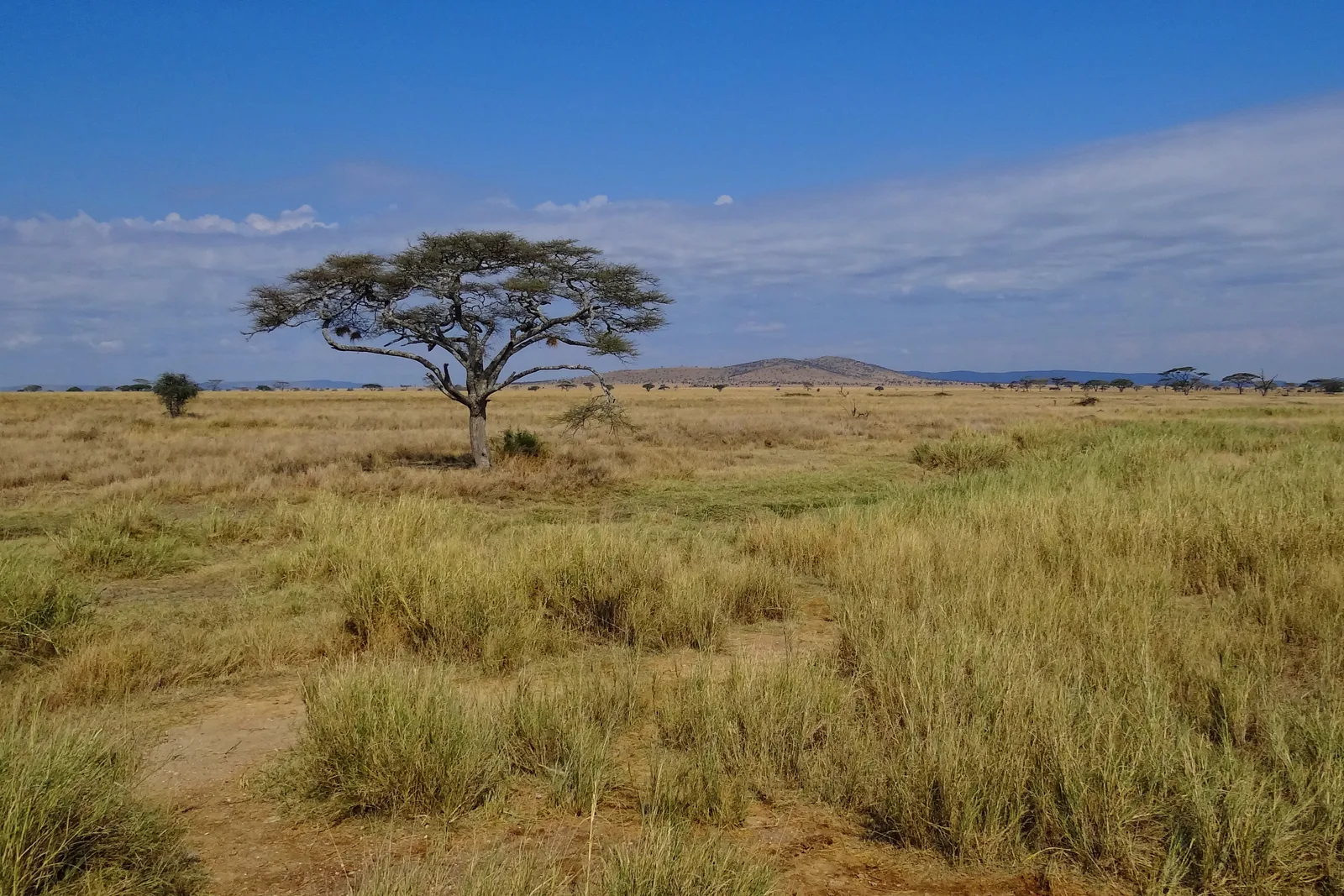
- Include environment: Not every shot needs a frame-filling head portrait. Pull back and show the animal in its landscape for storytelling images.
- Anticipate behaviour: Watch for head turns, yawns, interactions. The split-second before action is when great images happen.
- Golden hours: The first and last hour of daylight produce 90% of the best safari photographs. Midday light is flat and harsh.
Best Destinations for Safari Photography
- Sabi Sands: Close-up predator encounters, especially leopard. Off-road positioning gives you the best angles.
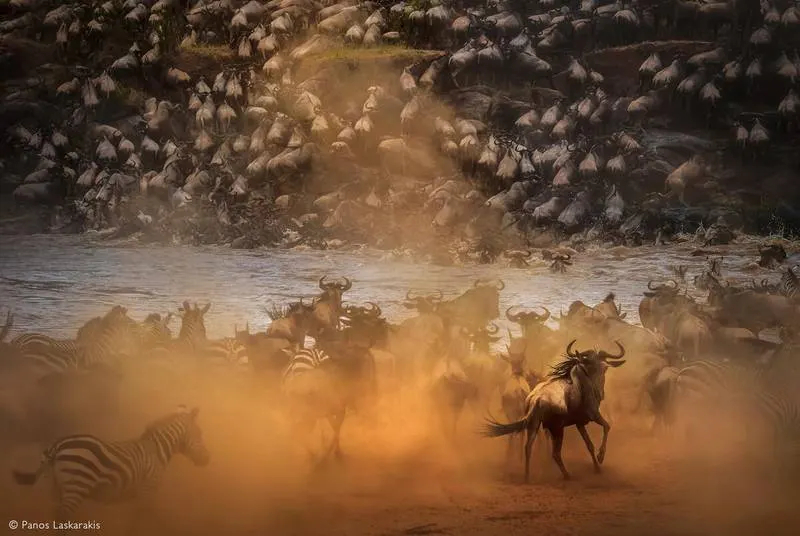
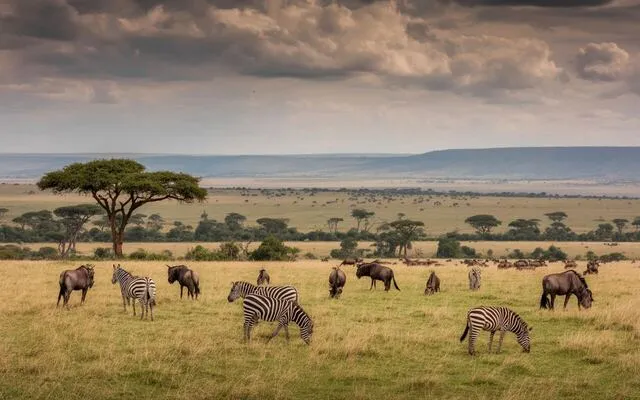
- Masai Mara: Open plains = clean backgrounds. River crossings are photography's ultimate wildlife event.
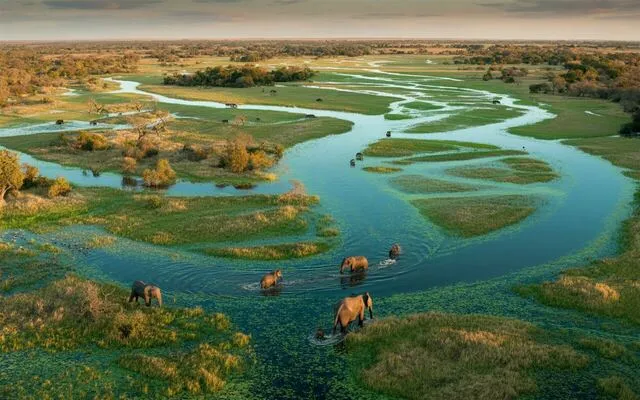
- Okavango Delta: Water reflections, mokoro perspectives, unique above-and-below compositions.
- Amboseli (Kenya): Elephants with Kilimanjaro backdrop — one of photography's most iconic compositions.
🏆 Recommended: Photography Safari
Expert guides, optimal positioning, extended game drives
From $2,800/person · 5 nights
Frequently Asked Questions
Is a smartphone good enough for safari?
Modern smartphones take decent safari photos in good light, but they struggle with telephoto reach, low light, and fast action. If photography matters to you, a dedicated camera with a telephoto lens will dramatically improve your results.
Should I book a dedicated photography safari?
If photography is your primary goal, yes. Photography-specific safaris offer extended drive times, optimal vehicle positioning, beanbag mounts, and guides who understand a photographer's needs. Some lodges offer photographic hides near waterholes for unique perspectives.
Plan Your Photography Safari
Our team includes keen photographers who understand your needs. We'll match you with lodges and guides that optimise your photographic opportunities.
Tours & Safaris You'll Love
Handpicked by our team based on what you're reading. Book direct for the best price — guaranteed.
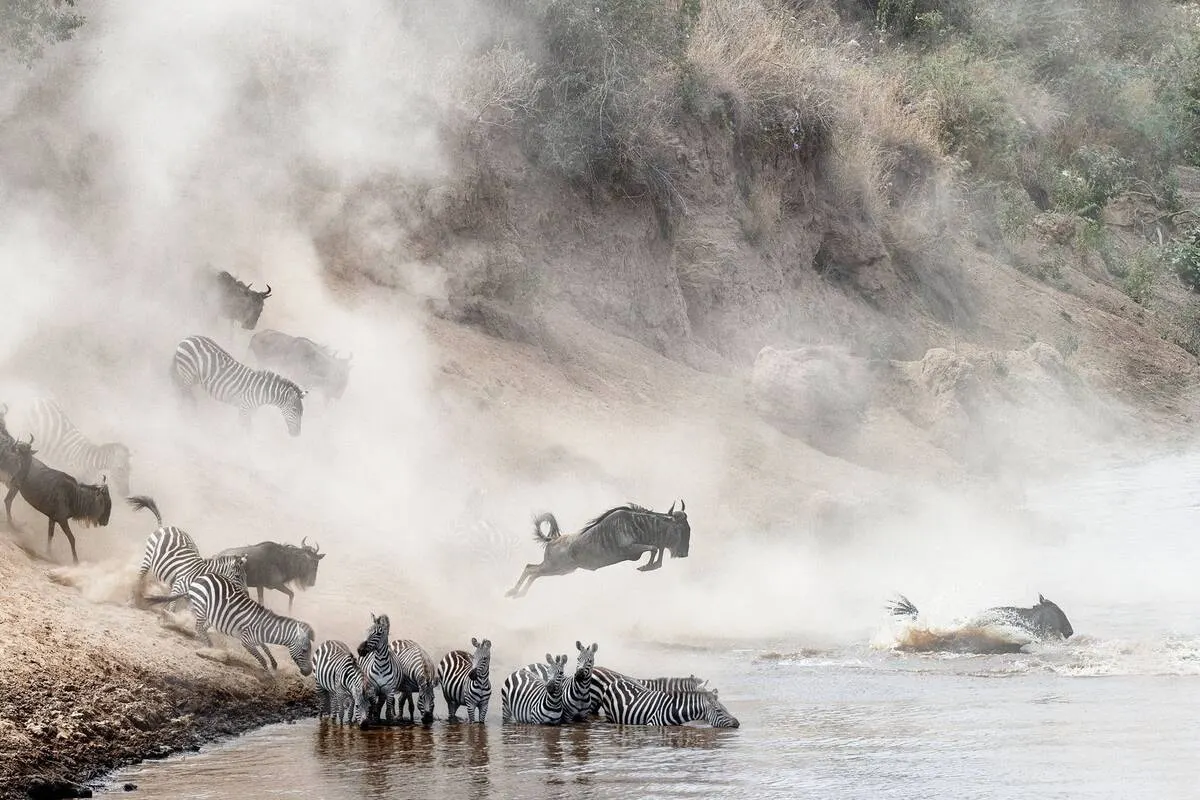
Serengeti Great Migration River Crossing — Mara River Safari
Witness the world's greatest wildlife spectacle — wildebeest crossing the Mara
per person • Best price direct
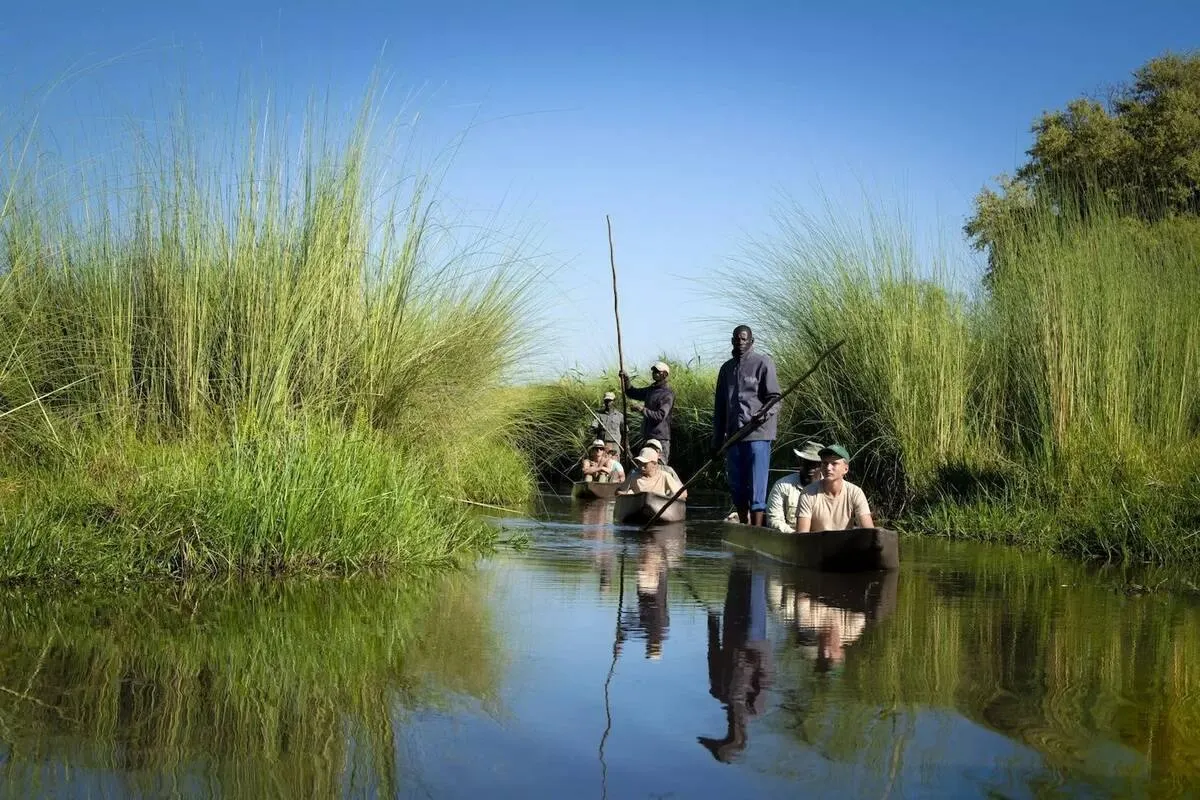
Okavango Luxury Fly-In Wilderness Camp — 5-Star Under Canvas
The world's most exclusive tented camp — deep in the delta
per person • Best price direct
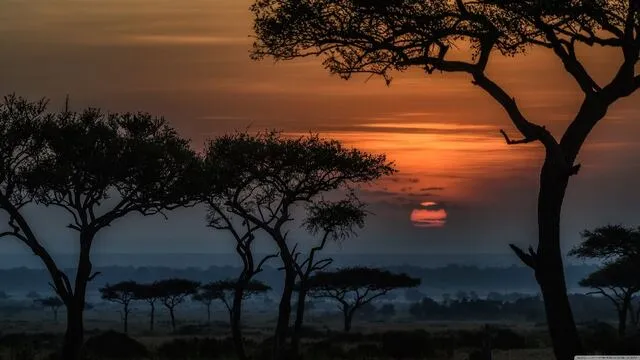
Masai Mara Great Migration Safari — River Crossing Season
Witness nature's greatest spectacle — millions of wildebeest crossing the Mara River
per person • Best price direct
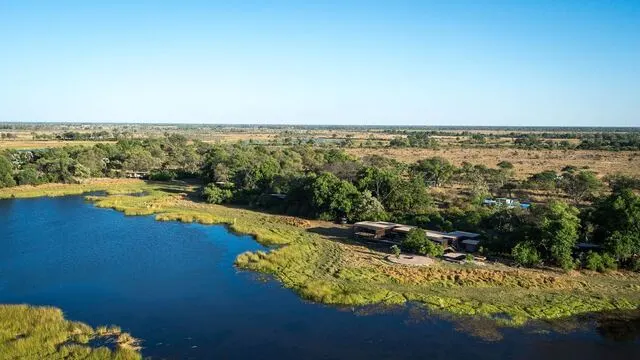
Okavango Delta Fly-In Safari — Luxury Bush Camp
The world's most exclusive safari destination from above and within
per person • Best price direct
Why book with middlemen? Same tours, lower prices, direct support from our team.
Get a Free Custom Quote