Best Camera Settings for Safari Photography in 2026
There is nothing quite like the moment a leopard locks eyes with your lens from a sun-dappled acacia branch, or a herd of elephants silhouettes itself against a blazing Kruger sunset. Safari photography is one of the most rewarding — and technically demanding — genres of wildlife photography in the world. Getting your camera settings right can mean the difference between a blurry memory and a frame-worthy masterpiece.
At Ingwe Africa Safaris, we have spent years guiding photographers of every skill level across South Africa, Botswana, Kenya, and Tanzania. In this comprehensive guide, we share the exact camera settings, gear recommendations, and field techniques our expert guides swear by. Whether you are shooting with a mirrorless flagship or a mid-range DSLR, these tips will transform your safari images.
Understanding the Safari Light Environment
African light is extraordinary — and unforgiving. The golden hours just after sunrise and before sunset produce that warm, painterly glow that makes safari images iconic. Midday light, however, is harsh and flat, washing out colours and creating deep shadows under animals' eyes.
Plan your game drives around the light. Most safari game drives depart at first light (around 05:30–06:00) and again in the late afternoon (around 15:30–16:00) for exactly this reason. The midday break is your time to review images, charge batteries, and rest — not to shoot.
During the golden hour, light changes rapidly. A setting that works perfectly at 06:15 may be completely wrong by 06:45. Learn to read the light and adjust on the fly. This is where understanding your camera's exposure triangle becomes essential.
Understanding the Safari Light Environment African light is extraordinary — and unforgiving.
The Exposure Triangle: Shutter Speed, Aperture, and ISO
Shutter Speed: Freeze the Action
Wildlife moves fast — especially predators. A cheetah at full sprint can cover 100 metres in under four seconds. To freeze motion cleanly, you generally need a shutter speed of at least 1/1000s for running animals, and 1/500s for slower-moving subjects like grazing elephants or perched birds.
For birds in flight — one of the most challenging safari subjects — aim for 1/2000s or faster. Yes, this will push your ISO higher, but a sharp image with some grain is always preferable to a perfectly exposed blur.
In low light (early morning or late evening), you may need to compromise. A shutter speed of 1/250s can work for stationary subjects, but be ready to bump your ISO significantly.
Aperture: Depth of Field and Background Separation
A wide aperture (low f-number like f/4 or f/5.6) creates beautiful background blur (bokeh) that isolates your subject from the busy bush environment. This is the classic look of professional safari photography — a sharp lion face against a creamy, out-of-focus golden grass background.
Most telephoto lenses used on safari (300mm–600mm) have a maximum aperture of f/4 to f/6.3. Shoot wide open in low light to maximise the light entering your sensor. In bright midday conditions, you can stop down to f/8 for sharper detail across a larger animal like an elephant or giraffe.
For environmental portraits — where you want to show the animal in its landscape context — use f/8 to f/11 to keep both the subject and the sweeping savannah in focus. These images tell a powerful story about habitat and scale.
ISO: Managing Noise in the Field
Modern mirrorless cameras from Sony, Nikon, and Canon handle high ISO remarkably well. Do not be afraid to push to ISO 3200 or even 6400 in low light — the grain in a sharp, well-exposed image is far more acceptable than the blur of a too-slow shutter speed.
As a general starting point for golden hour shooting, try: ISO 800, f/5.6, 1/800s. Adjust from there based on your histogram. Aim to expose to the right (ETTR) — a slightly bright image retains more shadow detail and is easier to correct in post-processing than an underexposed one.
Recommended Camera Modes for Safari
Aperture Priority (Av/A Mode)
This is the workhorse mode for most safari photographers. Set your desired aperture, dial in your minimum shutter speed using Auto ISO, and let the camera handle the rest. On Canon cameras, use the Auto ISO with minimum shutter speed setting. On Sony bodies, the Auto ISO minimum SS feature is equally powerful.
This approach lets you react quickly when an animal suddenly moves — you are not fumbling with multiple dials while a leopard drops from a tree.
Manual Mode with Auto ISO
More experienced photographers often prefer Manual mode with Auto ISO. Set your shutter speed (e.g., 1/1000s) and aperture (e.g., f/5.6), and let the camera choose the ISO. This gives you full control over the two most critical variables while still adapting to changing light. It is the lekker sweet spot between control and flexibility.
Burst Mode and Continuous Autofocus
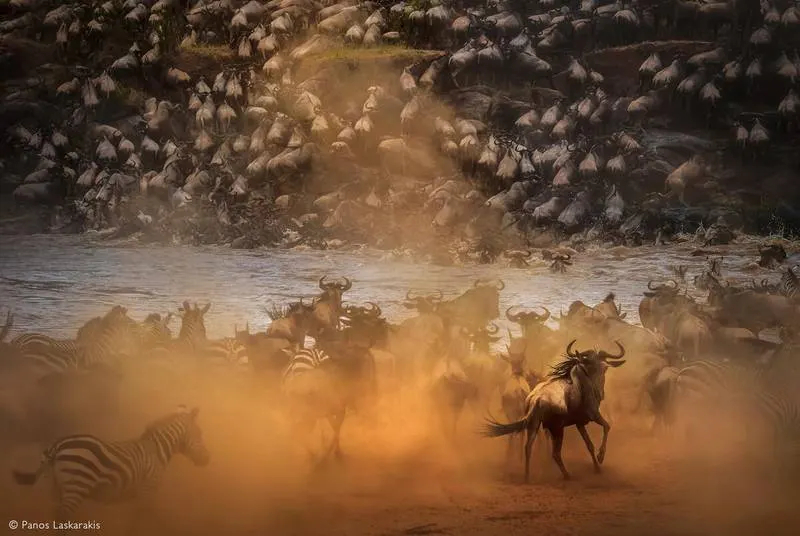
Always shoot in burst mode (continuous high-speed) when photographing moving animals. Modern cameras can fire 10–30 frames per second. This dramatically increases your chances of capturing the perfect moment — the exact instant a lion yawns, a fish eagle dives, or a wildebeest leaps a river crossing.
Pair burst mode with your camera's best continuous autofocus (AF-C on Nikon/Sony, AI Servo on Canon). Use animal eye-detection AF if your camera supports it — it is a game-changer for keeping a moving predator's eye tack-sharp.
Essential Gear for Safari Photography
Lenses: The Most Important Investment
A quality telephoto lens is far more important than the camera body. For safari, you want a minimum of 300mm, with 400mm–600mm being ideal. Top choices include:
- Canon RF 100-500mm f/4.5-7.1 L IS (~$3,100) — versatile zoom with excellent image stabilisation
- Sony FE 200-600mm f/5.6-6.3 G OSS (~$2,000) — outstanding value for Sony mirrorless users
- Nikon Z 100-400mm f/4.5-5.6 VR S (~$2,700) — superb sharpness on the Z system
- Sigma 150-600mm f/5-6.3 DG OS HSM Sports (~$1,900) — excellent third-party option for Canon/Nikon DSLR users
A 70-200mm f/2.8 is also worth packing for environmental portraits and wide-angle wildlife scenes. A wide-angle lens (16-35mm) captures dramatic landscapes and camp scenes — perfect for those braai-under-the-stars moments.
Camera Bodies
Any modern full-frame or APS-C mirrorless body will serve you well. Top picks for 2026 include the Sony A9 III, Canon EOS R5 Mark II, and Nikon Z8. APS-C bodies like the Sony A6700 or Fujifilm X-T5 offer a 1.5x crop factor that effectively extends your reach — a 400mm lens becomes a 600mm equivalent, which is very lekker for distant subjects.
Bring at least two camera bodies if possible. Dust, humidity, and the occasional unexpected rain shower are realities of the African bush. A backup body is not a luxury — it is insurance.
Support and Accessories
A beanbag is the safari photographer's best friend. It rests on the vehicle window frame and provides a stable, vibration-dampening platform for your telephoto lens. Tripods are impractical in a moving game drive vehicle. Bring a quality beanbag (filled with dried beans or rice, or buy a fillable one and fill it on arrival).
Other essentials: extra batteries (cold mornings drain them fast), multiple high-speed memory cards (128GB minimum), a blower brush for dust, a rain cover for your gear, and a laptop or iPad for evening culling and backup.
Field Techniques That Make the Difference
Patience and Positioning
The best safari photographers are not the ones with the most expensive gear — they are the ones who wait. Ask your guide to position the vehicle for the best light angle. Ideally, you want the sun behind you and slightly to one side, illuminating the animal's face. Shooting into the sun creates silhouettes (beautiful in their own right, but not for detail shots).
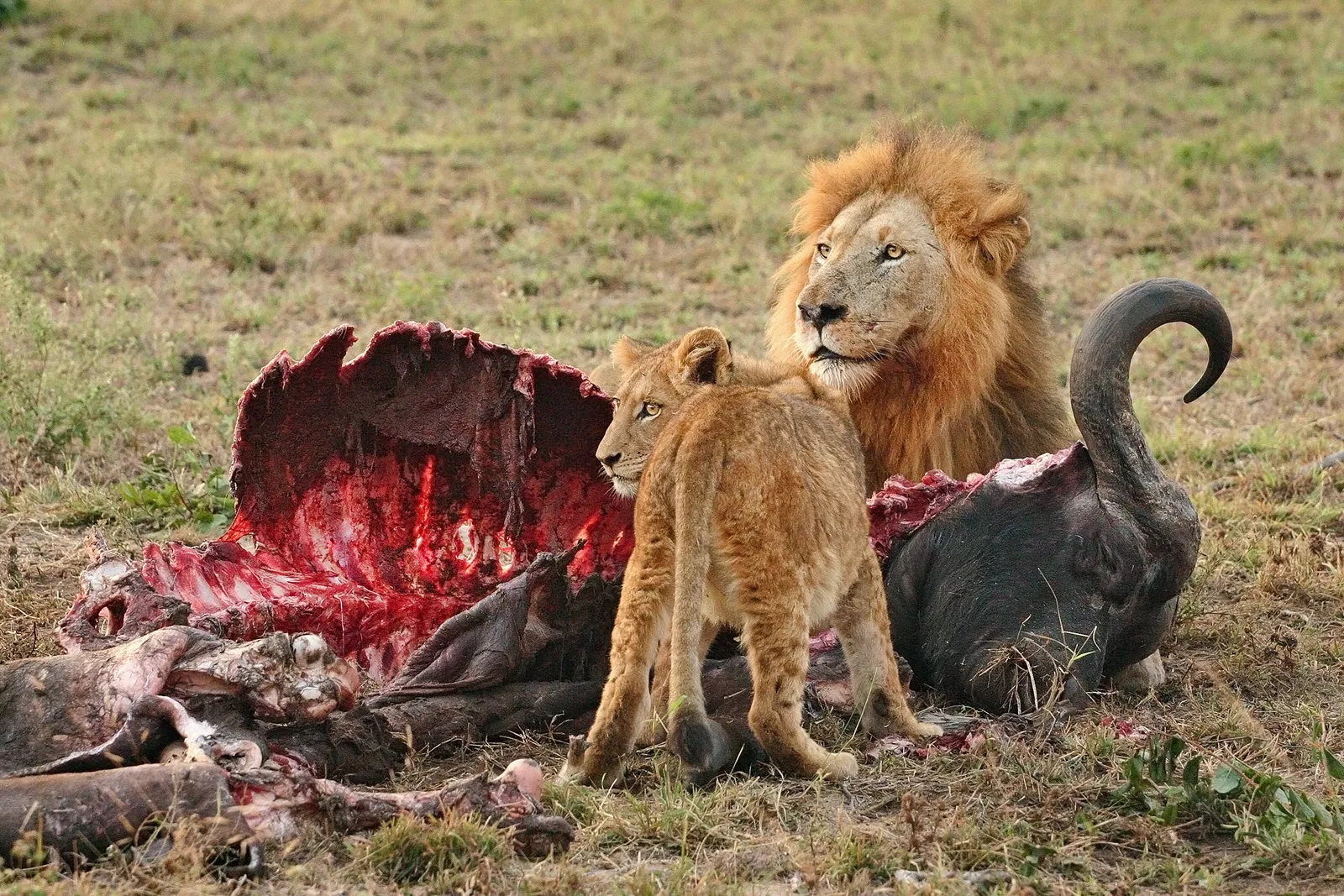
Stay with a sighting longer than you think necessary. Animals are unpredictable. A sleeping lion may yawn, stretch, and interact with a cub in the next five minutes. The photographers who leave early miss these moments.
Focus on the Eyes
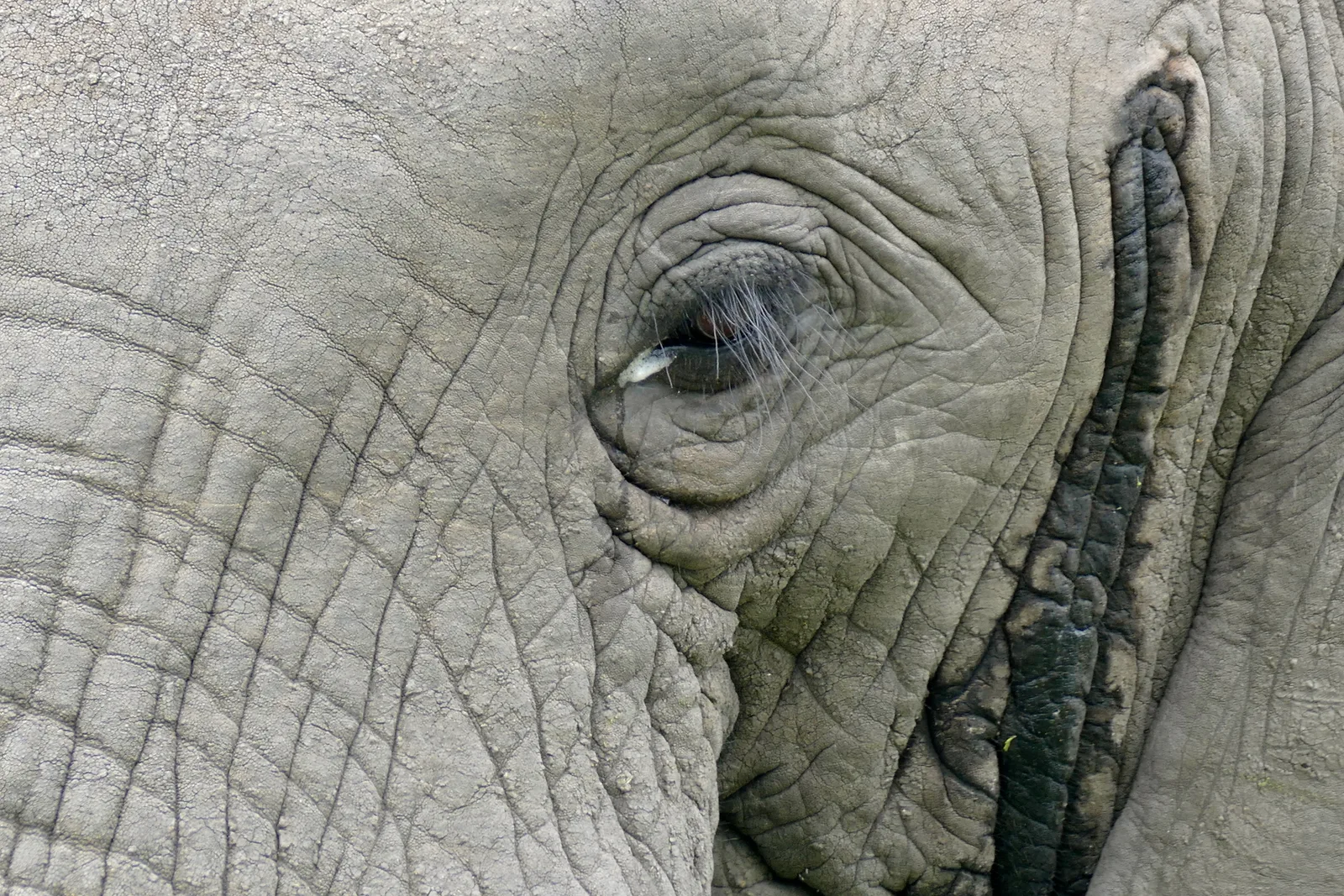
In wildlife photography, the eyes are everything. A sharp eye creates an emotional connection between the viewer and the animal. If the eyes are soft, the image fails — regardless of how sharp the rest of the body is. Use single-point AF or eye-detection AF and always prioritise the nearest eye.
Shoot RAW Format
Always shoot in RAW format, not JPEG. RAW files contain significantly more data, giving you far greater latitude to recover highlights, lift shadows, and correct white balance in post-processing. The difference between a good RAW file and a great final image is often made in Lightroom or Capture One, not in the field.
Anticipate Behaviour
Learn to read animal behaviour. A lion flicking its tail and lowering its head may be about to charge. A bird preening on a branch is likely to take flight soon. An elephant raising its trunk is scenting the air. Understanding these cues lets you pre-focus, adjust settings, and be ready before the decisive moment arrives.
Our guides on the Kruger Birding and Photography Safari and the Kruger Wildlife Photography Masterclass are trained to anticipate animal behaviour and position the vehicle for optimal shots. These dedicated photography safaris are designed specifically for serious photographers.
Post-Processing Tips for Safari Images
Great safari photography does not end when you lower your camera. Post-processing is where good images become great ones. Here are the key adjustments to make in Lightroom or Capture One:
- White balance: Warm up golden hour shots slightly (add 200–400K to the temperature slider). Cool down harsh midday images.
- Exposure and highlights: Recover blown highlights in bright skies. Lift shadows to reveal detail in dark fur or feathers.
- Clarity and texture: Add subtle clarity (+15 to +25) to bring out fur, feathers, and skin texture without over-sharpening.
- Noise reduction: Use AI-powered noise reduction (Lightroom Denoise, DxO DeepPRIME) for high-ISO images. The results are remarkable.
- Crop and straighten: Do not be afraid to crop for better composition. A tighter crop can transform a mediocre shot into a compelling portrait.
Best Safari Destinations for Photography in Southern and East Africa
Not all safari destinations are equal for photography. Here are our top picks:
Kruger National Park, South Africa
Kruger is arguably the best all-round photography destination in Africa. The open savannah, excellent road network, and high density of Big Five sightings make it ideal. The Kruger National Park offers everything from self-drive photography to guided open-vehicle game drives. Expect to pay $150–$400 per day for guided safaris, with private concessions like Sabi Sands offering premium experiences from $600–$1,500 per day.
Sabi Sands Private Game Reserve
Adjacent to Kruger, Sabi Sands is world-famous for its habituated leopards. These cats are so accustomed to vehicles that they will walk within metres of your lens. The Sabi Sands Leopard Tracking Safari is a bucket-list experience for any wildlife photographer.
Masai Mara, Kenya
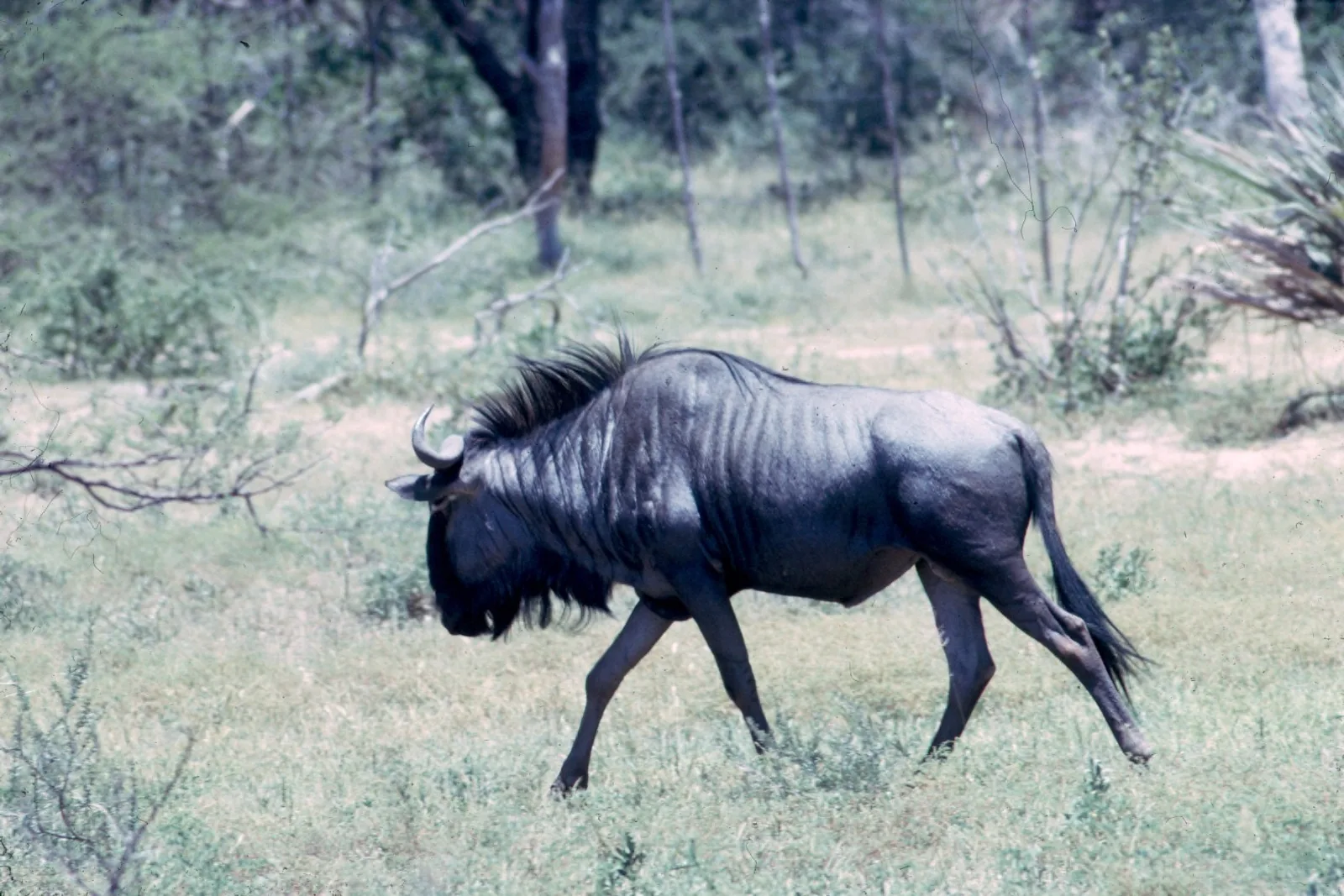
The Masai Mara offers the most dramatic wildlife spectacle on earth — the Great Migration. Between July and October, millions of wildebeest and zebra cross the Mara River in scenes of raw, primal chaos. The Masai Mara Big Cat Photography Safari is timed perfectly for peak migration crossings.
Chobe National Park, Botswana
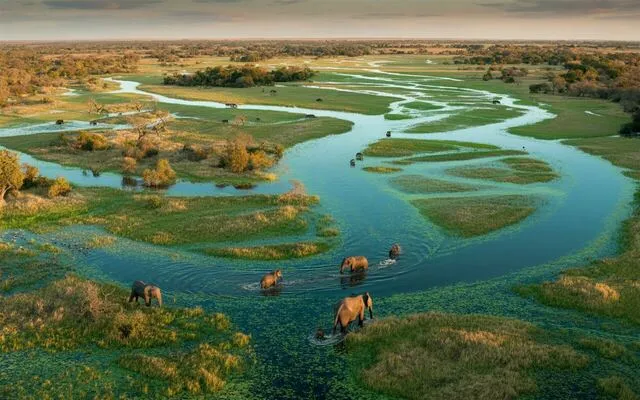
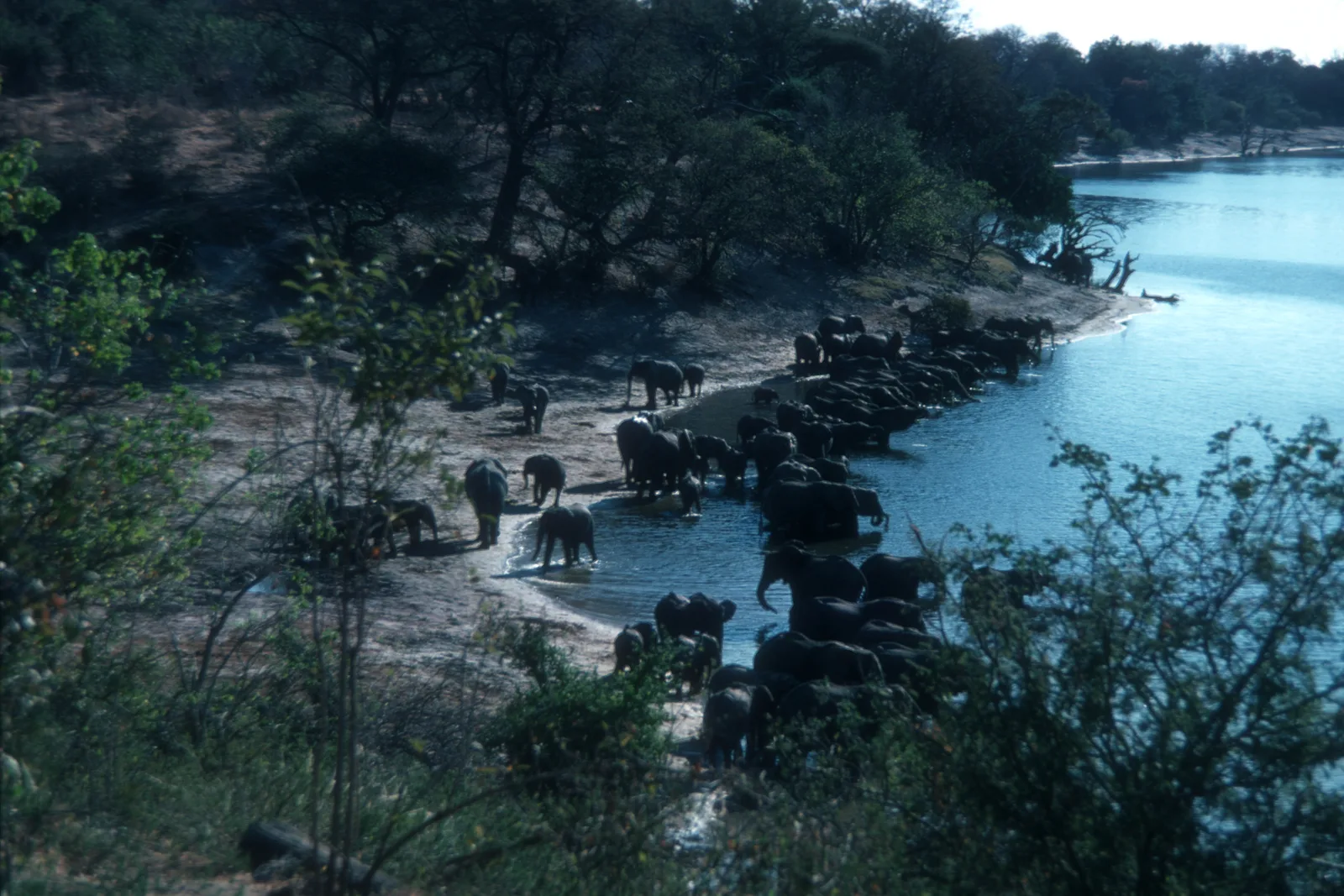
Chobe's elephant population — the largest in Africa — creates extraordinary photographic opportunities. Boat-based photography along the Chobe River puts you at eye level with elephants, hippos, and hundreds of bird species. The Botswana Chobe Elephant Safari includes dedicated photography time on the river.
Photography Safari Etiquette
Responsible photography is part of the ubuntu spirit that defines the best safari experiences. Never ask your guide to drive off-road to get closer to an animal — this damages the ecosystem and stresses wildlife. Never use flash photography near nocturnal animals. Keep noise to a minimum at sightings. And always respect the animal's space — a great image is never worth disturbing or endangering wildlife.
The best photographs come from patience and respect, not from pushing boundaries. Animals that feel safe and undisturbed behave naturally — and natural behaviour makes for the most compelling images.
Plan Your Photography Safari with Ingwe Africa Safaris
Ready to capture the images you have always dreamed of? Our team of experienced day trips">Cape Town-based safari operators can design a photography-focused itinerary tailored to your skill level, target species, and budget. From a day safari near Cape Town to a two-week photography expedition across multiple countries, we handle every detail so you can focus on what matters — making extraordinary images.
Use our Safari Cost Calculator to get an instant budget estimate, or browse our full range of safari tours to find the perfect photography adventure. We offer dedicated photography safaris with small groups (maximum 4 photographers per vehicle), expert naturalist guides, and vehicles specially configured for camera support.
Ready to Shoot the Safari of a Lifetime?
Do not leave your dream safari photographs to chance. Let Ingwe Africa Safaris put you in the right place, at the right time, with the right knowledge to capture images that will stop people in their tracks.
Enquire now and one of our photography safari specialists will be in touch within 24 hours to start planning your perfect shoot. Whether you are a seasoned professional or an enthusiastic beginner, we will make sure you come home with images that tell the story of Africa's wild heart.
You can also explore our Plan My Safari tool to start building your custom itinerary, or check out our latest safari deals for special offers on photography-focused departures.
Frequently Asked Questions
What camera do you need for safari photography?
A DSLR or mirrorless camera with a telephoto zoom lens (100–400mm or 200–600mm) is ideal. A 70–200mm lens works well for closer encounters and landscapes. Many photographers also bring a wide-angle lens for scenic shots and camp photos. A bean bag or monopod is more useful than a tripod in game vehicles.
What are the best camera settings for safari?
Start with Aperture Priority (Av/A) mode, f/5.6–f/8 for sharp wildlife portraits. Use Auto ISO with a maximum of 6400–12800 for low light. Set continuous autofocus (AI-Servo/AF-C) and high-speed burst mode. Shoot in RAW for maximum editing flexibility. Adjust shutter speed to 1/500s minimum for moving animals.
Which safari destination is best for photography?
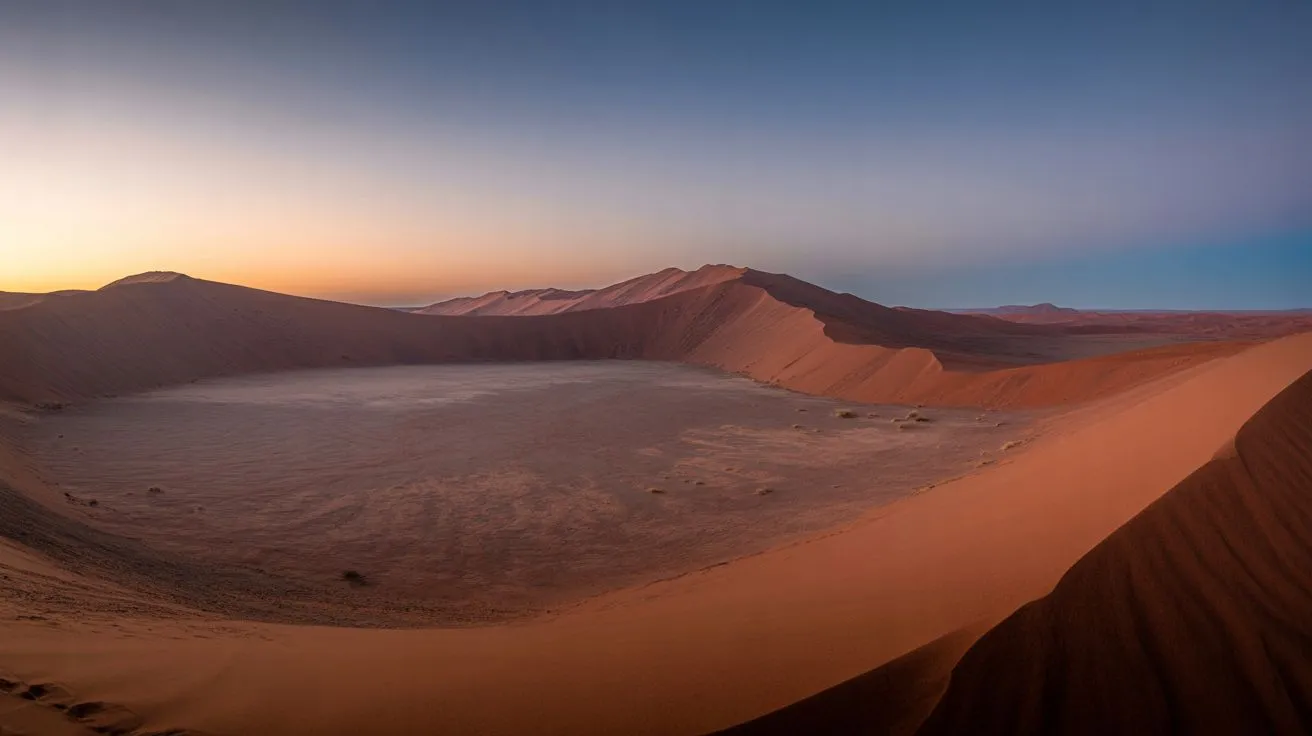
The Sabi Sands (South Africa) is unbeatable for close-up Big Five encounters on open vehicles. The Masai Mara (Kenya) offers dramatic migration crossings. The Okavango Delta (Botswana) provides unique water-based scenes. Namibia's Sossusvlei has the most photogenic desert landscapes in Africa.
When is the best light for safari photography?
The "golden hours" — the first 1–2 hours after sunrise and the last 1–2 hours before sunset — offer the most magical, warm light. This is when most game drives take place. Overcast days can also produce beautiful, even lighting for wildlife portraits without harsh shadows.
How many memory cards should I bring on safari?
Bring more than you think you'll need! A serious photographer can shoot 500–2,000 images per day on safari. We recommend at least 128GB of card space per day, plus a backup storage device. Bring multiple smaller cards (64GB) rather than one large one, in case of card failure.
Ready to start planning? Our safari experts have personally visited every destination mentioned in this guide. Get a free, no-obligation quote tailored to your travel style and budget. Use code INGWE10 for 10% off selected packages.
Tours & Safaris You'll Love
Handpicked by our team based on what you're reading. Book direct for the best price — guaranteed.
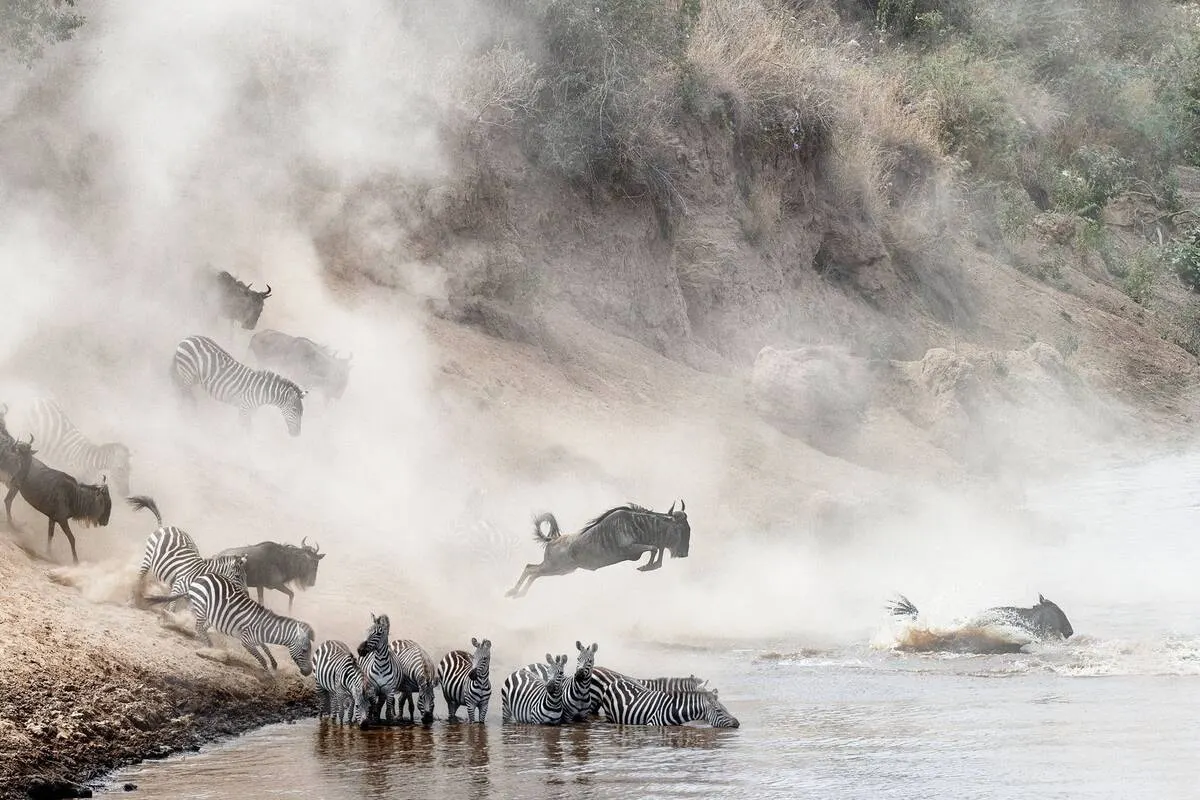
Serengeti Great Migration River Crossing — Mara River Safari
Witness the world's greatest wildlife spectacle — wildebeest crossing the Mara
per person • Best price direct
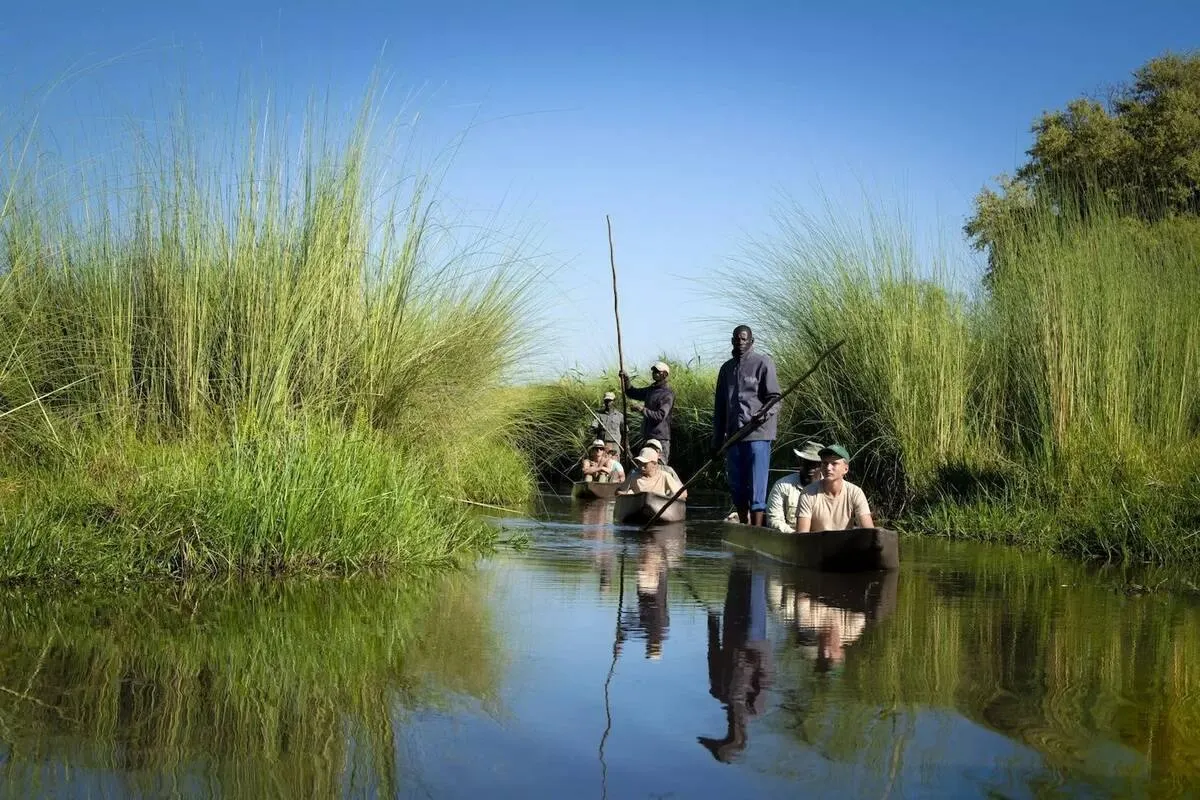
Okavango Luxury Fly-In Wilderness Camp — 5-Star Under Canvas
The world's most exclusive tented camp — deep in the delta
per person • Best price direct
Masai Mara Great Migration Safari — River Crossing Season
Witness nature's greatest spectacle — millions of wildebeest crossing the Mara River
per person • Best price direct
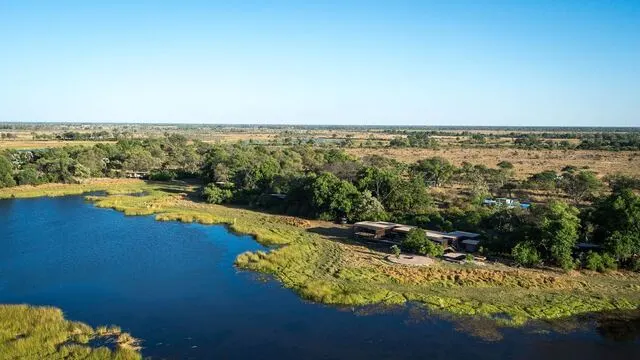
Okavango Delta Fly-In Safari — Luxury Bush Camp
The world's most exclusive safari destination from above and within
per person • Best price direct
Why book with middlemen? Same tours, lower prices, direct support from our team.
Get a Free Custom Quote