Golden Hour Safari Photography: How to Capture Stunning Wildlife Shots in Africa
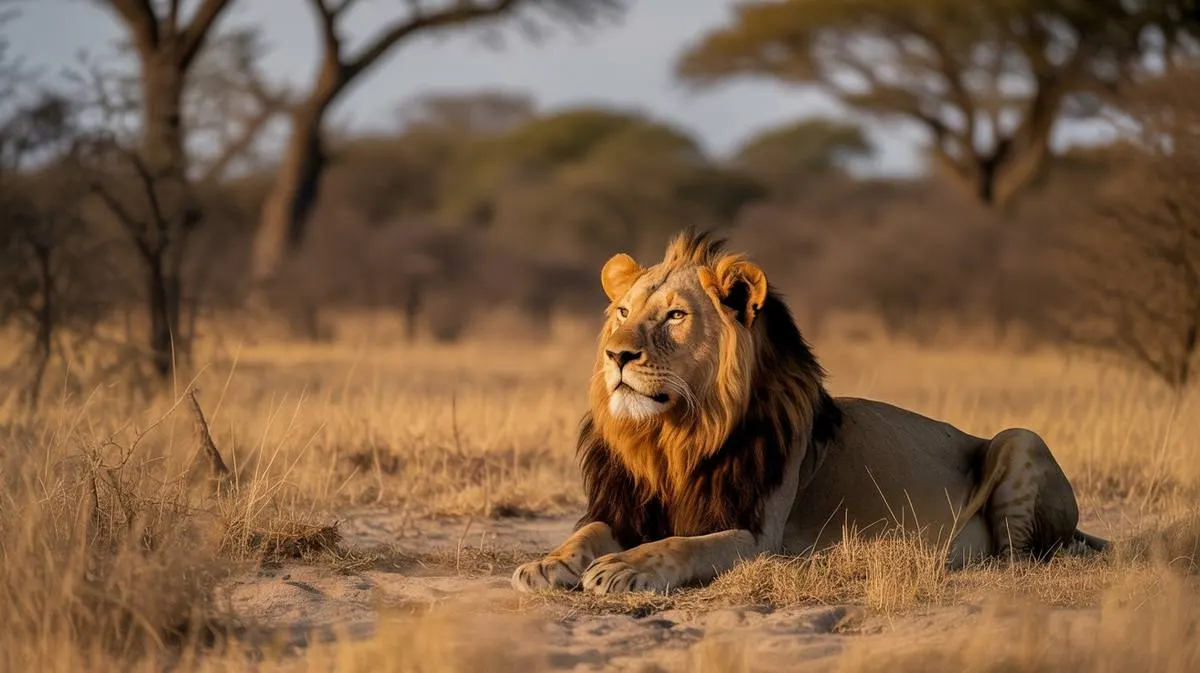
There is a moment on every African safari that stops you in your tracks — the sun dips low on the horizon, painting the savannah in shades of amber and rose, and a lion lifts its head against the burning sky. If you have your camera ready and your settings dialled in, you will walk away with a photograph that tells a story no words can match. If you don't, you will spend the rest of the trip wishing you had prepared better.
At Ingwe Africa Safaris, we have spent years guiding photographers — from first-timers clutching a smartphone to seasoned pros with a bag full of L-series glass — across the game reserves of South Africa, Botswana, Tanzania, and beyond. This guide distils everything we have learned about making the most of golden hour on safari, so you can come home with images that genuinely do justice to Africa's extraordinary wildlife.
Why Golden Hour Is the Magic Window for Safari Photography
Golden hour refers to the roughly 60 minutes after sunrise and before sunset when the sun sits low on the horizon. The light during this window is soft, warm, and directional — qualities that flatter wildlife subjects in ways that harsh midday light simply cannot. Shadows become long and dramatic, textures in fur and feathers pop, and the entire landscape takes on a cinematic quality that makes even an ordinary impala look extraordinary.
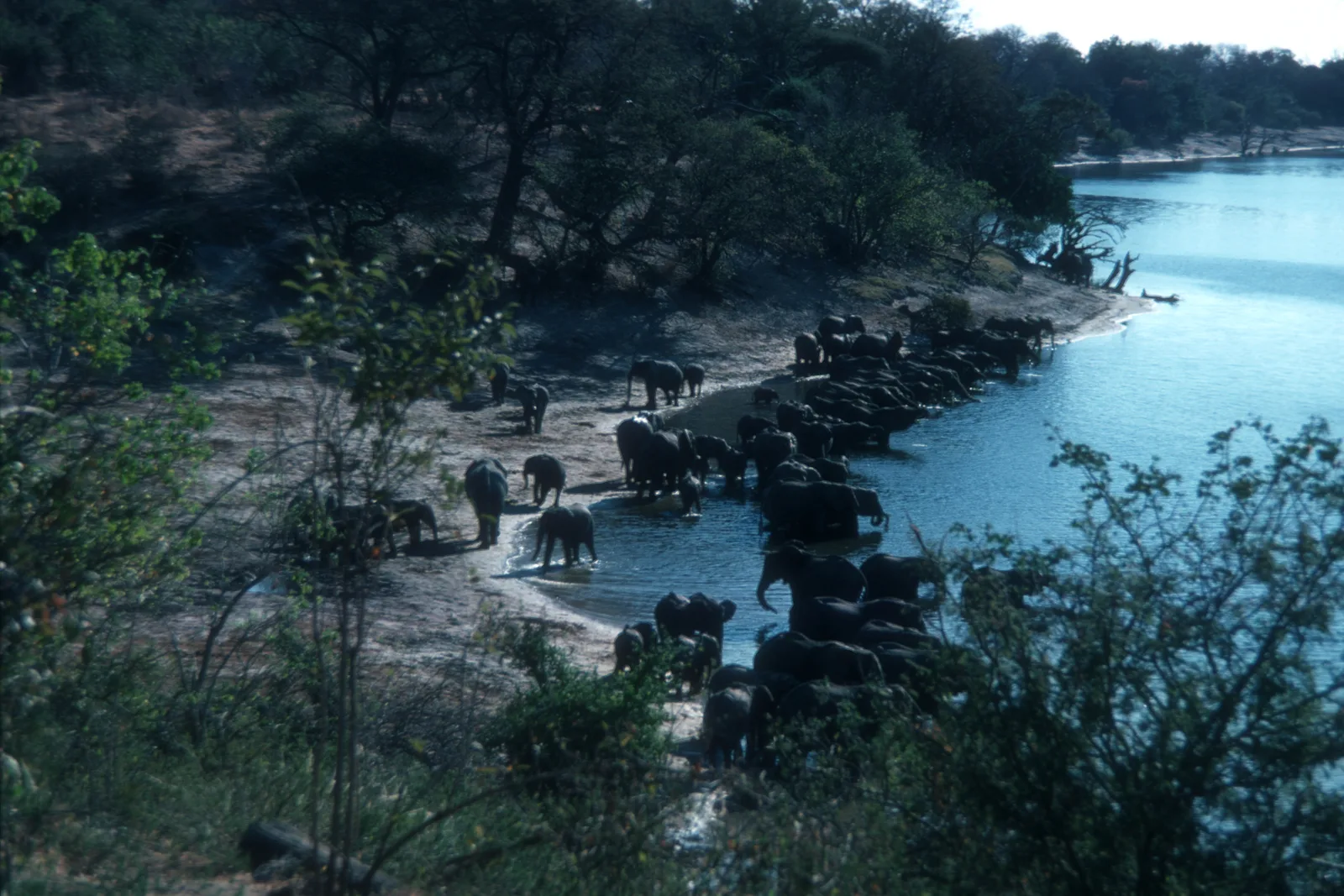
On safari, golden hour aligns almost perfectly with peak animal activity. Predators are most active in the cool of early morning and late afternoon. Elephants move to waterholes at dusk. Birds perform their most spectacular displays at dawn. In other words, the best light and the best wildlife action happen at exactly the same time — and that is a lekker combination that no studio photographer could ever replicate.
This guide distils everything we have learned about making the most of golden hour on safari, so you can come home with images that genuinely do justice to Africa's extraordinary wildlife.
Planning Your Game Drives Around the Light
Most safari lodges and operators offer two game drives per day: an early morning drive that departs around 05:30–06:00, and an afternoon drive that leaves around 15:30–16:00. Both are timed to catch golden hour, but they have different characters worth understanding.
Morning Drives
The morning drive offers the softest, coolest light of the day. Animals are often still in the positions they settled into overnight — lions may be finishing a kill, leopards are sometimes still visible in trees, and the bush is alive with birdsong. The air is crisp and clear, which means better visibility and sharper images. Arrive at your vehicle early, get your camera out of its bag, and let it acclimatise to the ambient temperature to avoid condensation on your lens.
Afternoon Drives
Afternoon golden hour tends to be warmer and more golden in tone than morning light. Animals are waking from their midday rest and heading to water. The light can be spectacular, but it changes fast — you may have as little as 20 minutes of truly perfect light before the sun drops below the horizon. Stay alert, keep your camera on your lap, and be ready to shoot the moment the guide stops the vehicle.
If you are planning a dedicated photography safari, consider booking a Kruger birding and photography safari or a private vehicle so your guide can position the vehicle for the best light angle rather than accommodating a mixed group of photographers and non-photographers.
Essential Camera Settings for Golden Hour Wildlife Photography
Getting your settings right before the light appears is critical. There is no time to fumble with menus when a cheetah breaks into a sprint across a golden plain. Here are the settings we recommend as a starting point — adjust from there based on your specific camera and conditions.
Shutter Speed
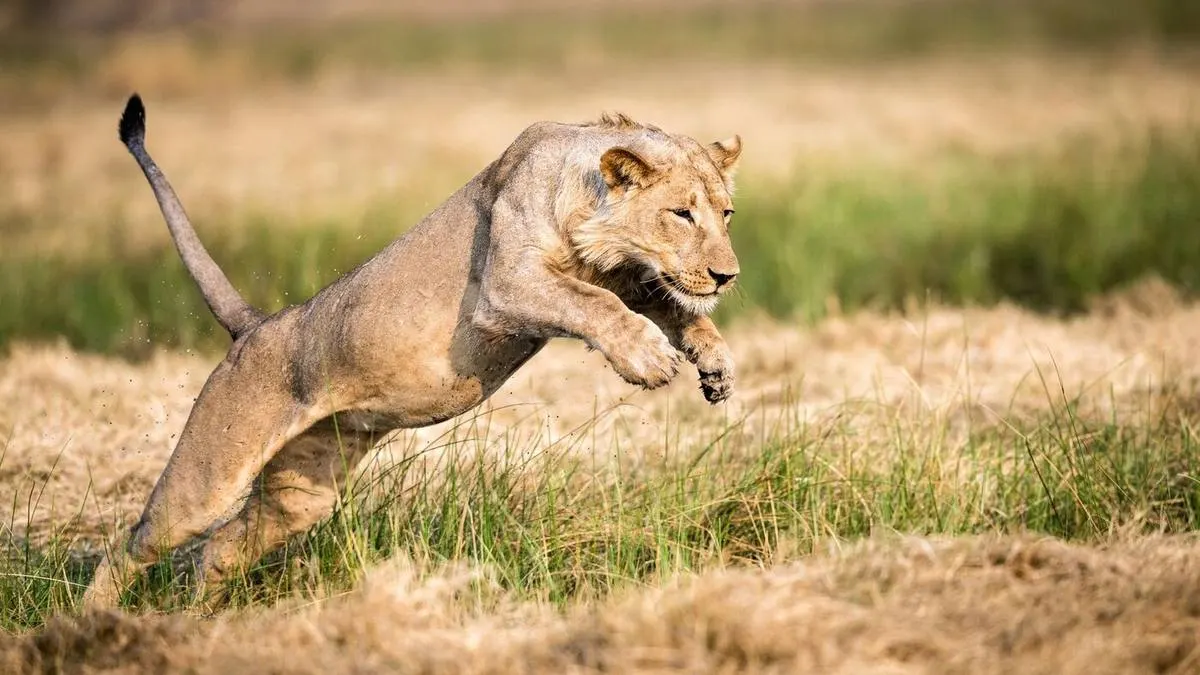
Wildlife moves fast. For stationary animals, you can get away with 1/250s, but for anything in motion — a running predator, a bird in flight, an elephant shaking its head — you want at least 1/1000s, ideally 1/2000s or faster. In the low light of golden hour, achieving fast shutter speeds means pushing your ISO higher, which is a trade-off worth making.
Aperture
A wide aperture (f/4 to f/6.3) gives you a beautifully blurred background that isolates your subject from the busy bush. Most telephoto lenses used on safari — 100-400mm, 150-600mm — perform best between f/5.6 and f/8. Avoid shooting wide open at f/4 if your subject is moving, as your depth of field will be razor-thin and focus errors become obvious.
ISO
Modern mirrorless cameras handle high ISO remarkably well. Don't be afraid to push to ISO 1600, 3200, or even 6400 in the last minutes of golden hour. A slightly noisy image of a lion at sunset is infinitely more valuable than a perfectly exposed shot of an empty plain. Shoot in RAW format so you can recover shadow detail and reduce noise in post-processing.
Autofocus Mode
Use continuous autofocus (AI Servo on Canon, AF-C on Nikon and Sony) for any moving subject. Enable animal eye-detection AF if your camera supports it — it is a game-changer for portraits of big cats and birds. Set your focus point to a single point or small zone rather than wide-area AF, which can lock onto the wrong part of the scene.
Choosing the Right Lens for Safari Photography
The most common question we hear from first-time safari photographers is: "What lens should I bring?" The honest answer depends on your budget and what you want to photograph, but here are our practical recommendations.
The Versatile Zoom: 100-400mm or 150-600mm
A telephoto zoom in the 100-400mm or 150-600mm range is the workhorse of safari photography. It gives you enough reach for distant subjects while remaining manageable on a beanbag or monopod in a game drive vehicle. Expect to pay $800–$2,500 for a quality option from Canon, Nikon, Sony, Sigma, or Tamron. If you are renting, budget around $50–$100 per day.
The Wide-Angle: 16-35mm or 24-70mm
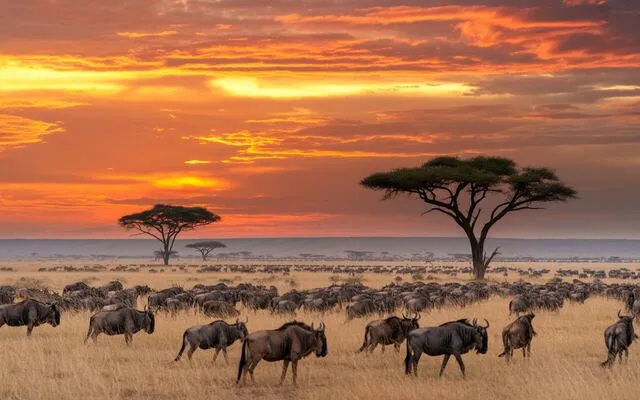
Don't neglect a wide-angle lens. Landscape shots at golden hour — a herd of elephants silhouetted against a burning sky, a lone acacia tree on the horizon — are some of the most powerful images you can bring home from Africa. A 24-70mm f/2.8 is particularly useful for camp life, braai evenings, and environmental portraits.
Smartphone Photography
If you are travelling with a smartphone rather than a dedicated camera, you can still capture beautiful golden hour images. Use portrait mode for animal close-ups, tap to expose for the animal's face rather than the bright sky, and shoot in RAW or ProRAW if your phone supports it. A clip-on telephoto lens ($30–$80) can extend your reach significantly.
Positioning and Composition Tips from the Vehicle
Your game drive vehicle is your photography platform, and how you use it matters enormously. Here are the techniques our guides use to help photographers get the best possible shots.
Use a Beanbag
A beanbag draped over the vehicle's door or window frame is the most effective and affordable camera support for safari photography. It absorbs vibration from the engine and wind, and allows you to pan smoothly with moving subjects. Bring an empty beanbag from home and fill it with dried beans or rice at your destination — airlines won't allow filled beanbags in carry-on luggage.
Position the Sun Behind You (Usually)
For most wildlife portraits, you want the sun behind you or to one side so that light falls on your subject's face. Ask your guide to position the vehicle so the animal is between you and the sun — but not directly backlit unless you are deliberately going for a silhouette effect. Silhouettes at golden hour can be stunning, but they require a different exposure approach (expose for the sky, not the animal).
Get Low
The lower your camera angle, the more dramatic and intimate your images will feel. In a game drive vehicle, this means shooting from the lowest window position possible, or even from the roof hatch if your vehicle has one. Eye-level shots of lions, leopards, and elephants create a sense of being in their world rather than observing from above.
Best Safari Destinations for Golden Hour Photography
Not all safari destinations are equal from a photography perspective. Here are our top picks for golden hour magic, all of which you can explore through our full tours collection.
Kruger National Park, South Africa
Kruger is Africa's most accessible Big Five destination and offers exceptional golden hour photography opportunities year-round. The open savannah landscapes, diverse wildlife, and well-maintained roads make it ideal for photographers of all levels. Our Kruger full-day open vehicle safari includes both morning and afternoon game drives, maximising your golden hour exposure. Expect to see lions, leopards, elephants, rhinos, and buffalo — often in the same day.
Sabi Sands Game Reserve
Adjacent to Kruger, Sabi Sands is famous for its extraordinarily habituated leopards — animals so accustomed to vehicles that they will walk within metres of you without concern. Golden hour leopard photography here is world-class. Our Sabi Sands leopard tracking safari is specifically designed for wildlife photographers seeking intimate big cat encounters.
Aquila Private Game Reserve
For photographers based in day trips">Cape Town, Aquila's Big Five day safari offers a convenient golden hour experience just two hours from the city. The reserve's open plains and reliable Big Five sightings make it an excellent option for a day trip with serious photographic potential.
Botswana's Okavango Delta
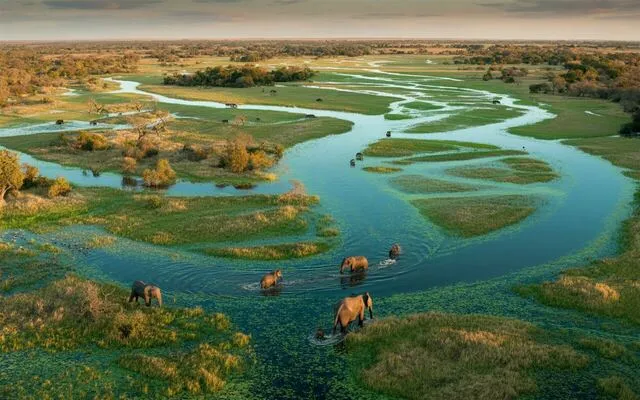
The Okavango Delta offers a completely different photographic environment — water, papyrus, and extraordinary bird life alongside the usual African mammals. Golden hour on the delta, photographed from a mokoro (traditional dugout canoe), produces images unlike anything you will capture on a land-based safari. Explore our Okavango Delta destination guide for more details.
Post-Processing Your Golden Hour Safari Images
Even the best in-camera exposure benefits from thoughtful post-processing. Here is a simple workflow that works well for golden hour wildlife images.
Shoot RAW
RAW files contain far more tonal information than JPEGs, giving you much greater latitude to recover highlights in a bright sky or lift shadows in a dark foreground. This is especially important at golden hour, when the dynamic range between the bright sky and shaded ground can be extreme.
Adjust White Balance
Golden hour light is naturally warm, but your camera's auto white balance may try to neutralise it. In Lightroom or Capture One, try pulling the white balance slightly warmer (towards 6000–7000K) to enhance the golden tones rather than correct them away.
Use Graduated Filters
A graduated filter applied to the sky in Lightroom allows you to darken and saturate the sky independently of the foreground, creating a more balanced exposure without losing the warmth of the golden light on your subject.
Practical Tips for Safari Photographers
- Bring more memory cards than you think you need. Golden hour sessions can produce hundreds of images in minutes. A minimum of 128GB of storage per day is sensible.
- Charge batteries every night. Cold mornings drain batteries faster than you expect. Bring at least two spare batteries per camera body.
- Protect your gear from dust. African roads are dusty. Keep your camera in a sealed bag when not shooting, and use a rain cover even in dry conditions to keep dust off your lens.
- Respect the animals. Never ask your guide to approach closer than is safe or ethical for the sake of a photograph. The welfare of the wildlife always comes first — and the best guides know that patience, not proximity, produces the best images.
- Budget for a photography-specific safari. A dedicated photography safari with a private vehicle typically costs $300–$600 per person per day in South Africa, or $500–$1,200 per day in East Africa. It is worth every cent for serious photographers.
Plan Your Safari Photography Adventure
Africa's golden hour is one of the most extraordinary photographic experiences on the planet — and it is available to anyone willing to get up before dawn and stay out until the last light fades. Whether you are a professional photographer planning a dedicated shoot or a first-time safari-goer who simply wants to come home with beautiful memories, the right preparation makes all the difference.
Our team at Ingwe Africa Safaris has helped hundreds of photographers plan their perfect African shoot. We know which reserves offer the best light, which guides have a photographer's eye, and which lodges position their vehicles for optimal golden hour angles. Use our safari cost calculator to get a sense of what your photography safari might cost, or check our best time to visit South Africa guide to plan around the seasons that offer the most dramatic light and wildlife activity.
Ready to Capture Africa's Golden Hour?
Don't leave your once-in-a-lifetime safari photographs to chance. Let our experienced team build a custom photography safari itinerary tailored to your skill level, camera gear, and dream wildlife subjects. From a day trip to Aquila from Cape Town to a week-long private vehicle safari in Kruger or Sabi Sands, we will make sure you are in the right place at the right time — with the right light.
Enquire now and start planning your golden hour safari photography adventure →
Frequently Asked Questions
What camera do you need for safari photography?
A DSLR or mirrorless camera with a telephoto zoom lens (100–400mm or 200–600mm) is ideal. A 70–200mm lens works well for closer encounters and landscapes. Many photographers also bring a wide-angle lens for scenic shots and camp photos. A bean bag or monopod is more useful than a tripod in game vehicles.
What are the best camera settings for safari?
Start with Aperture Priority (Av/A) mode, f/5.6–f/8 for sharp wildlife portraits. Use Auto ISO with a maximum of 6400–12800 for low light. Set continuous autofocus (AI-Servo/AF-C) and high-speed burst mode. Shoot in RAW for maximum editing flexibility. Adjust shutter speed to 1/500s minimum for moving animals.
Which safari destination is best for photography?
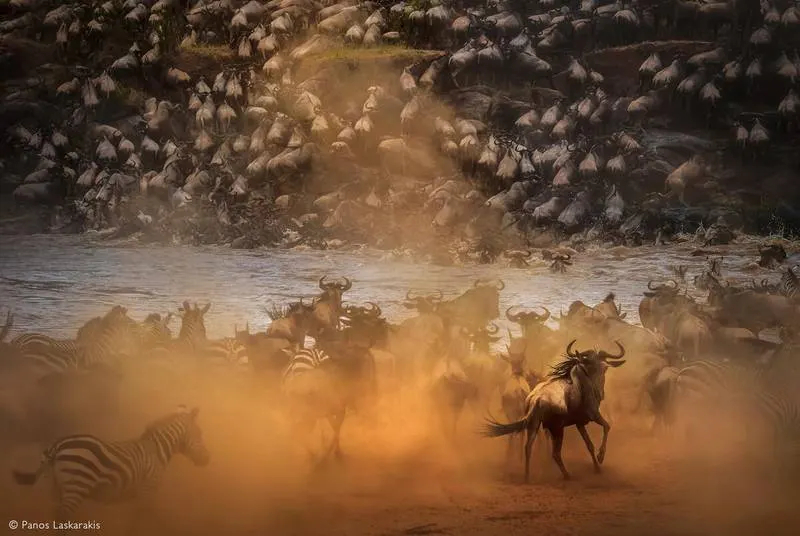
The Sabi Sands (South Africa) is unbeatable for close-up Big Five encounters on open vehicles. The Masai Mara (Kenya) offers dramatic migration crossings. The Okavango Delta (Botswana) provides unique water-based scenes. Namibia's Sossusvlei has the most photogenic desert landscapes in Africa.
When is the best light for safari photography?
The "golden hours" — the first 1–2 hours after sunrise and the last 1–2 hours before sunset — offer the most magical, warm light. This is when most game drives take place. Overcast days can also produce beautiful, even lighting for wildlife portraits without harsh shadows.
How many memory cards should I bring on safari?
Bring more than you think you'll need! A serious photographer can shoot 500–2,000 images per day on safari. We recommend at least 128GB of card space per day, plus a backup storage device. Bring multiple smaller cards (64GB) rather than one large one, in case of card failure.
Where can I see the Big Five in Africa?
The best Big Five destinations include: Kruger National Park and Sabi Sands (South Africa), Masai Mara (Kenya), Serengeti and Ngorongoro Crater (Tanzania), Okavango Delta (Botswana), and Hwange (Zimbabwe). South Africa's Eastern Cape reserves (Shamwari, Amakhala) offer malaria-free Big Five viewing. See our wildlife guide for species-specific locations.
What are the Big Five animals?
The Big Five are: Lion (king of the African bush), Leopard (elusive and beautiful), African Elephant (the largest land animal), Cape Buffalo (unpredictable and powerful), and White/Black Rhinoceros (critically endangered). The term originated from hunters describing the five most dangerous animals to hunt on foot — today, they're the five most sought-after animals to photograph.
Ready to start planning? Our safari experts have personally visited every destination mentioned in this guide. Get a free, no-obligation quote tailored to your travel style and budget. Use code INGWE10 for 10% off selected packages.
Tours & Safaris You'll Love
Handpicked by our team based on what you're reading. Book direct for the best price — guaranteed.
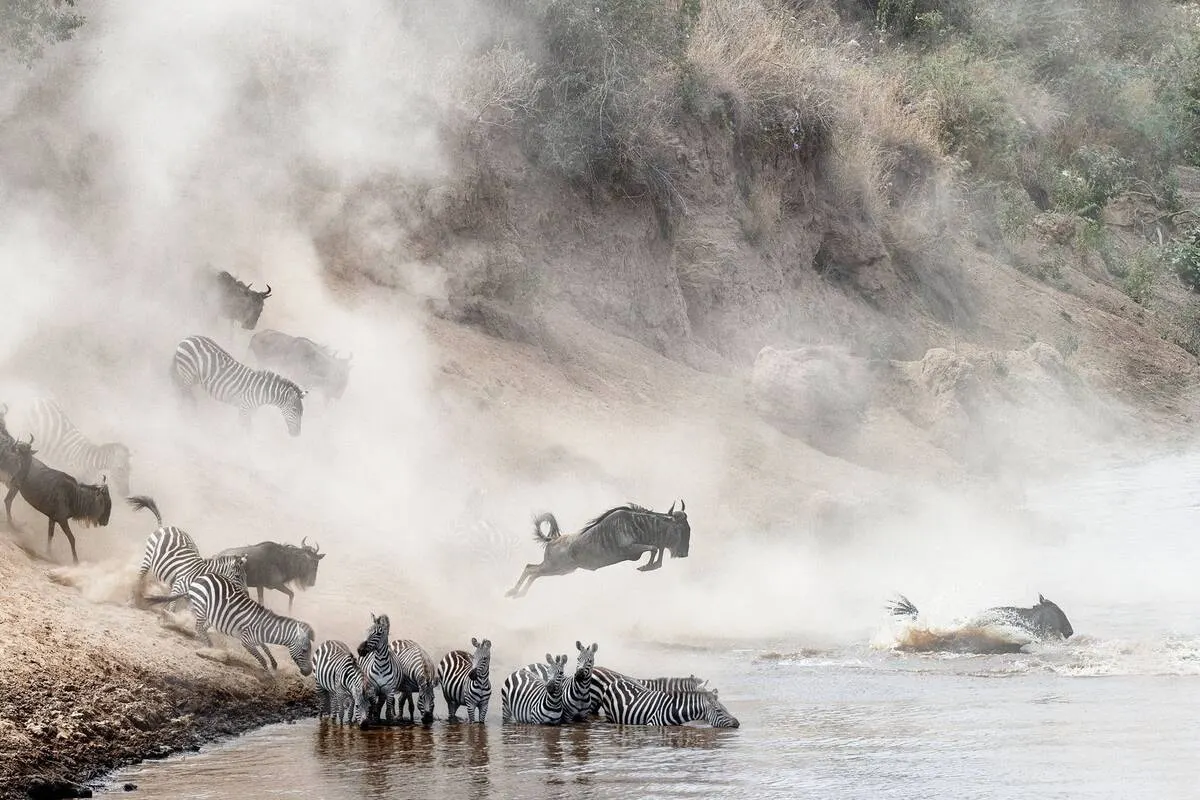
Serengeti Great Migration River Crossing — Mara River Safari
Witness the world's greatest wildlife spectacle — wildebeest crossing the Mara
per person • Best price direct
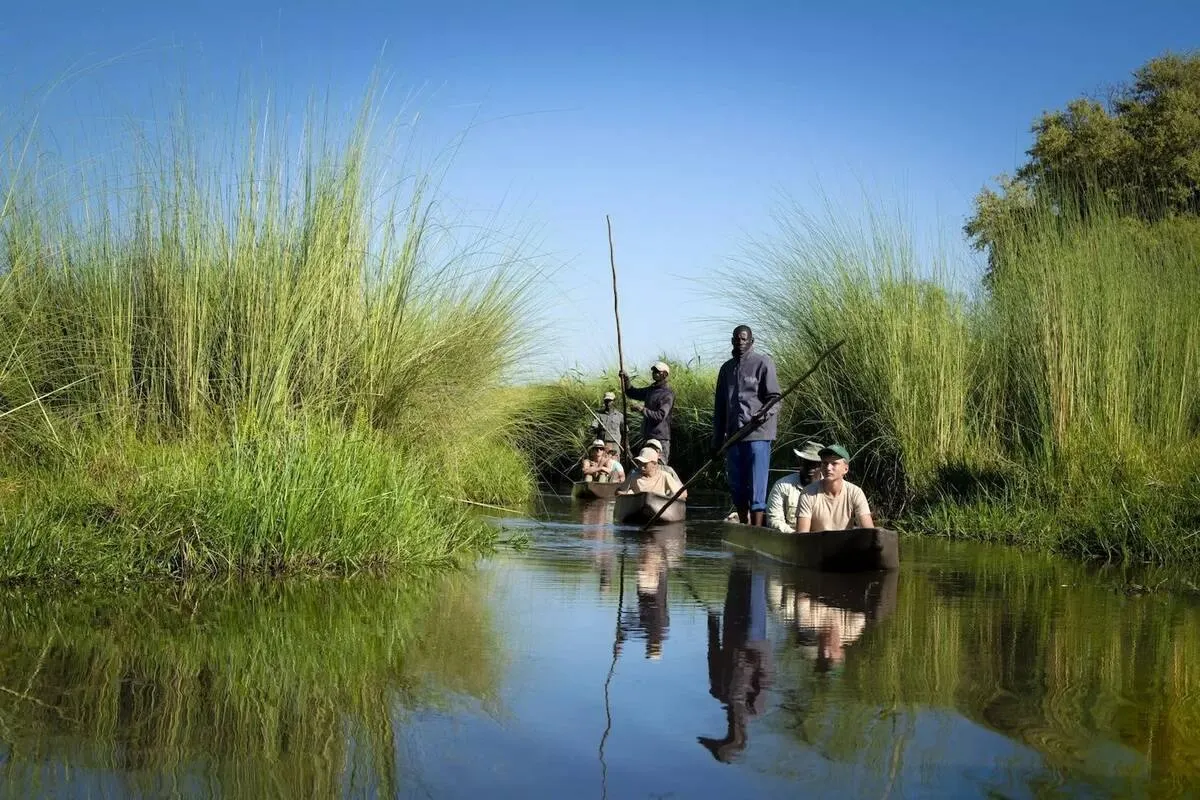
Okavango Luxury Fly-In Wilderness Camp — 5-Star Under Canvas
The world's most exclusive tented camp — deep in the delta
per person • Best price direct
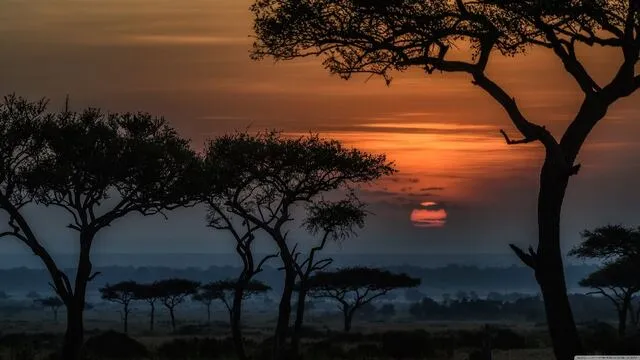
Masai Mara Great Migration Safari — River Crossing Season
Witness nature's greatest spectacle — millions of wildebeest crossing the Mara River
per person • Best price direct
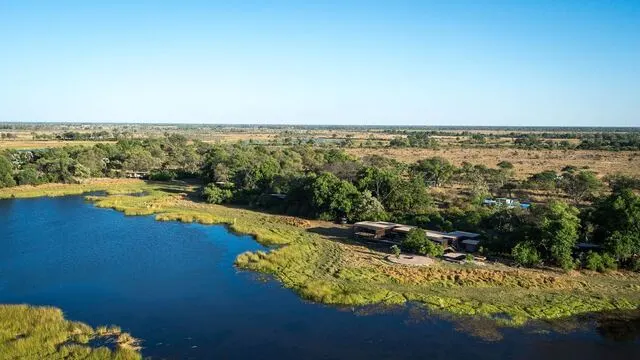
Okavango Delta Fly-In Safari — Luxury Bush Camp
The world's most exclusive safari destination from above and within
per person • Best price direct
Why book with middlemen? Same tours, lower prices, direct support from our team.
Get a Free Custom Quote