Safari Wildlife Photography Tips for Beginners: Capture Africa's Magic
There is nothing quite like the moment a leopard locks eyes with your camera lens, or when golden hour light catches a herd of elephants crossing the savanna. Safari wildlife photography is one of the most rewarding — and challenging — genres of photography you will ever attempt. Whether you are heading to Kruger National Park for the first time or planning a dream trip to the Serengeti, these practical tips will help you come home with images that truly do justice to Africa's extraordinary wildlife.
As day trips">Cape Town-based safari operators, we have watched thousands of guests step off game vehicles clutching their cameras, unsure of where to start. This guide distils the most important lessons so you can focus on the experience — and still nail the shot.
Understanding Your Camera Before You Go
The single biggest mistake beginner safari photographers make is arriving in the bush without knowing their camera. Africa will not wait for you to scroll through menus. A lion cub playing in the grass, a fish eagle diving for its catch — these moments last seconds.
Before your trip, spend at least two weeks shooting in manual or aperture-priority mode. Practice switching between autofocus modes quickly. Learn how to adjust ISO on the fly. If you are shooting with a smartphone, explore your camera app's pro mode and understand how exposure compensation works.
Recommended Camera Settings for Safari
For most wildlife situations, start with these baseline settings and adjust as conditions change:
- Shutter speed: 1/500s or faster for moving animals; 1/1000s for birds in flight
- Aperture: f/5.6 to f/8 for sharp focus across the animal's body
- ISO: Keep as low as possible; modern cameras handle ISO 3200–6400 well in low light
- Autofocus: Continuous AF (AI Servo on Canon, AF-C on Nikon/Sony) for moving subjects
- Drive mode: Continuous burst shooting — you want options when the action peaks
Golden rule: a sharp image at ISO 6400 is infinitely better than a blurry one at ISO 100. Do not be afraid to push your ISO during the magical early morning and late afternoon game drives.
Do not be afraid to push your ISO during the magical early morning and late afternoon game drives.
Choosing the Right Gear Without Breaking the Bank
You do not need a $10,000 camera kit to take stunning safari photos. Many of our guests produce incredible images with mid-range mirrorless cameras and a single versatile zoom lens. Here is what we recommend at different budget levels:
Budget-Friendly Setup (Under $1,500)
A Sony A6000-series or Canon EOS M50 paired with a 70-300mm zoom lens will serve you beautifully. These crop-sensor cameras give you extra reach — a 300mm lens effectively becomes 450mm — which is lekker when the lions are 80 metres away and not inclined to come closer.
Mid-Range Setup ($1,500–$4,000)
Consider a full-frame mirrorless body like the Sony A7 IV or Nikon Z6 III with a 100-400mm zoom. This combination handles low light exceptionally well, which matters enormously during dawn and dusk game drives when the best sightings often occur.
Smartphone Photography
Modern flagship smartphones — iPhone 15 Pro, Samsung Galaxy S24 Ultra — produce remarkable results in good light. Pair yours with a small tripod or beanbag for stability, and use the telephoto lens for wildlife. The key limitation is low-light performance, so manage your expectations for night drives.
Whatever gear you choose, bring a beanbag. This simple accessory, draped over the vehicle's window frame, provides rock-solid camera support and is worth its weight in gold on bumpy bush roads. You can buy one locally in Cape Town for around $15–$25.
Mastering Light on Safari
Light is everything in photography, and nowhere is this more apparent than on the African savanna. The harsh midday sun flattens colours and creates unflattering shadows. The golden hours — roughly 6:00–8:00 AM and 4:00–6:00 PM — bathe the landscape in warm, directional light that makes every image sing.
This is one reason why our Kruger Sunrise Morning Safari and Kruger Sunset Night Safari are so popular with photography enthusiasts. You are in the field precisely when the light is at its most spectacular — and when predators are most active.
Overcast Days Are Your Friend
Do not be disheartened by cloudy skies. Overcast conditions act as a giant softbox, eliminating harsh shadows and producing beautifully even light for portraits of animals. Elephant skin texture, the intricate patterns of a giraffe's coat, the amber eyes of a leopard — all of these render magnificently under soft, diffused light.
Composition Techniques That Elevate Safari Images
Technical settings get you a sharp, well-exposed image. Composition is what transforms a snapshot into a photograph worth framing.
The Rule of Thirds
Place your subject off-centre — at one of the four intersection points of an imaginary 3x3 grid over your frame. An elephant walking from right to left should occupy the right third of the frame, with open space ahead of it. This creates a sense of movement and narrative.
Eye Level and Eye Contact
Whenever safely possible, get your camera as low as possible. A lion photographed at eye level is dramatically more powerful than one shot from above. In a game vehicle, this means resting your camera on the window frame rather than shooting from a standing position. And always — always — focus on the eyes. A sharp eye anchors the entire image.
Include Context and Environment
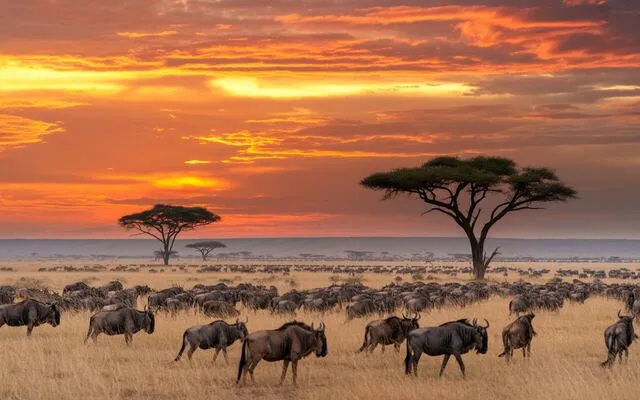
Not every shot needs to be a tight portrait. Wide-angle images that show an animal within its landscape tell a richer story. A lone acacia tree silhouetted against a fiery sunset with a giraffe browsing beneath it — that is the image that will stop people scrolling on Instagram.
Behaviour and Patience: The Real Secret
The photographers who come home with the most extraordinary images are not necessarily those with the best gear. They are the ones who are patient, observant, and willing to sit with a sighting for an extended period rather than rushing to the next one.
Learn to read animal behaviour. A lion flicking its tail and scanning the horizon may be about to hunt. A herd of impala staring intently in one direction suggests a predator nearby. An elephant with ears spread wide is communicating — stay still and watch what happens next.
Our expert guides on the Kruger Wildlife Photography Masterclass are trained to anticipate animal behaviour and position the vehicle for the best photographic opportunities. They know when to wait and when to move — knowledge that takes years to develop in the bush.
The Magic of Anticipation
Pre-focus on a spot where you expect action to occur. If a kingfisher is perched above a pool, focus on the water below it and wait. If a cheetah is scanning the plains, it may sprint at any moment — have your camera ready, shutter speed cranked up, and burst mode engaged.
Ethical Wildlife Photography
With the privilege of photographing Africa's wildlife comes responsibility. Ethical photography practices protect the animals and preserve the experience for future visitors.
- Never pressure guides to approach animals too closely — a stressed animal is a dangerous animal, and disturbing natural behaviour ruins the experience for everyone
- Switch off flash photography around nocturnal animals — it disorients them and can cause lasting harm
- Keep noise to a minimum during sightings — whisper, move slowly, and respect the animal's space
- Do not share precise GPS locations of endangered species like rhinos on social media — poachers monitor these platforms
- Support conservation-focused operators who contribute to anti-poaching efforts and community development
At Ingwe Africa Safaris, ubuntu — the African philosophy of shared humanity and interconnectedness — guides everything we do. We believe that responsible tourism is the most powerful tool we have for protecting Africa's wildlife for generations to come.
Post-Processing: Bringing Your Images to Life
Even the best in-camera images benefit from thoughtful post-processing. Adobe Lightroom (around $10/month) is the industry standard and is genuinely beginner-friendly. Focus on these adjustments:
- Exposure and highlights: Recover blown-out skies by pulling down highlights
- Shadows: Lift shadows to reveal detail in dark areas without losing mood
- Clarity and texture: Add subtle clarity to bring out fur, feathers, and skin texture
- Colour grading: Warm up the orange and yellow tones to enhance that golden-hour feel
- Noise reduction: Essential for high-ISO images shot in low light
Shoot in RAW format rather than JPEG — it gives you far more latitude in post-processing and is the professional standard for wildlife photography.
Best Safari Destinations for Photography in Southern and East Africa
Not all safari destinations are created equal for photographers. Here are our top picks:
Kruger National Park, South Africa
Kruger's open savanna and excellent road network make it one of the most accessible and rewarding destinations for wildlife photography. The Kruger Birding and Photography Safari is specifically designed for photographers, with early morning starts and extended time at productive sightings.
Sabi Sands Game Reserve
Adjacent to Kruger, Sabi Sands is famous for its habituated leopards — animals so accustomed to vehicles that they will walk within metres of you. The Sabi Sands Leopard Tracking Safari offers some of the finest big-cat photography opportunities on the continent.
Serengeti, Tanzania
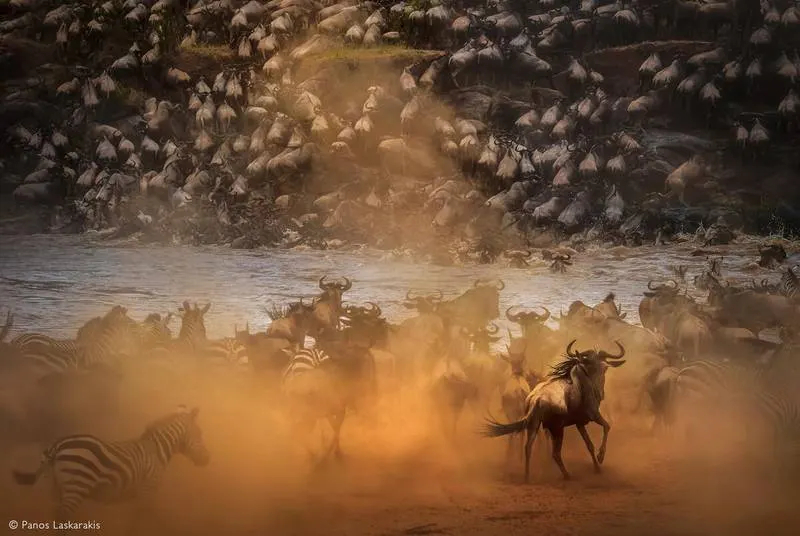
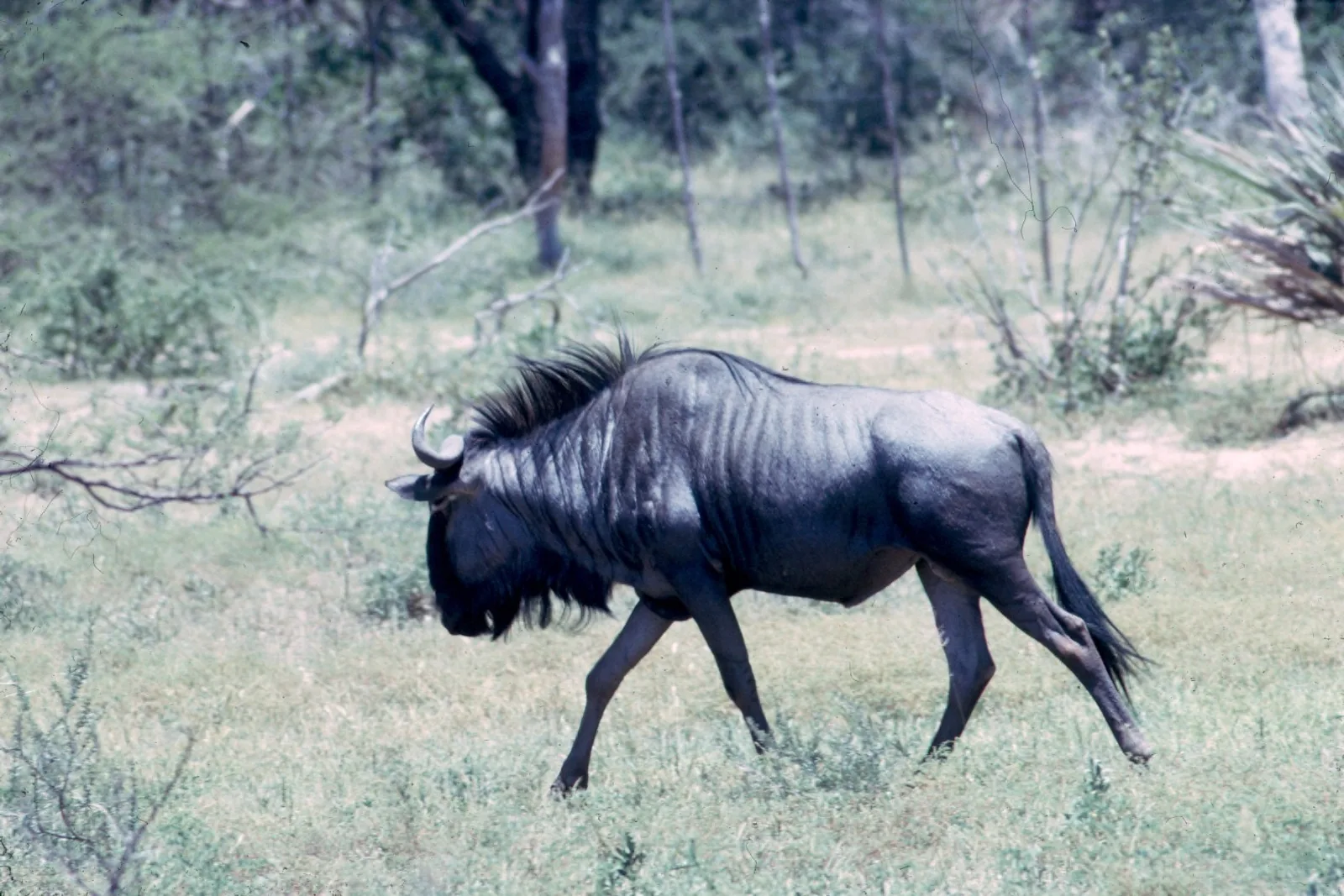
The Great Migration — over two million wildebeest, zebra, and gazelle moving in a continuous cycle across the Serengeti and Masai Mara — is arguably the greatest wildlife spectacle on Earth. The dramatic river crossings, where crocodiles ambush the herds, produce iconic images. Explore our Serengeti destination guide for the best times to visit.
Okavango Delta, Botswana
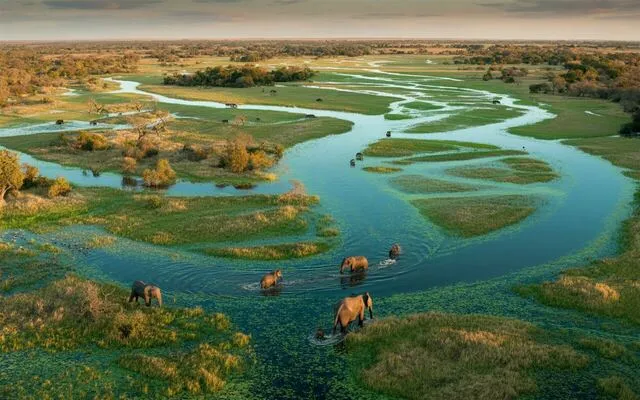
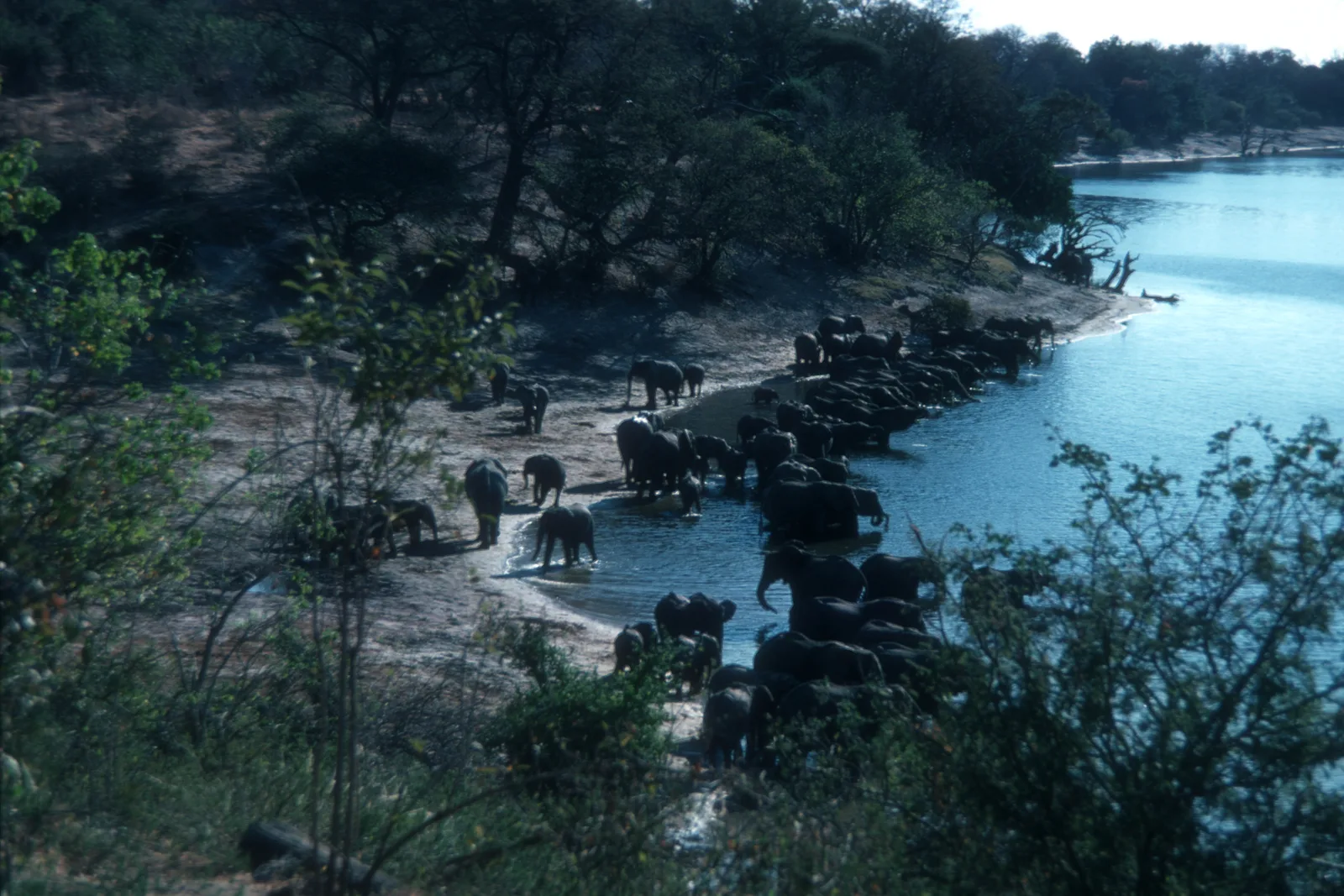
The Okavango's waterways and floodplains create extraordinary photographic opportunities — elephants swimming between islands, hippos yawning in the morning mist, African fish eagles calling from papyrus reeds. The Okavango Delta Mokoro Water Safari puts you at water level for truly unique perspectives.
Practical Tips for Your Safari Photography Trip
- Memory cards: Bring at least 3–4 high-speed cards (128GB each) — you will shoot thousands of images
- Batteries: Carry two spare batteries per camera body; charging opportunities in the bush can be limited
- Dust protection: African dust is relentless. Use a rain cover or dry bag for your camera when not shooting, and clean your sensor before the trip
- Lens cleaning kit: Essential — dust on your lens is the enemy of sharp images
- Clothing: Wear neutral colours (khaki, olive, brown) — bright colours can disturb wildlife and make you conspicuous in the bush
- Costs: Budget $50–$150 per day for a quality guided safari experience; photography-specific tours with expert guides typically run $150–$300 per day
Start Your Safari Photography Journey
Africa rewards those who come prepared, stay patient, and approach the bush with humility and wonder. Whether you are shooting with a smartphone or a professional mirrorless system, the fundamentals remain the same: understand your gear, respect the light, compose thoughtfully, and let the animals tell their own stories.
We have been guiding photographers through southern and east Africa for years, and we can honestly say that no two safaris are ever the same. Every game drive brings new surprises, new light, and new opportunities to capture something truly extraordinary.
Ready to Capture Africa Through Your Lens?
Let our expert guides position you for the perfect shot. From the leopard-rich thickets of Sabi Sands to the sweeping plains of the Serengeti, we design photography-focused safaris that maximise your time in the field during the golden hours that matter most.
Enquire about a photography safari today — our team will craft a personalised itinerary based on your skill level, target species, and travel dates. You can also explore our full range of safari tours or use our safari planning tool to start building your dream trip.
Frequently Asked Questions
What camera do you need for safari photography?
A DSLR or mirrorless camera with a telephoto zoom lens (100–400mm or 200–600mm) is ideal. A 70–200mm lens works well for closer encounters and landscapes. Many photographers also bring a wide-angle lens for scenic shots and camp photos. A bean bag or monopod is more useful than a tripod in game vehicles.
What are the best camera settings for safari?
Start with Aperture Priority (Av/A) mode, f/5.6–f/8 for sharp wildlife portraits. Use Auto ISO with a maximum of 6400–12800 for low light. Set continuous autofocus (AI-Servo/AF-C) and high-speed burst mode. Shoot in RAW for maximum editing flexibility. Adjust shutter speed to 1/500s minimum for moving animals.
Which safari destination is best for photography?
The Sabi Sands (South Africa) is unbeatable for close-up Big Five encounters on open vehicles. The Masai Mara (Kenya) offers dramatic migration crossings. The Okavango Delta (Botswana) provides unique water-based scenes. Namibia's Sossusvlei has the most photogenic desert landscapes in Africa.
When is the best light for safari photography?
The "golden hours" — the first 1–2 hours after sunrise and the last 1–2 hours before sunset — offer the most magical, warm light. This is when most game drives take place. Overcast days can also produce beautiful, even lighting for wildlife portraits without harsh shadows.
How many memory cards should I bring on safari?
Bring more than you think you'll need! A serious photographer can shoot 500–2,000 images per day on safari. We recommend at least 128GB of card space per day, plus a backup storage device. Bring multiple smaller cards (64GB) rather than one large one, in case of card failure.
Where can I see the Big Five in Africa?
The best Big Five destinations include: Kruger National Park and Sabi Sands (South Africa), Masai Mara (Kenya), Serengeti and Ngorongoro Crater (Tanzania), Okavango Delta (Botswana), and Hwange (Zimbabwe). South Africa's Eastern Cape reserves (Shamwari, Amakhala) offer malaria-free Big Five viewing. See our wildlife guide for species-specific locations.
What are the Big Five animals?
The Big Five are: Lion (king of the African bush), Leopard (elusive and beautiful), African Elephant (the largest land animal), Cape Buffalo (unpredictable and powerful), and White/Black Rhinoceros (critically endangered). The term originated from hunters describing the five most dangerous animals to hunt on foot — today, they're the five most sought-after animals to photograph.
Ready to start planning? Our safari experts have personally visited every destination mentioned in this guide. Get a free, no-obligation quote tailored to your travel style and budget. Use code INGWE10 for 10% off selected packages.
Tours & Safaris You'll Love
Handpicked by our team based on what you're reading. Book direct for the best price — guaranteed.
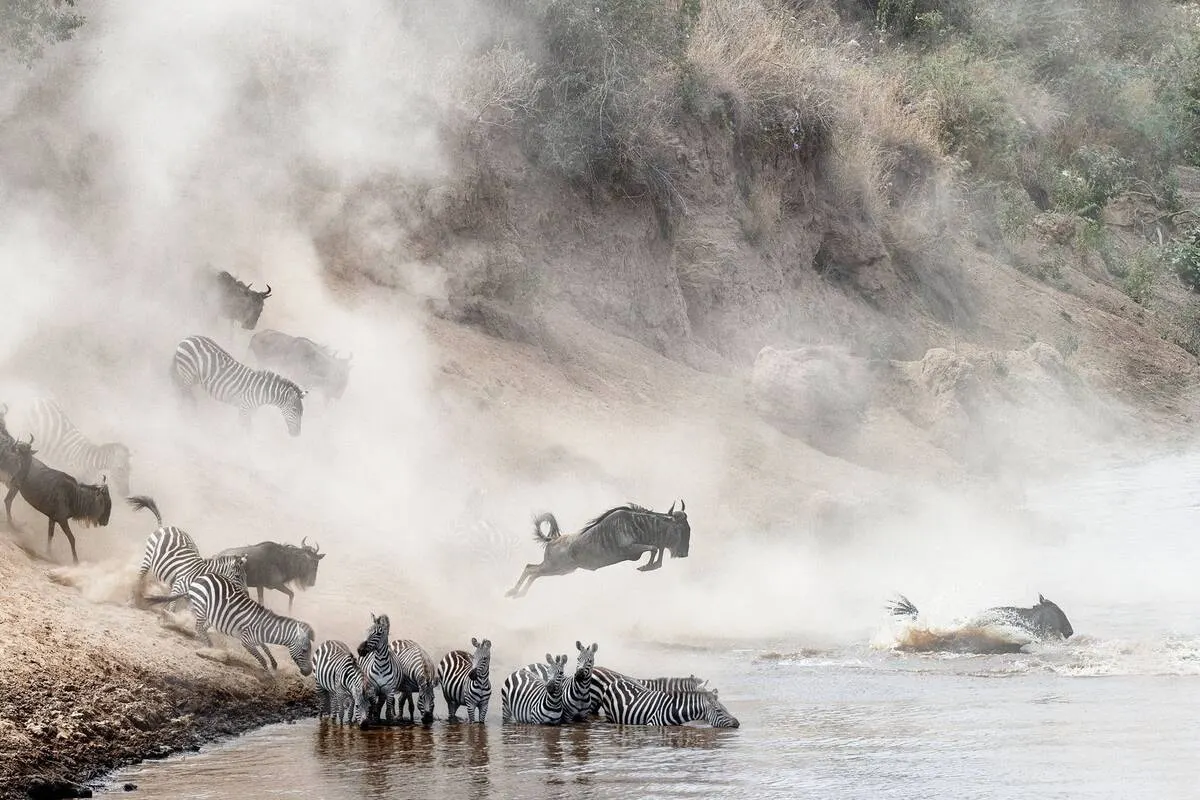
Serengeti Great Migration River Crossing — Mara River Safari
Witness the world's greatest wildlife spectacle — wildebeest crossing the Mara
per person • Best price direct
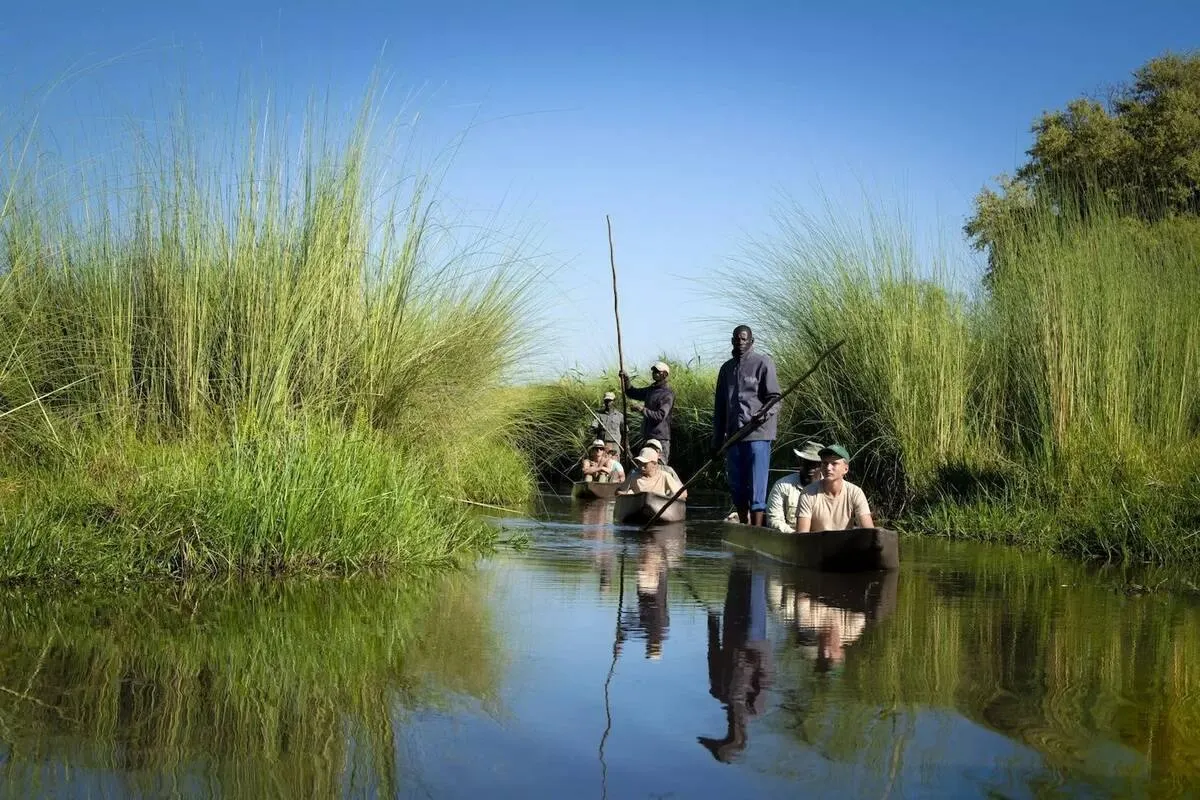
Okavango Luxury Fly-In Wilderness Camp — 5-Star Under Canvas
The world's most exclusive tented camp — deep in the delta
per person • Best price direct
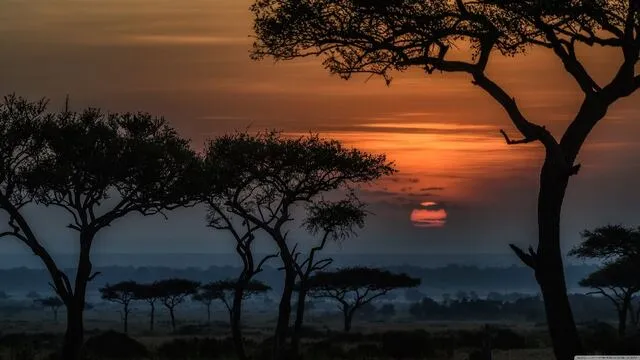
Masai Mara Great Migration Safari — River Crossing Season
Witness nature's greatest spectacle — millions of wildebeest crossing the Mara River
per person • Best price direct
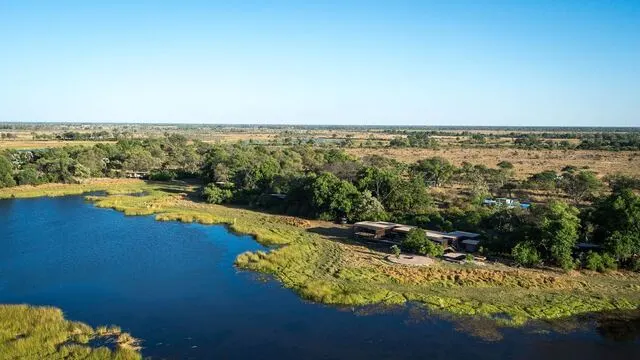
Okavango Delta Fly-In Safari — Luxury Bush Camp
The world's most exclusive safari destination from above and within
per person • Best price direct
Why book with middlemen? Same tours, lower prices, direct support from our team.
Get a Free Custom Quote