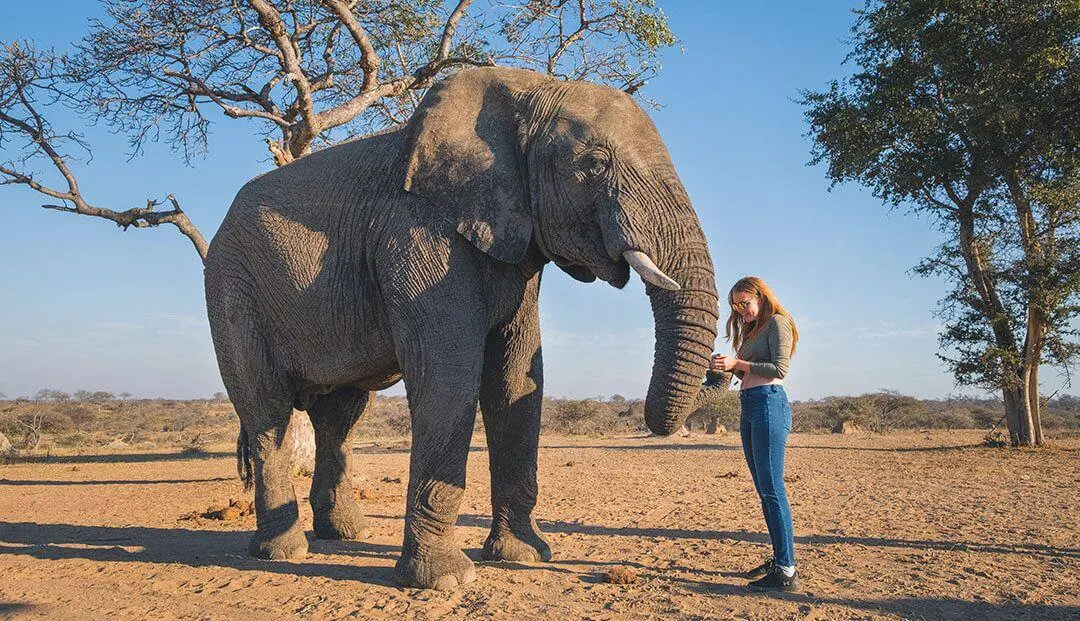

Your First Safari Will Change Your Life
Every safari-goer remembers their first time: the first wild elephant, the first lion roar at night, the first African sunrise over the savannah. A first African safari is a transformative experience — and with the right preparation, it will exceed every expectation.
We've helped thousands of first-time safari visitors prepare for their trips. Here are 25 tips that make the difference between a good safari and an unforgettable one.
Before You Go
1. Choose the Right Destination
For first-timers, we recommend South Africa (Kruger/Sabi Sands) or Kenya (Masai Mara). Both offer excellent Big Five viewing, good infrastructure, English-speaking guides, and easy international access. Read our destination ranking for detailed comparisons.
2. Book 6–12 Months Ahead
The best lodges and camps sell out quickly, especially for peak season (June–October). Booking early secures your first choice and often gets better rates.
3. Use a Safari Specialist
A good safari operator (like us!) saves you money, matches you to the right destination and lodge, and handles logistics. We've inspected the properties, know the seasonal patterns, and can troubleshoot problems.
4. Get Travel Insurance
Non-negotiable. Ensure it covers medical evacuation, trip cancellation, and luggage. Safari areas can be remote — evacuation by air ambulance can cost $50,000+ without insurance.
5. Check Visa & Vaccination Requirements
Requirements vary by nationality and destination. Yellow fever certificates may be needed for certain routes. Consult your doctor about malaria prophylaxis 6–8 weeks before travel.
What to Pack
6. Neutral Colours Only
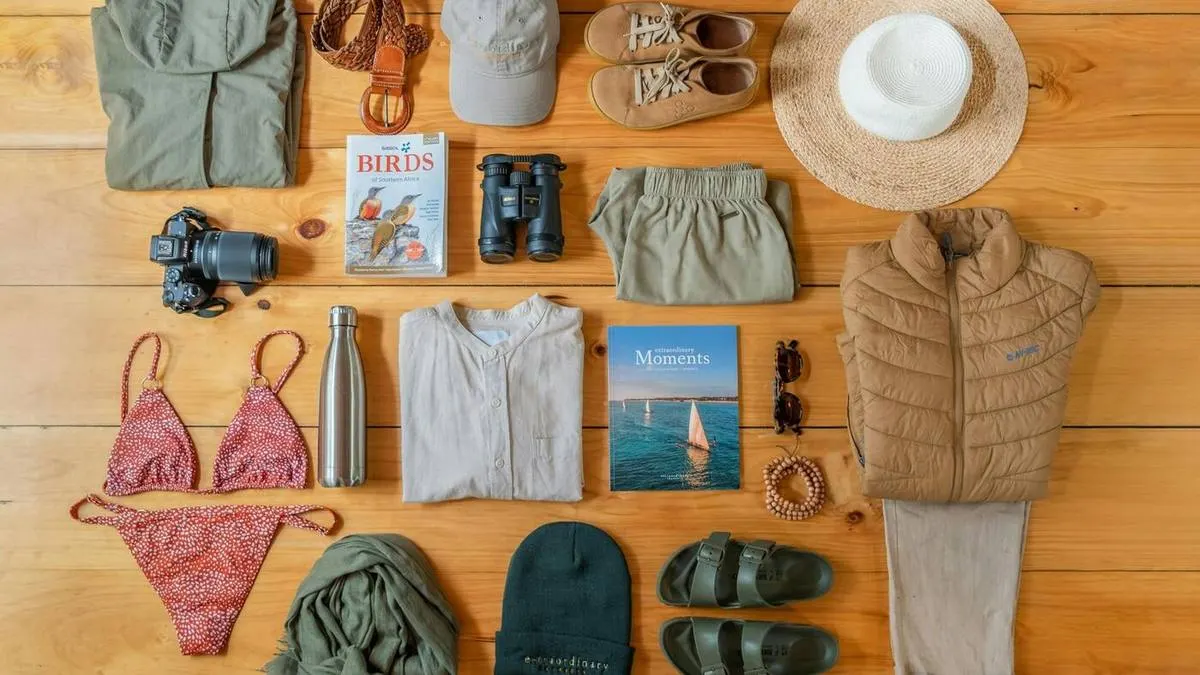
Khaki, olive, brown, and beige. Avoid bright colours (they disturb wildlife), white (gets dirty instantly), and dark navy/black (attracts tsetse flies in some regions). See our detailed safari packing list.
7. Layers Are Essential
Safari mornings can be 5°C on open vehicles, afternoons 35°C. Dress in layers you can add/remove. A warm fleece and beanie are essential for early morning drives.
8. Invest in Good Binoculars
8x42 or 10x42 binoculars transform your safari. You'll spot animals your guide points out, watch behaviour at distance, and appreciate birds. Budget $150+ for decent optics.
Here are 25 tips that make the difference between a good safari and an unforgettable one.
On Safari
9. The Early Bird Gets the Leopard
The first two hours after dawn are the most productive for wildlife viewing. Predators are active, birds are vocal, and the light is magical. Never skip the morning drive.
10. Silence Is Golden
Keep your voice low and avoid sudden movements on game drives. Animals are habituated to vehicles but not to noise. The quieter you are, the closer you'll get.
11. Trust Your Guide
Professional safari guides have years of bush experience and an intimate knowledge of animal behaviour. Trust their decisions on where to drive, how long to stay at a sighting, and when to move on.
12. Put the Phone Down (Sometimes)
Yes, photograph everything — but also take moments to simply watch. Some of the most powerful safari memories are the ones you experienced with your eyes, not through a screen.
13. Patience Pays Off
The best sightings unfold over time. If your guide stops at what seems like an empty bush, wait. That "empty bush" might contain a hiding leopard about to emerge.
Health & Safety
14. Malaria Precautions
Most safari areas require anti-malarial medication. Consult your travel doctor. Alternatives: South Africa's Eastern Cape and Madikwe are malaria-free Big Five destinations.
15. Stay Hydrated
Africa is hot. Carry at least 1 litre of water on every game drive. Lodges provide complimentary water bottles.
16. Never Leave Your Vehicle
Unless your guide explicitly tells you it's safe. You are in the territory of wild animals — the vehicle is your safe space.
Photography Tips
17. Bring the Right Lens
A 100–400mm zoom covers 90% of safari photography. Wide-angle (16–35mm) for landscapes and camp shots. Read our safari photography guide for detailed advice.
18. Shoot in Golden Hour
The hour after sunrise and before sunset produces the most dramatic safari photographs. Midday light is harsh and flat.
Money & Etiquette
19. Tipping Guidelines
Budget $15–$30/day for your guide and $10–$15/day for camp staff. Tips are important — guides rely on them for a significant portion of their income.
20. Carry US Dollars and Local Currency
US dollars are widely accepted across Africa. Carry small denominations ($1, $5, $10) for tips and markets. Most lodges accept credit cards.
Five More Quick Tips
- 21. Download offline maps (Maps.me) for self-drive safaris
- 22. Bring a headlamp — camps have limited lighting at night
- 23. Pack a power bank — charging points can be limited at bush camps
- 24. Learn five words in the local language — guides love it
- 25. Keep a safari journal — you'll forget details faster than you think
Plan Your First Safari With Confidence
Feeling overwhelmed? That's normal. Our first-time safari specialists handle every detail — from flights and lodges to packing lists and tips. All you need to do is show up.
Frequently Asked Questions
How far in advance should I book a safari?
We recommend booking 6–12 months in advance for peak season (June–October), especially for popular lodges. Off-season travel can often be booked 2–3 months ahead. Last-minute deals are sometimes available for shoulder seasons. The earlier you book, the better your chances of securing your preferred dates and lodges.
Do I need travel insurance for safari?
Yes — comprehensive travel insurance is essential and often required by safari lodges. Ensure your policy covers medical evacuation (important in remote bush areas), trip cancellation, luggage loss, and adventure activities. We can recommend reputable safari-specific insurance providers.
What currency should I bring?
US Dollars are widely accepted across Africa for tips, curio purchases, and park fees. South African Rand is used in SA. Most lodges accept credit cards (Visa/Mastercard preferred). Carry small denominations ($1, $5, $10) for tips and local purchases. ATMs are available in major towns.
How much should I tip on safari?
Tipping guidelines: Safari ranger/guide: $10–$20 per person per day. Tracker: $5–$10 per person per day. Lodge staff (shared tip box): $10–$20 per person per day. Transfer drivers: $5–$10 per transfer. Tips are typically given in USD or local currency at the end of your stay.
Can you help me plan a custom safari?
Absolutely — it's what we do best! Our safari specialists have personally visited every destination and lodge we recommend. Tell us your dates, budget, interests, and group size, and we'll design a tailor-made itinerary with no obligation. Start planning your dream safari today, or try our interactive safari planner.
Ready to start planning? Our safari experts have personally visited every destination mentioned in this guide. Get a free, no-obligation quote tailored to your travel style and budget. Use code INGWE10 for 10% off selected packages.
Tours & Safaris You'll Love
Handpicked by our team based on what you're reading. Book direct for the best price — guaranteed.
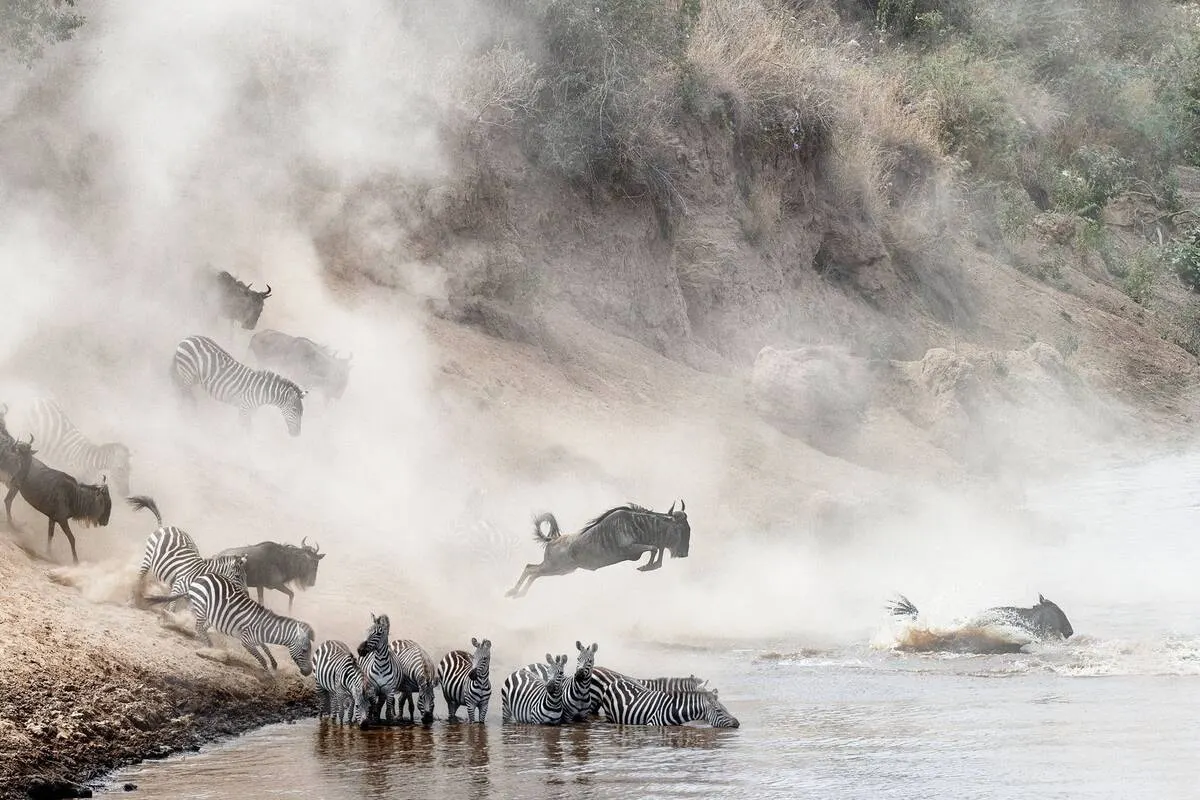
Serengeti Great Migration River Crossing — Mara River Safari
Witness the world's greatest wildlife spectacle — wildebeest crossing the Mara
per person • Best price direct
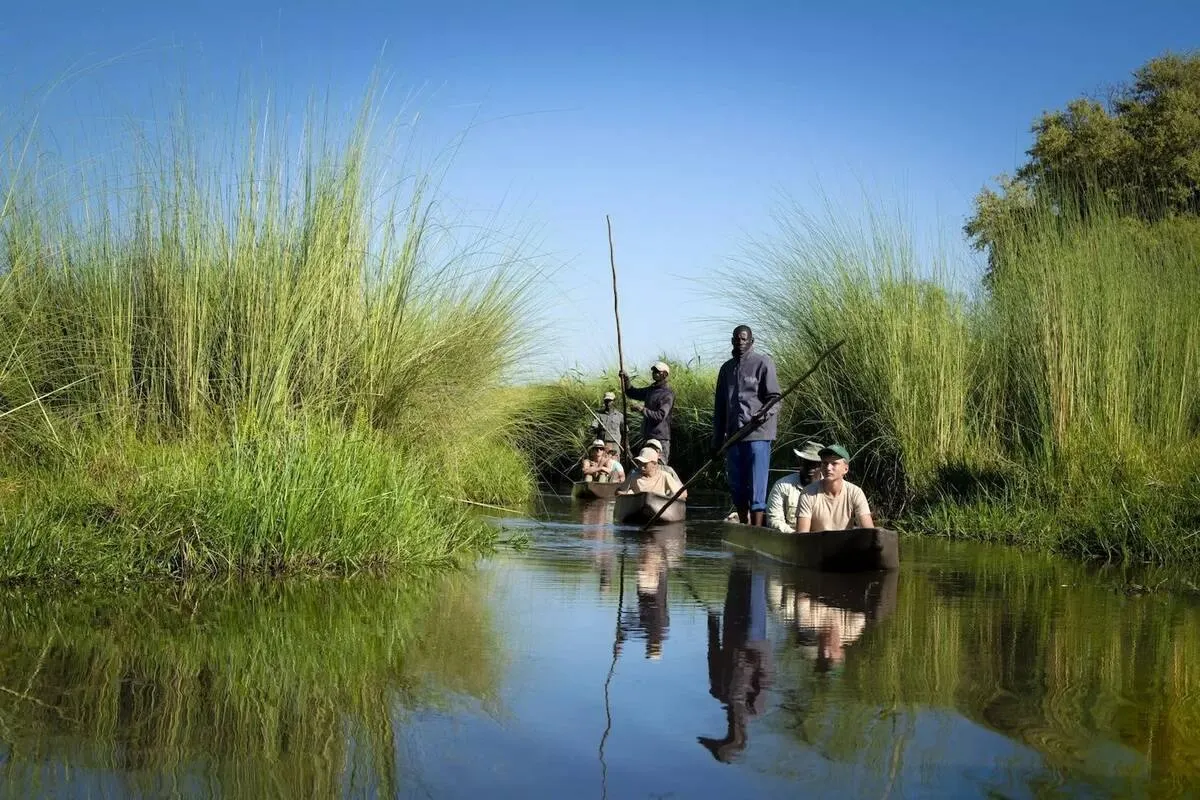
Okavango Luxury Fly-In Wilderness Camp — 5-Star Under Canvas
The world's most exclusive tented camp — deep in the delta
per person • Best price direct
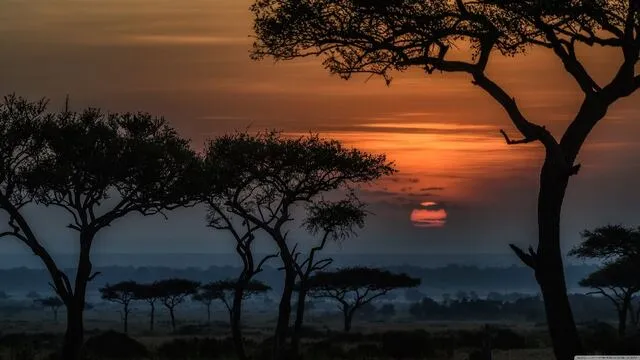
Masai Mara Great Migration Safari — River Crossing Season
Witness nature's greatest spectacle — millions of wildebeest crossing the Mara River
per person • Best price direct
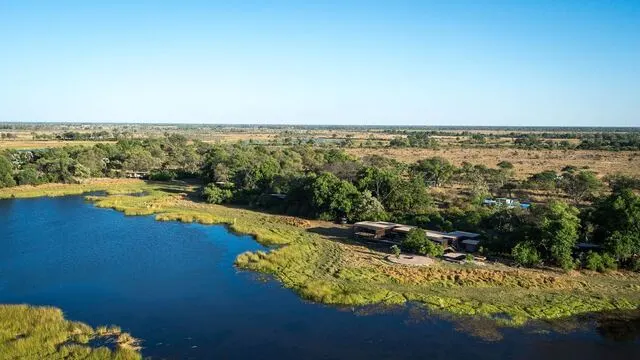
Okavango Delta Fly-In Safari — Luxury Bush Camp
The world's most exclusive safari destination from above and within
per person • Best price direct
Why book with middlemen? Same tours, lower prices, direct support from our team.
Get a Free Custom Quote