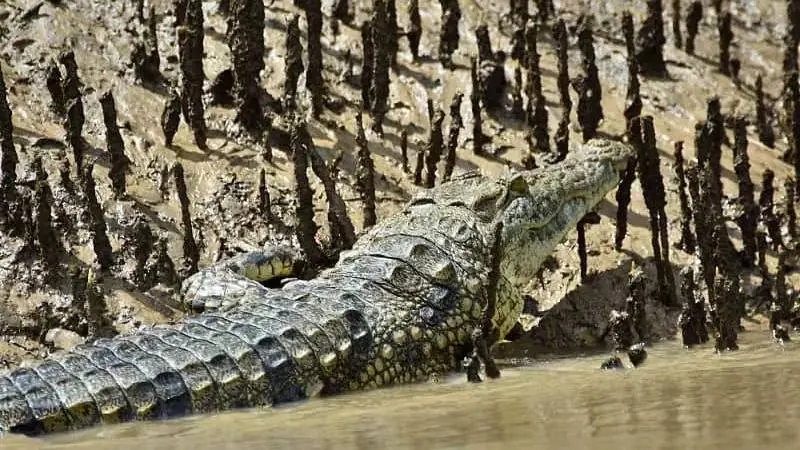
Crocodylus niloticus
Africa's Ancient Apex Aquatic Predator
Habitat
Rivers, lakes, marshes, estuaries, and coastal mangroves throughout sub-Saharan Africa
Diet
Carnivore
Lifespan
70–100 years
Weight
250–1,000 kg
The Nile crocodile is Africa's largest freshwater predator and one of the most fearsome reptiles on Earth. Growing up to 6 metres in length and weighing over 1,000 kg, these prehistoric survivors have remained virtually unchanged for 200 million years. Their ambush hunting strategy is devastatingly effective — a crocodile can explode from still water with enough force to drag a full-grown wildebeest beneath the surface in seconds.
Nile crocodiles play a starring role in the Great Migration, where the Mara River crossings become theatres of raw predator-prey drama. In South Africa, Kruger National Park's rivers — particularly the Olifants, Letaba, and Crocodile River — support healthy populations, and the iSimangaliso Wetland Park in KwaZulu-Natal offers exceptional sightings in a World Heritage setting. Despite their fearsome reputation, female Nile crocodiles are devoted mothers, gently carrying hatchlings to the water in their powerful jaws and guarding nests against predators for up to three months.
Habitat
Rivers, lakes, marshes, estuaries, and coastal mangroves throughout sub-Saharan Africa
Diet
Carnivore — fish, birds, mammals up to buffalo size; ambush predator
Lifespan
70–100 years
Weight
250–1,000 kg
Nile crocodiles display surprisingly complex social behaviours. Dominant males maintain territories along prime river stretches, using bellowing vocalisations and jaw-clapping to assert dominance. During the breeding season, males perform elaborate courtship displays including blowing bubbles, raising their heads, and emitting infrasonic vibrations that make the water "dance" on their backs. Females are attentive mothers, guarding nests for 3 months and gently carrying hatchlings to water in their jaws.
Population
Approximately 250,000–500,000 across sub-Saharan Africa; healthy populations in Kruger rivers and iSimangaliso
Kruger National Park (river crossings)
iSimangaliso Wetland Park
Serengeti (Mara River)
Chobe National Park
Okavango Delta
Year-round, though the dry season (May–September) concentrates crocodiles in shrinking waterholes and river pools. Nesting season (August–December) provides opportunities to observe maternal behaviour. The Great Migration river crossings (July–October) offer the most dramatic crocodile predation scenes.
Nile crocodiles have the strongest bite ever measured — over 5,000 PSI, five times stronger than a lion
They can hold their breath underwater for up to 2 hours when resting
Despite their bulk, crocodiles can "gallop" on land at speeds up to 14 km/h in short bursts
The sex of crocodile hatchlings is determined by nest temperature, not genetics
They swallow stones (gastroliths) to help with digestion and as ballast for diving
Capture the explosive ambush strike — use burst mode and fast shutter speeds, keeping your camera ready when animals approach the water's edge
Photograph basking crocodiles with their jaws agape — a dramatic behaviour that helps regulate their body temperature
Eye-level shots from boats or low river banks capture the menacing waterline perspective
Mara River crossing scenes with crocodiles and wildebeest create award-winning wildlife drama
Hatchlings riding on their mother's head provide a tender counterpoint to the species' fearsome reputation
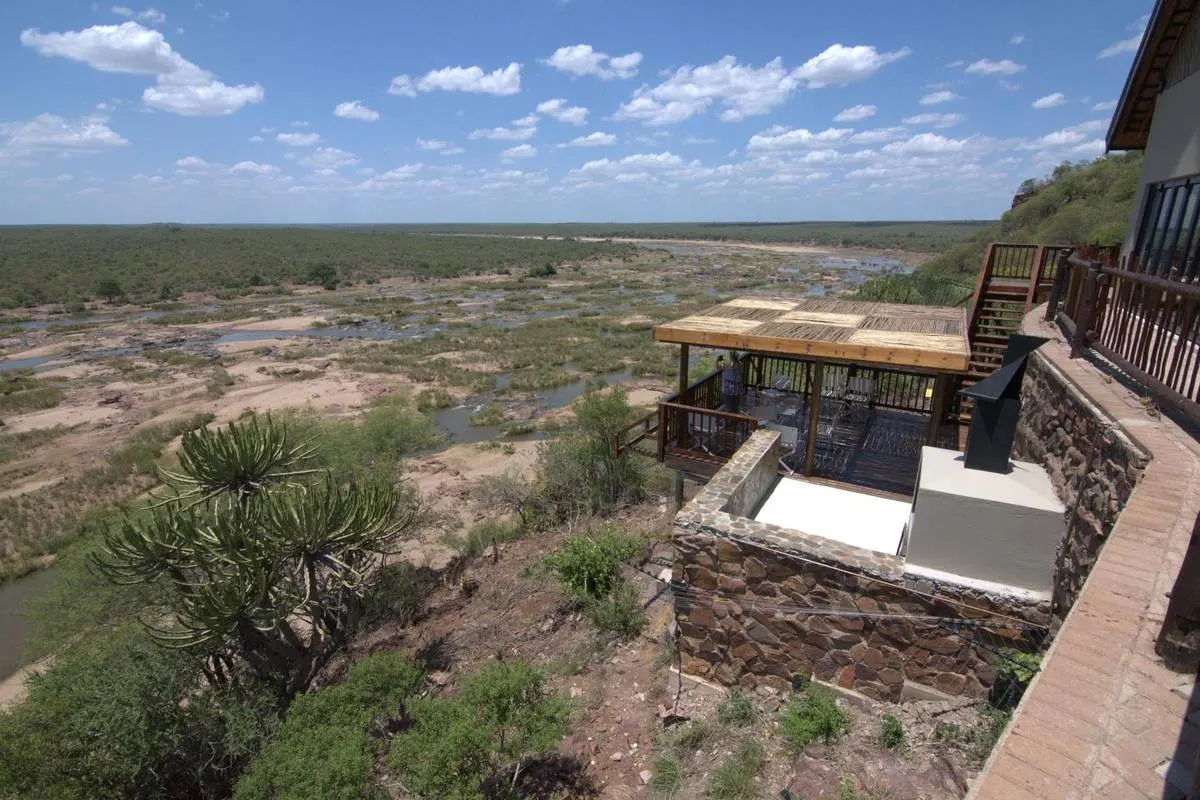
Perched on a cliff above the Olifants River with panoramic views of one of Kruger's best crocodile viewing stretches.
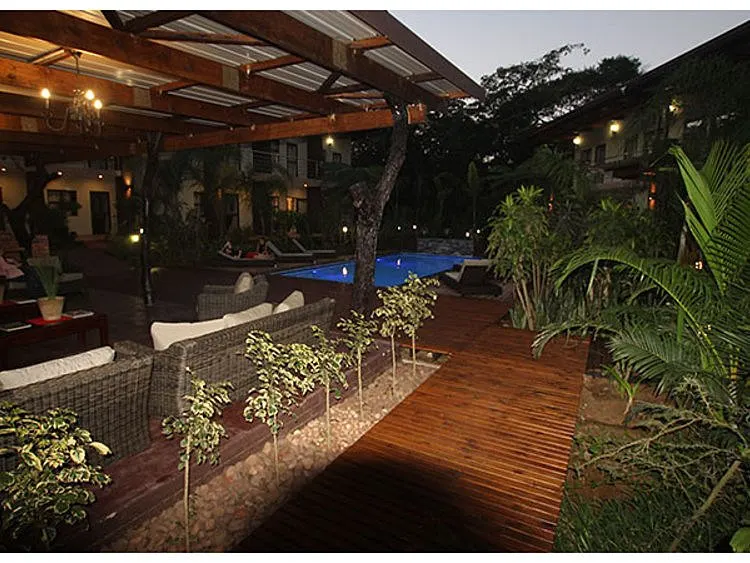
South Africa's premier crocodile habitat — boat tours on the St Lucia Estuary offer close encounters with massive Nile crocodiles.
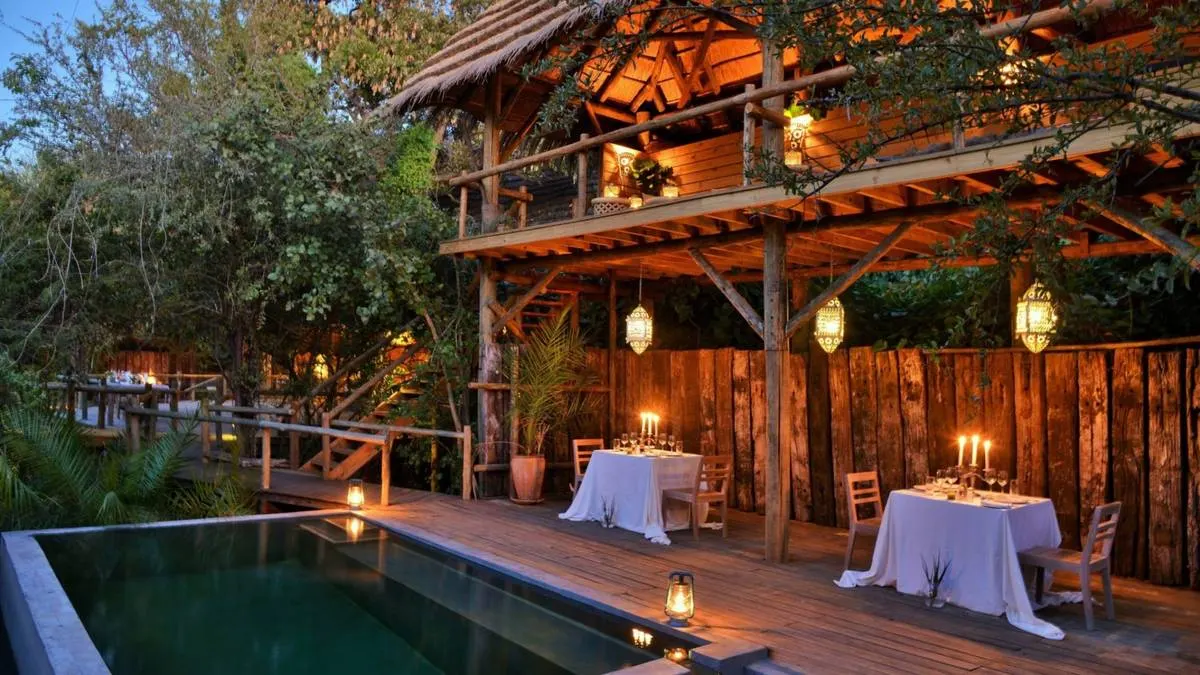
Luxury riverside lodge on the Chobe River where massive crocodiles bask on sandbanks and hunt during boat safaris.
Habitat loss as wetlands are drained and rivers are dammed
Pollution from agricultural runoff and industrial waste
Illegal hunting for skins and meat
Conflict with fishing communities
Nile crocodiles are legally protected in South Africa and most African countries. Kruger National Park and iSimangaliso Wetland Park (a UNESCO World Heritage Site) provide critical habitat. Sustainable-use crocodile farming programmes in South Africa reduce pressure on wild populations by supplying the leather market with captive-bred animals. Research programmes monitor river health and crocodile population dynamics.
Nile crocodiles are considered one of the most dangerous animals in Africa, responsible for an estimated 200–1,000 human fatalities per year across the continent. Their ambush hunting strategy, explosive speed from water, and immense bite force (5,000 PSI — the strongest measured in any living animal) make them formidable predators. On guided safari activities, they pose no threat as operators maintain safe distances.
Multi-day, all-inclusive safari packages that include the best nile crocodile viewing destinations.
Cape Town, Sabi Sands
From $8,990
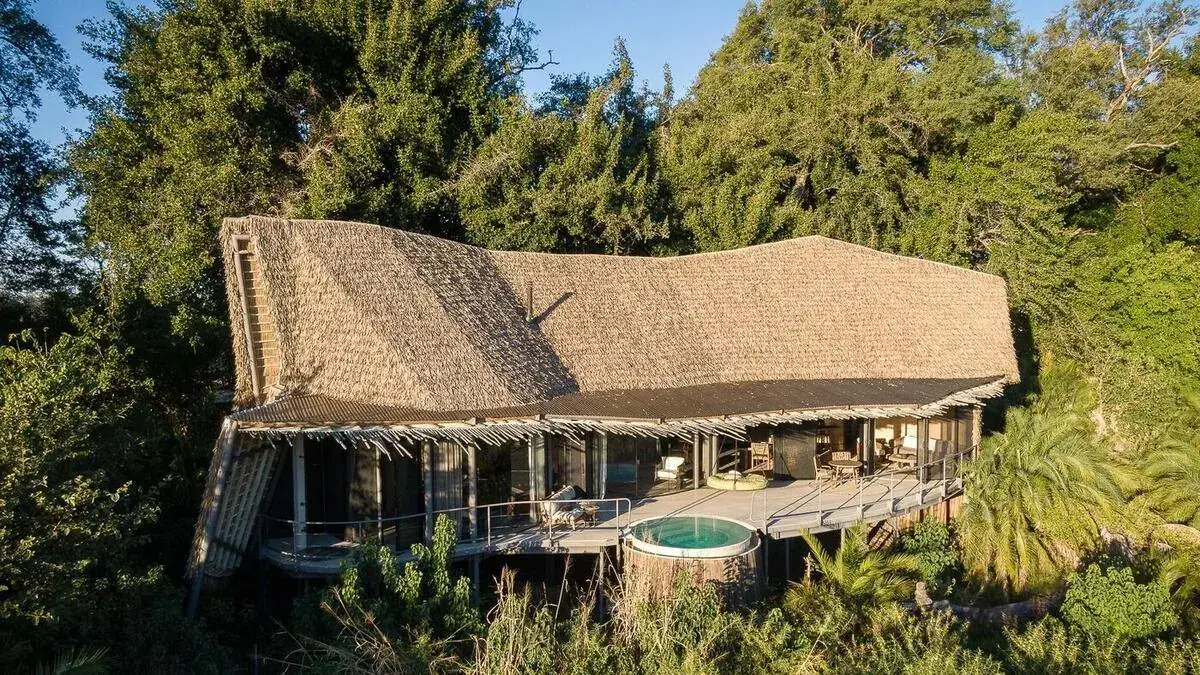
Victoria Falls, Chobe National Park
From $8,990
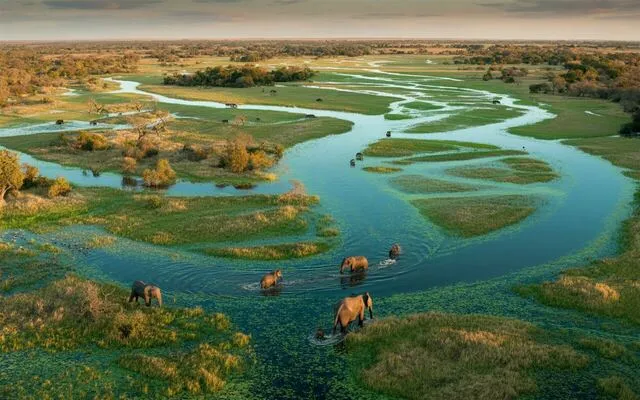
Okavango Delta, Chobe
From $8,997
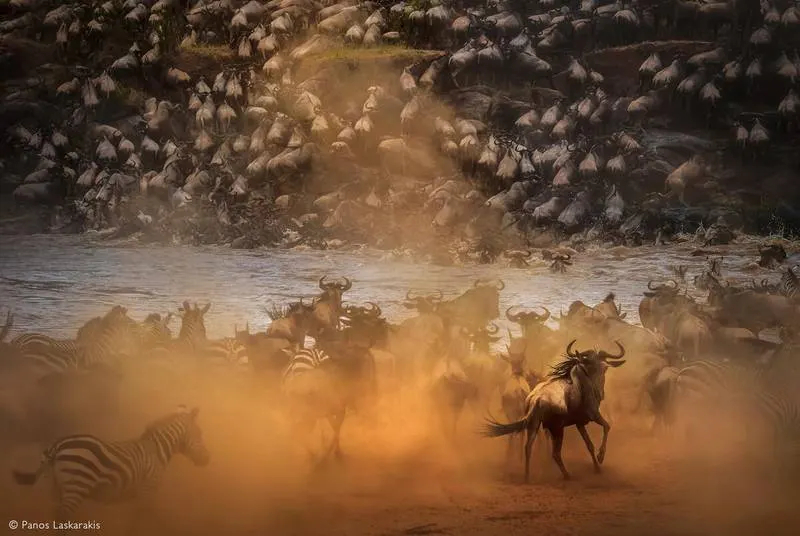
Nairobi, Masai Mara
From $9,490
Our expert safari consultants will craft your perfect nile crocodile encounter — from choosing the ideal reserve to selecting the best season and lodge.
Big Five game drives, walking safaris & more
Luxury accommodation in prime wildlife areas
Kruger, Sabi Sands, Masai Mara & beyond
Plan your trip around peak wildlife seasons
Honest pricing guide for every budget
How your safari protects African wildlife
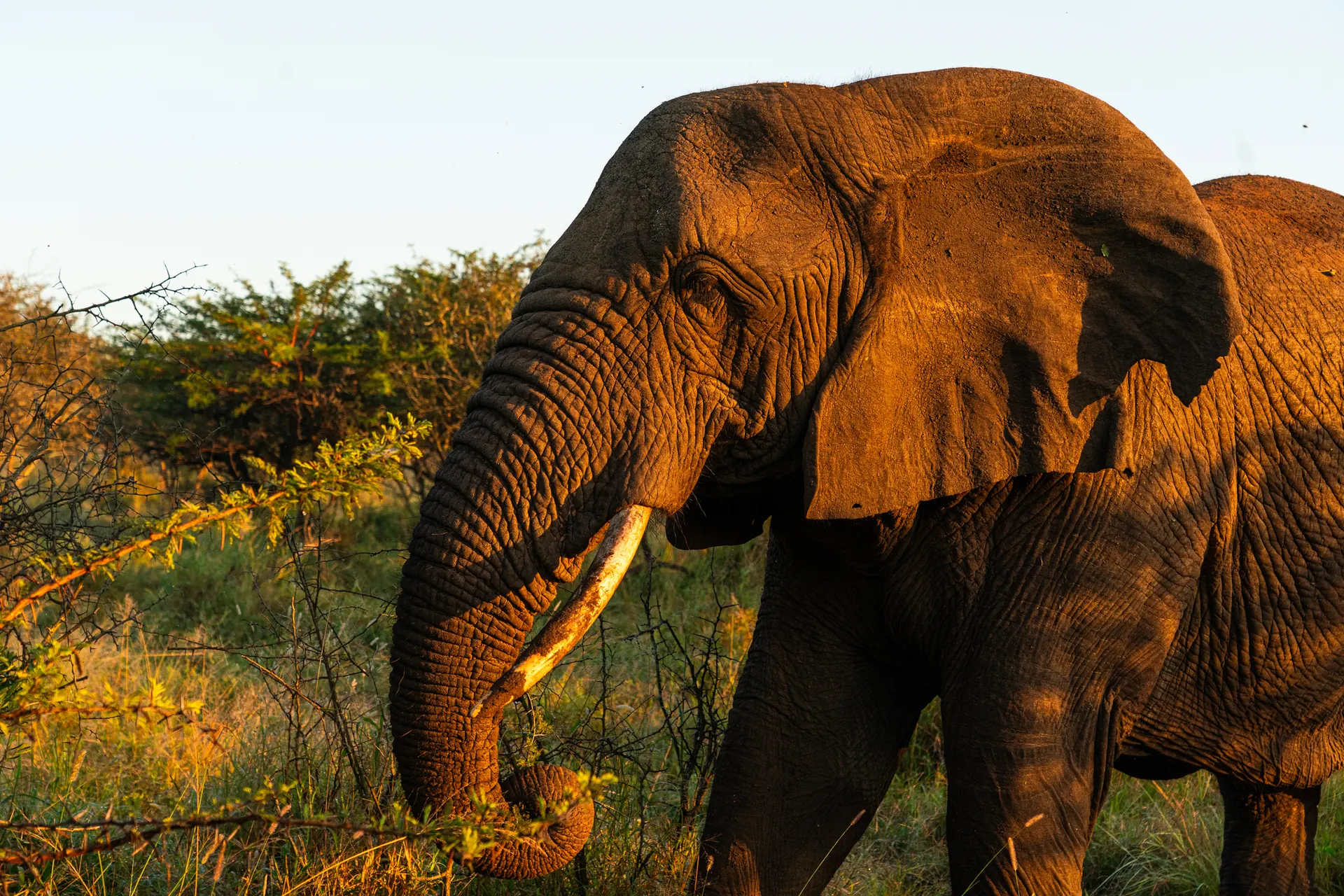
African Elephant
The Gentle Giants of the African Bush
African Lion
The King of the African Savanna
African Leopard
The Elusive Ghost of the Bush
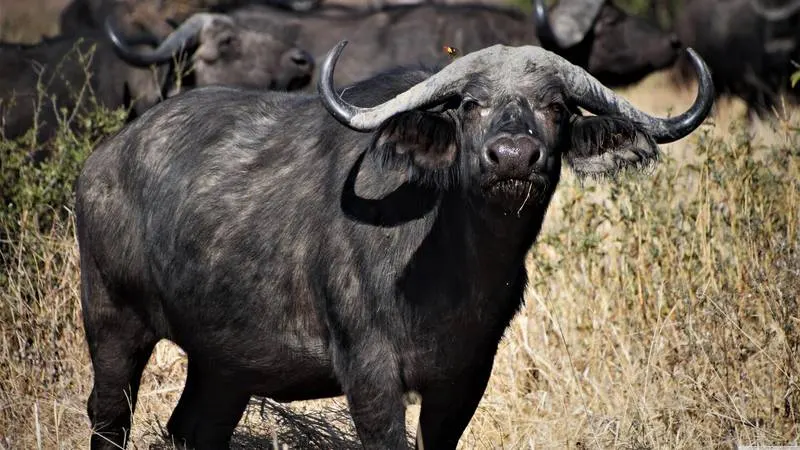
Cape Buffalo
Africa's Most Dangerous Bovine
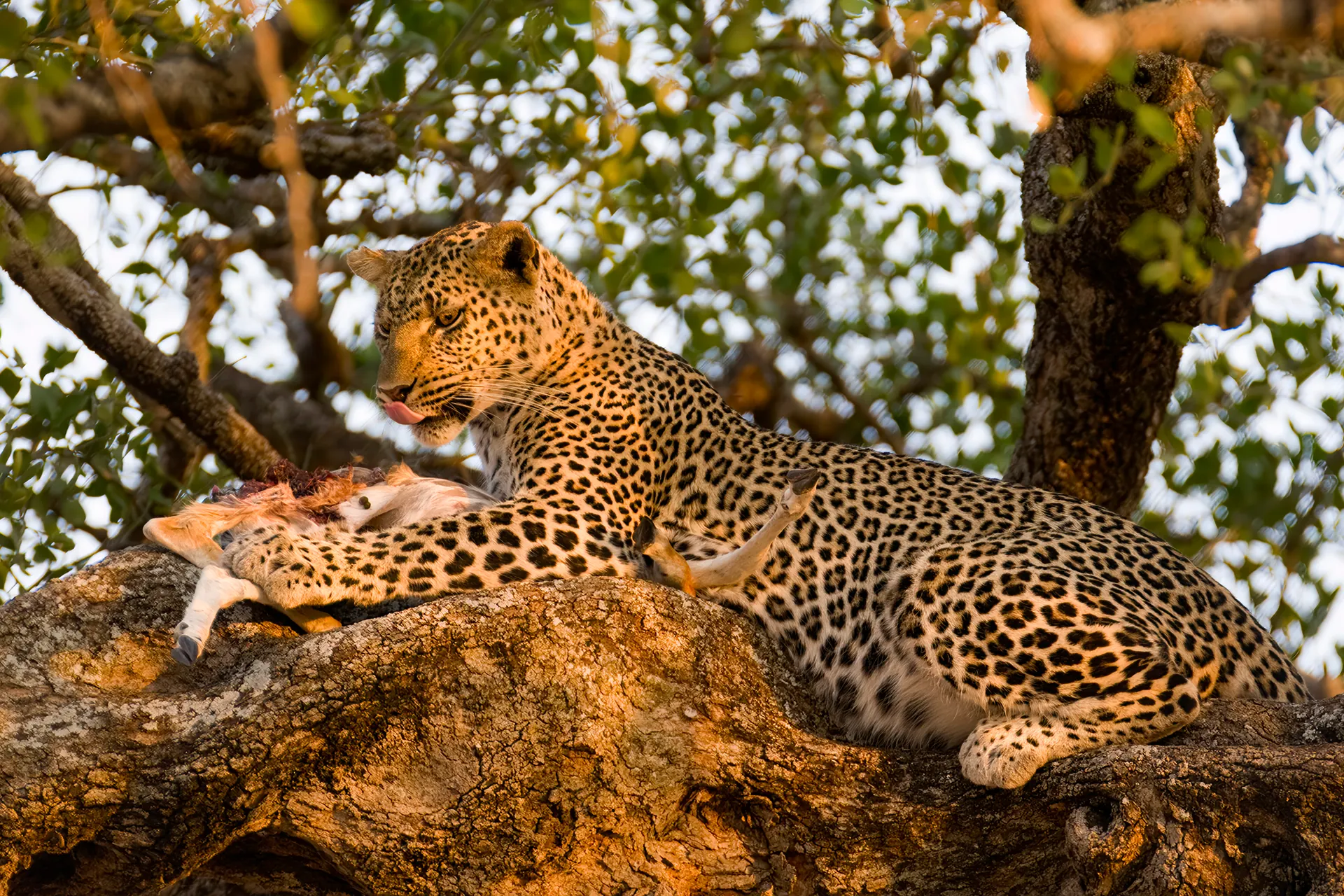
White Rhinoceros
Guardians of the Grassland
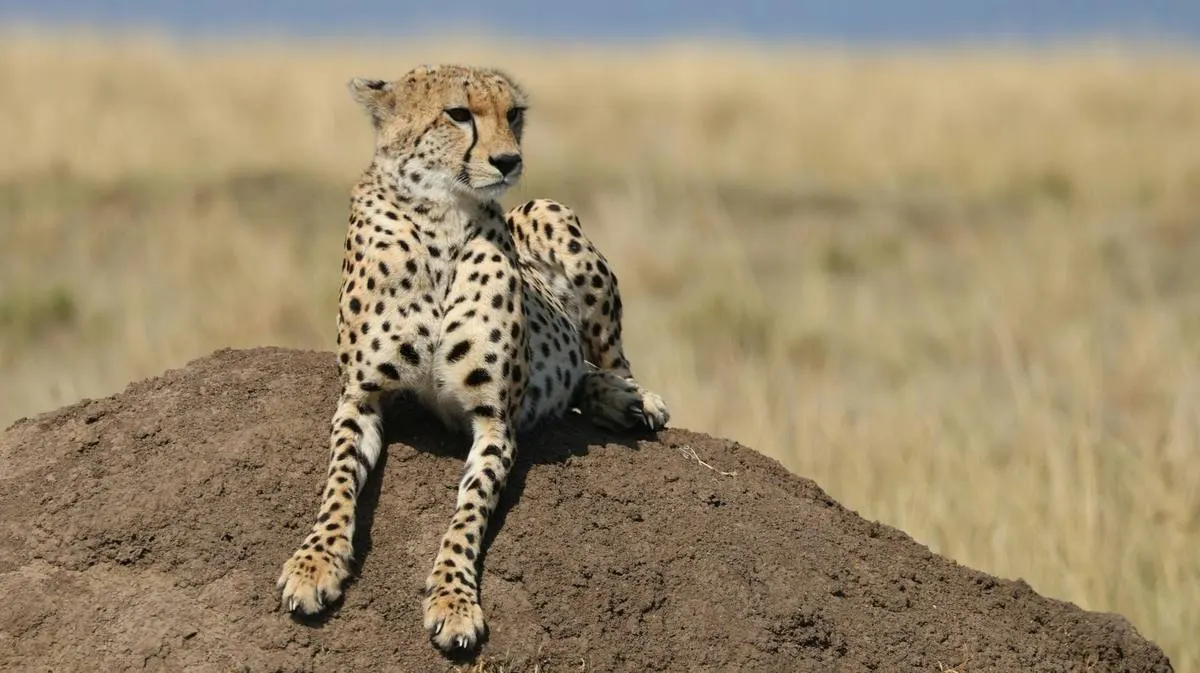
Cheetah
The Fastest Animal on Land
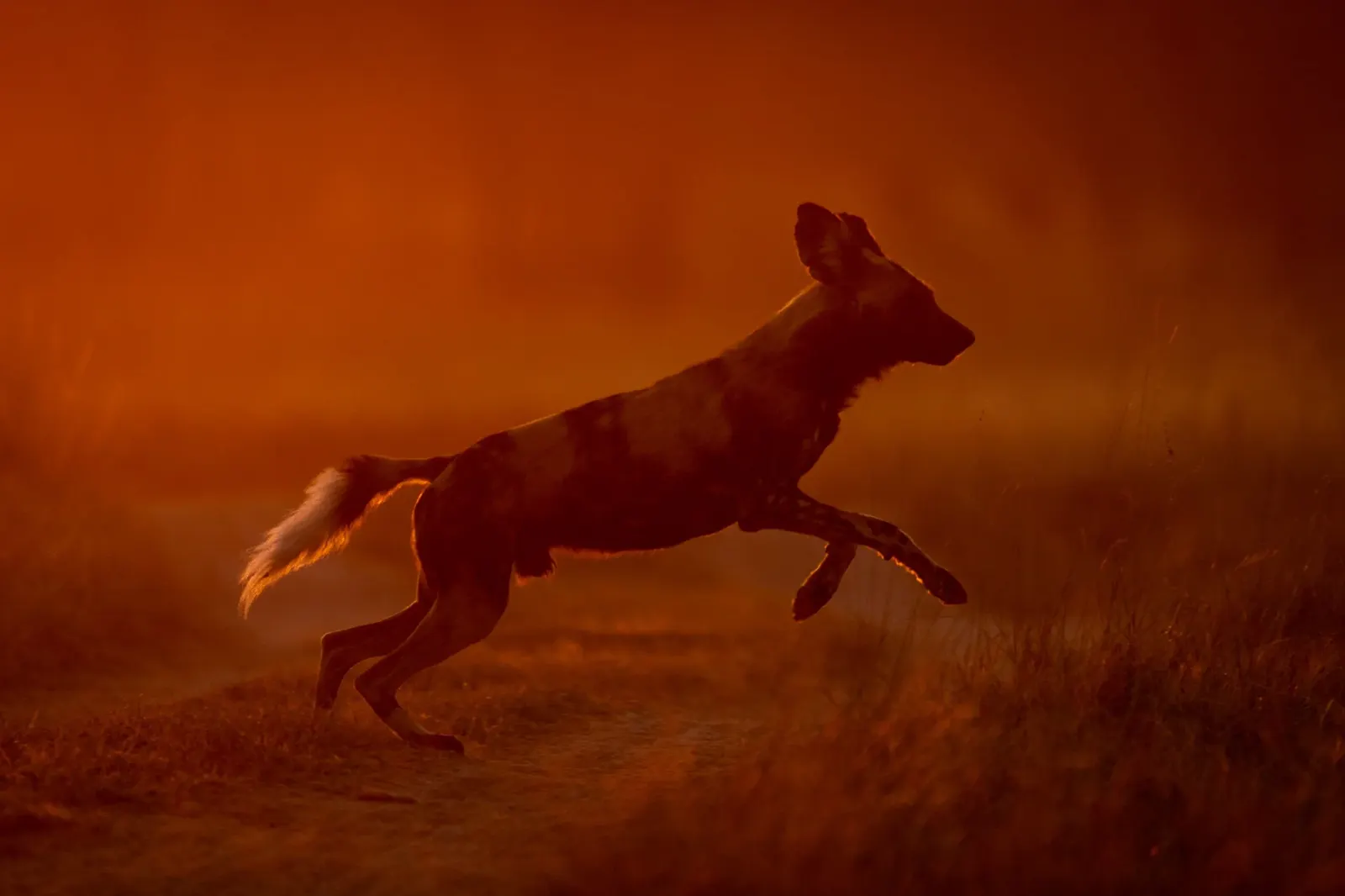
African Wild Dog
Africa's Most Efficient Predator
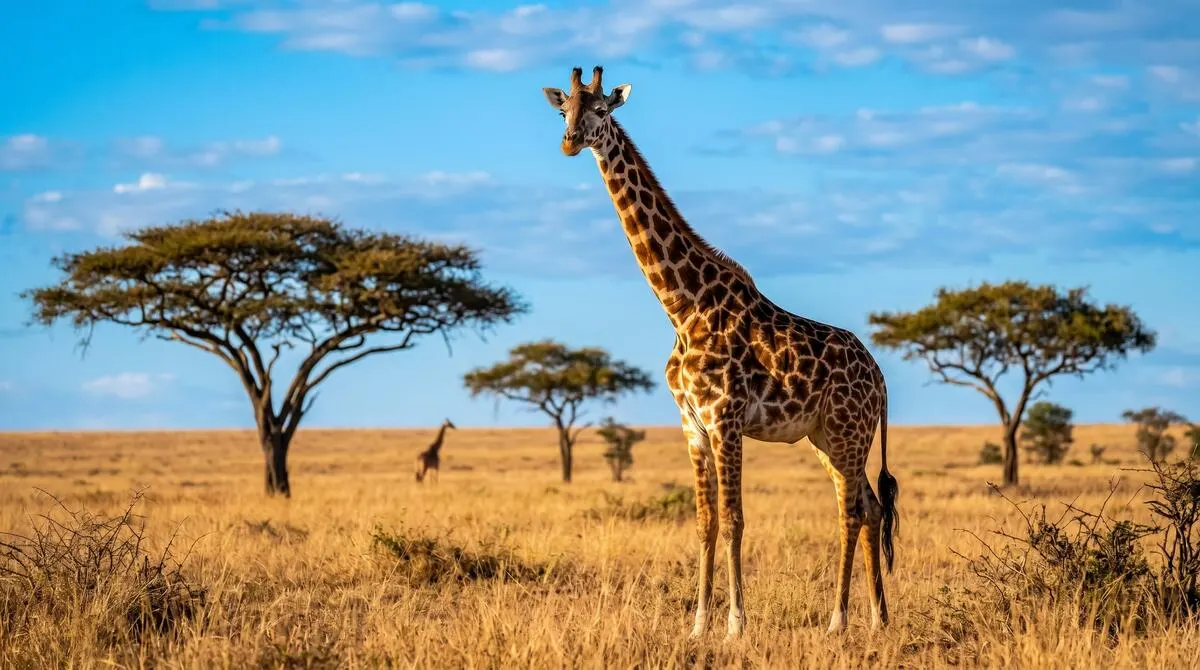
South African Giraffe
The Tallest Animal on Earth