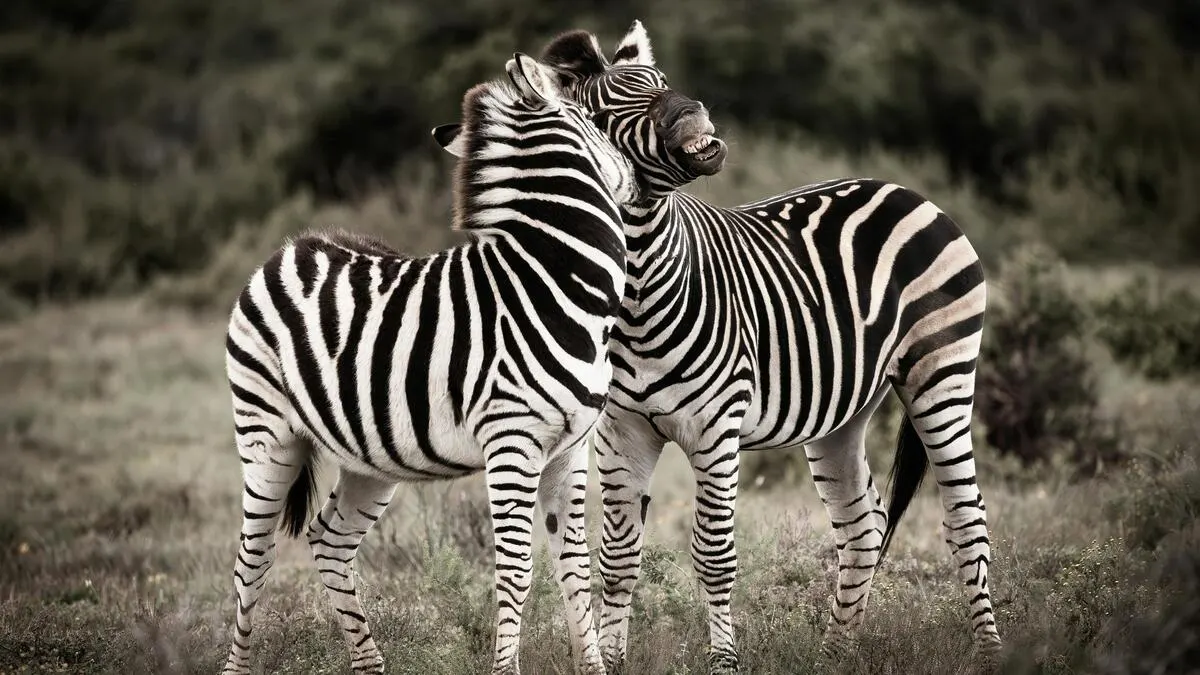
Equus quagga
Africa's Iconic Striped Marvel
Habitat
Grasslands, savanna, open woodland, and semi-arid regions across eastern and southern Africa
Diet
Herbivore
Lifespan
20–30 years (wild)
Weight
220–350 kg
The plains zebra is one of Africa's most recognisable animals, with every individual bearing a completely unique pattern of black-and-white stripes — no two zebras are alike. Scientists believe the stripes may serve multiple purposes: disrupting the vision of biting flies, regulating body temperature through micro-air currents between the dark and light bands, and helping individuals recognise each other within the herd.
Plains zebras are highly social animals that live in stable family groups called harems, typically consisting of one stallion, several mares, and their foals. These family units join together to form spectacular herds of thousands during seasonal migrations. In the Serengeti–Mara ecosystem, over 200,000 zebras migrate alongside 1.5 million wildebeest in one of nature's greatest spectacles — the Great Migration. In South Africa, Kruger National Park alone supports approximately 30,000 plains zebras, making sightings virtually guaranteed on any game drive.
Habitat
Grasslands, savanna, open woodland, and semi-arid regions across eastern and southern Africa
Diet
Herbivore — primarily tough grasses, occasionally browsing on herbs, shrubs, and bark
Lifespan
20–30 years (wild)
Weight
220–350 kg
Plains zebras live in stable family units called harems, consisting of one stallion, 1–6 mares, and their foals. These family groups maintain strong bonds — members groom each other, stand head-to-tail to swish flies from each other's faces, and will search for missing members. Bachelor males form separate groups and compete for mares through ritualised fighting and neck-wrestling. During migration, multiple harems merge into mega-herds of thousands.
Population
Approximately 500,000–750,000 across Africa; over 200,000 participate in the Great Migration annually
Kruger National Park
Serengeti National Park
Etosha National Park
Masai Mara
Pilanesberg
Year-round in southern Africa (Kruger, Pilanesberg). For the Great Migration spectacle in East Africa, July–October offers the dramatic Mara River crossings. February–March is calving season in the Serengeti.
Every zebra's stripe pattern is unique — like a human fingerprint
Zebra foals can stand within 6 minutes of birth and run within an hour
They sleep standing up and take turns keeping watch for predators
A group of zebras is called a "dazzle" — named for the confusing visual effect of their stripes when running together
Zebras can run at speeds of up to 65 km/h, making them one of the fastest African herbivores
Photograph zebra herds from a low angle to create dramatic compositions with African skies
Capture the graphic quality of zebra stripes — close-up abstract patterns of stripes make striking monochrome images
Golden hour lighting emphasises the warm tones in zebra coats that aren't visible in harsh midday light
Zebra drinking at waterholes create beautiful reflection shots — position yourself for symmetrical compositions
Foals running alongside mothers offer action shots and emotive storytelling moments
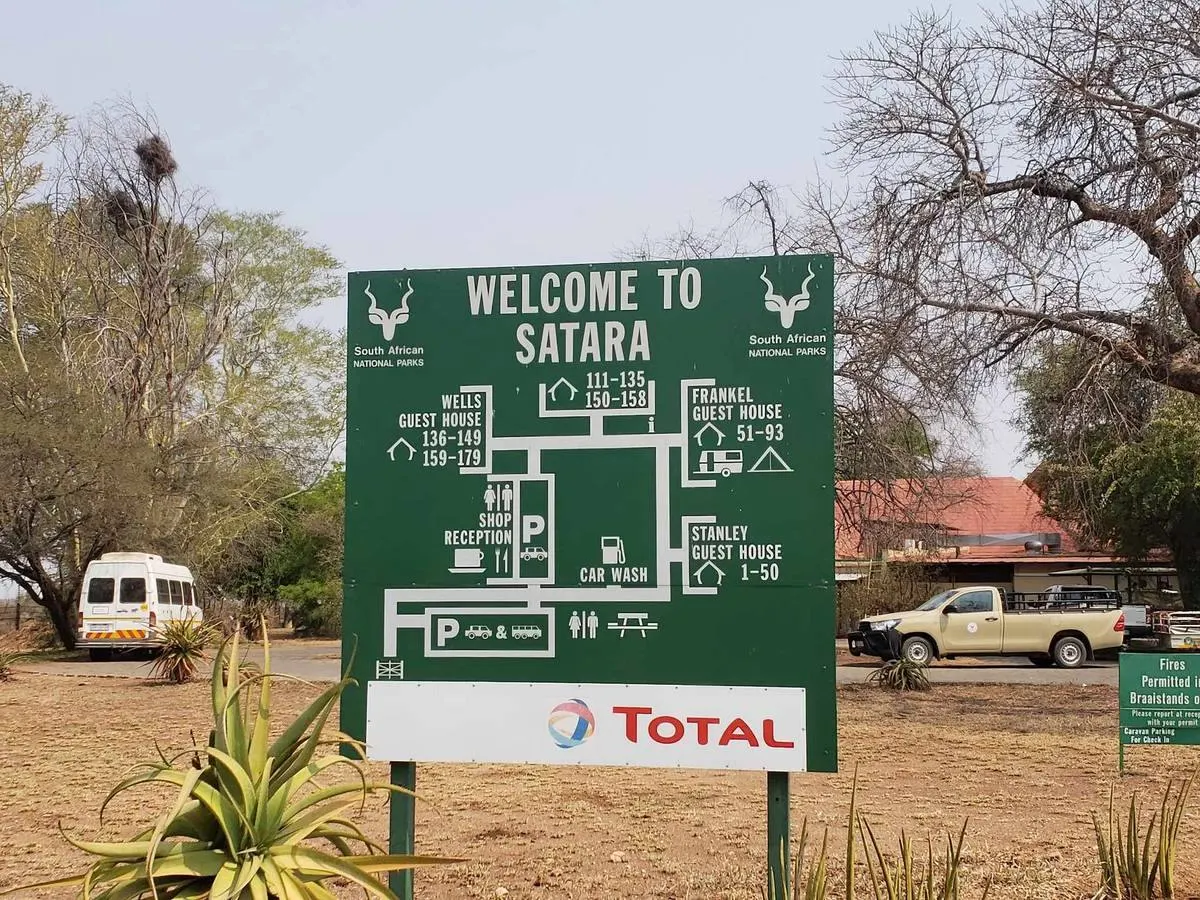
Central Kruger's open grasslands support large zebra herds alongside wildebeest, creating mini-migration scenes year-round.
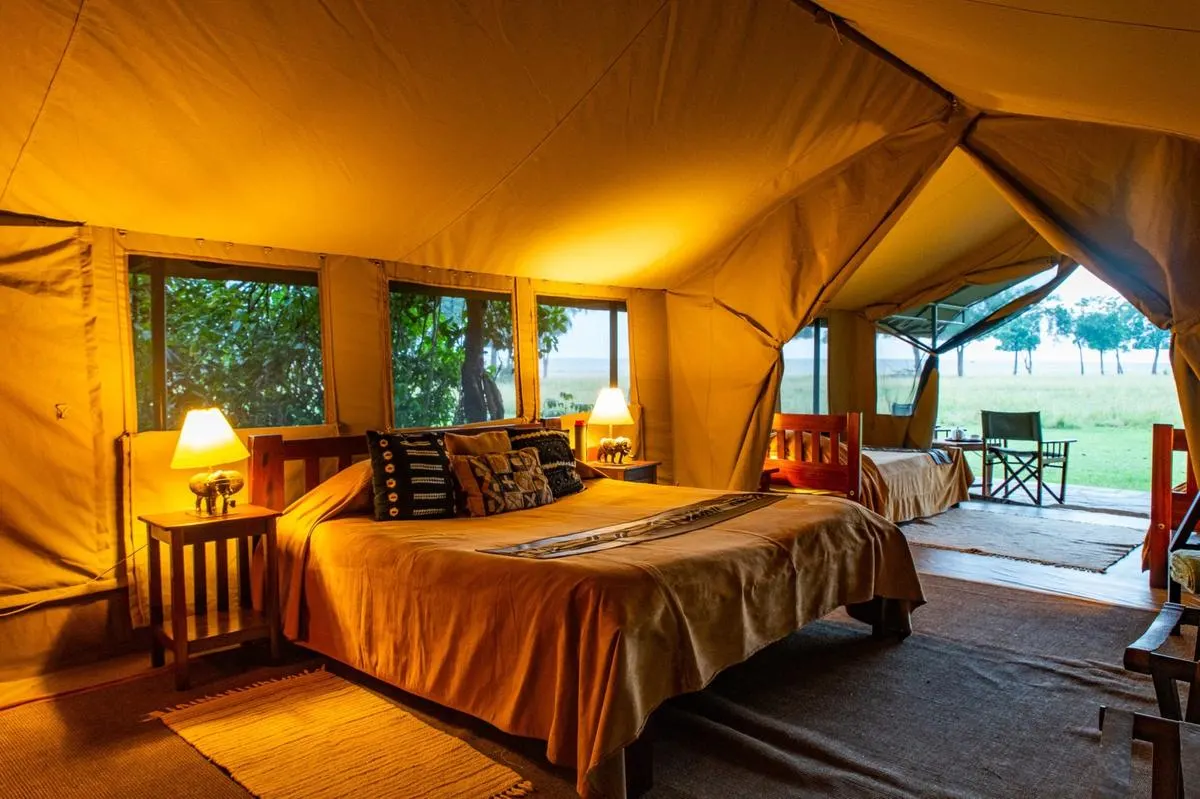
Premium tented camp positioned directly on the Mara River — front-row seats for the Great Migration's zebra river crossings.
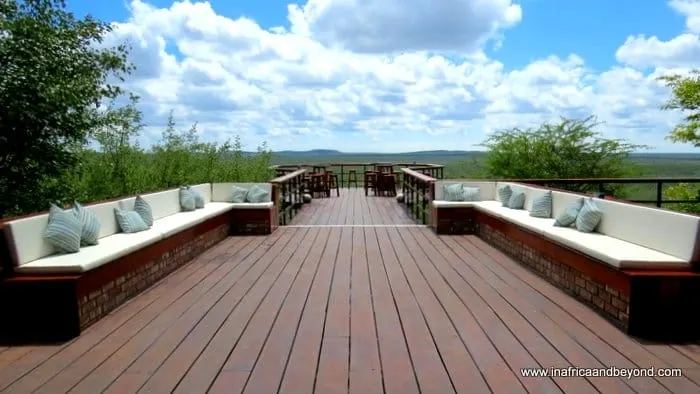
Gateway to Etosha's iconic white salt pans where large zebra herds create striking visual contrasts against the stark landscape.
Habitat loss due to agricultural expansion
Hunting for skins and bushmeat
Competition with livestock for grazing
Climate change affecting grassland quality and water availability
Zebra conservation benefits from the extensive protected area networks across southern and East Africa. In South Africa, national parks and private reserves provide strongholds. The Quagga Project attempts to selectively breed plains zebras to recreate the appearance of the extinct quagga. Anti-poaching patrols and community conservancies help protect zebra populations on the borders of protected areas.
Scientists have debated this for over a century. Current leading theories include: (1) Stripe patterns confuse biting flies — studies show horseflies land less frequently on striped surfaces; (2) Thermoregulation — black stripes absorb heat while white stripes reflect it, creating air currents that cool the zebra; (3) Individual recognition — each zebra's unique stripe pattern helps family members identify each other in large herds; (4) Predator confusion — when a herd runs, the mass of moving stripes may disorient pursuing predators.
Multi-day, all-inclusive safari packages that include the best plains zebra viewing destinations.
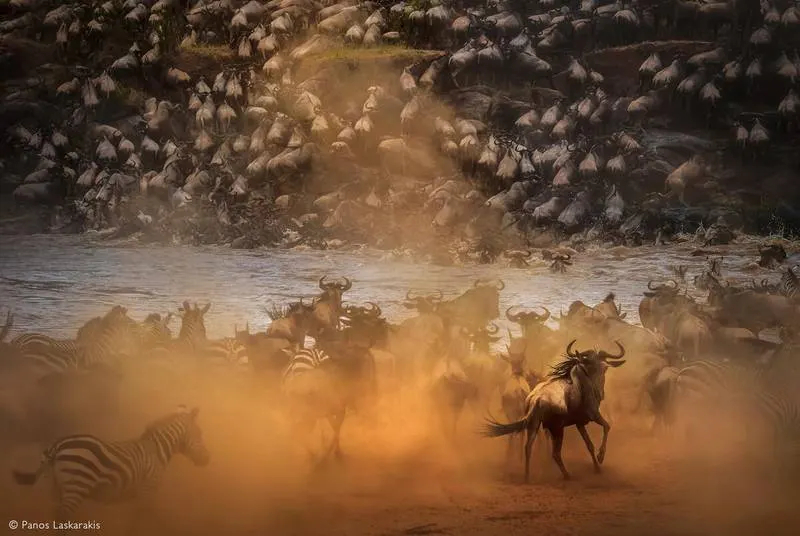
Nairobi, Masai Mara
From $9,490
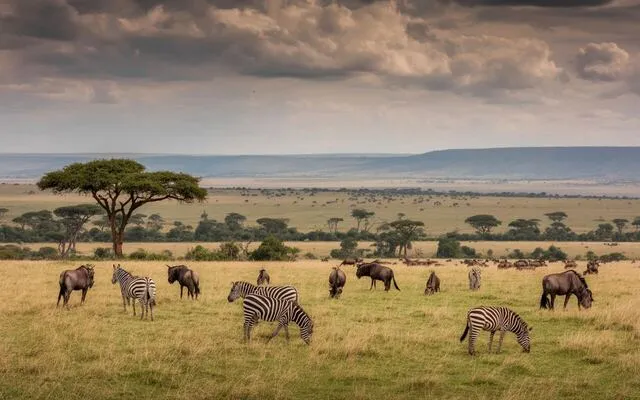
Nairobi, Masai Mara
From $3,890
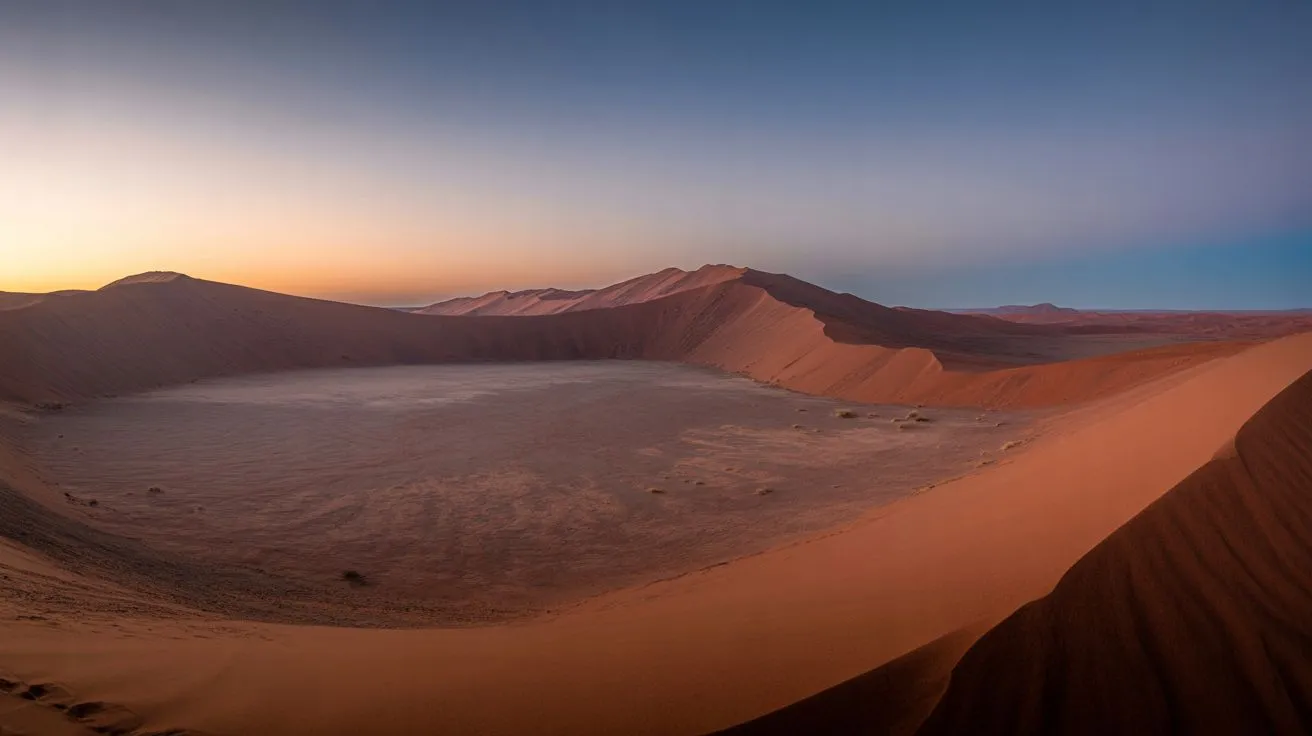
Windhoek, Sossusvlei
From $5,490
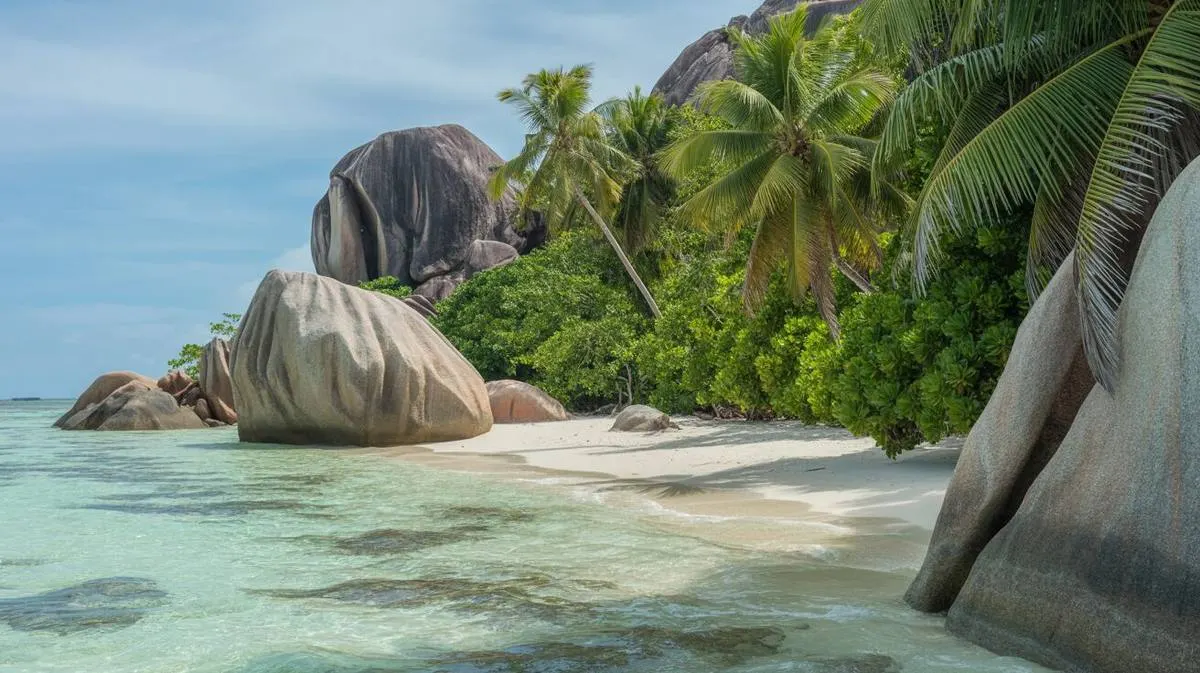
Masai Mara, Nairobi
From $8,700
Our expert safari consultants will craft your perfect plains zebra encounter — from choosing the ideal reserve to selecting the best season and lodge.
Big Five game drives, walking safaris & more
Luxury accommodation in prime wildlife areas
Kruger, Sabi Sands, Masai Mara & beyond
Plan your trip around peak wildlife seasons
Honest pricing guide for every budget
How your safari protects African wildlife
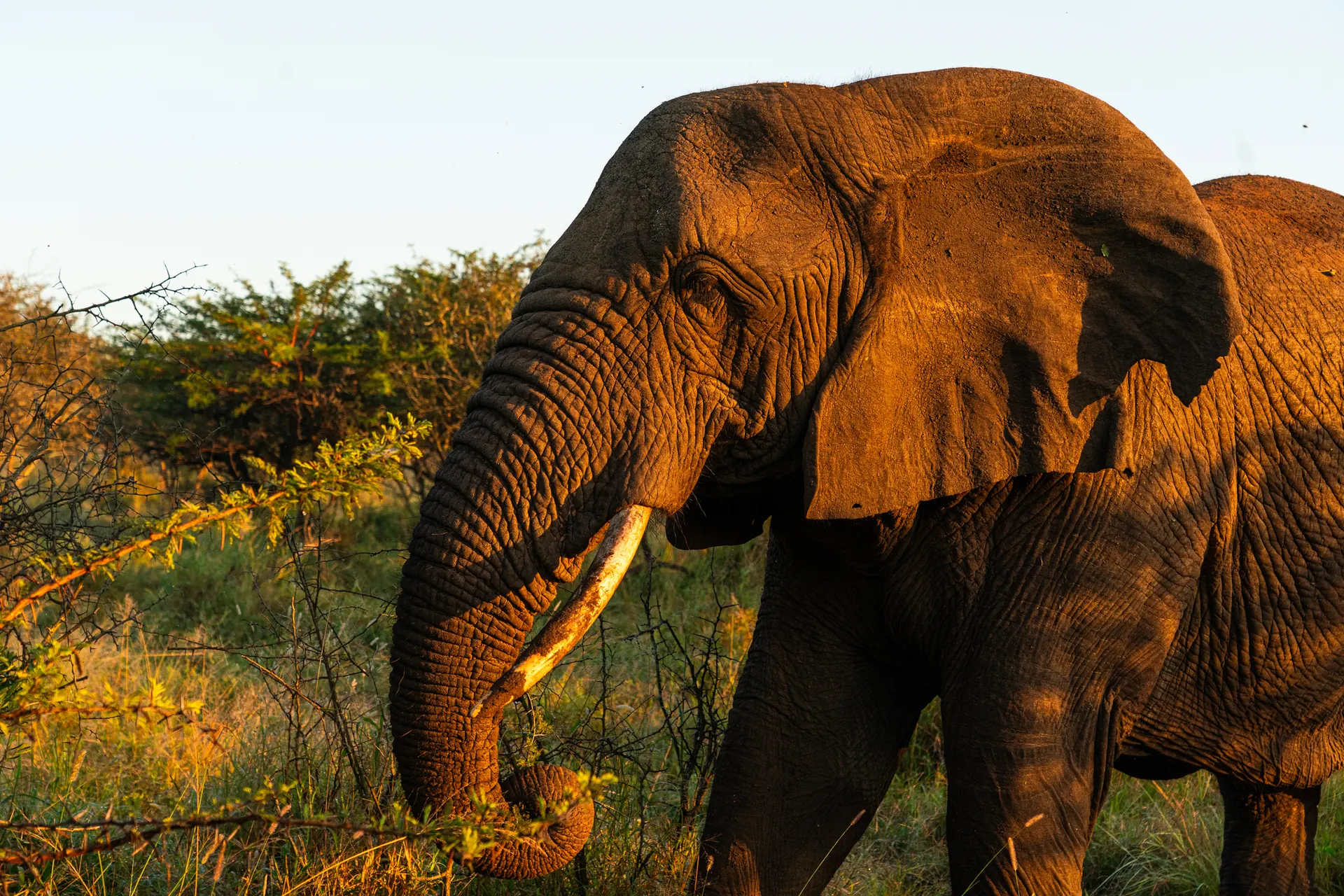
African Elephant
The Gentle Giants of the African Bush
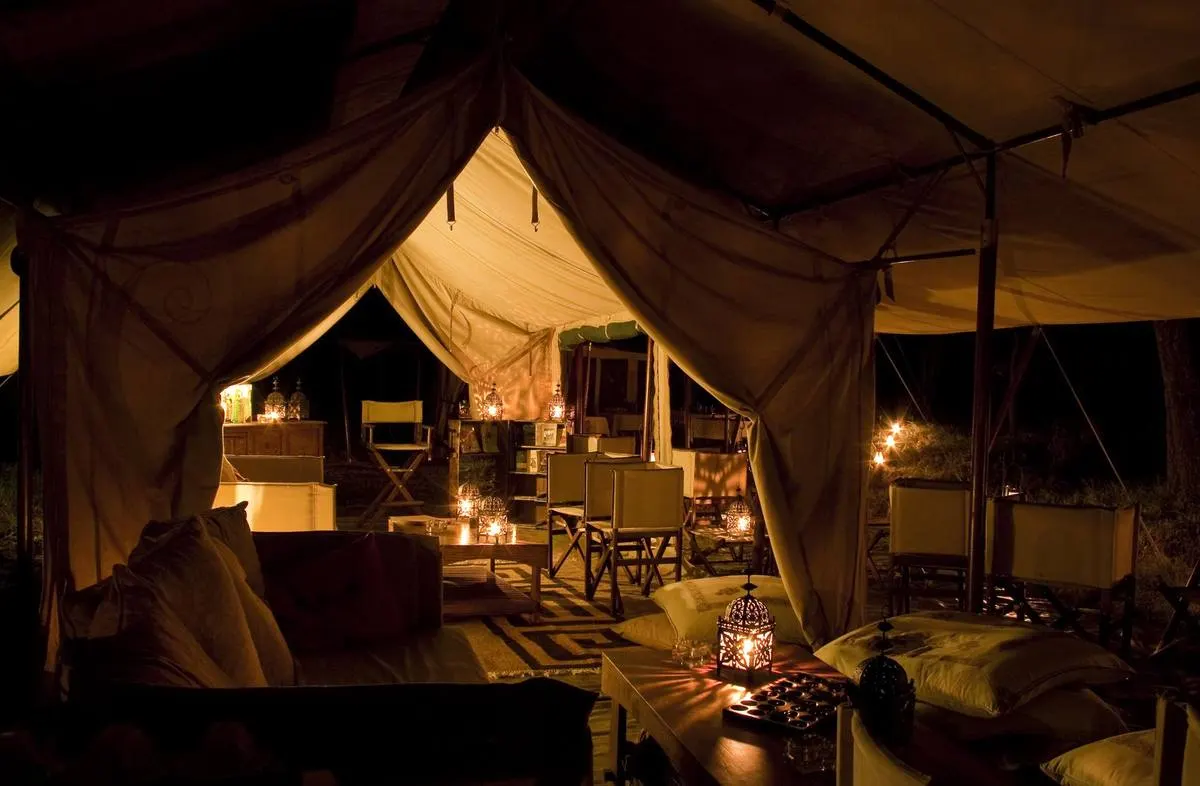
African Lion
The King of the African Savanna
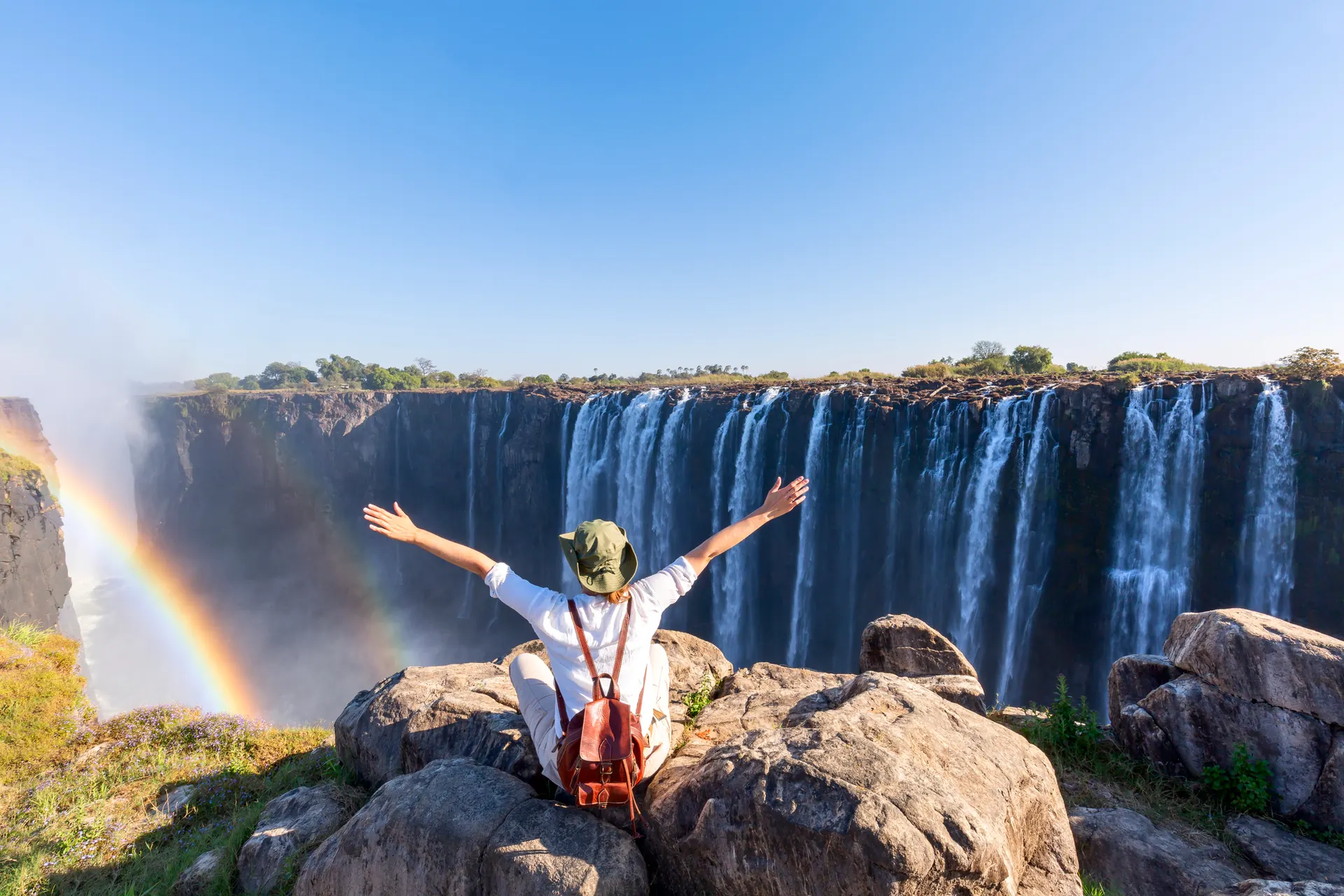
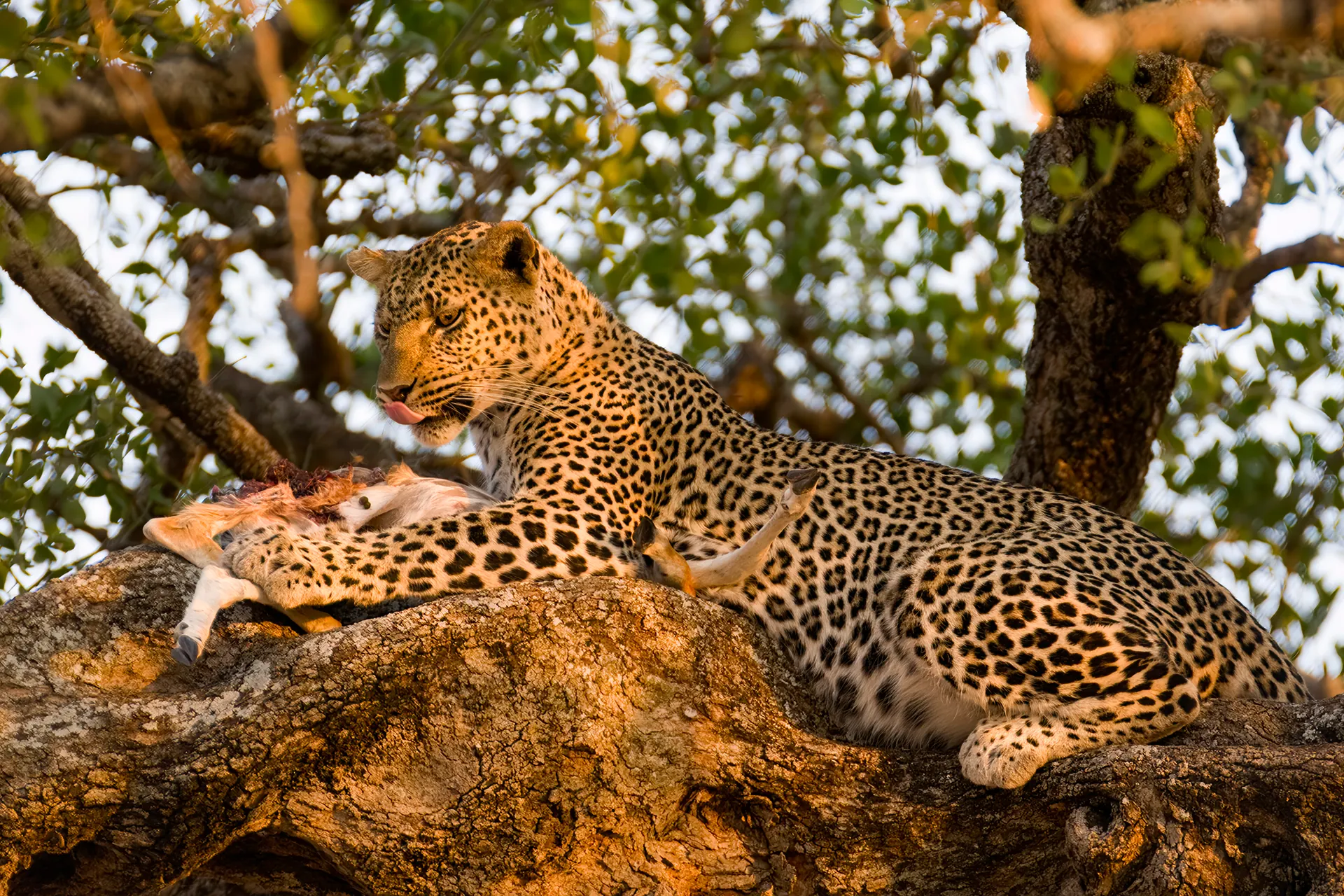
African Leopard
The Elusive Ghost of the Bush
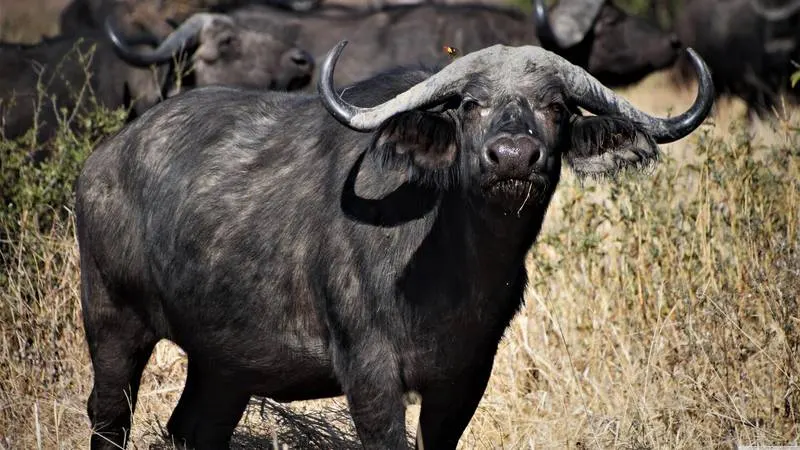
Cape Buffalo
Africa's Most Dangerous Bovine
White Rhinoceros
Guardians of the Grassland
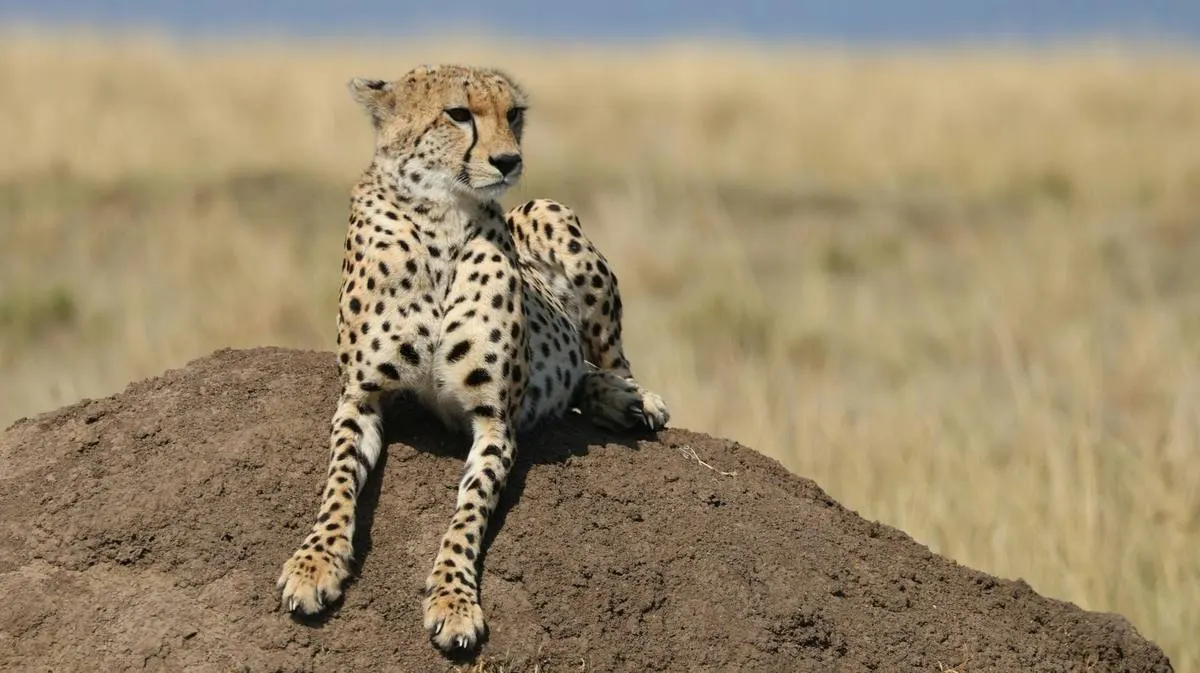
Cheetah
The Fastest Animal on Land
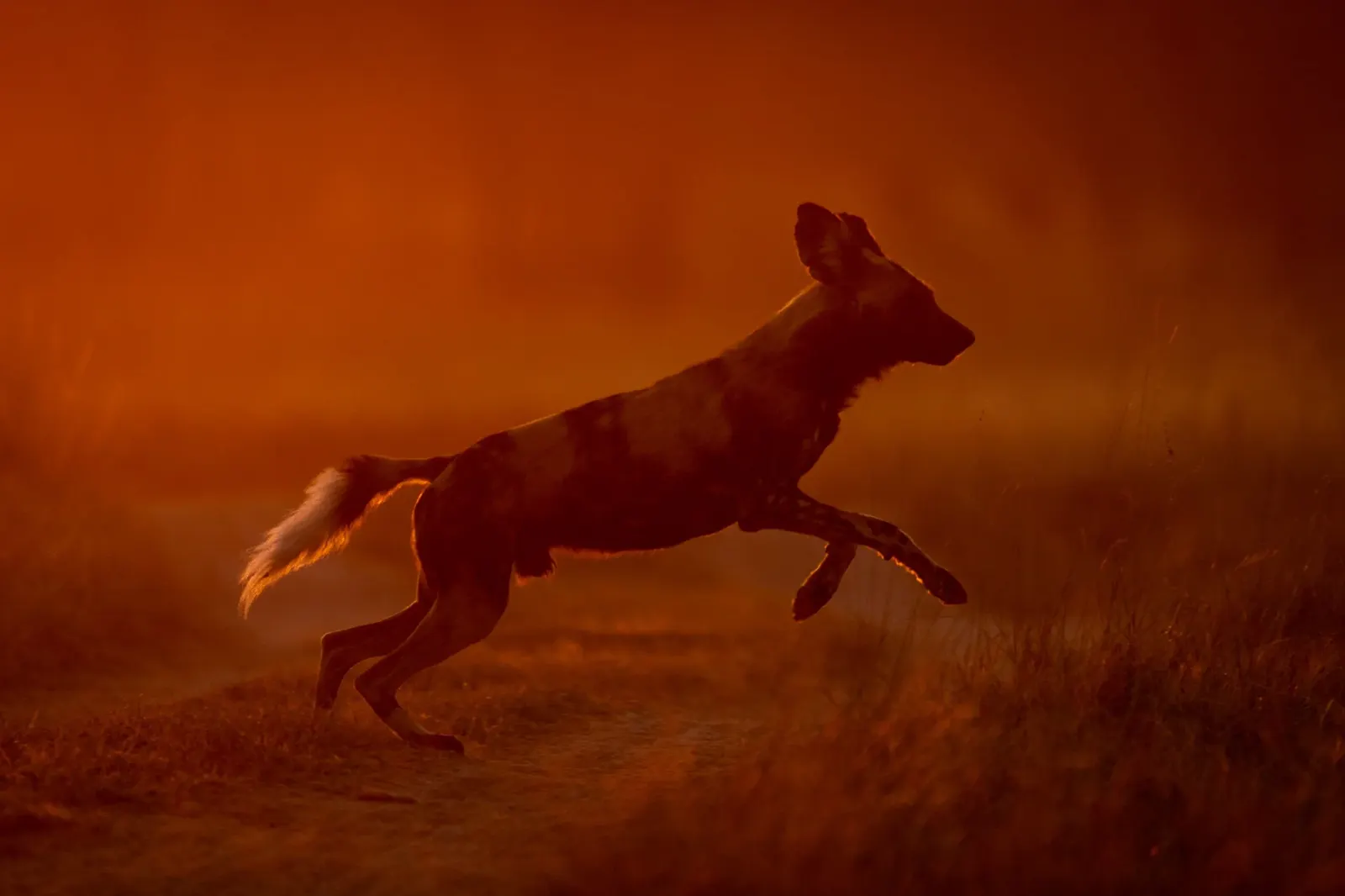
African Wild Dog
Africa's Most Efficient Predator
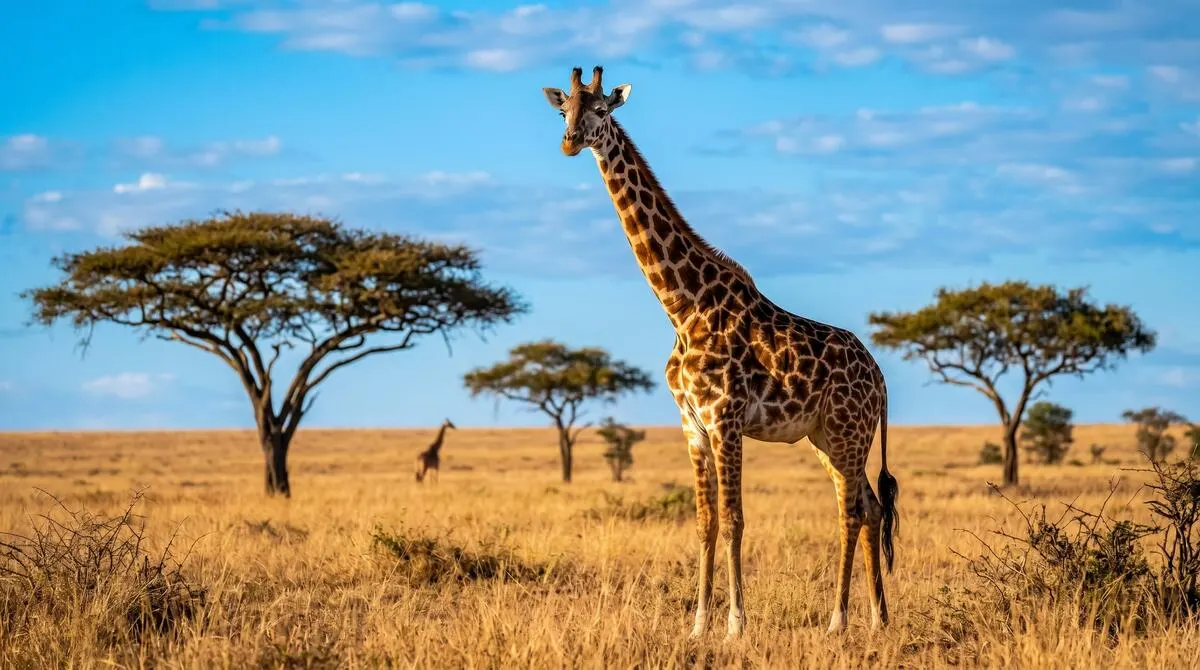
South African Giraffe
The Tallest Animal on Earth