Big Five Animals South Africa: The Complete Wildlife Guide 2026
Ask any safari-goer what they most want to see in Africa, and the answer is almost always the same: the Big Five. Lion, leopard, elephant, rhino, and buffalo — these five iconic species have captured the imagination of travellers from around the world for generations. South Africa is one of the best places on earth to encounter all five in a single trip, often within a single game reserve.
But the Big Five are more than just a checklist. Each species has a fascinating ecology, complex social behaviour, and a unique role in the African ecosystem. Understanding these animals — where they live, how they behave, and what threats they face — transforms a game drive from a tick-box exercise into a profound wildlife encounter.
This comprehensive guide from the team at Ingwe Africa Safaris covers everything you need to know about South Africa's Big Five: their biology, best viewing locations, conservation status, and practical tips for maximising your sightings. Let's dive in.
What Are the Big Five?
The term "Big Five" was originally coined by big-game hunters in the 19th and early 20th centuries. It referred not to the largest animals, but to the five most dangerous and difficult to hunt on foot: lion, leopard, elephant, rhinoceros, and Cape buffalo. The term has since been reclaimed by the safari industry and conservation community as a symbol of Africa's most iconic wildlife.
Today, seeing the Big Five is the primary motivation for millions of safari visitors each year. South Africa's well-managed national parks and private game reserves offer some of the highest Big Five encounter rates in Africa, making it the top destination for first-time and returning safari-goers alike.
South Africa is one of the best places on earth to encounter all five in a single trip, often within a single game reserve.
1. African Lion (Panthera leo)
Biology and Behaviour
The African lion is the only truly social big cat, living in family groups called prides that typically consist of 2–4 adult males, a coalition of related females, and their cubs. Prides can range from 3 to over 30 individuals depending on prey availability and habitat.
Lions are primarily nocturnal hunters, doing most of their hunting between dusk and dawn. During the day, they spend up to 20 hours resting and sleeping — which is why game drive timing matters so much. Early morning and late afternoon drives offer the best chances of seeing lions active, hunting, or interacting with cubs.
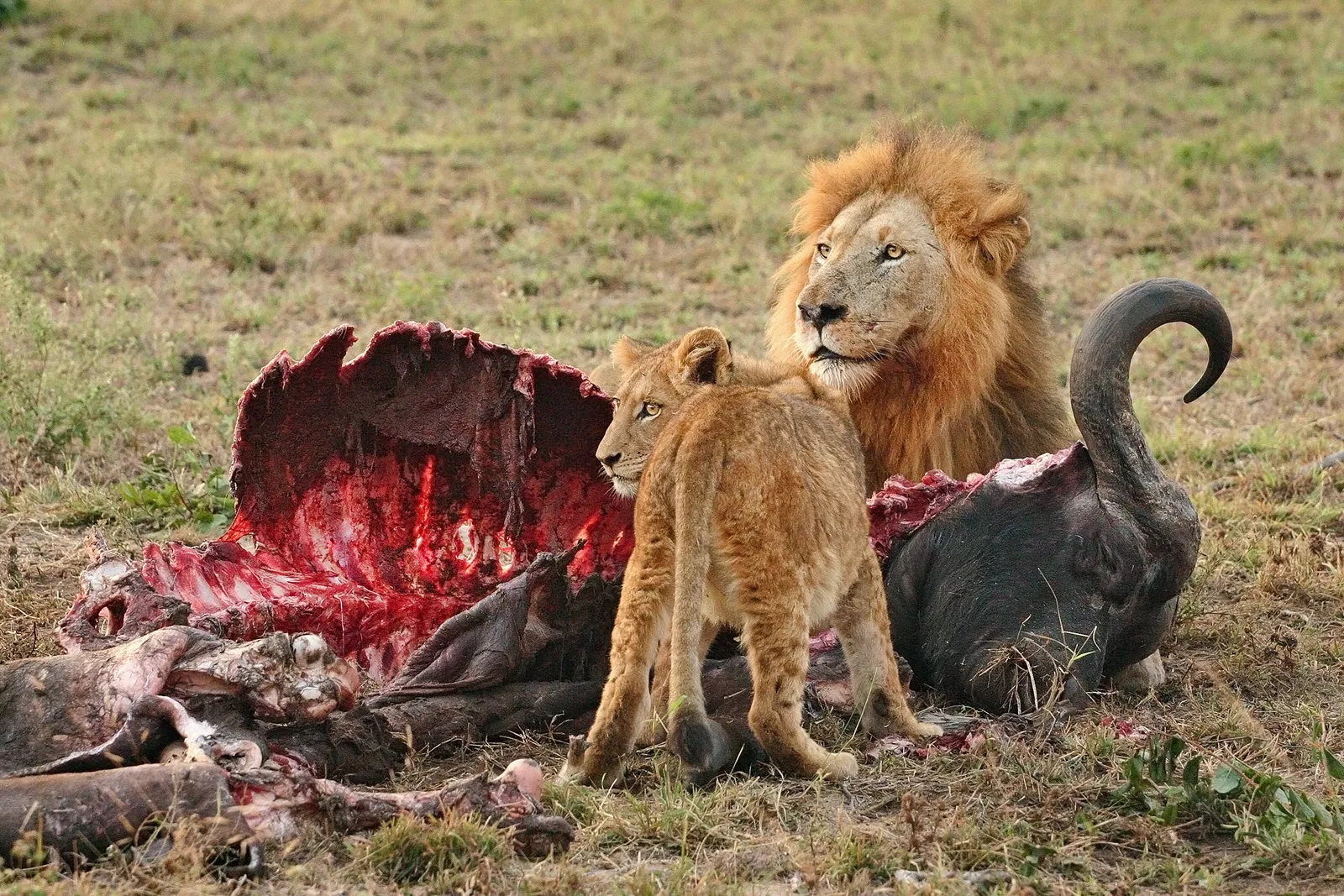
Adult male lions weigh 150–250 kg and are instantly recognisable by their magnificent manes, which darken with age. Females are smaller (120–180 kg) and do the majority of the hunting. Lions are apex predators, feeding primarily on large ungulates like wildebeest, zebra, buffalo, and giraffe.
Conservation Status
African lions are classified as Vulnerable on the IUCN Red List. Their population has declined by approximately 43% over the past 21 years, with an estimated 20,000–25,000 individuals remaining in the wild. South Africa's fenced reserves have actually helped stabilise and grow local lion populations, making the country one of the few places where lion numbers are increasing.
Best Places to See Lions in South Africa
The Kruger National Park is home to approximately 1,500–2,000 lions — one of the largest populations in Africa. The southern and central sections of Kruger offer the highest lion density. Private concessions like Sabi Sands and Timbavati, which share unfenced borders with Kruger, offer exceptional lion sightings with smaller, more exclusive groups.
The Kruger Full Day Open Vehicle Safari regularly encounters lion prides, particularly in the Satara and Lower Sabie regions. Expect to pay $150–$350 per person for a guided full-day safari in Kruger.
2. African Leopard (Panthera pardus)
Biology and Behaviour
The leopard is the most elusive and adaptable of the Big Five. Solitary and largely nocturnal, leopards are masters of concealment — they can be lying in a tree directly above your vehicle and remain completely invisible until they choose to move. This combination of beauty and mystery makes a leopard sighting one of the most thrilling moments in safari travel.
Leopards are remarkably strong for their size, capable of hauling prey twice their own body weight up into a tree to keep it safe from lions and hyenas. They are also the most widespread of the big cats, found in habitats ranging from dense rainforest to open savannah, from sea level to high mountain ranges.
Adult males weigh 60–90 kg; females are smaller at 28–60 kg. Their distinctive rosette-patterned coat provides near-perfect camouflage in dappled light. No two leopards have identical rosette patterns — like human fingerprints, each coat is unique.
Conservation Status
African leopards are classified as Vulnerable on the IUCN Red List. They face threats from habitat loss, human-wildlife conflict, and illegal trade in skins and body parts. South Africa's leopard population is estimated at 6,000–12,000 individuals, with Kruger and the surrounding private reserves holding significant numbers.
Best Places to See Leopards in South Africa
Sabi Sands Private Game Reserve is world-renowned for its habituated leopards. These animals have been observed by safari vehicles for generations and are completely relaxed around game drive vehicles, allowing extraordinary close-up encounters. The Sabi Sands Leopard Tracking Safari is specifically designed around finding and following these magnificent cats.
Kruger's southern section (particularly around Skukuza and Lower Sabie) also offers excellent leopard sightings, especially on night drives when leopards are most active.
3. African Elephant (Loxodonta africana)
Biology and Behaviour
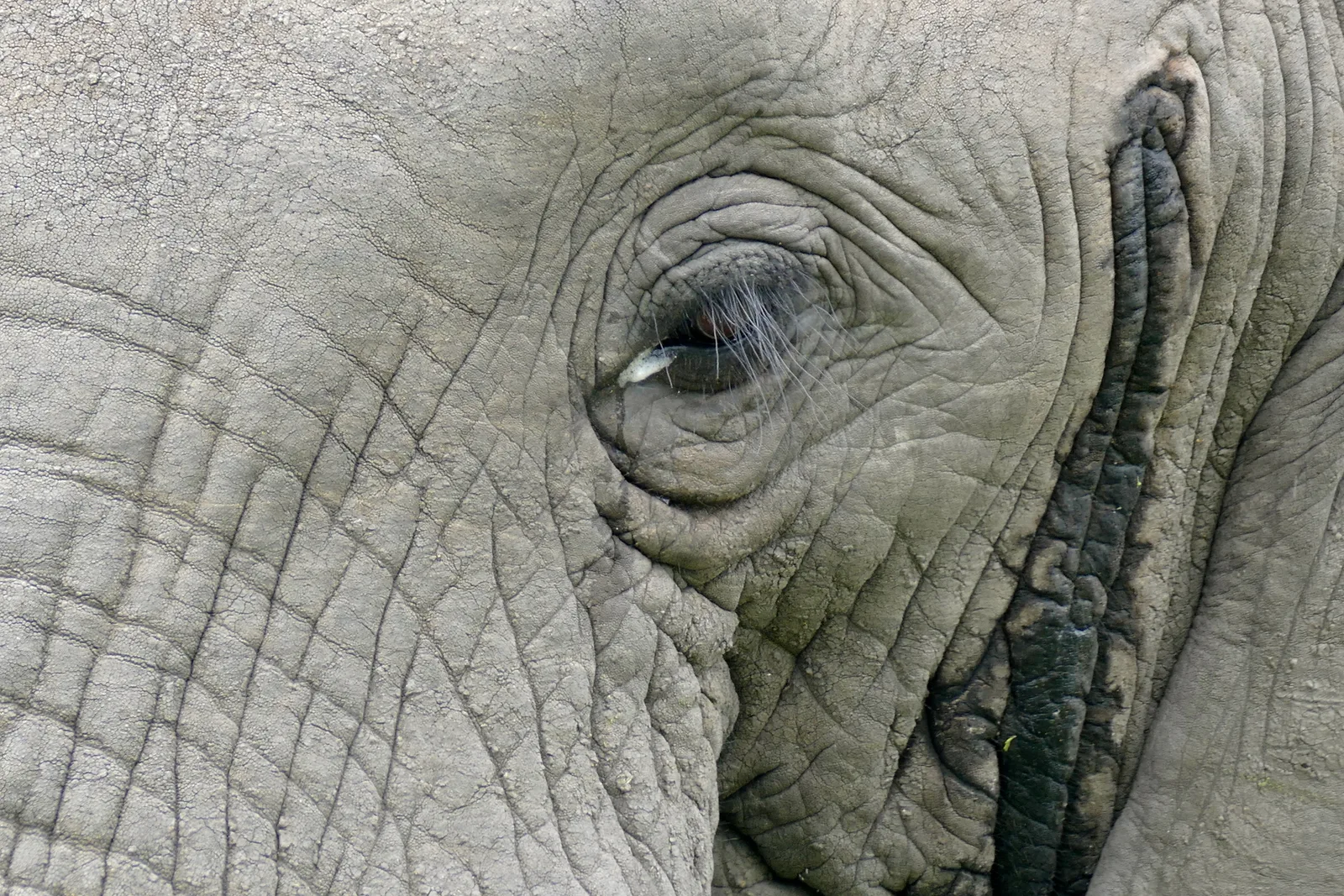
The African elephant is the largest land animal on earth, with adult bulls reaching 6,000–7,000 kg and standing up to 4 metres at the shoulder. These magnificent animals are highly intelligent, deeply social, and emotionally complex — they mourn their dead, demonstrate empathy, use tools, and communicate across vast distances using infrasound frequencies below the range of human hearing.
Elephants live in matriarchal family groups led by the oldest and most experienced female. These family units are part of larger clan and bond group structures that can number in the hundreds. Adult bulls are largely solitary, joining female groups only for mating.
An adult elephant consumes up to 300 kg of vegetation and 200 litres of water per day. Their feeding behaviour shapes entire landscapes — they knock down trees, create waterholes, and disperse seeds across vast distances, earning them the title of "ecosystem engineers."
Conservation Status
African savannah elephants are classified as Endangered on the IUCN Red List. Poaching for ivory and habitat loss remain the primary threats. South Africa, however, has a growing elephant population — Kruger alone is home to approximately 20,000 elephants, which is actually above the park's estimated carrying capacity.
Best Places to See Elephants in South Africa
Kruger National Park offers the most reliable elephant sightings in South Africa. The Olifants River region and the area around Letaba are particularly productive. Addo Elephant National Park in the Eastern Cape is another outstanding option — it was established specifically to protect a remnant elephant population and now holds over 600 individuals in a relatively compact area, making sightings almost guaranteed.
The Addo Elephant Full Day Safari offers an intimate elephant experience just 75 km from Port Elizabeth (Gqeberha), making it an excellent add-on to a Garden Route itinerary. Expect to pay $80–$150 per person for a guided Addo day safari.
4. White and Black Rhinoceros
Biology and Behaviour
South Africa is home to both white rhino (Ceratotherium simum) and black rhino (Diceros bicornis), though the two species are not actually white and black — the names are thought to derive from the Afrikaans word "wyd" (wide), referring to the white rhino's broad, square lip adapted for grazing.
White rhinos are the larger of the two species, with adults weighing 1,800–2,700 kg. They are grazers, preferring open grassland. Black rhinos are browsers, using their pointed, prehensile upper lip to grasp leaves and twigs from shrubs and trees. Black rhinos are smaller (800–1,400 kg), more solitary, and considerably more aggressive — they are responsible for more human fatalities in Africa than any other large mammal.
Both species are distinguished by their two horns, which are made of keratin (the same protein as human fingernails) rather than bone. These horns are the source of the rhino's greatest threat.
Conservation Status
White rhinos are classified as Near Threatened, with approximately 17,000 individuals remaining — the majority in South Africa. Black rhinos are Critically Endangered, with only around 6,000 individuals left in the wild. South Africa holds approximately 40% of the world's remaining black rhino population.
Poaching for rhino horn — driven by demand in parts of Asia where it is falsely believed to have medicinal properties — remains a devastating threat. South Africa lost over 400 rhinos to poaching in 2024 alone, though this represents a significant improvement from the peak of 1,215 in 2014.
Best Places to See Rhinos in South Africa
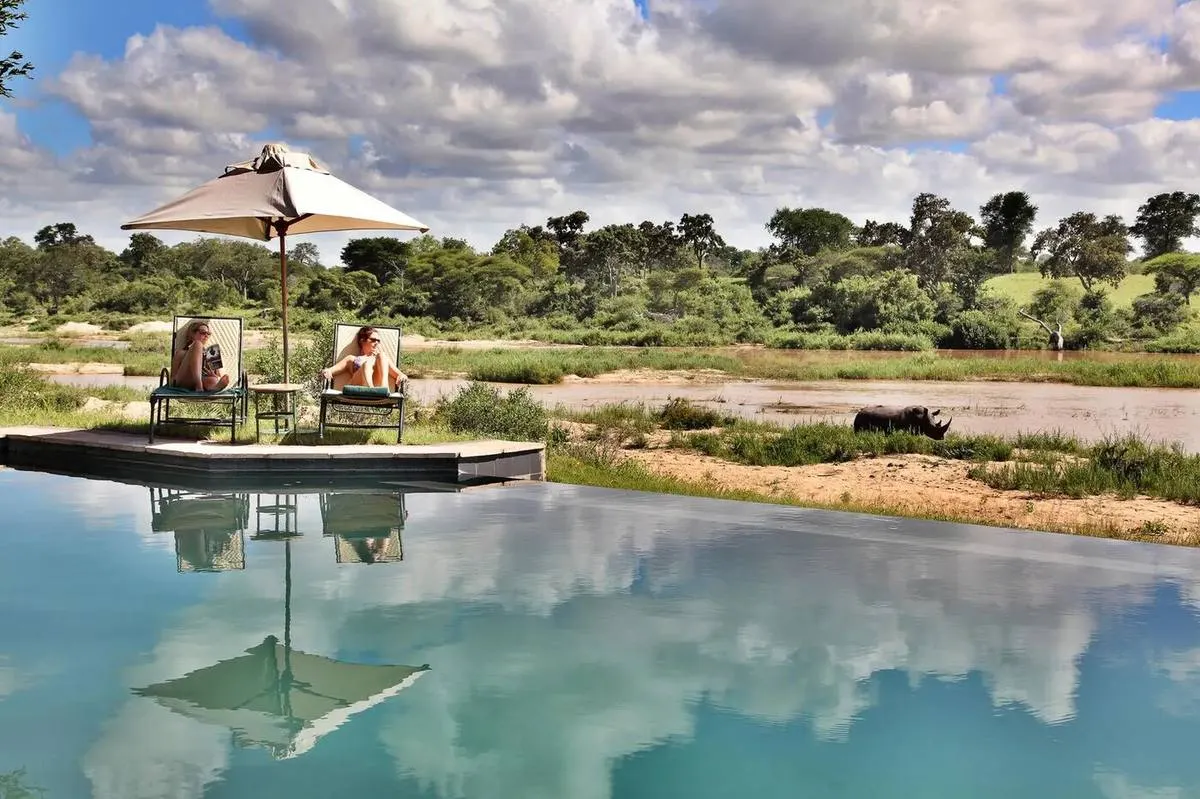
Hluhluwe-iMfolozi Park in KwaZulu-Natal is the birthplace of white rhino conservation and offers the best rhino sightings in Africa. The park is home to over 1,800 white rhinos and a significant black rhino population. The Hluhluwe-iMfolozi Big Five Safari is an outstanding choice for rhino enthusiasts.
Kruger National Park also has a substantial white rhino population, particularly in the southern section. Pilanesberg National Park near Johannesburg is another excellent option, especially for visitors combining a safari with a Johannesburg city stay.
5. African Buffalo (Syncerus caffer)
Biology and Behaviour
The African buffalo is often described as the most dangerous of the Big Five — and with good reason. Unlike lions and leopards, which generally avoid confrontation with humans, buffalo are notoriously unpredictable and have been known to ambush and attack hunters who have wounded them. Old bulls that have been expelled from the herd (known as "dagga boys" in South Africa) are particularly cantankerous.
Buffalo are highly social animals, living in herds that can number in the thousands. These massive aggregations are one of the great spectacles of the African savannah. Herds are led by dominant bulls and move constantly in search of fresh grazing and water.
Adult bulls weigh 500–900 kg and are distinguished by their massive, fused horn bosses — a solid shield of bone across the forehead that can deflect even a rifle bullet. Buffalo are the primary prey of lions, and the interaction between these two species — including dramatic buffalo rescues where the herd turns on a lion pride to save a captured calf — is one of the most thrilling wildlife spectacles you can witness.
Conservation Status
African buffalo are classified as Least Concern on the IUCN Red List, with an estimated 400,000 individuals remaining. However, populations outside protected areas have declined significantly due to hunting and disease. Buffalo are susceptible to foot-and-mouth disease and bovine tuberculosis, which has complicated their management in areas adjacent to cattle farming.
Best Places to See Buffalo in South Africa
Kruger National Park is home to approximately 40,000 buffalo — one of the largest populations in Africa. Large herds are commonly seen in the central and northern sections of the park. The Sabi Sands and other private concessions bordering Kruger also offer excellent buffalo sightings, often with dramatic lion-buffalo interactions.
Planning Your Big Five Safari in South Africa
Best Time to Visit
The dry season (May to September) is generally considered the best time for Big Five game viewing. Vegetation is sparse, animals congregate around water sources, and the lack of rain means roads are accessible and malaria risk is lower. The best time to visit South Africa for wildlife depends on your priorities — the wet season (October to April) brings lush landscapes, newborn animals, and migratory birds, but game viewing can be more challenging.
Which Park is Right for You?
South Africa offers a range of Big Five destinations to suit every budget and travel style:
- Kruger National Park: Best overall Big Five experience; suits self-drive and guided safaris; $50–$400 per day depending on accommodation and guide type
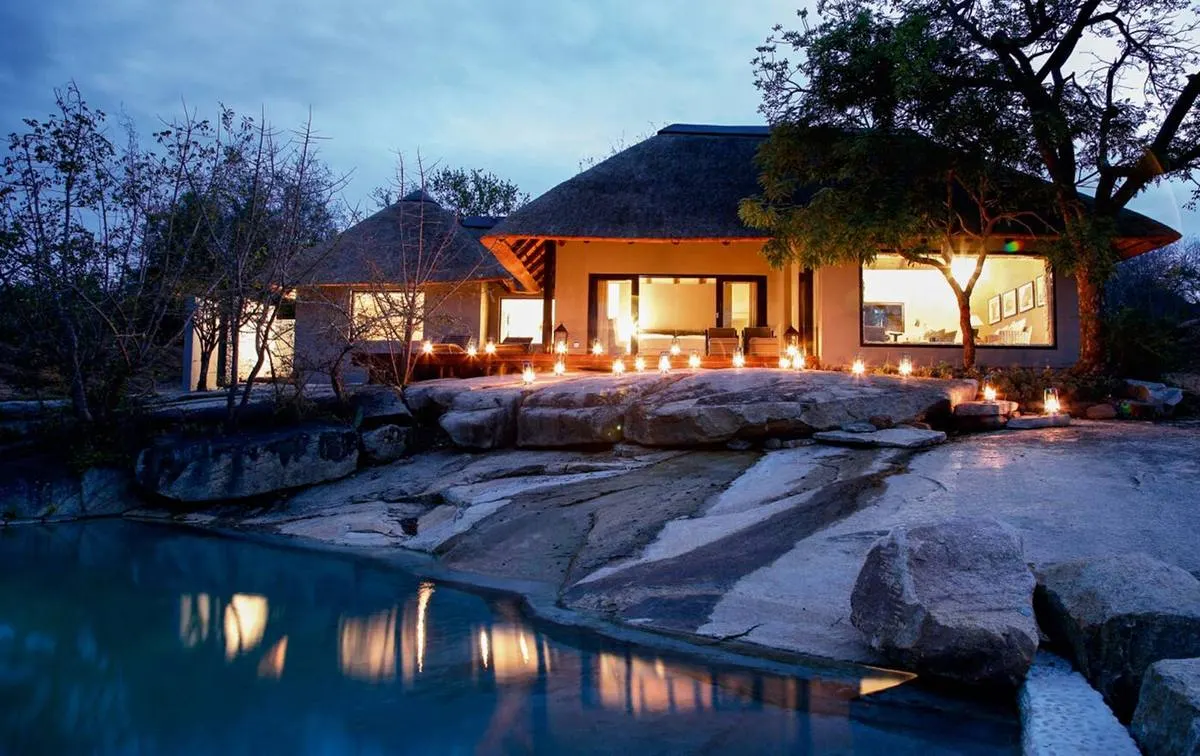
- Sabi Sands Private Reserve: Premium experience with habituated leopards; all-inclusive lodges from $600–$2,000 per person per night
- Hluhluwe-iMfolozi: Best for rhinos; more affordable than Kruger private concessions; $80–$200 per day
- Pilanesberg National Park: Malaria-free; convenient for Johannesburg visitors; $100–$300 per day
- Aquila Private Game Reserve: Malaria-free; just 2 hours from day trips">Cape Town; ideal for short trips; from $150 per person for a day safari
The Aquila Big Five Day Safari is our most popular option for Cape Town-based visitors wanting a Big Five experience without a long-haul flight. It is a lekker way to tick all five in a single day.
Guided vs Self-Drive Safari
Both options have their merits. A guided safari with an experienced ranger dramatically increases your chances of finding all five species — guides know animal behaviour, read tracks, and communicate with other vehicles via radio. Self-drive safaris offer freedom and flexibility, and the thrill of finding animals yourself is deeply satisfying.
For first-time visitors, we strongly recommend at least some guided game drives. Use our Plan My Safari tool to design an itinerary that combines guided and self-drive elements for the best of both worlds.
Big Five Conservation: How Your Safari Helps
Responsible safari tourism is one of the most powerful tools for wildlife conservation in Africa. The revenue generated by safari visitors funds anti-poaching operations, habitat protection, community development programmes, and wildlife research. When you choose a responsible operator like Ingwe Africa Safaris, your trip directly contributes to the survival of these iconic species.
We partner exclusively with lodges and reserves that demonstrate genuine commitment to conservation and community benefit. Our South Africa Travel Guide includes detailed information on conservation initiatives you can support during your visit.
Start Planning Your Big Five Safari Today
South Africa's Big Five are waiting for you. Whether you dream of watching a lion pride at sunset in Kruger, tracking a leopard through the Sabi Sands at night, or standing metres from a breeding herd of elephants in Addo, Ingwe Africa Safaris will make it happen.
Our Cape Town-based team has decades of combined experience designing Big Five safaris for travellers of every budget and interest. From a single-day Aquila safari to a two-week grand tour of South Africa's finest reserves, we handle every detail with the care and expertise that only comes from truly loving this extraordinary continent.
Enquire now to speak with one of our Big Five specialists, or explore our full range of safari experiences to find your perfect adventure. You can also use our Safari Cost Calculator for an instant budget estimate tailored to your travel dates and group size.
Africa is calling. The Big Five are waiting. Let's go.
Frequently Asked Questions
Where can I see the Big Five in Africa?
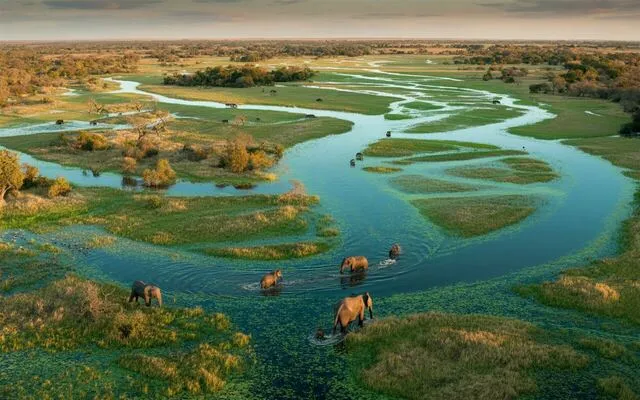
The best Big Five destinations include: Kruger National Park and Sabi Sands (South Africa), Masai Mara (Kenya), Serengeti and Ngorongoro Crater (Tanzania), Okavango Delta (Botswana), and Hwange (Zimbabwe). South Africa's Eastern Cape reserves (Shamwari, Amakhala) offer malaria-free Big Five viewing. See our wildlife guide for species-specific locations.
What are the Big Five animals?
The Big Five are: Lion (king of the African bush), Leopard (elusive and beautiful), African Elephant (the largest land animal), Cape Buffalo (unpredictable and powerful), and White/Black Rhinoceros (critically endangered). The term originated from hunters describing the five most dangerous animals to hunt on foot — today, they're the five most sought-after animals to photograph.
When is the Great Migration in the Serengeti?
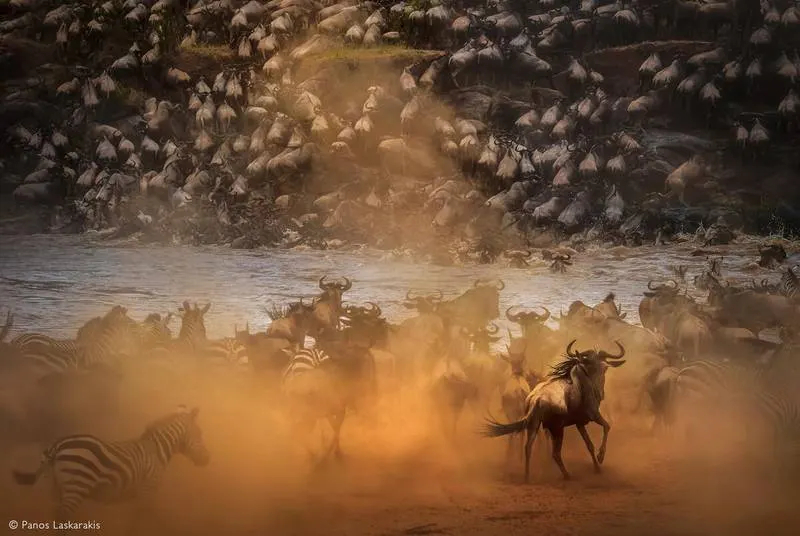
The Great Migration is a year-round movement of 1.5 million wildebeest, 400,000 zebra, and 200,000 gazelle. Key highlights: calving in Ndutu (January–March), crossing the Grumeti River (June–July), the dramatic Mara River crossings (July–October), and the return south (November–December). See our Tanzania guide for timing details.
Can I see gorillas on safari?
Yes! Mountain gorilla trekking is available in Rwanda (Volcanoes National Park) and Uganda (Bwindi Impenetrable Forest). Permits cost $1,500 in Rwanda and $700 in Uganda. You'll spend one hour with a habituated gorilla family — it's one of the most profound wildlife encounters on Earth. See our Rwanda guide for booking details.
What wildlife can I see on safari?
Africa is home to the Big Five, plus cheetah, wild dog, giraffe, zebra, hippo, crocodile, hyena, 1,000+ bird species, and many more. Marine wildlife includes great white sharks, whales (June–November), dolphins, penguins, and seals. Each destination has its speciality species — explore our wildlife guide for details.
Ready to start planning? Our safari experts have personally visited every destination mentioned in this guide. Get a free, no-obligation quote tailored to your travel style and budget. Use code INGWE10 for 10% off selected packages.
Tours & Safaris You'll Love
Handpicked by our team based on what you're reading. Book direct for the best price — guaranteed.
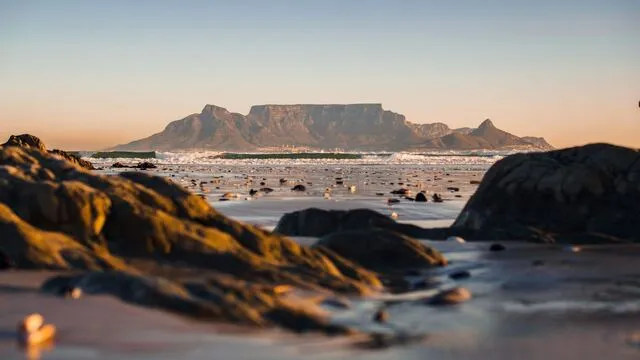
Kruger Luxury Safari — Big Five Private Game Reserve
Exclusive Big Five encounters in Kruger's finest private concessions
per person • Best price direct
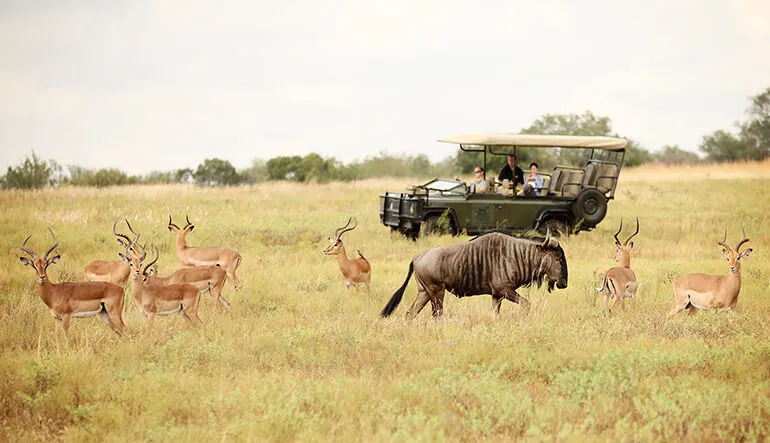
Kruger Full-Day Open Vehicle Safari
Expert-Guided Big Five Game Drive from Hazyview
per person • Best price direct
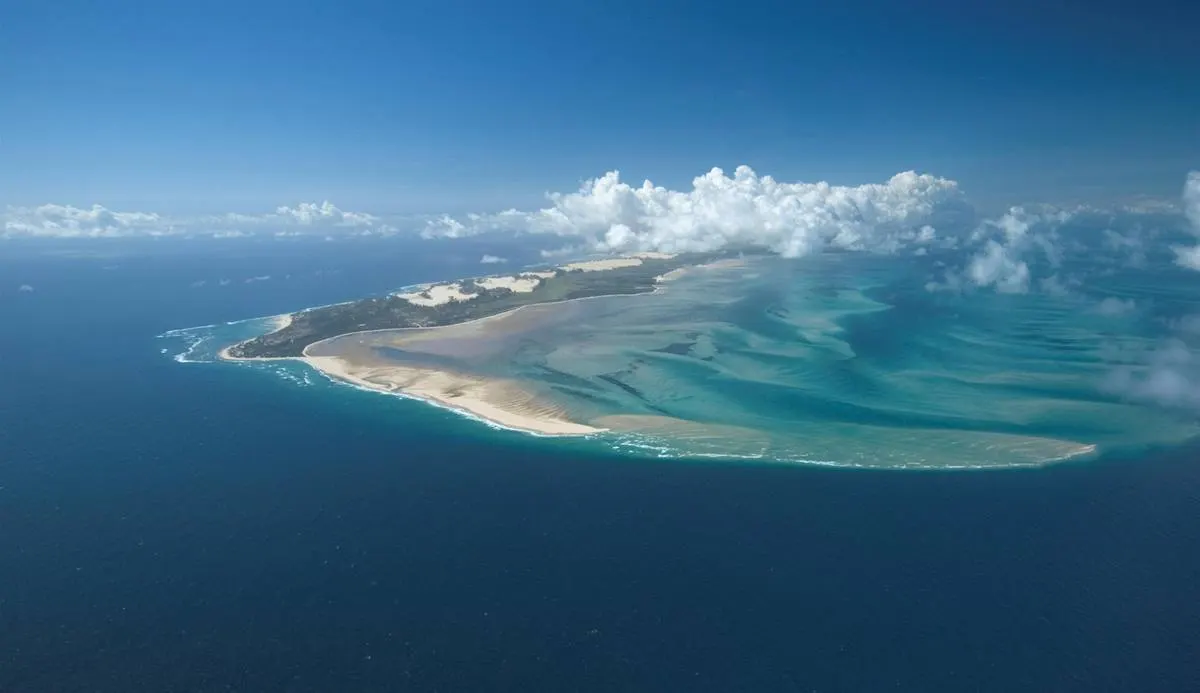
Kruger Safari & Mozambique Beach Combo — 7-Day Ultimate
The #1 selling Africa itinerary — Big Five safari + Indian Ocean paradise
per person • Best price direct
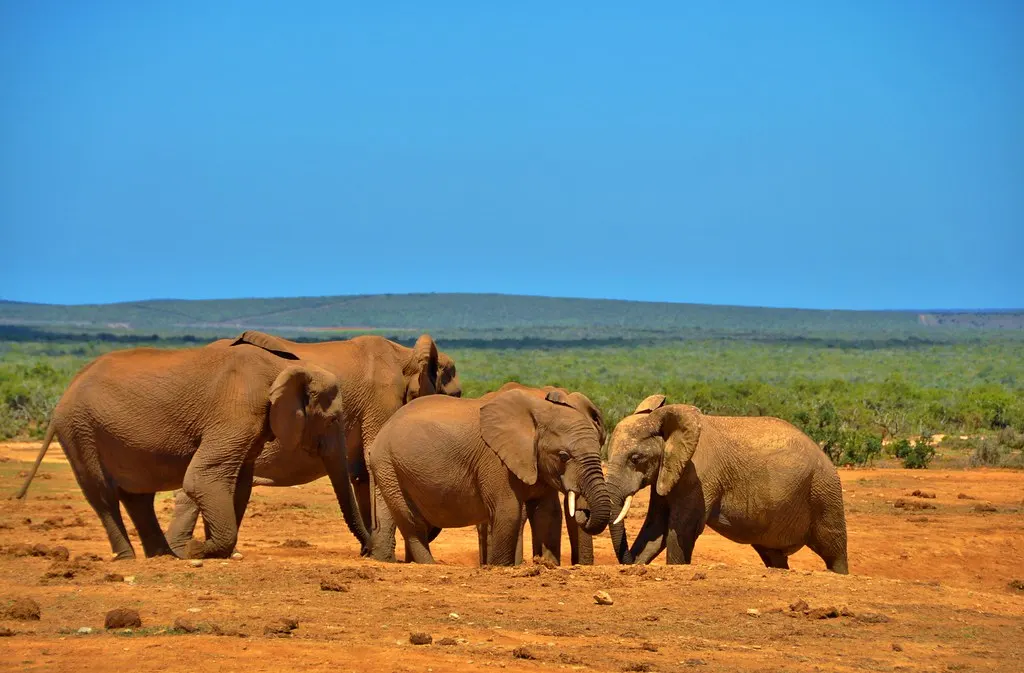
Addo Elephant National Park Full-Day Safari
Malaria-Free Big Five Park — 600+ Elephants
per person • Best price direct
Why book with middlemen? Same tours, lower prices, direct support from our team.
Get a Free Custom Quote