
Whale Watching in South Africa — When Giants Visit
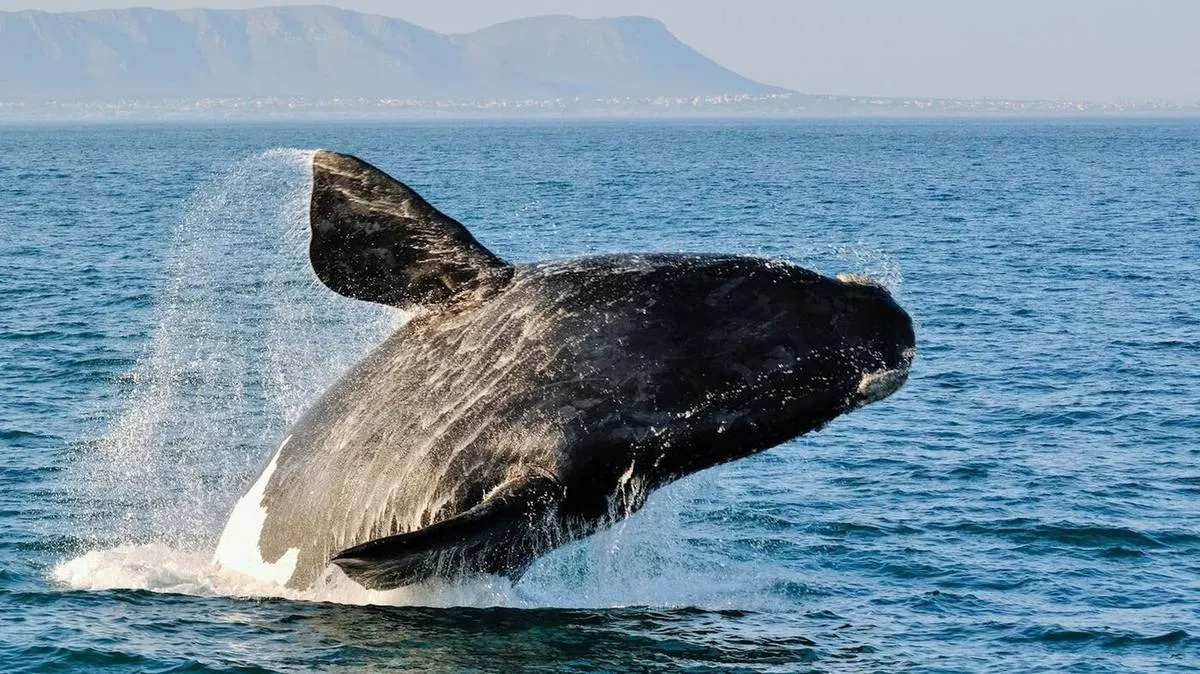
Every year between June and November, hundreds of Southern Right whales migrate from Antarctica to the sheltered bays of the Western Cape to calve and nurse their young. And there is nowhere better on Earth to watch them than the coastline between day trips">Cape Town and Hermanus.
Whale Season Calendar
June-July: First whales arrive, excellent boat-based viewing
August-September: Peak season — 60-100+ whales in Walker Bay, calving begins
October: Hermanus Whale Festival, mothers with calves, breaching displays
November: Last whales depart, still good viewing early in the month
Best Whale Watching Spots
1. Hermanus — The Whale Capital of the World
Hermanus is the world's best land-based whale watching destination. The town even has an official Whale Crier who blows a kelp horn to announce sightings. Walk the 12km cliff path and you'll see whales as close as 10 metres from shore — no boat needed.
2. False Bay — Simon's Town to Muizenberg
Southern Right whales regularly enter False Bay. Watch from Boyes Drive above Muizenberg for sweeping views, or from the naval harbour in Simon's Town. Combine with a visit to Boulders Beach penguins.
3. West Coast — Langebaan & Lambert's Bay
Quieter alternative with fewer tourists. Humpback whales and Bryde's whales are more common here alongside Southern Rights.
Hermanus — The Whale Capital of the World Hermanus is the world's best land-based whale watching destination.
Boat Tours vs Land-Based Viewing
Land-based (free): Hermanus cliff paths offer incredible views at no cost. Bring binoculars.
Boat tours ($50-$90): Get within regulated distance for underwater sounds and full-body breaches. Permitted operators maintain safe distances. Best from Hermanus harbour.
Book a Whale Watching Day Trip
Our Hermanus whale watching day trip from Cape Town combines whale watching with wine tasting, coastal scenery, and a seafood lunch. Book your whale experience →
Frequently Asked Questions
What is the best time to visit Cape Town?
October to April (spring/summer) offers the warmest, driest weather — perfect for beaches, outdoor activities, and wine tasting. December–February is peak season with long, sunny days. The shoulder months (March–April, October–November) offer excellent weather with fewer crowds and better prices.
Is Cape Town safe for tourists?
Cape Town is generally safe for tourists who take standard precautions. Popular tourist areas like the V&A Waterfront, Camps Bay, Constantia, and Table Mountain are well-patrolled. Avoid walking alone at night in unfamiliar areas, use reputable transport, and keep valuables secure. Our guides know the city intimately and ensure safe, enjoyable experiences.
How many days do you need in Cape Town?
We recommend 4–5 days minimum to see the highlights: Table Mountain, Cape Peninsula, wine country, and a day trip or two. To truly experience Cape Town — including the Garden Route, shark diving, or a safari extension — plan for 7–10 days.
What are the must-see attractions in Cape Town?
Don't miss: Table Mountain (cable car or hike), Cape Peninsula Drive (Chapman's Peak, Cape of Good Hope, Boulders Beach penguins), V&A Waterfront, Kirstenbosch Botanical Gardens, Stellenbosch/Franschhoek wine estates, Robben Island, and a sunset cruise. See our Cape Town guide for detailed recommendations.
Can you combine Cape Town with a safari?
Absolutely — and we highly recommend it! Fly from Cape Town to Kruger/Sabi Sands (2 hrs), or visit the malaria-free Aquila or Inverdoorn reserves (2 hrs drive). Our Cape Town + Safari combo packages are our most popular itineraries. We handle all flights, transfers, and accommodation seamlessly.
Where can I see the Big Five in Africa?
The best Big Five destinations include: Kruger National Park and Sabi Sands (South Africa), Masai Mara (Kenya), Serengeti and Ngorongoro Crater (Tanzania), Okavango Delta (Botswana), and Hwange (Zimbabwe). South Africa's Eastern Cape reserves (Shamwari, Amakhala) offer malaria-free Big Five viewing. See our wildlife guide for species-specific locations.
What are the Big Five animals?
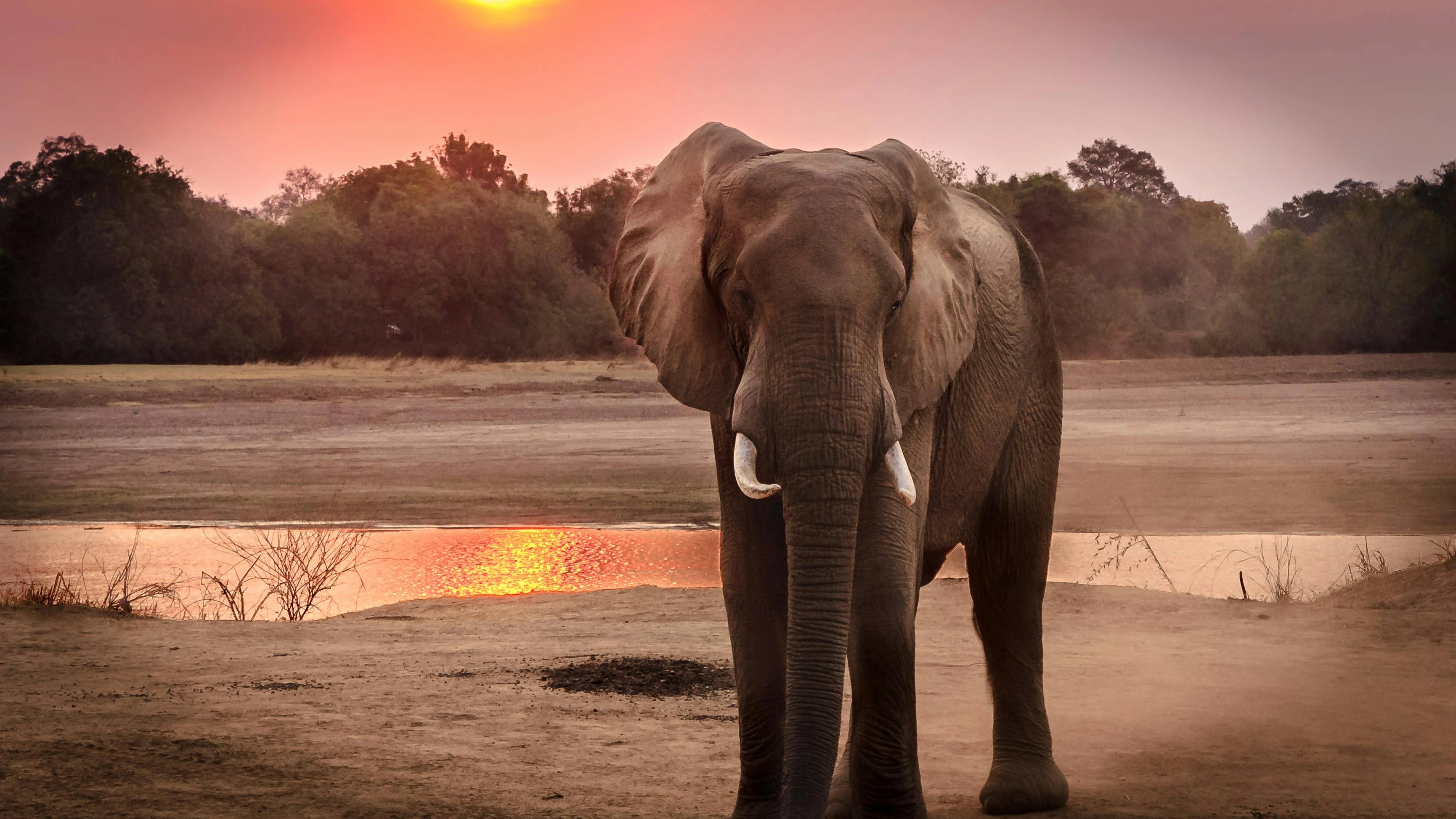
The Big Five are: Lion (king of the African bush), Leopard (elusive and beautiful), African Elephant (the largest land animal), Cape Buffalo (unpredictable and powerful), and White/Black Rhinoceros (critically endangered). The term originated from hunters describing the five most dangerous animals to hunt on foot — today, they're the five most sought-after animals to photograph.
Ready to start planning? Our safari experts have personally visited every destination mentioned in this guide. Get a free, no-obligation quote tailored to your travel style and budget. Use code INGWE10 for 10% off selected packages.
Tours & Safaris You'll Love
Handpicked by our team based on what you're reading. Book direct for the best price — guaranteed.
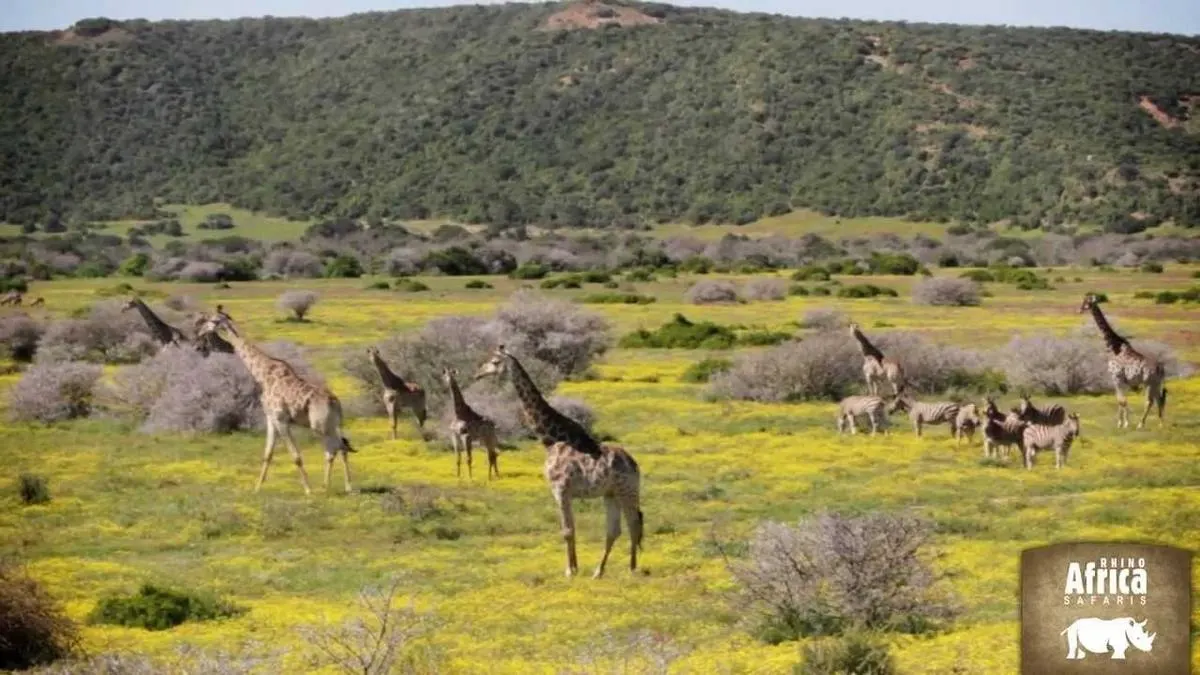
2-Day Garden Route Safari at a Private Game Lodge
Overnight Big Five Safari with Luxury Lodge Accommodation
per person • Best price direct
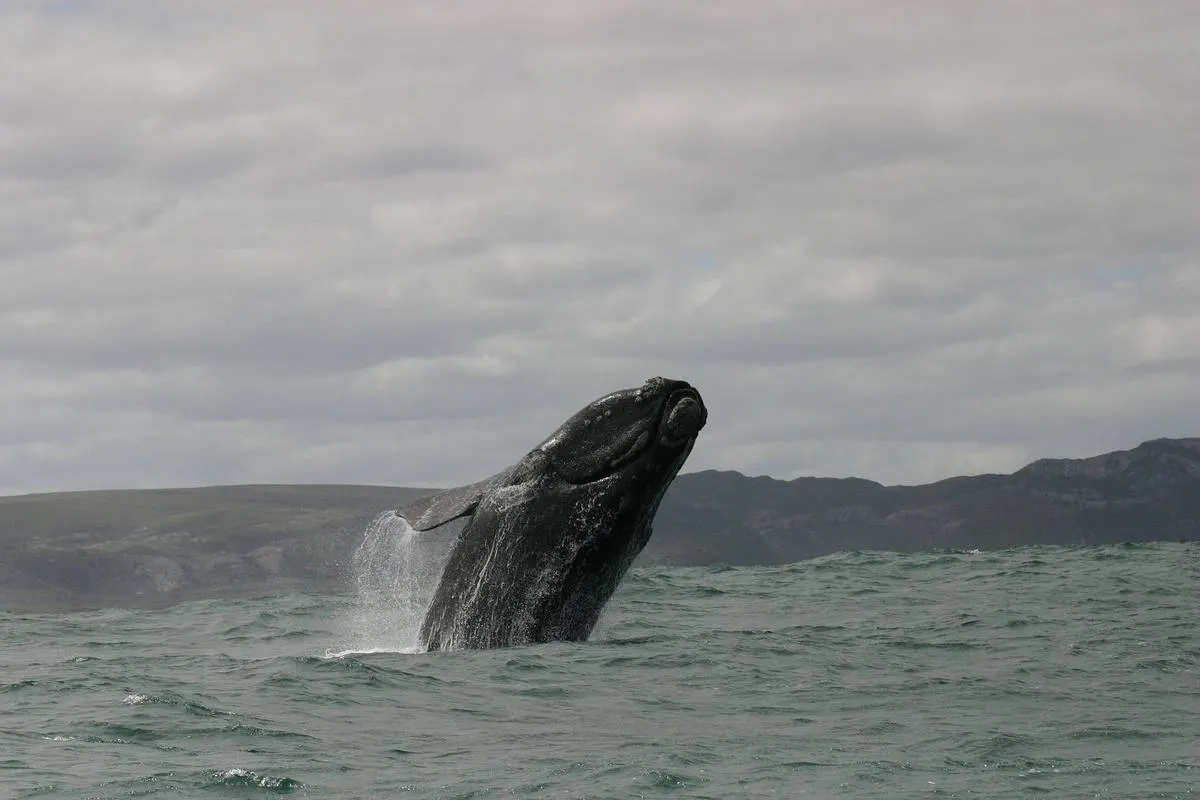
Garden Route Whale Watching — Hermanus & Walker Bay
The world's best land-based whale watching destination
per person • Best price direct
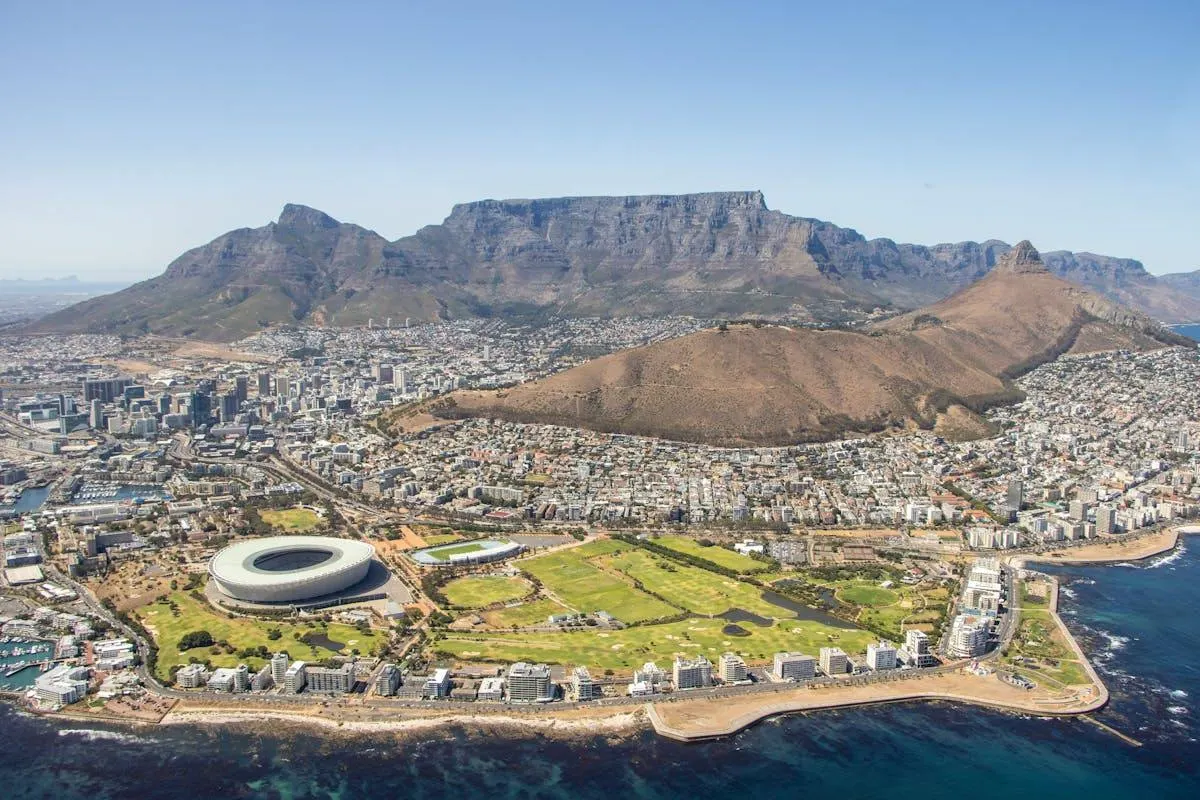
Table Mountain & City Explorer
Discover Cape Town's Iconic Landmarks
per person • Best price direct
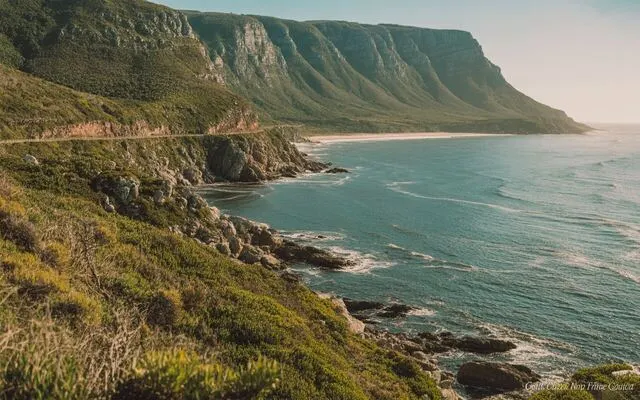
Garden Route Tsitsikamma Canopy Tour & Storms River Mouth
Zipline through ancient forest canopy & walk the iconic suspension bridge
per person • Best price direct
Why book with middlemen? Same tours, lower prices, direct support from our team.
Get a Free Custom Quote