Ngorongoro Crater
The Eighth Wonder of the World — Big Five in a Volcanic Caldera
Get to Know Ngorongoro Crater
The world's largest intact volcanic caldera — 260 km² of crater floor with the highest density of predators in Africa
Key Numbers
0km²
0species
0species
0species
Big Five Score
Getting There
Kilimanjaro Intl
JRO
3h 30min from Johannesburg
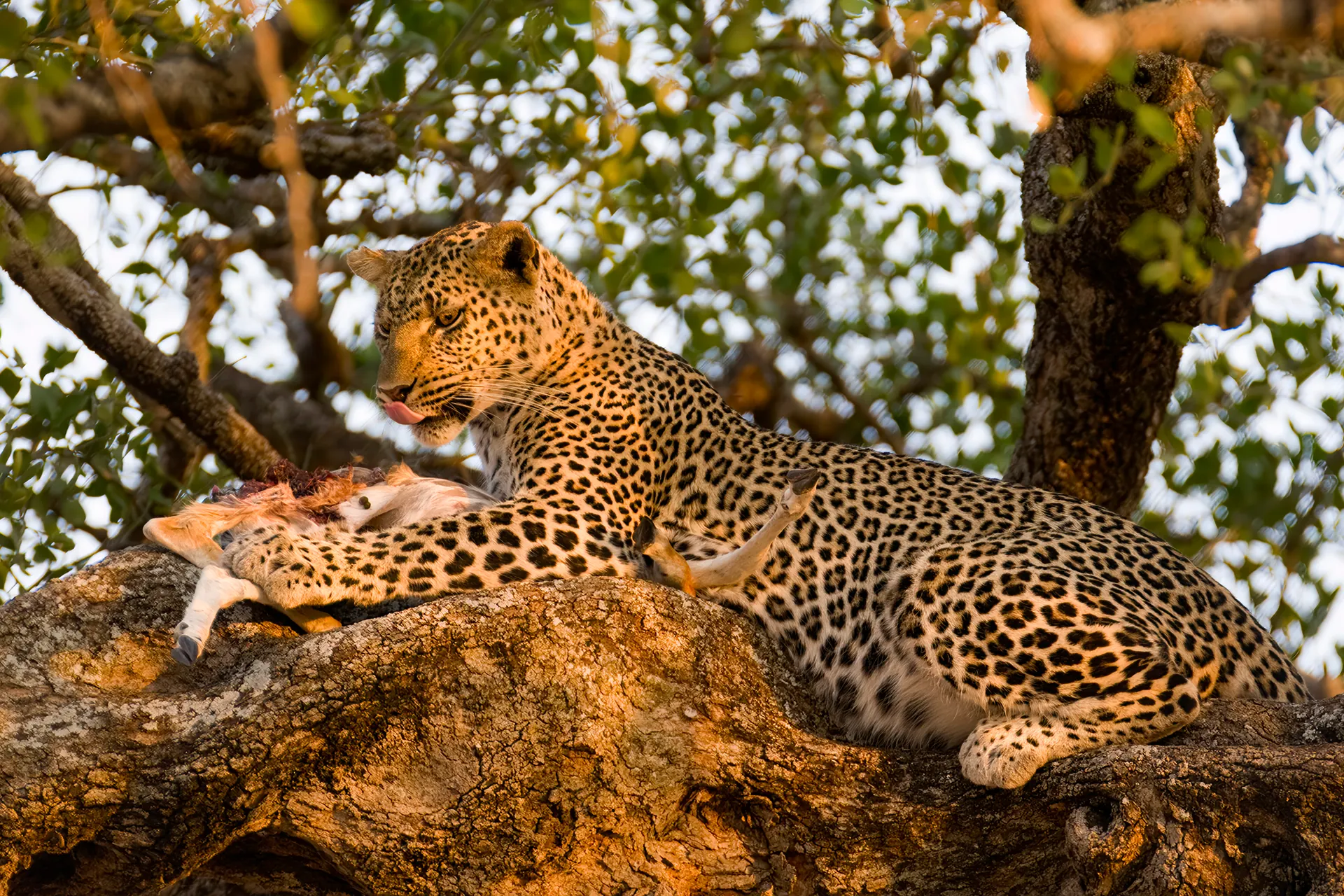
-3.1726°, 35.5877°
Best Time to Visit
Climate & Terrain
3.17° S, 35.59° E
Signature Wildlife
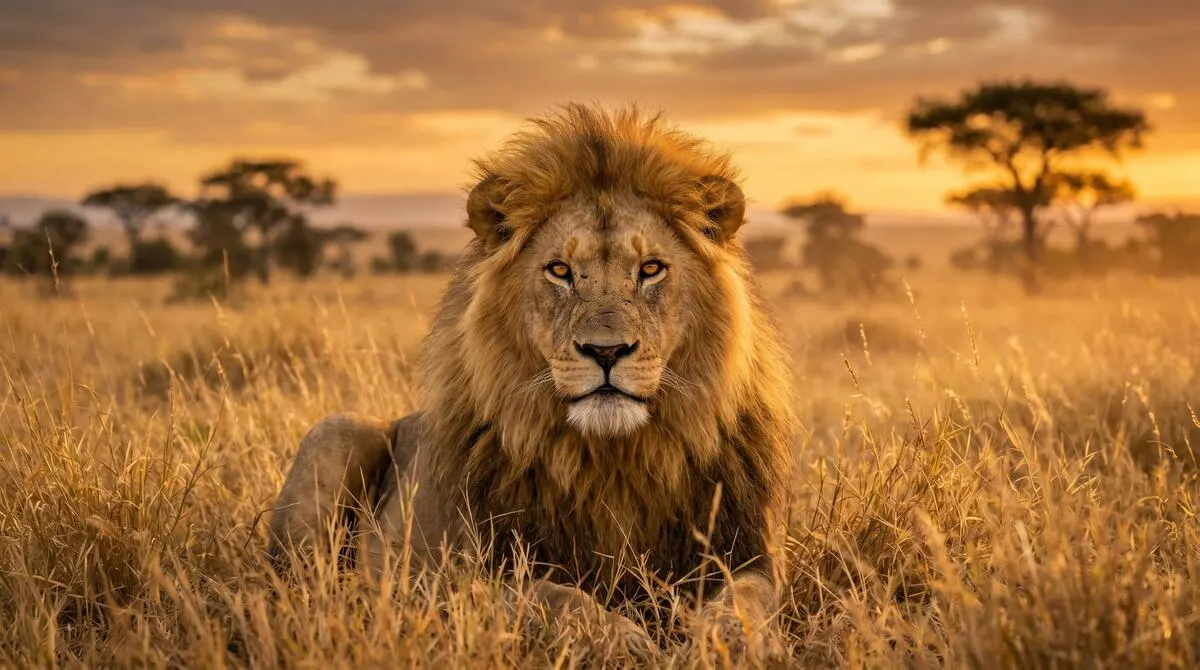
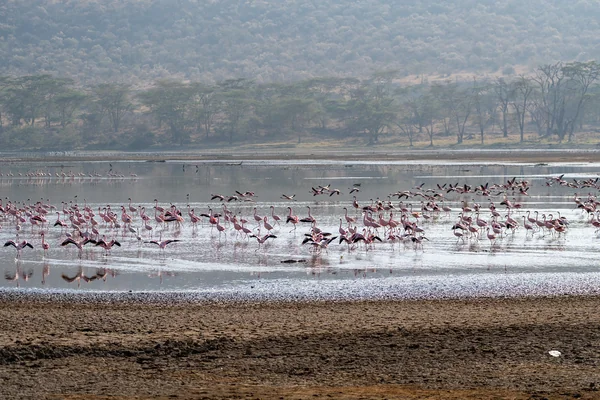
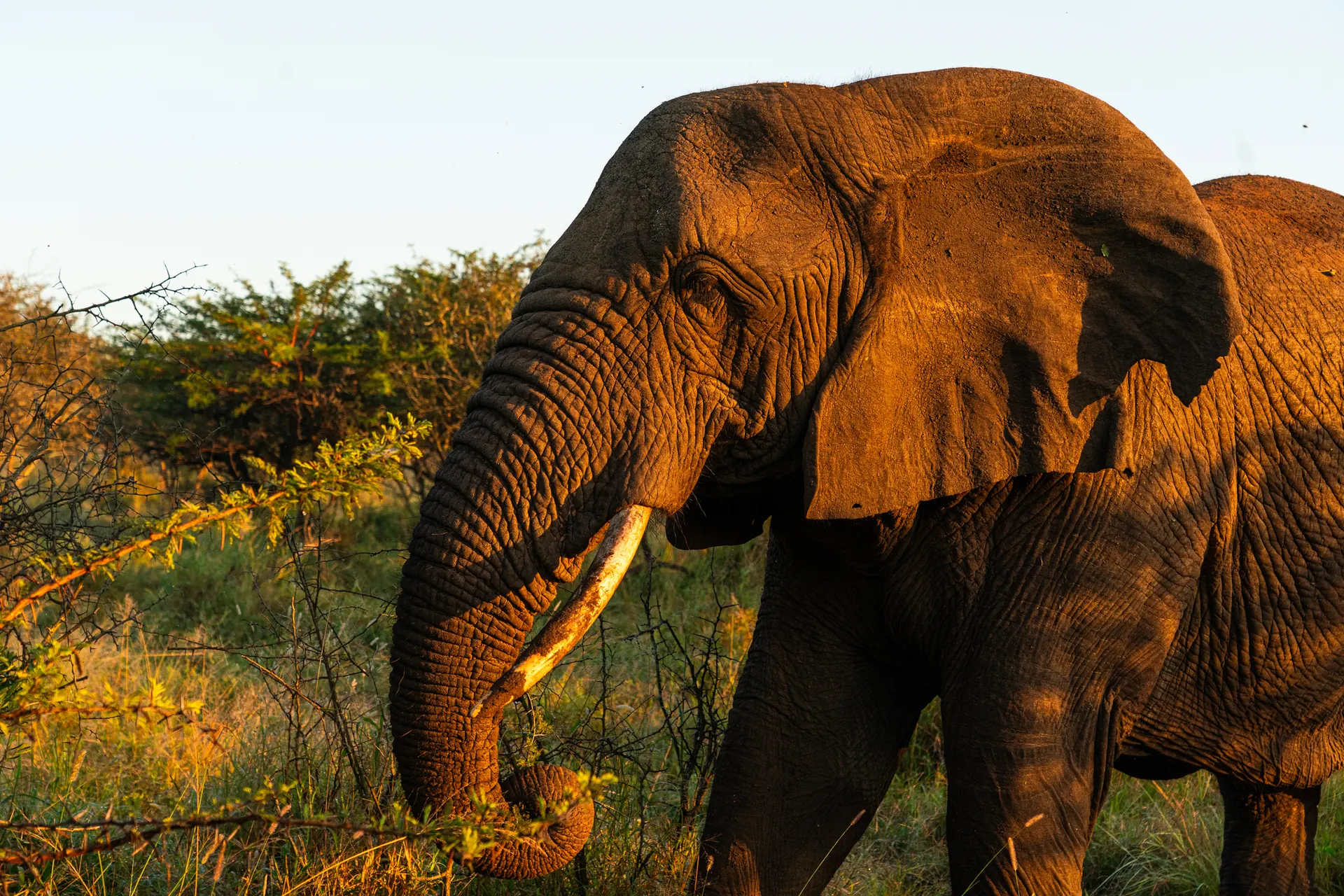
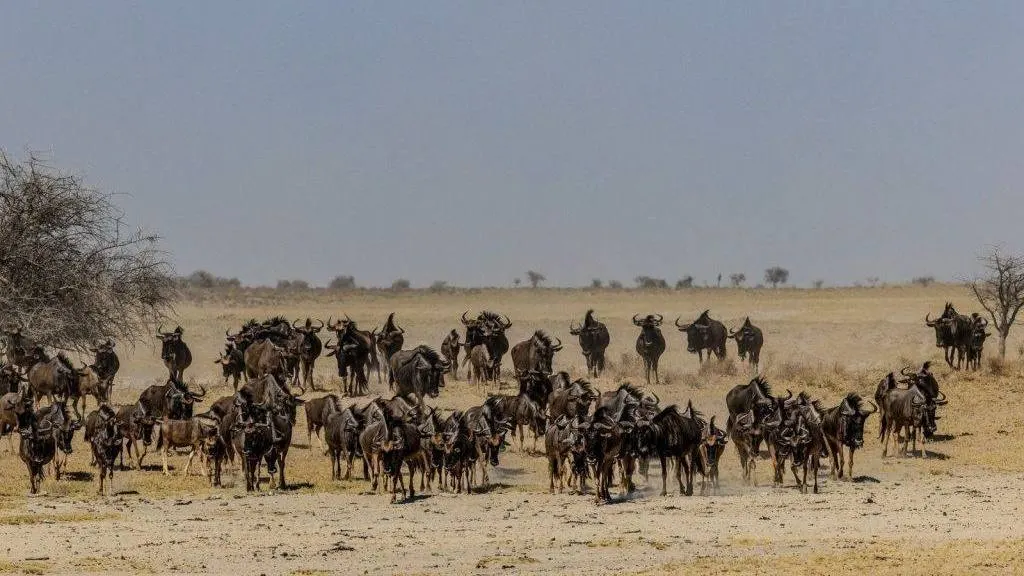
Location on Africa
Why Visit Ngorongoro Crater?
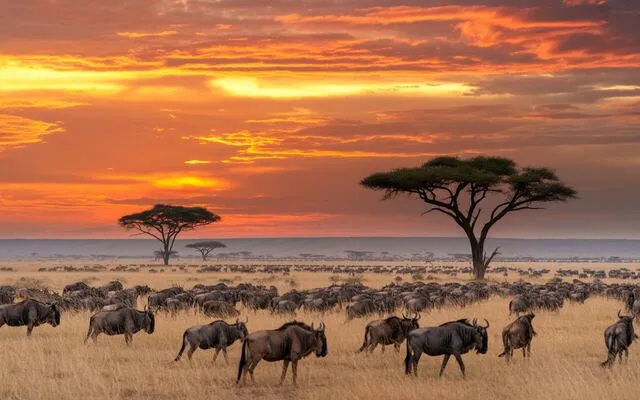
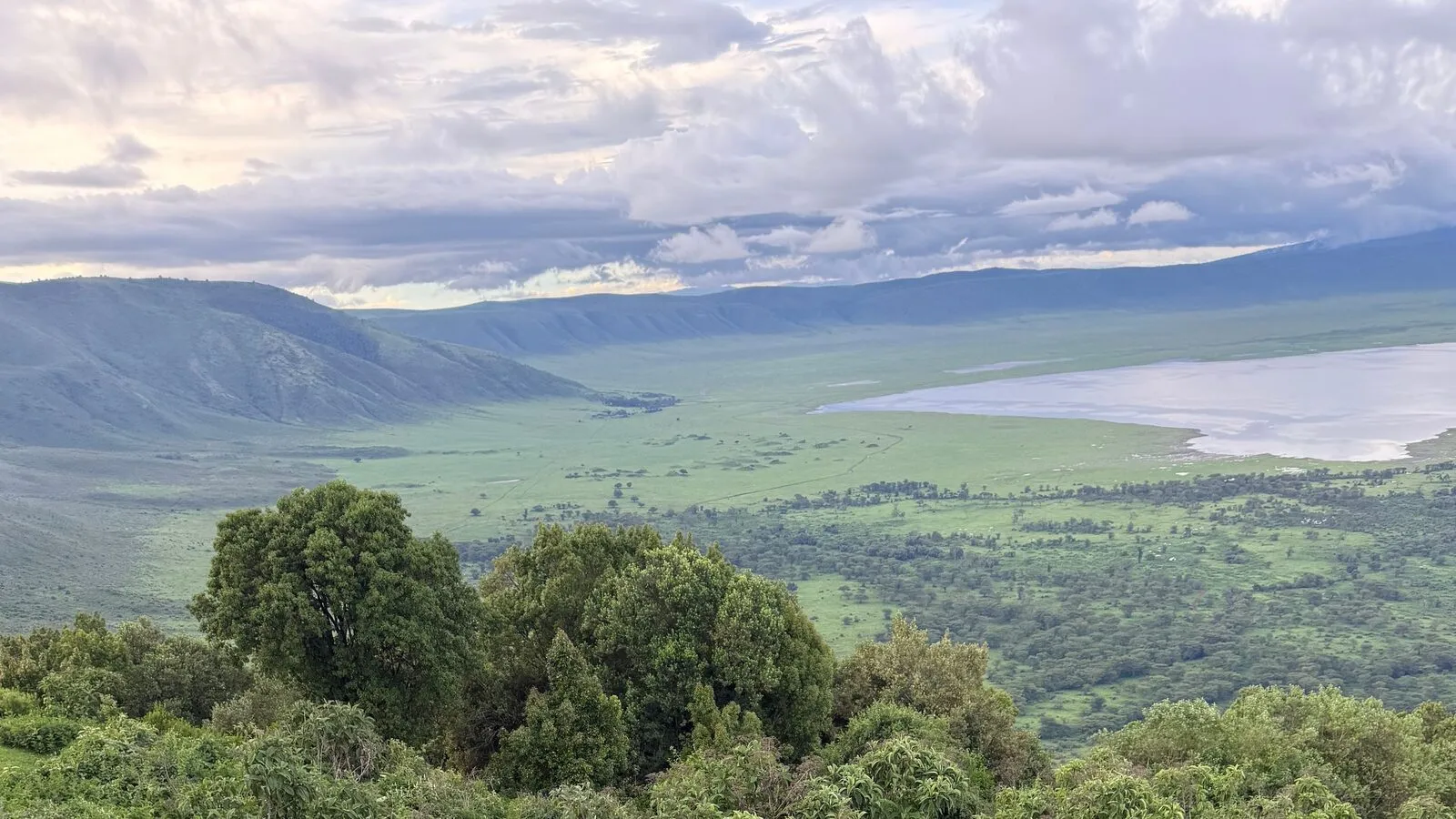
Ngorongoro Crater is nature's most spectacular amphitheatre — the world's largest intact volcanic caldera, 20km across and 600 metres deep, sheltering an extraordinary 25,000 large animals within its walls. Often called the "Eighth Wonder of the World," this UNESCO World Heritage Site offers virtually guaranteed Big Five sightings in a single day, with the dramatic crater walls forming a stunning natural backdrop to every game drive. Combined with Maasai heritage and the nearby Olduvai Gorge (the "Cradle of Mankind"), Ngorongoro is an unmissable Tanzania safari experience.
Guaranteed Big Five
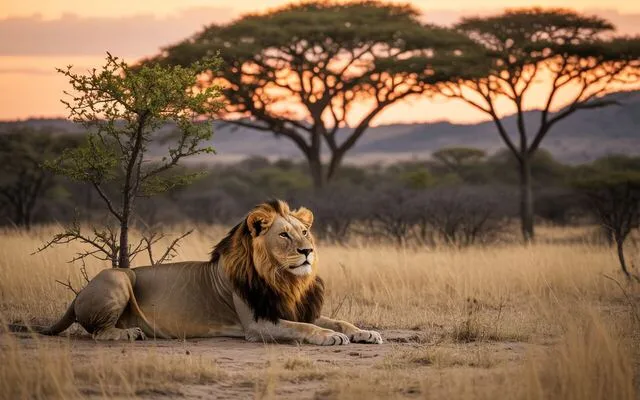
One of the few places in Africa where you can see all Big Five in a single day — lion, elephant, buffalo, leopard, and the endangered black rhino all live within the crater.
Volcanic Amphitheatre
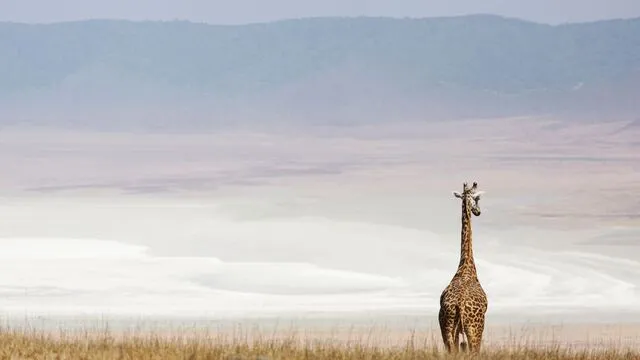
A 20km-wide caldera with 600m-high walls — the world's largest intact volcanic crater creates a breathtaking natural wildlife enclosure.
Flamingo-Lined Lake
Lake Magadi on the crater floor attracts thousands of flamingos, creating a pink-tinged spectacle against the green grasslands.
Cradle of Mankind
Nearby Olduvai Gorge is where Louis and Mary Leakey discovered 1.75-million-year-old human ancestor fossils — a profound archaeological site.
Quick Reference
Ngorongoro Crater at a Glance
Big Five Score
Safari Rating
World-Class — UNESCO HeritageEasy — vehicle-based
Low on rim, medium on floor
e-Visa required ($50)
Kilimanjaro International (JRO) (JRO)
Tanzania Shilling (TZS)
EAT (UTC+3)
Bottled water recommended
230V, Type D/G plug
Ngorongoro Crater Safari Highlights
Signature experiences that make this destination unforgettable
Crater Floor Game Drive
Descend 600m into the caldera for Big Five game drives in the world's most dramatic natural arena
Read MoreBlack Rhino Sightings
One of the best places in Africa to spot critically endangered black rhinos — around 25 live in the crater
Read MoreFlamingo Spectacle
Lake Magadi's flamingo flocks create a pink spectacle on the crater floor — stunning photography
Read MoreOlduvai Gorge
Visit the "Cradle of Mankind" — where 1.75-million-year-old human ancestor fossils were discovered
Read MoreCrater Rim Sunrise
Watch the sunrise light up the caldera from the rim — one of Africa's most breathtaking views
Read MoreMaasai Encounters
Meet Maasai herders who share the conservation area with wildlife — a unique coexistence
Read MoreWildlife & Best Time to Visit
Best Time to Visit
Year-round — the crater has resident wildlife that doesn't migrate. June–October is dry season (fewer vehicles). December–March for calving and lush landscapes.
June – October
Wildlife You'll See
A Typical Day in Ngorongoro Crater
Hour by hour — from the first coffee to stargazing
4:00 AM
night
Wake-Up Call
A gentle knock and hot coffee delivered to your tent. The African bush is still dark — listen for the last calls of the nightjars.
Dry Season vs Green Season
Drag the slider to see how Ngorongoro Crater transforms between seasons
Plan Your Trip
Ngorongoro Crater Weather & Safari Calendar
Click any month to see temperature, rainfall, crowds, and what makes that month special
January — Wet Season
Temperature
10°C – 22°C
Rainfall
80mm
Crowds
HighPrice Level
$$$ (High)
What to Expect
Calving season
Top Accommodation in Ngorongoro Crater
Hand-picked luxury lodges and camps recommended by our safari experts
Can't decide? Let our experts help you choose the perfect lodge.
Get Expert RecommendationsEssential Tips for Ngorongoro Crater
The crater rim sits at 2,300m — it's cold! Pack warm layers for early morning drives.
Maximum 6 hours on the crater floor per vehicle — plan your time wisely.
Arrive early (gate opens at 6am) to avoid crowds and catch the best light.
Combine with the Serengeti — most itineraries do Ngorongoro first, then Serengeti.
Conservation fee is $70.80/person/day (as of 2024) — one of Tanzania's most expensive parks.
Ask your guide to find the black rhinos first — they're the hardest of the Big Five to spot here.
Be Prepared
Packing & Travel Essentials for Ngorongoro Crater
Travel Quick Reference
Conservation Fee
$70.80/person/day (2024 rates)
Access
3-4 hours drive from Arusha (JRO)
Altitude
Crater rim at 2,300m — pack warm!
Malaria
Low risk on rim, medium on crater floor
Time Limit
Maximum 6 hours per vehicle on crater floor
Watch & Learn
Ngorongoro Crater Travel Videos
Ngorongoro Crater — Action Non-Stop on the Crater Floor
Ngorongoro Crater — Stunning Wildlife Safari in 4K
Ngorongoro Crater Safari \u2014 FAQ
Yes — Ngorongoro is one of Africa's best Big Five destinations. Lions, elephants, and buffalo are virtually guaranteed. Black rhinos (about 25 in the crater) are regularly seen. Leopards are present but more elusive — early morning drives give the best chance.
Most visitors spend 1 full day on the crater floor (6-hour limit per vehicle). We recommend staying 2 nights on the rim — one day for the crater and one for exploring the highlands, Olduvai Gorge, or Empakaai Crater. Ngorongoro is often combined with the Serengeti.
The crater has resident wildlife year-round — there is no bad time. June–October dry season has fewer vehicles and better road conditions. December–March offers lush green landscapes and calving season. Avoid April–May for heavy rains.
Absolutely! This is Tanzania's most popular safari route. Most itineraries fly to Arusha, drive to Ngorongoro (3–4 hours), spend 1–2 days, then continue to the Serengeti (3 hours). It's the ultimate East African safari circuit.
Traveler Stories
What Our Guests Say About Ngorongoro Crater
“We saw all Big Five in a single morning! The black rhino sighting was the highlight — our guide spotted it from over a kilometre away. Descending into the crater at sunrise is genuinely one of the most beautiful things on Earth.”
Alex & Julia Peterson
San Francisco, USA
September 2025
“As a geologist, the Ngorongoro Crater is extraordinary — a 20km-wide caldera teeming with wildlife. The Olduvai Gorge museum was fascinating. Crater Lodge on the rim felt like a Maasai palace. Truly the Eighth Wonder.”
Dr. Olga Petrov
Moscow, Russia
October 2025
“Our teenagers rated Ngorongoro as the best day of our entire Tanzania trip. Seeing flamingos, lions, elephants, and even a black rhino all in one crater was mind-blowing. Pack warm clothes for the rim — it's freezing at 6am!”
The Anderson Family
London, UK
August 2025
Ready to Experience Ngorongoro Crater?
Let our expert safari consultants craft a tailor-made Ngorongoro Crater itinerary just for you. No obligation, no cookie-cutter packages \u2014 every trip is as unique as a leopard's spots.
Extend Your Adventure
Combine Ngorongoro Crater With…
Create the ultimate multi-destination safari by adding these incredible stops to your itinerary