
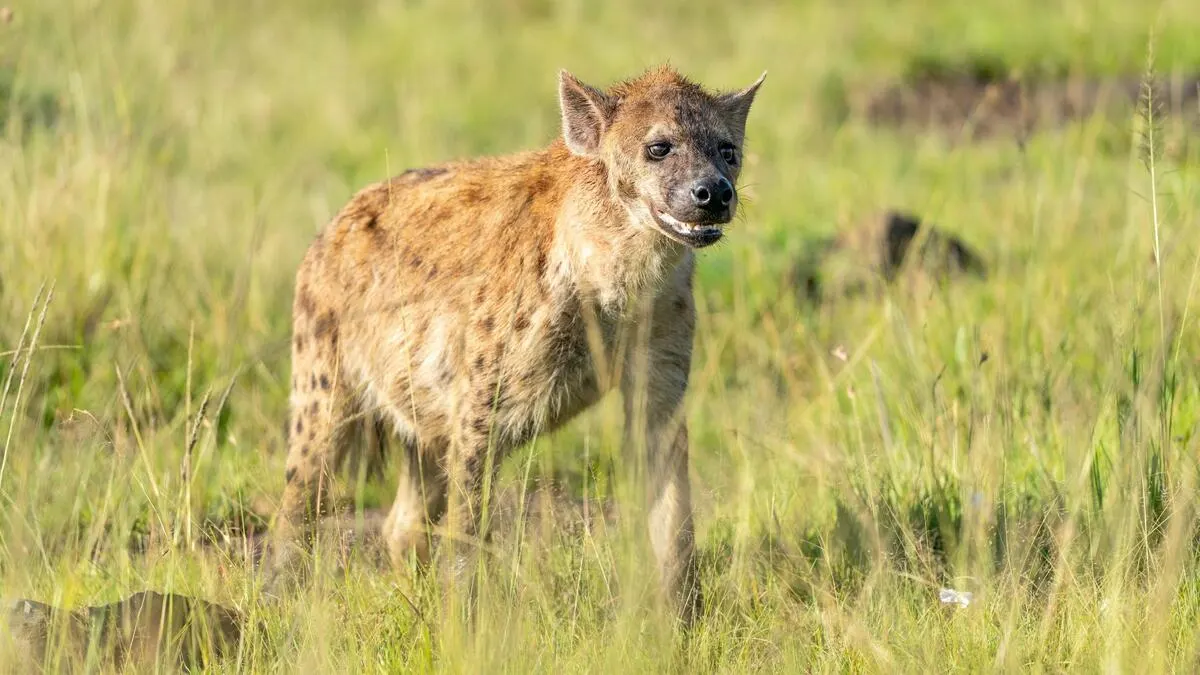
Spotted Hyena
Crocuta crocuta
Africa's Most Misunderstood Apex Predator
Habitat
Savanna, grassland, woodland, sub-desert, and forest edges across sub-Saharan Africa
Diet
Carnivore
Lifespan
20–25 years (wild)
Weight
45–86 kg
About the Spotted Hyena
The spotted hyena is one of Africa's most intelligent and successful predators, yet remains deeply misunderstood. Far from being mere scavengers, spotted hyenas are formidable hunters that kill up to 95% of their own food. Their jaw muscles generate a bite force of over 1,100 PSI — among the strongest of any mammal — capable of crushing bones that no other predator can break.
Hyena clans are led by females in a strict matriarchal hierarchy, with even the lowest-ranking female outranking the highest-ranking male. Clans can number up to 80 individuals and defend territories of up to 1,000 km². Their eerie "whooping" calls carry over 5 km and serve to rally clan members and coordinate hunts. In Kruger National Park, spotted hyenas are frequently encountered on night drives, where their reflective eyeshine and haunting vocalisations create unforgettable safari moments. The Sabi Sands and Timbavati reserves offer some of the best hyena viewing anywhere in Africa.
Habitat & Diet
Habitat
Savanna, grassland, woodland, sub-desert, and forest edges across sub-Saharan Africa
Diet
Carnivore — wildebeest, zebra, antelope, and carrion; also bones, horns, and hooves
Lifespan
20–25 years (wild)
Weight
45–86 kg (females larger than males)
Social Behaviour
Spotted hyenas live in complex clans of up to 80 individuals governed by a strict matriarchal hierarchy — females outrank all males. The clan's alpha female's cubs inherit her rank and outrank even the oldest adult males. Social bonds are maintained through greeting ceremonies involving mutual sniffing and elaborate submissive postures. Hyenas have exceptional intelligence, problem-solving abilities comparable to primates, and can count — distinguishing between groups of different sizes.
Population
Approximately 27,000–47,000 across sub-Saharan Africa; healthy populations in Kruger and the Serengeti
Where to See Spotted Hyena on Safari
Kruger National Park
Sabi Sands
Serengeti
Ngorongoro Crater
Masai Mara
Best Time to Visit
Year-round, though night drives (May–September dry season) provide the most dramatic encounters as hyenas are primarily active at night. Den sites are most active in the mornings when mothers return to nurse pups.
Fascinating Facts About Spotted Hyena
Spotted hyenas live in female-dominated clans — the highest-ranking female's cubs outrank all adult males
Their digestive system can process bones, hooves, and even teeth, leaving virtually nothing to waste
Hyena "laughter" is actually a sign of social anxiety or submission, not amusement
Cubs are born with their eyes open and teeth already erupted — ready to compete with siblings from day one
They can run at 60 km/h and have exceptional endurance, chasing prey for several kilometres
Photography Tips: Capturing the Spotted Hyena
Night drives with spotlights provide the most dramatic hyena images — their eyes reflect green/gold creating haunting portraits
Photograph den sites in early morning for intimate family interactions and playful pups
Capture the hunt sequence — hyenas chasing prey at speed is powerful and rarely photographed
Close-up portraits showing their intelligent, curious expressions challenge the "ugly" stereotype beautifully
Use a wide aperture (f/2.8) for shallow depth of field that isolates the hyena from busy backgrounds
Where to Stay to See Spotted Hyena

Sabi Sabi Earth Lodge
Subterranean luxury lodge where night drives regularly encounter hyena clans on patrol in some of Africa's densest predator territory.
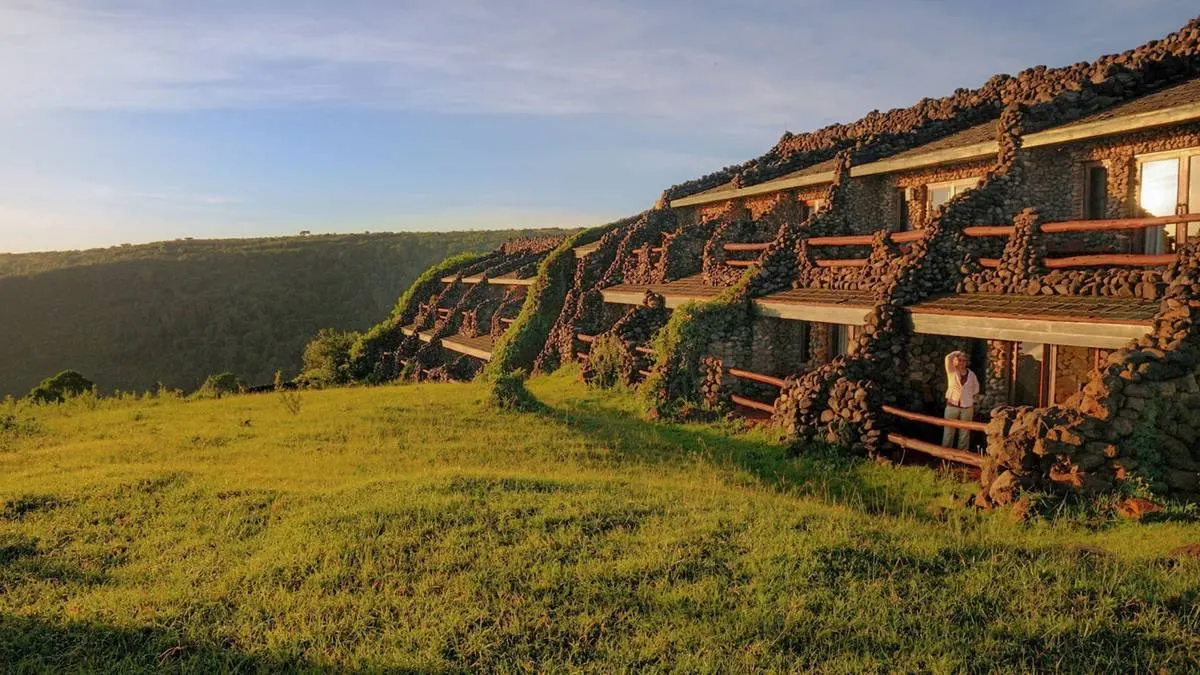
Ngorongoro Serena Safari Lodge
Perched on the crater rim with access to the caldera floor — home to one of Africa's densest hyena populations with exceptional daylight sighting opportunities.
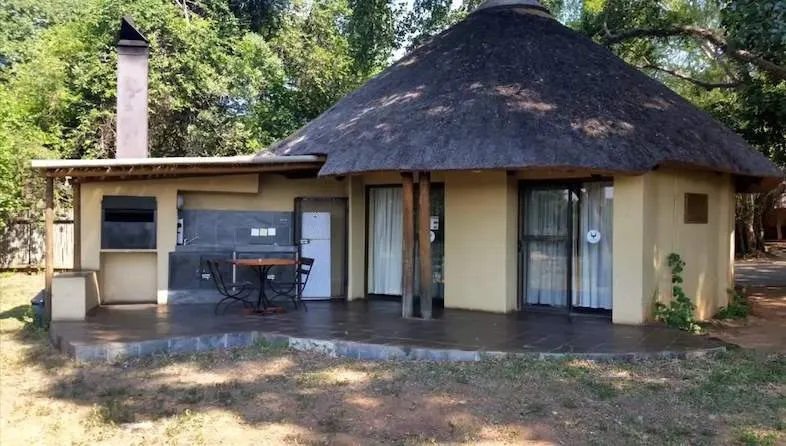
Kruger — Skukuza Rest Camp
Central Kruger base with excellent night drive options where spotted hyenas are frequently the star performers.
Spotted Hyena Conservation
Threats
Persecution due to negative cultural attitudes and myths
Poisoning by livestock farmers
Habitat loss and fragmentation
Road kills on highways crossing territories
Snaring in bushmeat poaching operations
Conservation Efforts
While spotted hyenas are not currently endangered, conservation efforts focus on changing negative perceptions through education and research. The Kruger Predator Project and various university research programmes study hyena clan dynamics, population health, and ecological roles. Community-based conservation programmes work with farming communities to implement non-lethal predator management strategies.
Frequently Asked Questions About Spotted Hyena
Spotted hyenas are primarily hunters, not scavengers — they kill 60–95% of their own food depending on the population. In fact, lions steal more food from hyenas than the other way around. Hyenas hunt cooperatively in groups, pursuing prey at speeds up to 60 km/h over long distances. Their reputation as mere scavengers is one of the greatest misconceptions in African wildlife.
Safari Packages to See Spotted Hyena
Multi-day, all-inclusive safari packages that include the best spotted hyena viewing destinations.
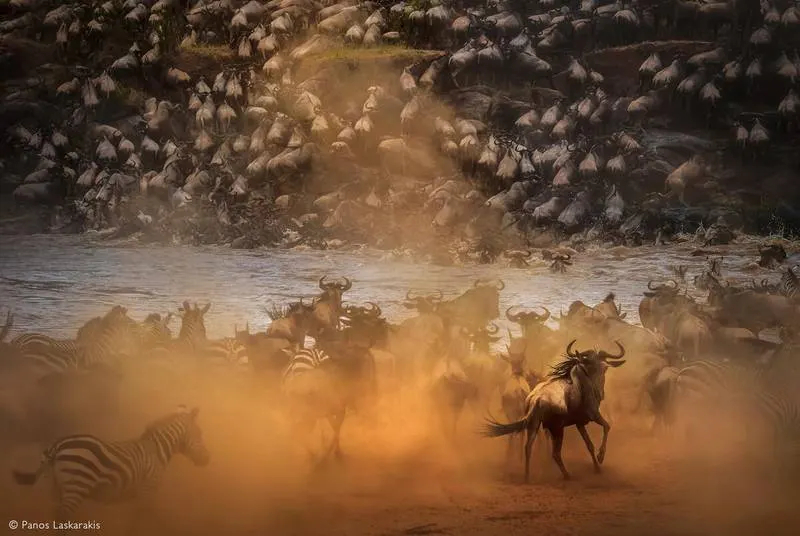
East Africa Migration, Safari & Highlands — Kenya & Tanzania Combined
Nairobi, Masai Mara
From $9,490
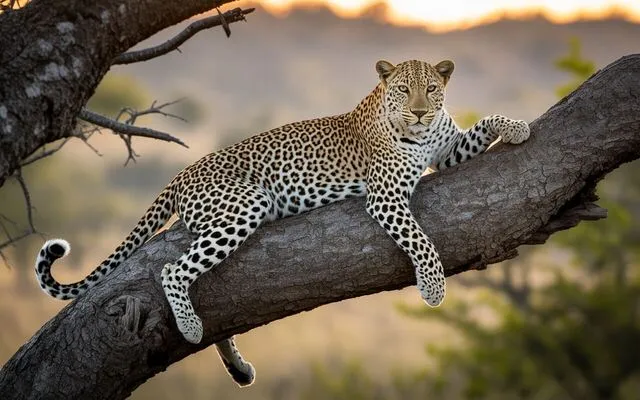
Classic Kruger & Sabi Sands Fly-In Safari — Big Five Guaranteed
Johannesburg, Sabi Sands Game Reserve
From $3,490
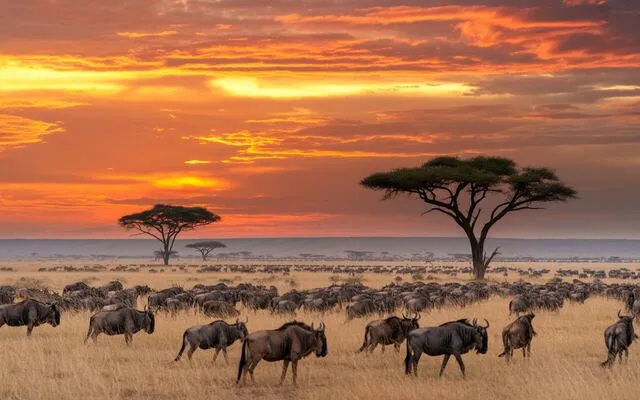
Serengeti Great Migration & Ngorongoro Crater — Tanzania's Greatest Show
Arusha, Serengeti National Park
From $5,990
Great Migration & Gorilla Trek — Tanzania & Rwanda Ultimate Combo
Arusha, Tarangire
From $11,990
Ready to See Spotted Hyena in the Wild?
Our expert safari consultants will craft your perfect spotted hyena encounter — from choosing the ideal reserve to selecting the best season and lodge.
Plan Your Spotted Hyena Safari
Safari Experiences
Big Five game drives, walking safaris & more
Safari Lodges
Luxury accommodation in prime wildlife areas
Destinations
Kruger, Sabi Sands, Masai Mara & beyond
Best Time to Visit
Plan your trip around peak wildlife seasons
Safari Costs
Honest pricing guide for every budget
Conservation
How your safari protects African wildlife
Explore More African Wildlife
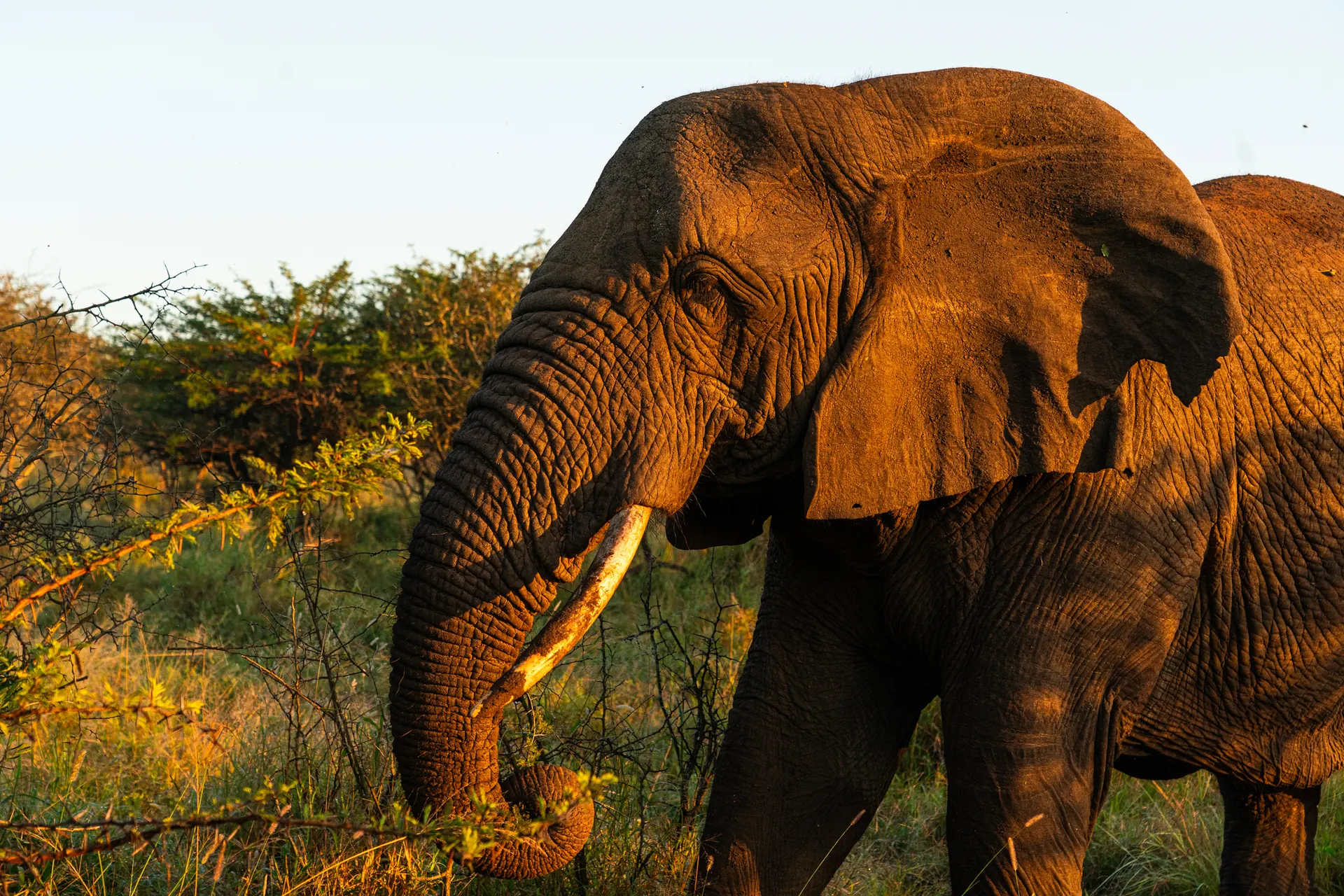
African Elephant
The Gentle Giants of the African Bush

African Lion
The King of the African Savanna
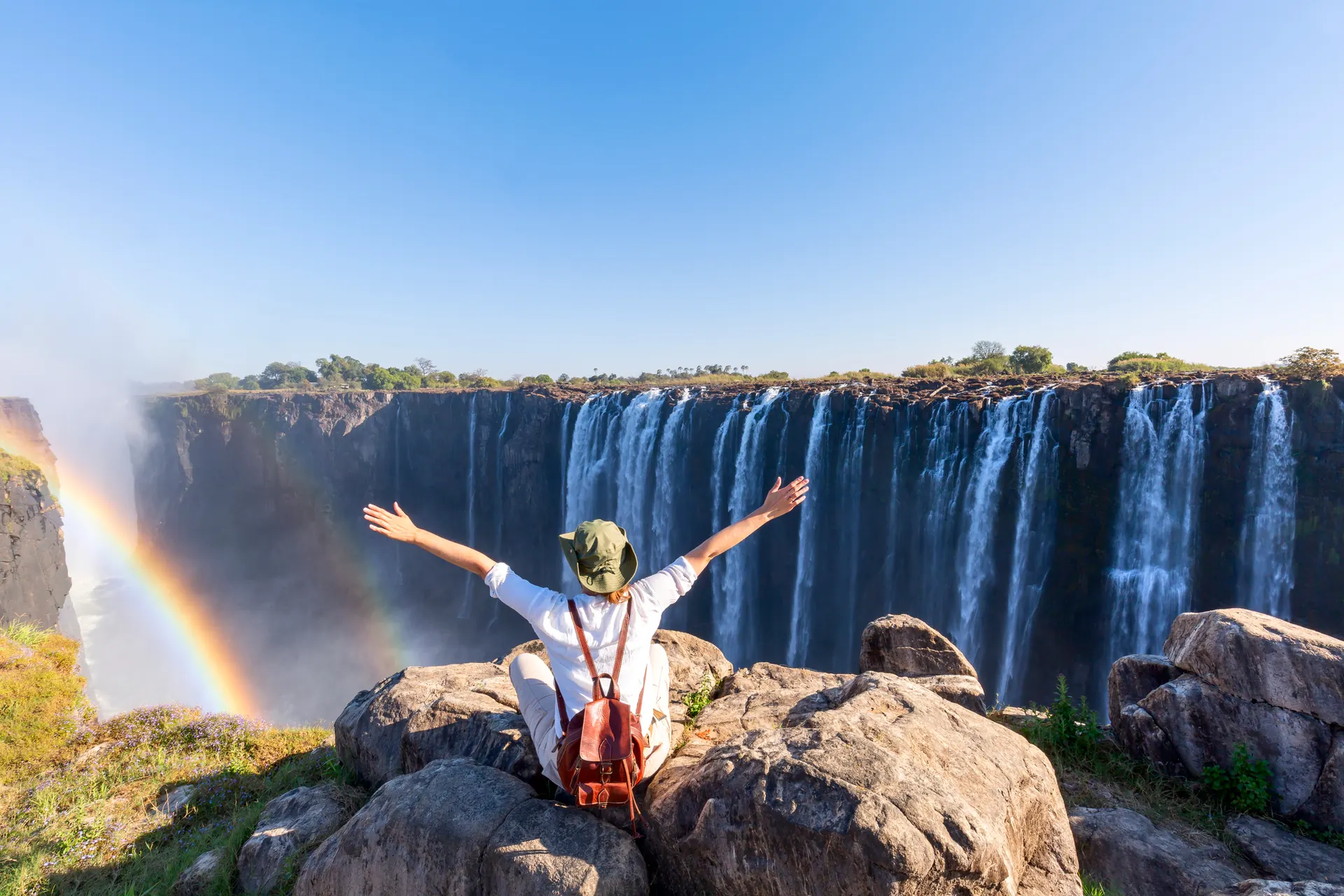
African Leopard
The Elusive Ghost of the Bush
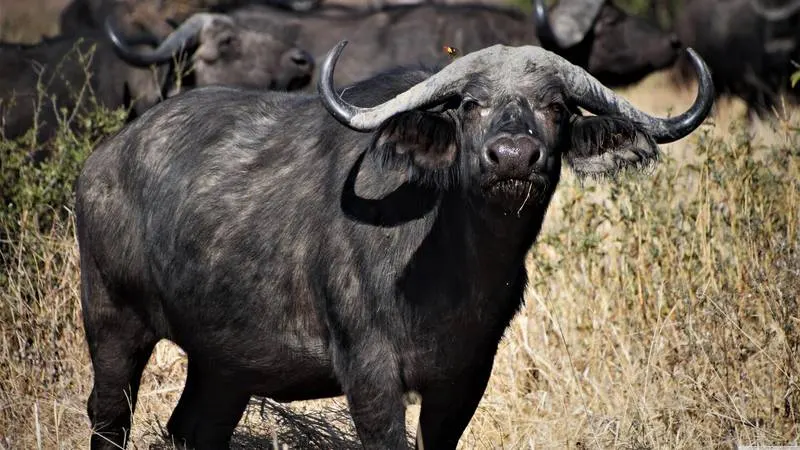
Cape Buffalo
Africa's Most Dangerous Bovine
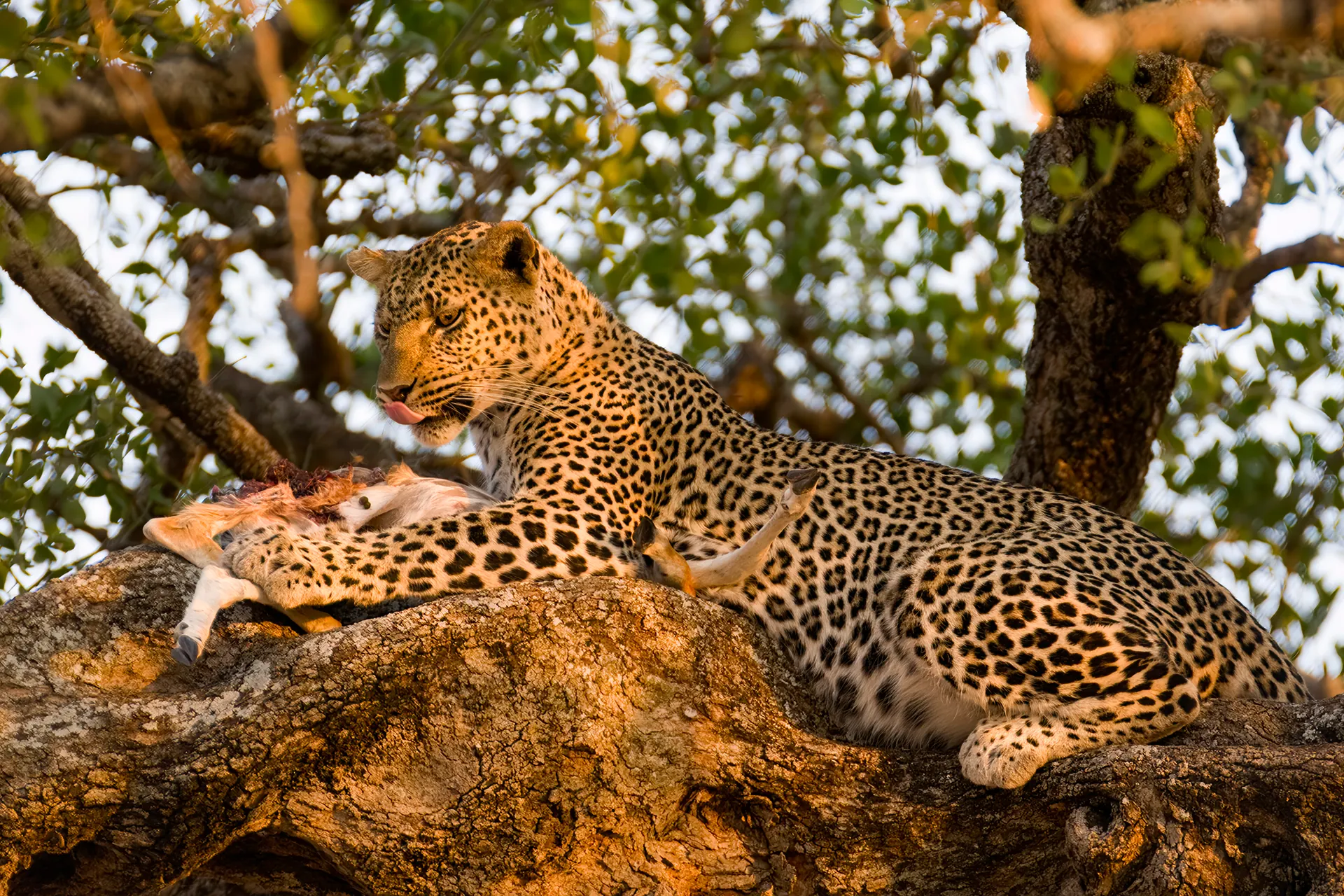
White Rhinoceros
Guardians of the Grassland
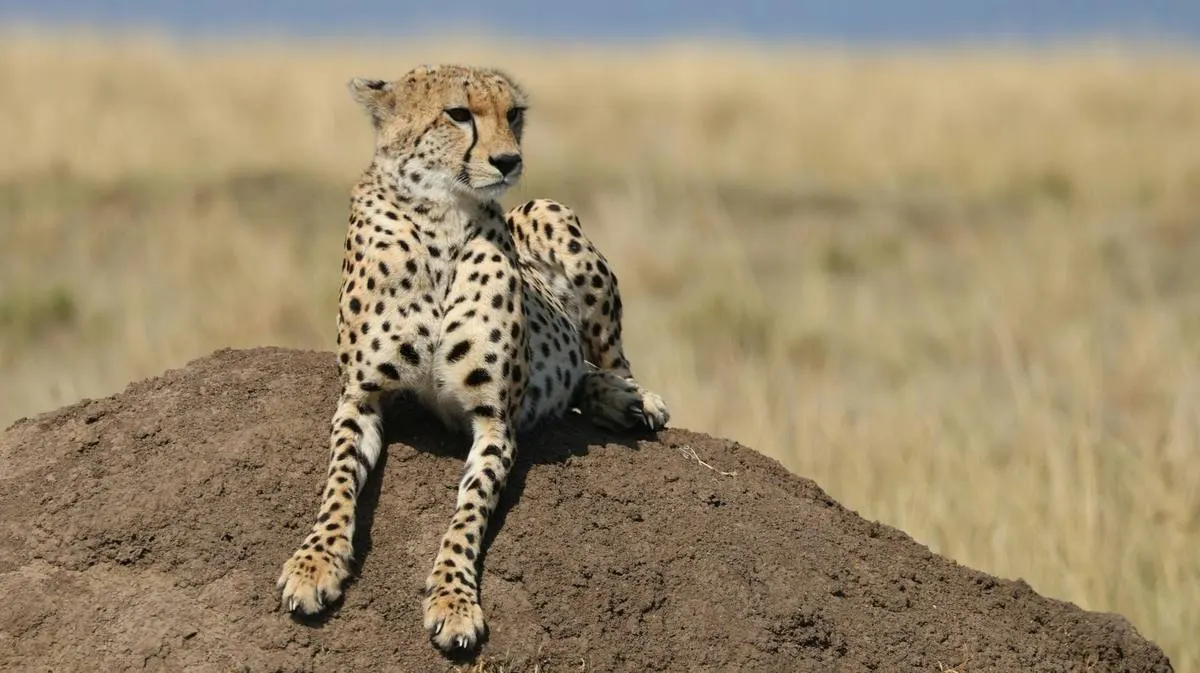
Cheetah
The Fastest Animal on Land
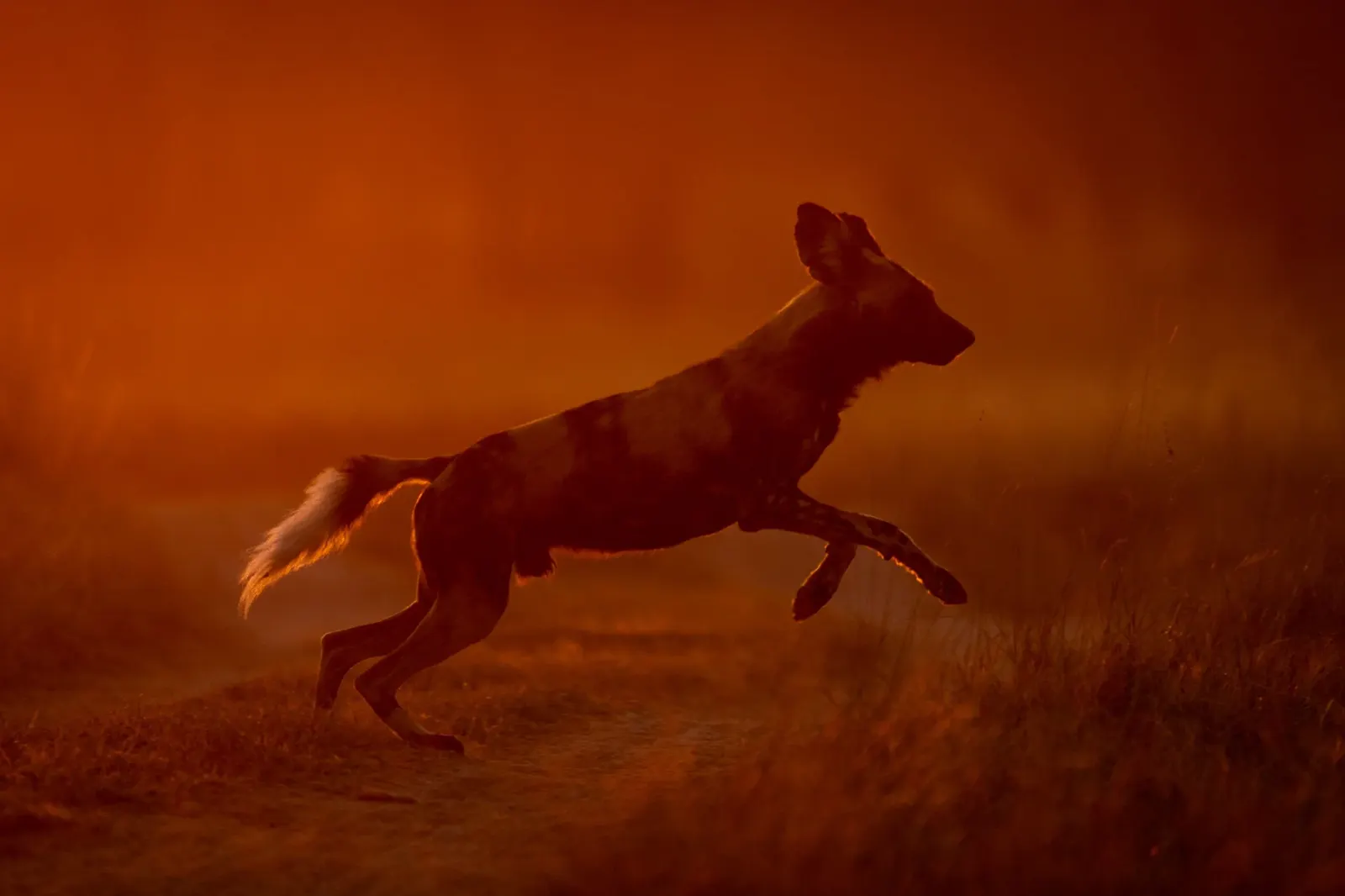
African Wild Dog
Africa's Most Efficient Predator
South African Giraffe
The Tallest Animal on Earth