
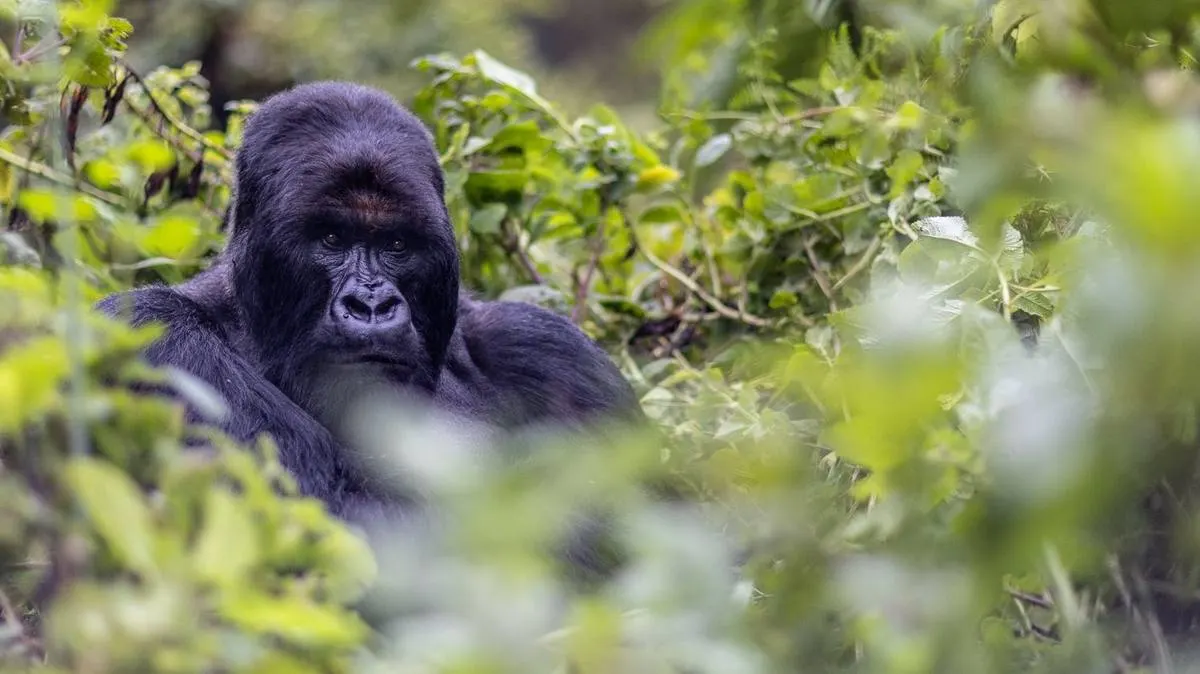
Mountain Gorilla
Gorilla beringei beringei
The Gentle Giants of the Misty Mountains
Habitat
Montane and bamboo forests at altitudes of 2,200–4,300 metres in Central/East Africa
Diet
Herbivore
Lifespan
35–40 years (wild)
Weight
100–220 kg
About the Mountain Gorilla
The mountain gorilla is one of humanity's closest living relatives, sharing approximately 98% of our DNA. Fewer than 1,100 individuals remain in the wild, confined to the volcanic highlands of the Virunga Mountains (spanning Rwanda, Uganda, and the Democratic Republic of Congo) and Uganda's Bwindi Impenetrable Forest. Their remarkable recovery from a low of just 254 individuals in the 1980s stands as one of conservation's greatest success stories.
Gorilla trekking is consistently rated among the world's top wildlife experiences. Small groups of visitors hike through dense montane forest to spend a precious hour observing a habituated gorilla family in their natural habitat. Watching a 200 kg silverback gently play with his infant, or seeing juveniles tumble through the undergrowth, is a profoundly moving encounter. Rwanda's Volcanoes National Park and Uganda's Bwindi Impenetrable National Park are the two primary trekking destinations, with permits strictly limited to protect these magnificent primates.
Habitat & Diet
Habitat
Montane and bamboo forests at altitudes of 2,200–4,300 metres in Central/East Africa
Diet
Herbivore — bamboo shoots, leaves, stems, bark, roots, flowers, and occasionally insects
Lifespan
35–40 years (wild)
Weight
100–220 kg (silverback males), 70–115 kg (females)
Social Behaviour
Mountain gorillas live in stable family groups of 5–30 individuals led by a dominant silverback male. The silverback makes all major decisions — where the group sleeps, eats, and travels. He mediates conflicts, protects the group from threats, and can be remarkably gentle with infants. Females transfer between groups several times during their lives, while male offspring either inherit leadership or leave to form new groups. Gorillas communicate through over 25 distinct vocalisations, facial expressions, and body postures.
Population
Approximately 1,100 individuals in the wild, split between the Virunga Mountains (604) and Bwindi Impenetrable Forest (459)
Where to See Mountain Gorilla on Safari
Volcanoes National Park (Rwanda)
Bwindi Impenetrable Forest (Uganda)
Virunga National Park (DRC)
Best Time to Visit
Year-round, though the dry seasons (June–September and December–February) offer easier trekking conditions with drier trails and clearer skies. Gorilla permits should be booked months in advance. Treks depart at 8 AM and can last 1–6 hours depending on gorilla location.
Fascinating Facts About Mountain Gorilla
Mountain gorillas share 98.3% of their DNA with humans — making them one of our closest relatives
A dominant silverback can be 10 times stronger than the most powerful human athlete
Each gorilla has a unique "nose print" used by researchers for identification
Gorilla families build fresh sleeping nests from vegetation every single night
Their population has increased from 254 individuals in the 1980s to over 1,100 today — a conservation miracle
Photography Tips: Capturing the Mountain Gorilla
Dense forest means low light — bring the fastest lens you have (f/2.8 minimum) and don't hesitate to push ISO to 3200–6400
Maintain a minimum 7-metre distance (strictly enforced) — a 100–200mm lens gives excellent framing
Focus on the silverback's expressive eyes for soulful portraits that convey the human connection
Capture family interactions — infants playing on the silverback's back or juvenile wrestling matches are magical
No flash photography is allowed — this is to avoid startling the gorillas and is strictly enforced
Where to Stay to See Mountain Gorilla
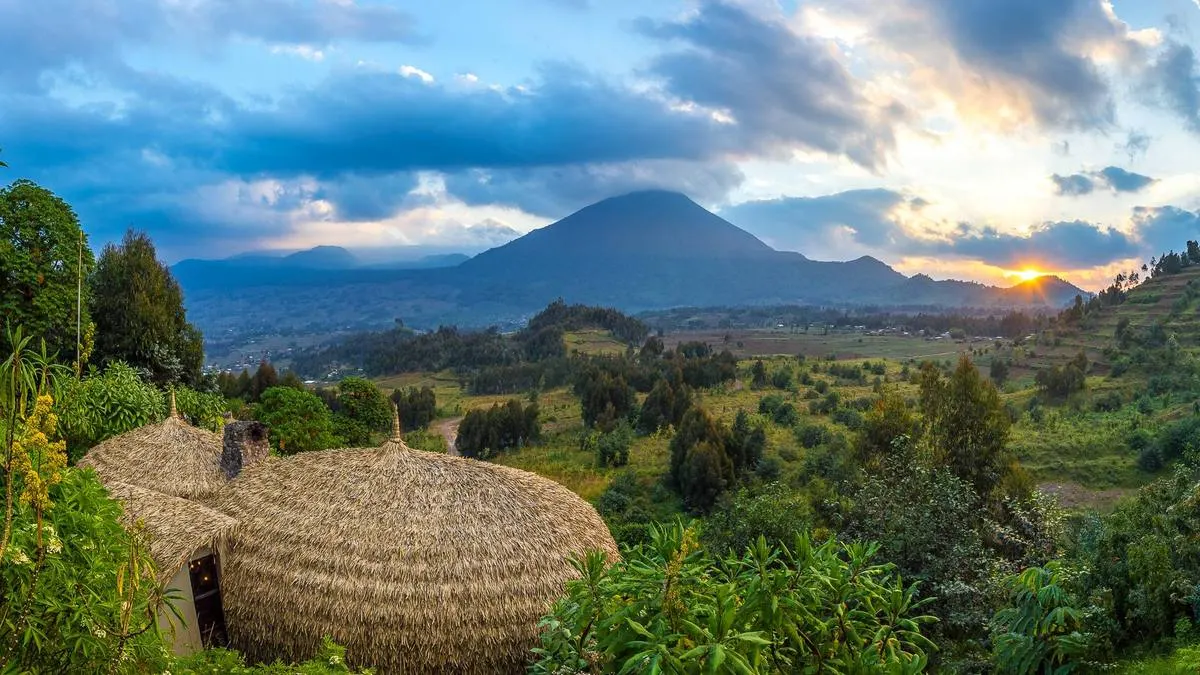
Bisate Lodge
Wilderness Safaris' architectural masterpiece nestled in the volcanic foothills, combining ultra-luxury with gorilla trekking and reforestation conservation.
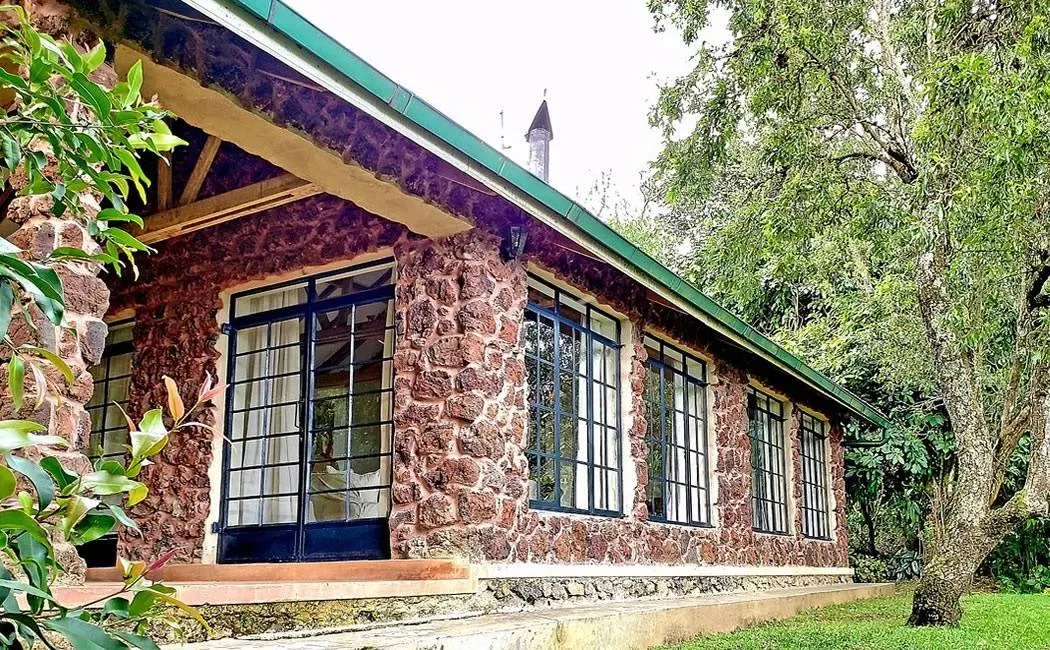
Clouds Mountain Gorilla Lodge
Perched at 2,300 metres with direct access to Bwindi's Nkuringo gorilla families — one of Uganda's most atmospheric gorilla trekking bases.
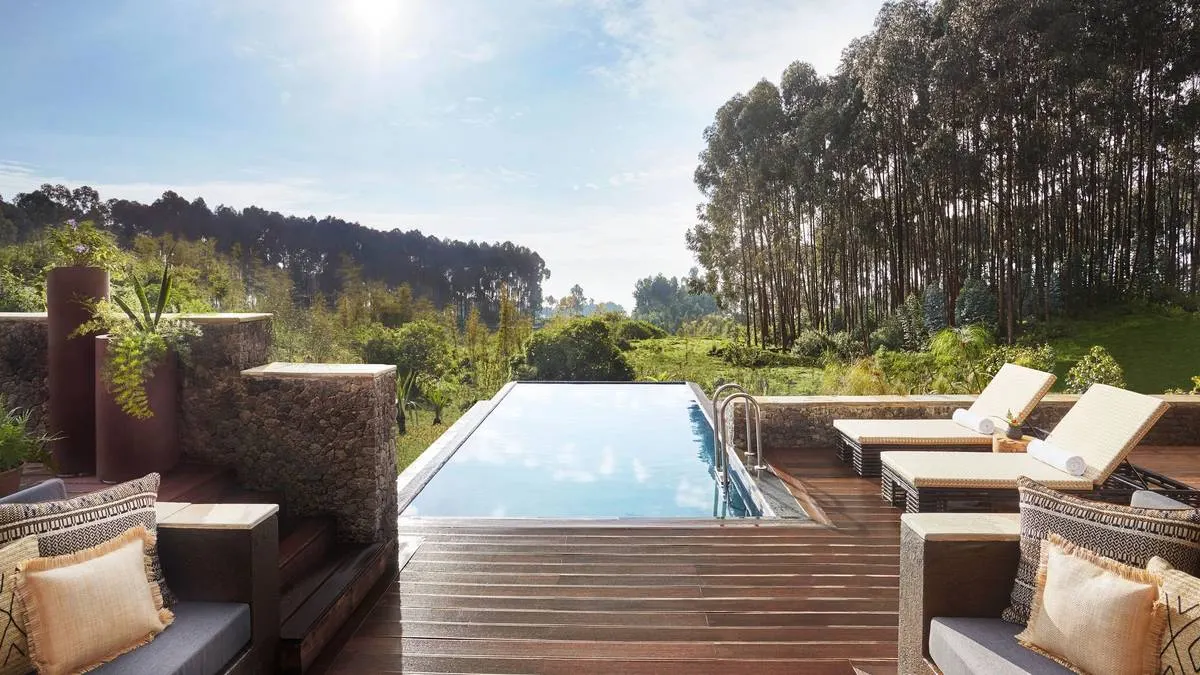
One&Only Gorilla's Nest
Rwanda's premiere luxury gorilla lodge set amidst eucalyptus and pine forest at the foot of the Virunga volcanoes.
Mountain Gorilla Conservation
Threats
Habitat loss due to agricultural encroachment and population pressure
Disease transmission from humans — gorillas are susceptible to human respiratory illnesses
Political instability in the Virunga region (DRC)
Climate change pushing suitable habitat upslope on volcanic mountains
Snare injuries from bushmeat poaching targeting other species
Conservation Efforts
Mountain gorilla conservation is a remarkable success story. The Dian Fossey Gorilla Fund, established in 1967, pioneers gorilla research and anti-poaching patrols. Revenue-sharing programmes distribute tourism income to local communities (10% of permit fees in Rwanda go directly to surrounding villages). The Gorilla Doctors programme provides veterinary care to wild gorillas. Cross-border collaboration between Rwanda, Uganda, and DRC through the Greater Virunga Transboundary Collaboration coordinates protection across national boundaries.
Frequently Asked Questions About Mountain Gorilla
Gorilla trekking permits cost $1,500 per person in Rwanda (Volcanoes National Park) and $700 per person in Uganda (Bwindi Impenetrable Forest or Mgahinga Gorilla National Park). DR Congo permits are $400 but security concerns limit tourism. Each permit allows one hour with a gorilla family. Permits should be booked 3–6 months in advance as only 8 visitors per gorilla group per day are allowed.
Safari Packages to See Mountain Gorilla
Multi-day, all-inclusive safari packages that include the best mountain gorilla viewing destinations.
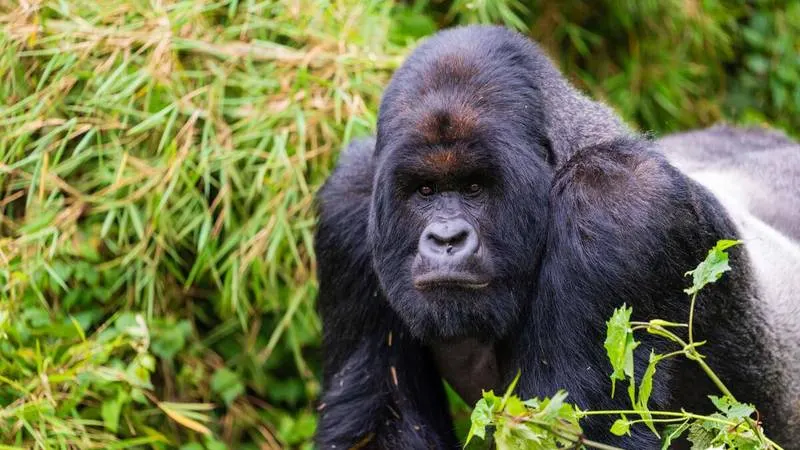
Uganda & Rwanda Gorilla Trekking — Walk With Giants
Entebbe, Murchison Falls
From $7,990
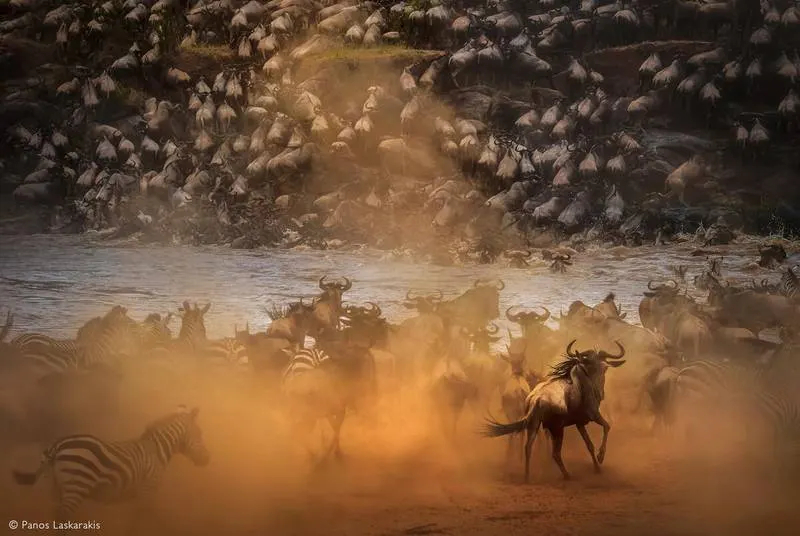
Great Migration & Gorilla Trek — Tanzania & Rwanda Ultimate Combo
Arusha, Tarangire
From $11,990
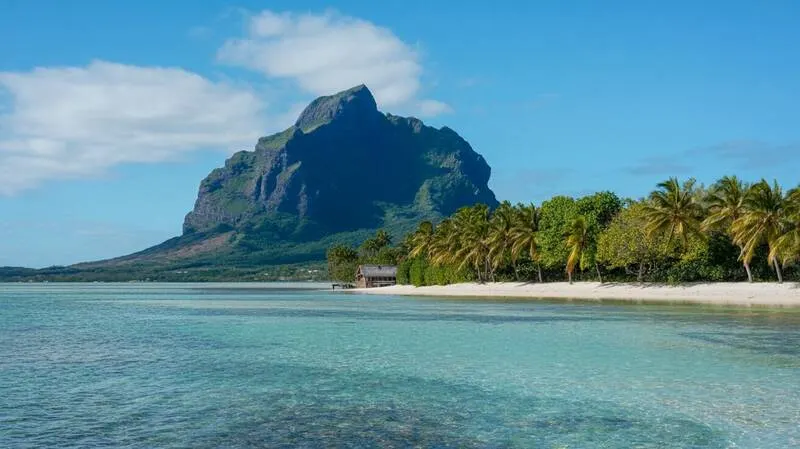
Rwanda Gorilla Trek & Mauritius Paradise — Adventure Meets Luxury
Kigali, Volcanoes National Park
From $9,500
Ready to See Mountain Gorilla in the Wild?
Our expert safari consultants will craft your perfect mountain gorilla encounter — from choosing the ideal reserve to selecting the best season and lodge.
Plan Your Mountain Gorilla Safari
Safari Experiences
Big Five game drives, walking safaris & more
Safari Lodges
Luxury accommodation in prime wildlife areas
Destinations
Kruger, Sabi Sands, Masai Mara & beyond
Best Time to Visit
Plan your trip around peak wildlife seasons
Safari Costs
Honest pricing guide for every budget
Conservation
How your safari protects African wildlife
Explore More African Wildlife
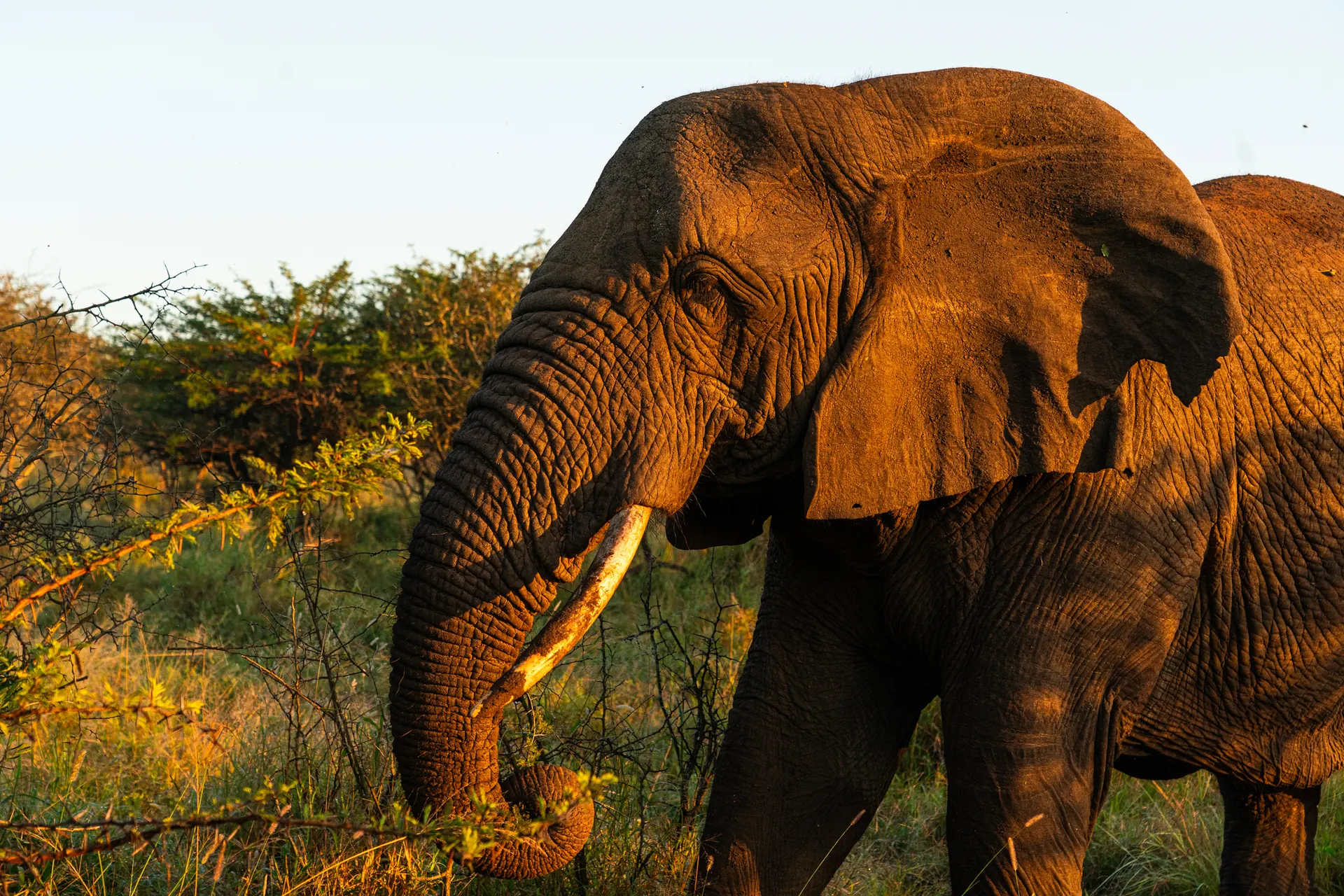
African Elephant
The Gentle Giants of the African Bush
African Lion
The King of the African Savanna
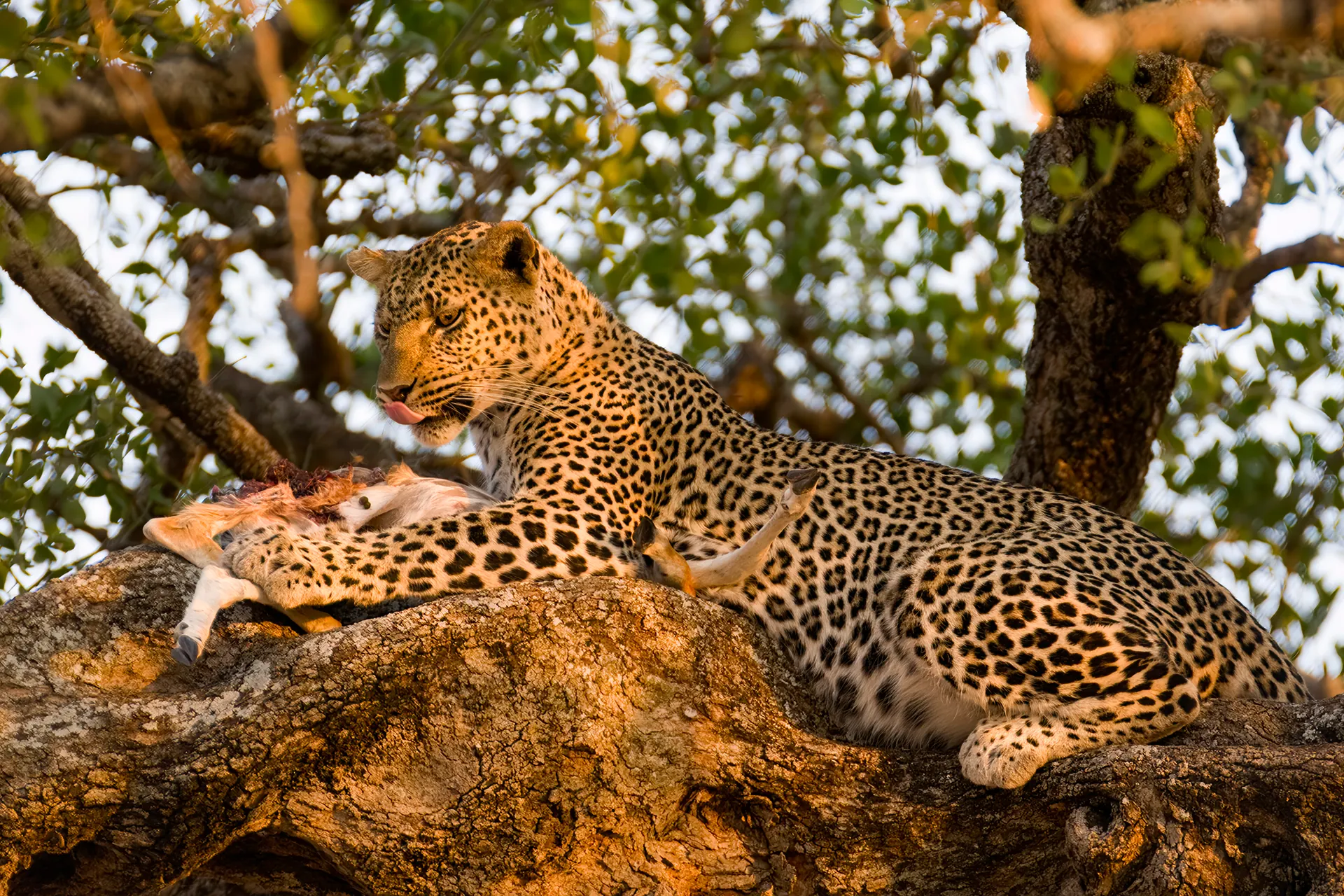
African Leopard
The Elusive Ghost of the Bush
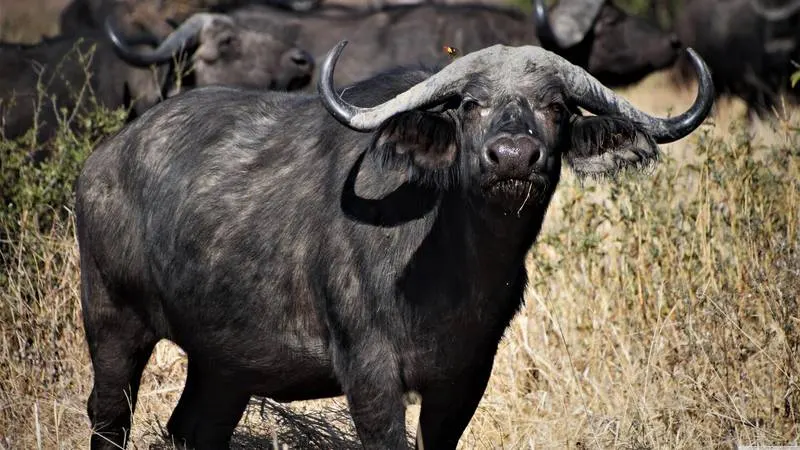
Cape Buffalo
Africa's Most Dangerous Bovine
White Rhinoceros
Guardians of the Grassland
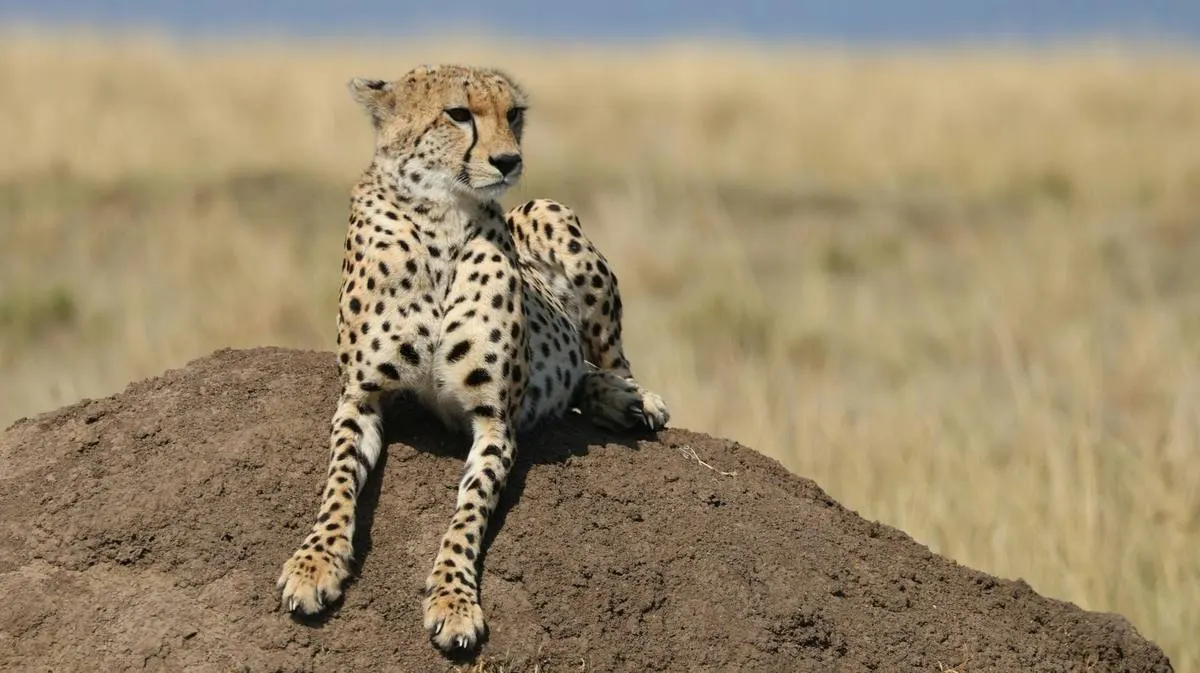
Cheetah
The Fastest Animal on Land
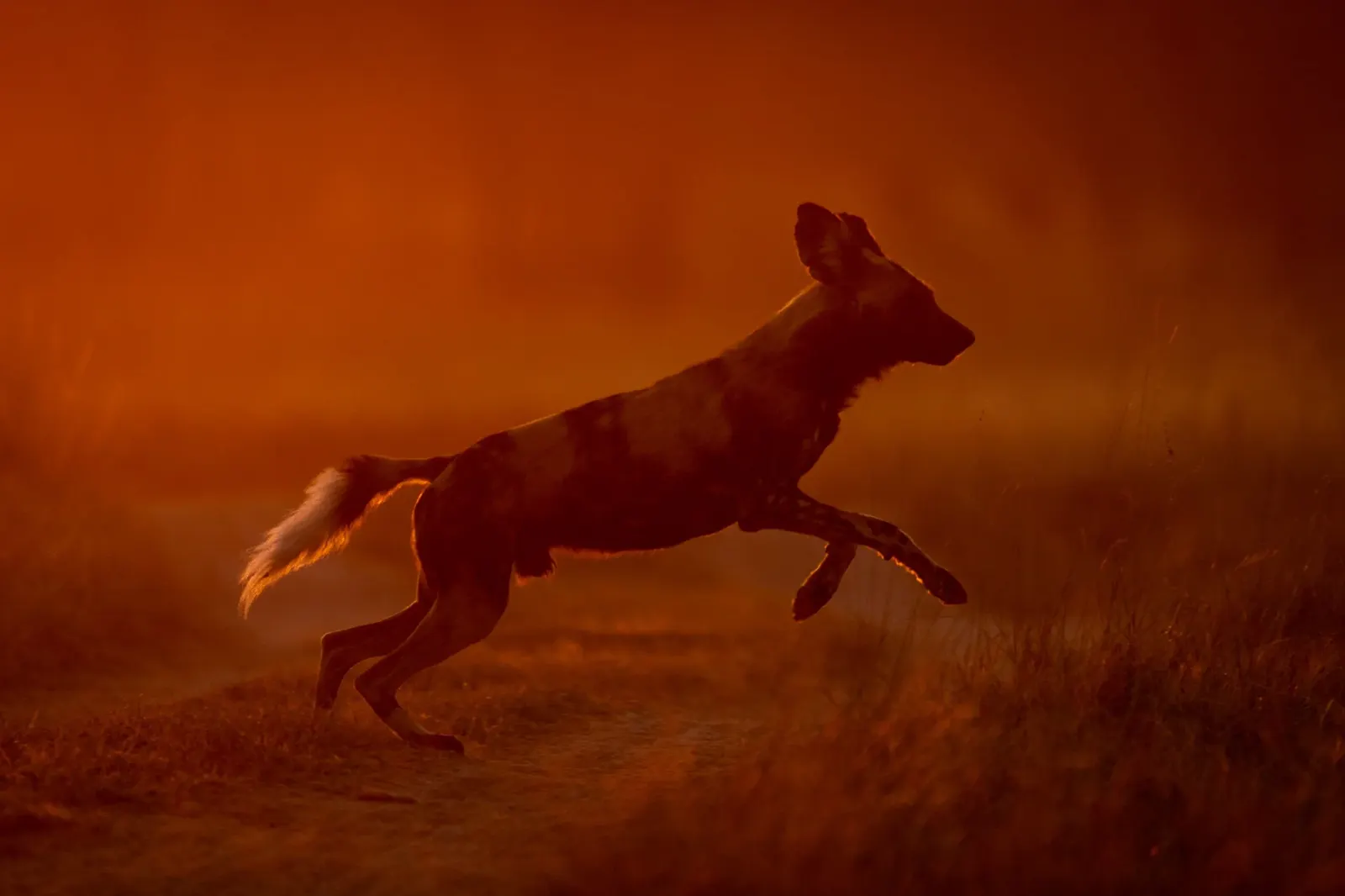
African Wild Dog
Africa's Most Efficient Predator
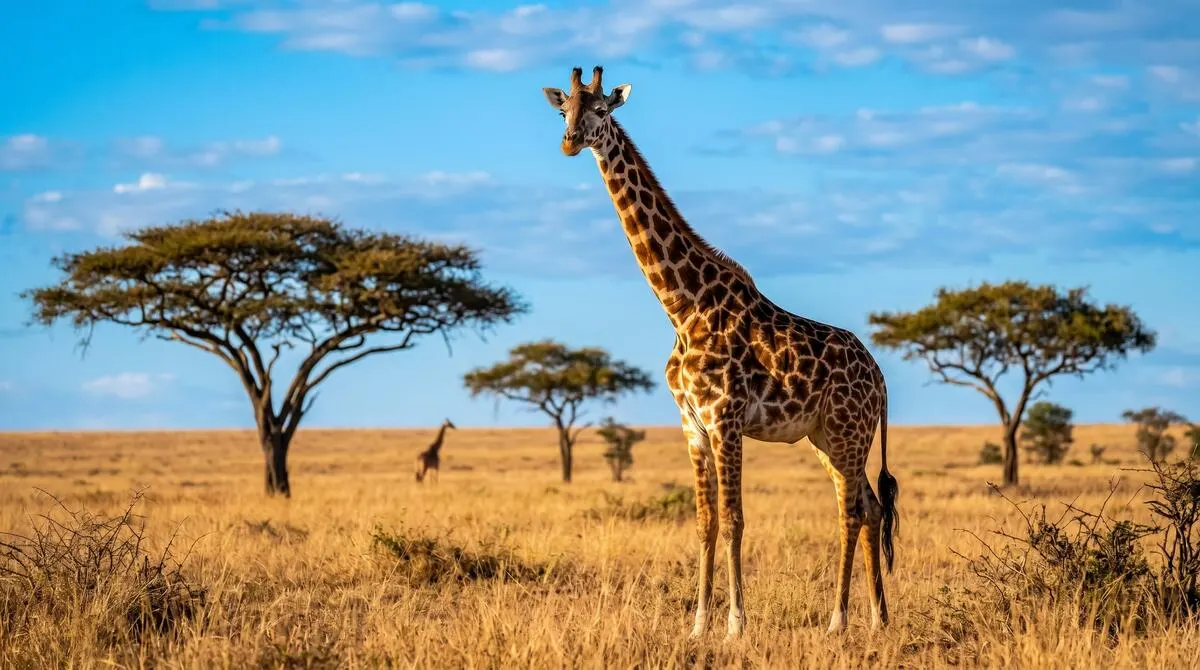
South African Giraffe
The Tallest Animal on Earth